Autonomous Mobile Robots

Search documents
How packaging and logistics companies are automating their warehouses
CNBC· 2026-02-13 12:30
Core Insights - DHL Group has significantly reduced the physical workload of its workers by implementing autonomous mobile robots that can unload containers at a speed of up to 650 cases per hour, which previously required workers to walk close to a half marathon daily [1][3] - The company has scaled its automation projects from 240 in 2020 to 10,000, with 95% of its global warehouses benefiting from these innovations [2][3] - Automation has led to a 30% increase in units picked per hour by item-picking robots and a 20% efficiency boost from autonomous forklifts in certain warehouses [3] DHL's Automation Strategy - DHL aims to grow its business while facing challenges in finding additional labor and warehouse space, indicating a shift towards automation and AI for greater efficiency [4] - The company has deployed over 8,000 collaborative robots globally and hired 40,000 people, emphasizing that automation complements rather than replaces human labor [14][15] - DHL's automation strategy includes a focus on item picking, with more than 2,500 robots currently in operation [14] Industry Trends - Other companies like UPS and FedEx are also investing in automation, with UPS planning to increase the percentage of U.S. volume processed through automated facilities to 68% by the end of the year [5] - FedEx is enhancing worker roles through automation, installing robotic arms and partnering with AI companies to optimize operations [6] - The global warehouse automation market is projected to exceed $51 billion by 2030, indicating a strong trend towards automation in the logistics sector [7] Workforce Dynamics - The rise of automation has led to significant layoffs at UPS, with over 75,000 job cuts as the company focuses on efficiency [10] - Unions like Teamsters are advocating for workers' voices in the technology deployment process, emphasizing the importance of human labor in the success of these companies [12][13] - Experts suggest that automation is not replacing jobs but rather shifting the skill sets required in the workforce, with a focus on technical roles [18][19] Future Outlook - A study indicates that 51% of factories expect to have fully automated warehouses by 2040, with 70% of logistics executives prioritizing autonomous supply chains as an investment [22] - The industry is experiencing a shortage of skilled workers, which automation can help address by augmenting the workforce rather than replacing it [20][21]



2026年机器人技术趋势报告
Sou Hu Cai Jing· 2026-01-23 14:18
Industry Overview - The global robotics industry is projected to continue growing, with over 90,300 companies and an annual growth rate of 5.96% [7] - The global workforce in the robotics sector is approximately 6 million, with over 399,000 new jobs added in the past year [7] - The industry holds over 269,000 patents, reflecting ongoing technological advancements [7] Market Dynamics - The Asia Pacific region leads the market with a 35.4% share, while major hubs include the USA, India, the UK, Germany, and France [8] - The average investment value per funding round in the robotics sector is USD 25 million, with over 4,500 investors participating in more than 20,000 funding rounds [8] Key Trends - The industry is characterized by ten core trends, including autonomous mobile robots (23%), collaborative robots (20%), and intelligent robotics (20%) [1][22] - The integration of AI, IoT, cloud computing, and edge computing enhances capabilities such as autonomous navigation and environmental perception [1][20] Commercial Models - The predominant business model in the robotics sector is "Robotics as a Service (RaaS)," which lowers the entry barrier for small and medium enterprises [1][41] - RaaS allows companies to hire robots on demand, facilitating scalability according to market needs [41] Cybersecurity - The demand for robotic cybersecurity solutions is increasing due to the integration of IoT and the need for protection against cyber threats [1][45] - Startups are developing solutions to safeguard robotic systems from unauthorized access and data breaches [45][46] Startup Ecosystem - The analysis covered 8,949 startups and scaleups, highlighting significant activity in the US and Western Europe [23] - Notable startups include AgriRobot (autonomous agricultural robots), Seedorina (robotic sowing), and Kyber Labs (artificial muscle fiber actuator technology) [9]


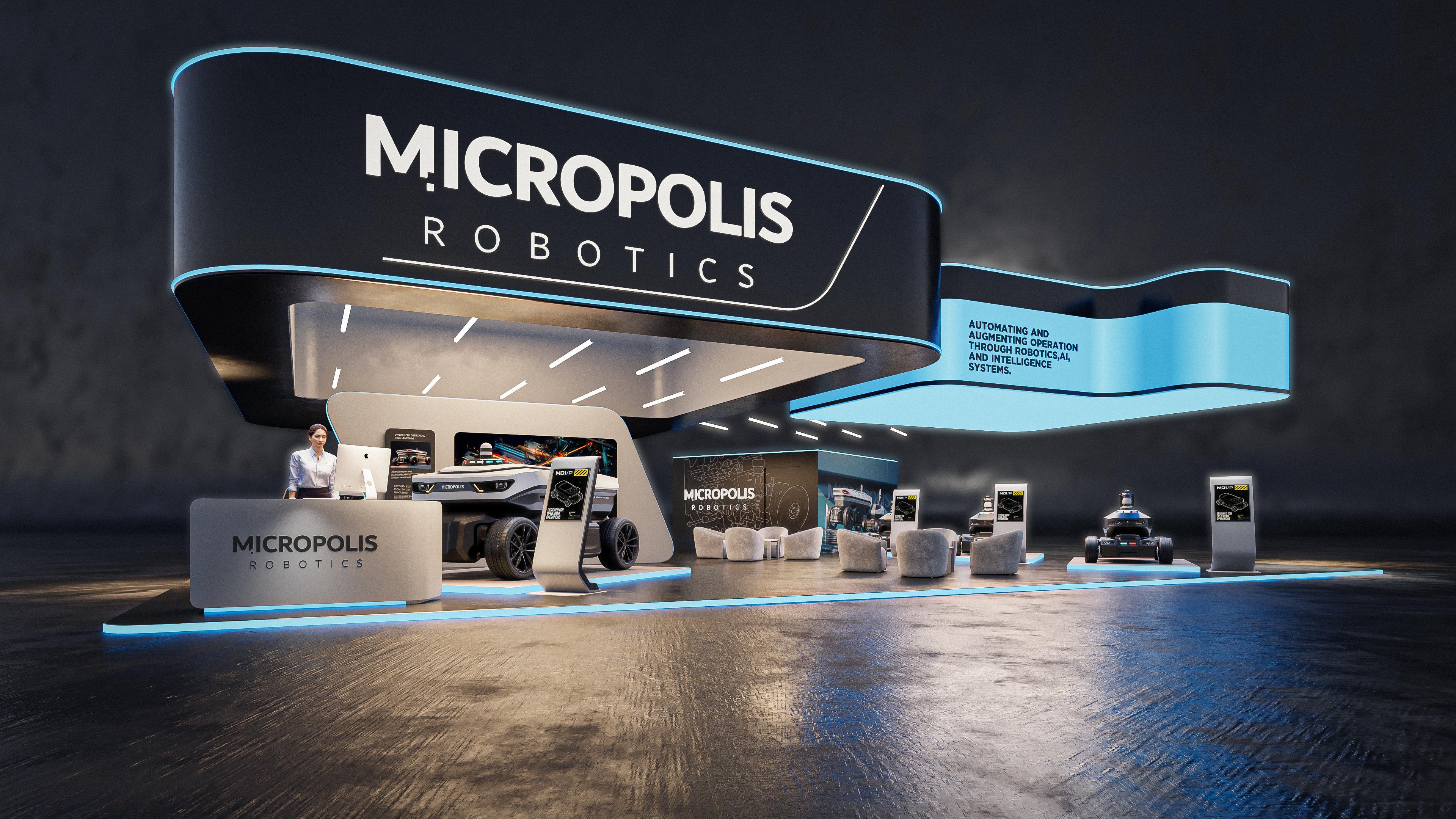
Micropolis Delivers on Vision of Robotics, Artificial Intelligence (AI) and Intelligent Systems at Make it in the Emirates 2025
Globenewswire· 2025-05-07 13:00
Core Insights - Micropolis Holding Co. is participating in the Make it in the Emirates 2025 event, showcasing its autonomous mobile robots and AI solutions aimed at enhancing productivity and reducing costs for customers [1][3] Company Overview - Micropolis is a UAE-based company specializing in the design, development, and manufacturing of autonomous mobile robots (AMRs), AI systems, and smart infrastructure for various applications including urban, security, and industrial [5] - The company has vertically integrated capabilities that encompass mechatronics, embedded systems, AI software, and high-level autonomy [5] Event Participation - The Make it in the Emirates 2025 event will take place from May 19-22, 2025, at the Abu Dhabi National Exhibition Centre (ADNEC), bringing together manufacturers, innovators, policymakers, and global investors [1] - Micropolis will showcase two innovative robotics portfolios: an agriculture robot and a container cleaning robot, demonstrating the effectiveness of its solutions [3]