BCI)

Search documents
通用脑机接口时代要来了?跨尺度脑基础模型CSBrain真正读懂脑信号
机器之心· 2025-11-27 03:00
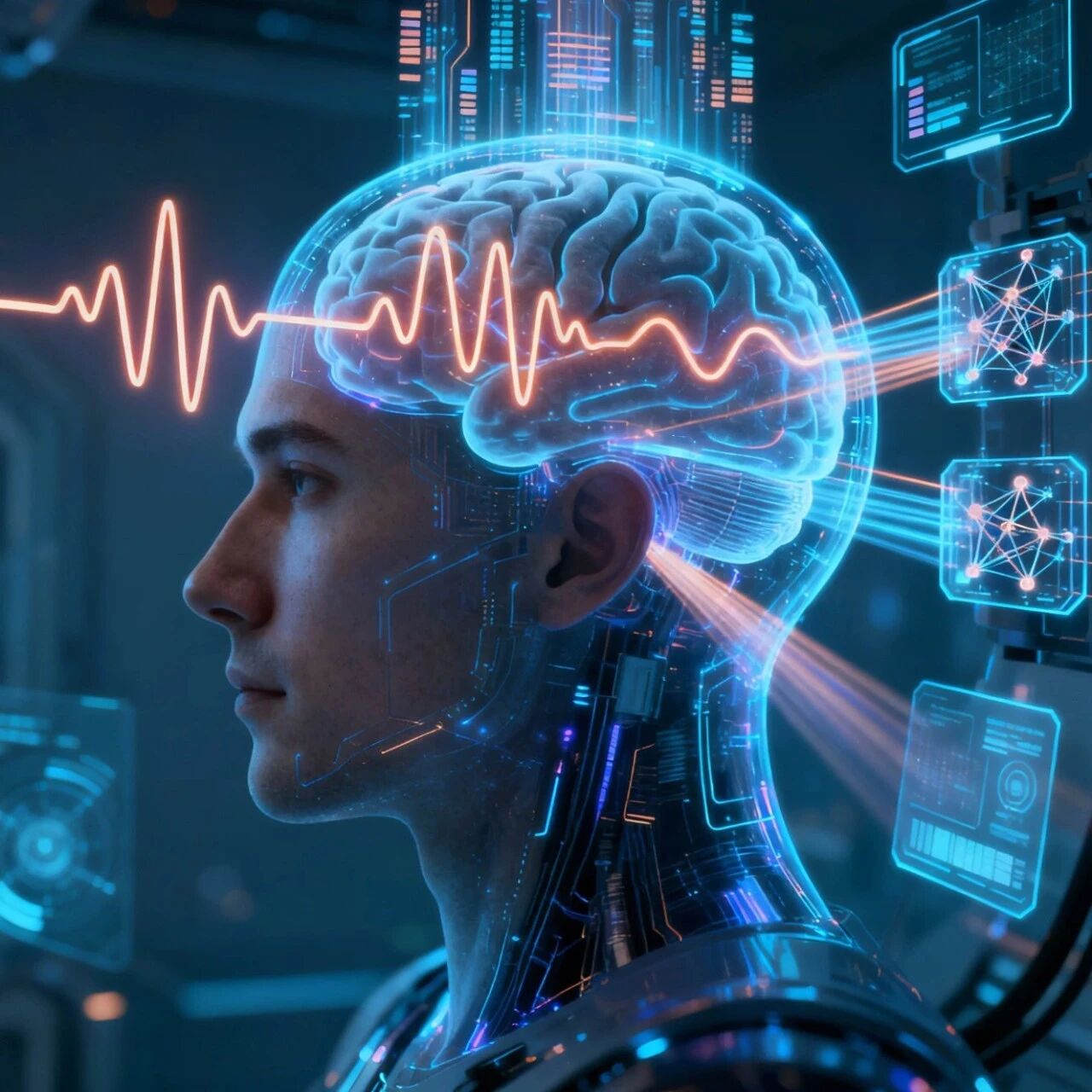
Core Insights - Brain-Computer Interface (BCI) is seen as the ultimate interface connecting human intelligence with artificial intelligence, with a focus on high-precision brain signal decoding to enable general AI models to understand complex brain activities [2] - Current BCI systems are limited to task-specific deep learning models, which lack generalizability and cross-task transfer capabilities, resulting in isolated "specialist" applications [2][3] - The introduction of a brain foundation model, CSBrain, aims to address these challenges by integrating cross-scale structural perception into the model design [5][6] Group 1: Challenges in Brain-Computer Interfaces - The BCI field has primarily relied on task-specific deep learning models, which perform well on specific datasets but struggle with adaptability to diverse brain signals [2] - The unique cross-scale spatiotemporal structure of brain signals presents challenges for traditional modeling paradigms, which fail to capture the inherent neural structure [3][5] Group 2: CSBrain Model Innovations - CSBrain introduces two core innovative modules: Cross-scale Spatiotemporal Tokenization (CST) and Structured Sparse Attention (SSA) [6][7] - CST extracts multi-scale temporal and spatial features from EEG signals, balancing neural representation capability and computational efficiency through a dimension allocation strategy [6] - SSA captures long-range temporal dependencies and models inter-region interactions while reducing computational complexity from O(N²) to O(N・k) [7] Group 3: Experimental Results and Performance - CSBrain was validated across 11 representative brain decoding tasks and 16 public datasets, achieving state-of-the-art performance with an average improvement of 3.35% over current models [12] - In high-challenge tasks, CSBrain showed a 5.2% accuracy improvement in motor imagery tasks and a 7.6% enhancement in epilepsy detection metrics [12] - The experimental results confirm the effectiveness of CSBrain's cross-scale modeling paradigm and pre-trained brain foundation model, supporting various BCI applications [12][14] Group 4: Future Prospects - As data scale and computational power increase, brain foundation models are expected to play a larger role in broader brain-AI integration scenarios, accelerating the application of next-generation brain-computer interfaces [14]

Nature:世界首例,脑机接口+AI算法,帮助渐冻症患者实时“说话甚至唱歌”
生物世界· 2025-06-23 04:00
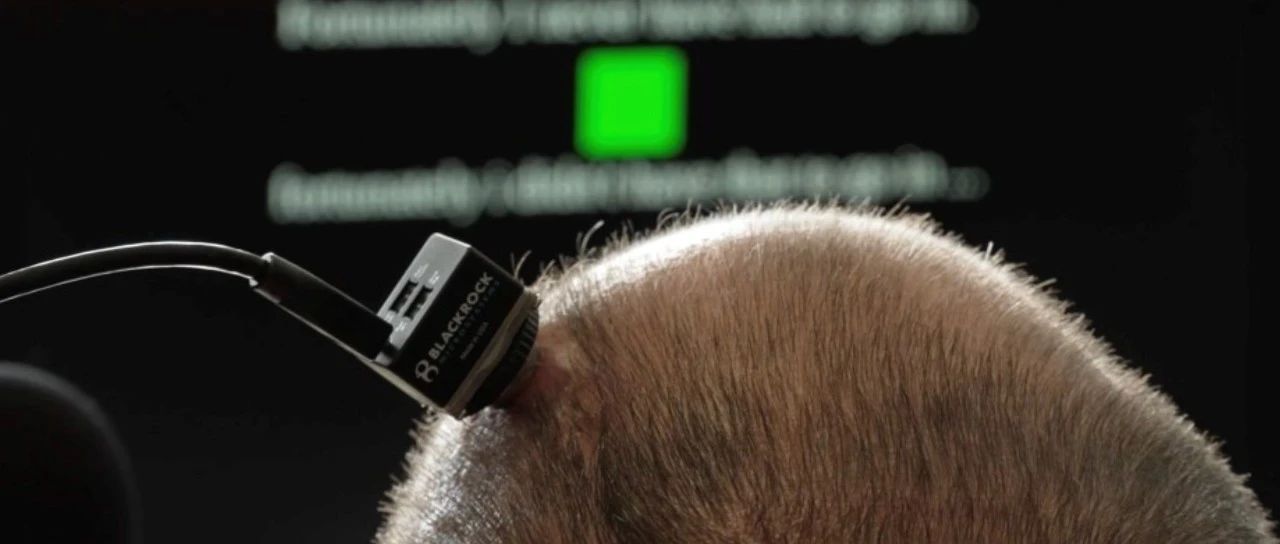
Core Viewpoint - The article discusses a groundbreaking clinical trial by BrainGate that successfully enables paralyzed individuals to "speak" by converting their thoughts into real-time synthesized speech, showcasing the potential of brain-computer interfaces (BCI) in restoring communication abilities for those with neurological diseases like ALS [3][13]. Group 1: Clinical Trial Overview - The clinical trial results were published in the prestigious journal Nature, demonstrating the use of an implanted BCI that combines low-latency processing and AI-driven decoding models to convert neural activity into speech with only an 8.5-millisecond delay [4][10]. - The study involved a nearly completely speechless ALS patient, where 256 microelectrodes recorded neural activity from the brain region responsible for language, allowing for real-time voice synthesis [6][8]. Group 2: Technological Advancements - The research team developed AI algorithms that map neural activity to expected sounds, enabling the synthesis of speech nuances and allowing users to control the rhythm of the generated voice [10][11]. - The synthesized voice was found to be intelligible, with listeners correctly understanding about 60% of the words produced through the BCI, compared to only 4% when the patient did not use the device [10]. Group 3: Implications for Patients - The ability to synthesize speech using the patient's own voice provides hope for those who have lost their ability to communicate, potentially transforming their quality of life [13]. - The study highlights the importance of voice as part of personal identity, emphasizing the emotional impact of regaining the ability to speak for individuals with neurological disorders [13].