Bobbi Brown橘子面霜

Search documents
2026 年 WILL 商业大会举办,小红书发布种草效果化最新进展
Jing Ji Guan Cha Wang· 2025-12-23 10:56
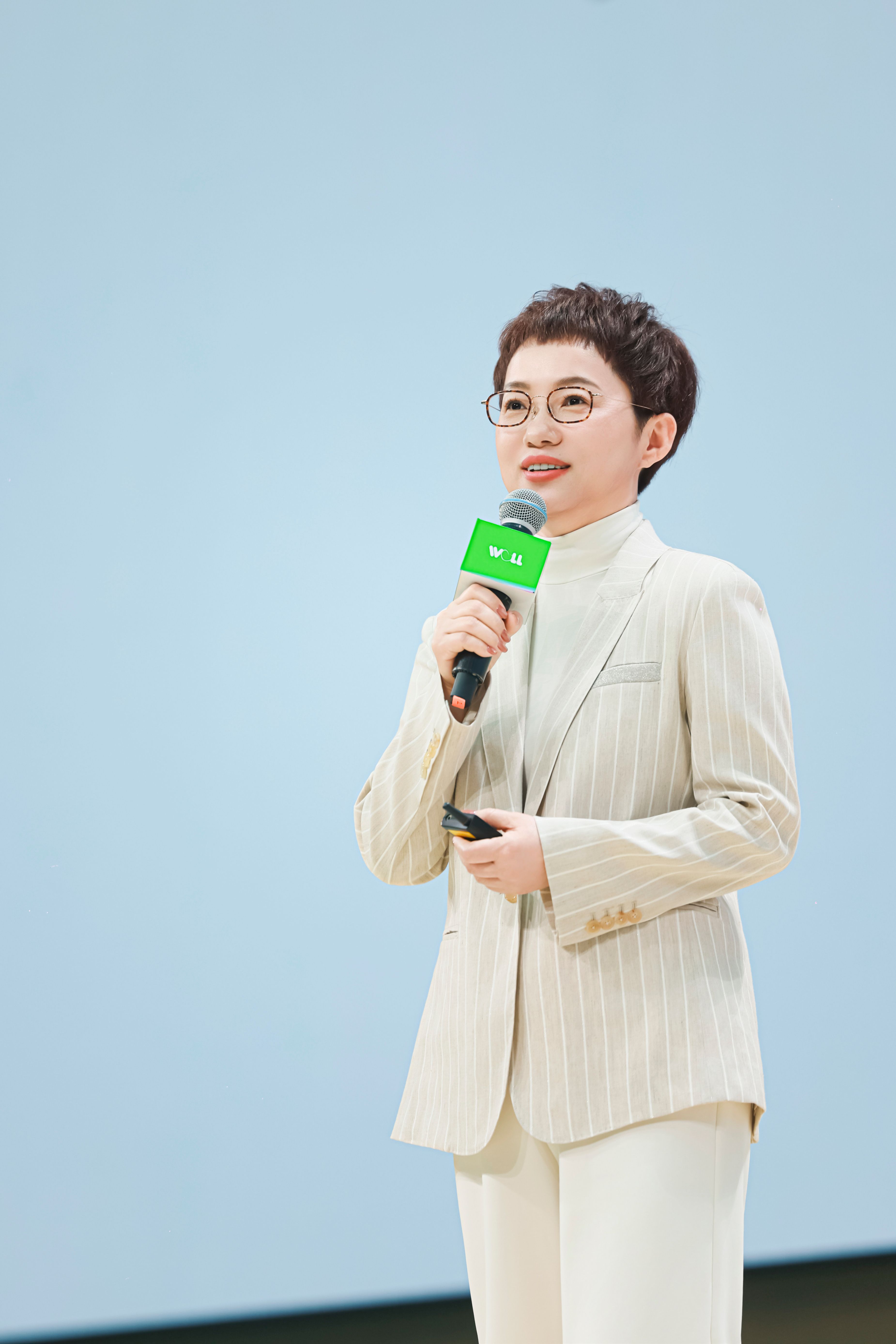
Core Insights - The central theme of the 2026 WILL Business Conference hosted by Xiaohongshu is "Grass Planting, Entering the Effectiveness Era," showcasing the platform's latest advancements in effective grass planting [1] Group 1: Understanding Users - Xiaohongshu's CMO emphasized the importance of "seeing specific people," highlighting the platform's focus on genuine user experiences and interactions within its community [2] - Current user engagement statistics reveal that Xiaohongshu users open the app an average of 16 times daily, sharing content across over 2,500 interests, with more than 9 million notes published each day and over 70 million comments generated [6] - Approximately 200 million users seek purchasing advice on Xiaohongshu each month, indicating a strong foundation for understanding user needs through authentic sharing [6] Group 2: Expanding the Understanding of "People" - Xiaohongshu is broadening its understanding of users beyond just product mentions to include emotional and aesthetic dimensions, utilizing interdisciplinary research to analyze user emotions [7] - The platform has identified 95 common human emotions through AI analysis of over 14 million notes, with love, happiness, and stress being the most frequently expressed emotions [7] - Collaborations with trend forecasting agencies have helped Xiaohongshu systematically analyze aesthetic structures across various dimensions, enhancing user understanding [7] Group 3: Transition to Effectiveness in Grass Planting - The concept of "effectiveness in grass planting" is described as an upgrade in both advertising and operational strategies, with initiatives like the "Red Cat Plan" and "Red Jing Plan" aimed at streamlining user decision-making processes [9] - During the Double 11 shopping festival, the number of merchants utilizing direct grass planting strategies increased by 109% compared to the 618 shopping festival [10] - Xiaohongshu has partnered with over 2,100 brands to address key business challenges, helping them understand user decision paths and market opportunities [10] Group 4: Case Studies and Practical Applications - A case study involving Huawei's FreeClip2 earphones illustrates how Xiaohongshu helped reposition the product from an electronic device to a co-creative fashion item, resulting in over 80,000 units sold within the first hour of launch [11] - The platform's approach emphasizes collaboration with users to enhance product appeal and engagement, moving beyond traditional marketing strategies [11] Group 5: Content and Community Engagement - Xiaohongshu's content strategy focuses on "igniting" user interest in a better life, which in turn stimulates deeper engagement with specific products during decision-making phases [15] - The platform has successfully created marketing IPs based on real user interactions, such as the "Night Festival," which capitalizes on nighttime content engagement trends [17] - Over 600 brands from various industries have engaged with Xiaohongshu's marketing IPs, demonstrating the platform's ability to foster deeper connections between brands and users [17] Group 6: Academic Perspectives on Grass Planting - An economist highlighted that grass planting is not merely about selling products but about building a "success probability system" for businesses [20] - The example of Bobbi Brown's orange cream illustrates how understanding user feedback during the grass planting process can lead to successful product repositioning and increased sales [23]

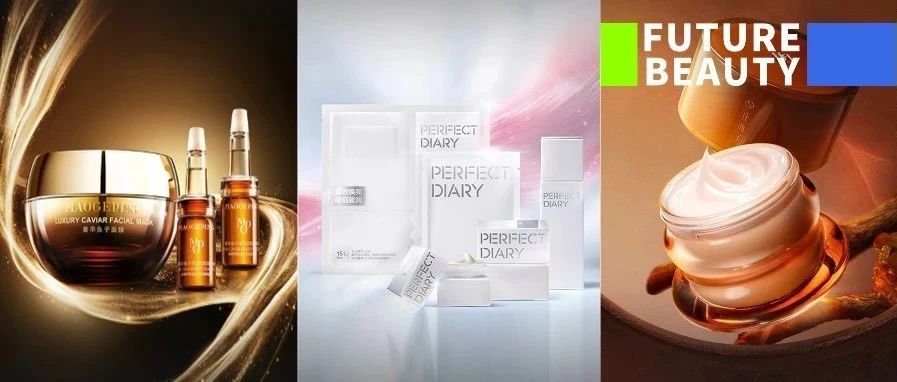
彩妆品牌跨界做护肤,真实力还是大冒险?
FBeauty未来迹· 2025-07-17 12:14
Core Viewpoint - Leading cosmetic brands are transitioning from "strategic exploration" to "systematic attack" in the skincare sector, indicating a significant shift in their business strategies [2][4]. Group 1: Brand Strategies - Major brands like Mao Geping, Huaxizi, and Perfect Diary are leveraging their brand DNA and market insights to develop systematic strategies for entering the skincare market, focusing on high-end positioning, technological innovation, and concept extension [4]. - Mao Geping has established a comprehensive skincare line, achieving a revenue of 3.885 billion yuan in 2024, with skincare contributing 1.429 billion yuan, a year-on-year growth of 23.19%, accounting for 36.8% of total revenue [4]. - Perfect Diary is centered on "technological iteration," having launched its first generation of biomimetic membrane technology in 2023 and planning to upgrade to the third generation by 2025 [5][7]. Group 2: Product Development - Perfect Diary has expanded its product range to include a "biomimetic membrane" skincare series, integrating makeup and skincare, thus establishing a unique technical barrier [7]. - Huaxizi has developed a database of over 100 floral formulas, successfully extracting and preparing 50 types of floral ingredients, which supports its "flower-based skincare" concept [8][9]. - The "气色双生莲萃" series from Huaxizi includes various products such as creams and serums, combining Eastern plant extracts with modern skincare technology [8]. Group 3: Market Trends - The skincare market in China is significantly larger than the color cosmetics market, with skincare accounting for approximately 70% of the total cosmetics market, valued at over 700 billion yuan, compared to the color cosmetics market at around 88 billion yuan [16]. - Consumer demand is evolving, with over 60% of consumers expecting makeup products to also provide skincare benefits, indicating a trend towards "makeup and skincare integration" [16][17]. Group 4: Challenges and Competition - The transition of color cosmetic brands into skincare faces challenges, including establishing consumer trust and overcoming the perception of expertise in skincare [21][22]. - The skincare market is highly competitive, with international giants dominating the high-end segment, while domestic brands are rapidly emerging with a focus on quality-price ratio and efficacy [22][24]. - The complexity of skincare product formulation requires significant R&D investment and a robust quality control system, posing a challenge for brands traditionally focused on color cosmetics [22][24].