CoWoS(晶圆级封装)

Search documents
FOPLP,来势汹汹
半导体芯闻· 2026-02-02 10:32
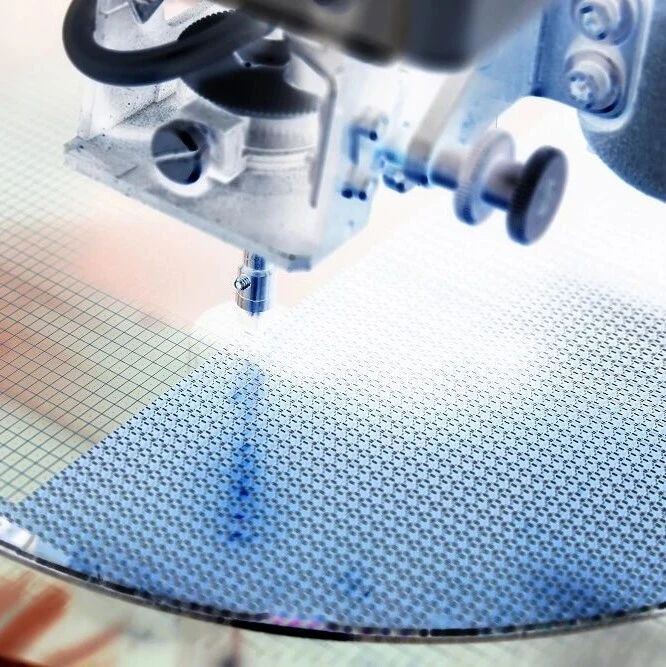
Core Insights - The global semiconductor industry is facing a shortage of chip capacity, with major companies like Nvidia, AMD, and Broadcom dominating the CoWoS (Chip on Wafer on Substrate) packaging capacity, prompting the search for alternative solutions [1] - FOPLP (Fan-Out Panel Level Packaging) is emerging as a viable alternative, utilizing square glass substrates for packaging, which increases processing area by over 7 times and improves area utilization to 95%, reducing costs by more than 30% compared to CoWoS [1] - FOPLP and CoWoS are complementary technologies rather than substitutes, with TSMC investing in square substrate packaging to meet the demand for mid-range chips in the iPhone 18 series and high-performance edge computing devices [1] - Intel is also optimistic about FOPLP, showcasing glass substrate technology and positioning it as the next standard for advanced packaging, elevating its status within the industry [1] Industry Developments - Taiwan's packaging giant, Powertech Technology, established the world's first production base for FOPLP in 2018, attracting collaborations with AI computing and power management chip manufacturers, with next-generation AI chip packaging expected to begin mass production by 2027 [2] - Powertech's stock has surged by 123% over the past year, reaching NT$244.5, while ASE Technology has incorporated FOPLP into its VIPack advanced packaging platform, targeting high-performance computing and communication chip markets [2] - Despite the potential of FOPLP to address AI chip capacity shortages and cost pressures, companies must assess risks related to yield stability and production line transitions, as warping and edge effects pose significant challenges [2] - The high costs associated with the necessary exposure, laser, and plating automation systems for panel manufacturers transitioning to FOPLP require careful evaluation of cash flow health and capital expenditure returns [2] - There is a risk that if CoWoS capacity is released due to technological breakthroughs and price reductions, the current cost advantages of FOPLP may be challenged [2]