Fixed deposits

Search documents
Haryana govt to stay away from private banks
The Times Of India· 2026-02-22 09:55
Core Viewpoint - The Haryana government has implemented stricter regulations for managing public funds and banking relationships, emphasizing the use of nationalized banks and enhanced oversight measures [4][6]. Group 1: New Banking Regulations - Administrative secretaries are now authorized to approve the opening of accounts for government schemes only in nationalized banks operating within the state [4][6]. - Any proposal to open an account with a private bank must include detailed justification and full particulars of the scheme, with prior approval from the finance department required [4][6]. - Accounts opened without following the prescribed procedures will be deemed irregular and subject to immediate closure [4][6]. Group 2: De-empanelment of Banks - The finance department has de-empaneled IDFC First Bank and AU Small Finance Bank from all state government business, prohibiting any government funds from being parked, deposited, or transacted through these banks [4][6]. Group 3: Fund Management Instructions - Departments are instructed to place surplus funds in flexible or fixed deposits that offer the highest available interest rates, rather than keeping them in low-yield savings accounts [5][6]. - Monthly reconciliation of all fixed deposit and bank accounts is mandated to identify discrepancies, with a deadline set for March 31, 2026, for completing this reconciliation [5][6]. - A certified compliance report must be submitted to the finance department by April 4, 2026, with administrative heads held personally responsible for adherence to these directives [5][6].



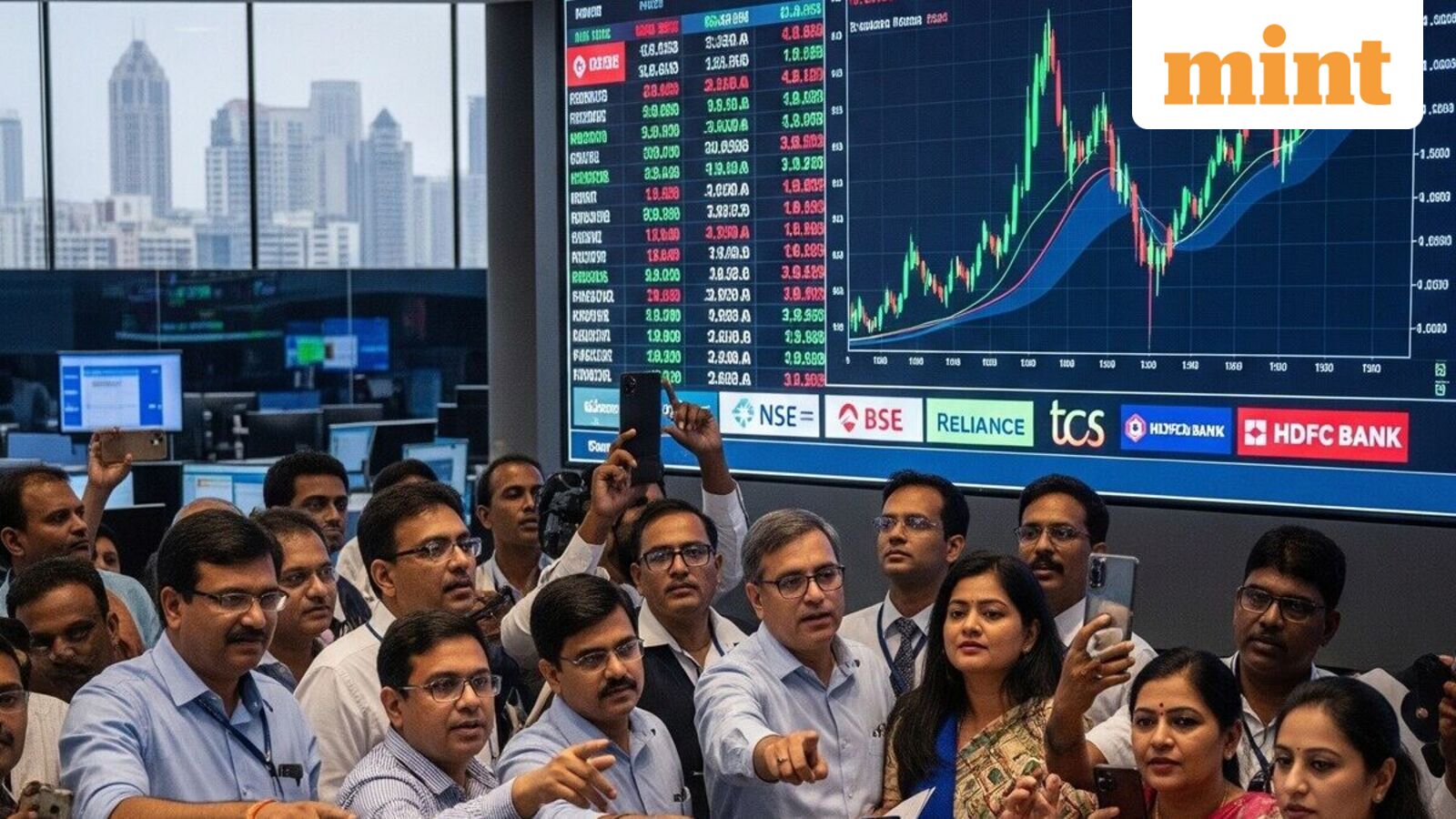
Stock market danger: The myth of buoyancy has turned it into a hamster wheel
MINT· 2025-09-21 07:34
Core Insights - A recent report from Kotak Securities highlights the Indian stock market's poor performance, revealing low corporate earnings growth and near-zero investment returns over the past year [2][4] - The report suggests that the narrative of a buoyant stock market is misleading, as it overlooks fundamental issues affecting corporate and market performance [3][4] Group 1: Stock Market Performance - The report titled "1-year, $90 bn and 0% Return Later" challenges the prevailing optimism about the stock market by emphasizing the lack of substantial returns [2] - Assertions of stock market buoyancy are contradicted by middling earnings and high valuations, indicating a disconnect between retail investment inflows and actual market health [4][5] Group 2: Household Financial Savings - Net financial savings (NFS) of the household sector fell to 5.2% of GDP in 2023-24, down from 7.4% in 2016-17, primarily due to rising household liabilities [5][6] - The share of deposits in household financial assets decreased from 49.7% in 2011-12 to 38.3% in 2023-24, while investment in equity and funds rose from 12.8% to 26.8% during the same period [6] Group 3: Economic Implications - Low deposit rates are driving households towards riskier equity investments despite stagnant income growth, raising concerns about financial stability [7][9] - The Reserve Bank of India (RBI) acknowledges the shift from banking to equity as a healthy trend, although there are concerns about the risks associated with this transition [10][11] Group 4: Government Revenue and Market Dynamics - The increasing share of tax revenues from capital markets, particularly from securities transaction tax (STT), indicates a governmental interest in maintaining stock market activity [12] - The 2025-26 Union budget projects a 131% growth in STT collections compared to 2023-24, suggesting a potential motive for sustaining market performance [12][13]