
GrabFood

Search documents
Grab to Enter Taiwan in $600M All-Cash Deal for Delivery Hero’s foodpanda Business
Yahoo Finance· 2026-03-23 15:03
Core Insights - Grab is acquiring Delivery Hero's foodpanda Taiwan for $600 million in an all-cash transaction, marking its first market entry outside Southeast Asia and its ninth overall market [3][4][7] - The acquisition is expected to enhance Grab's delivery addressable market by approximately 20%, adding over $40 billion to its existing $200 billion base in Southeast Asia [6][10] - Grab anticipates the Taiwan business will be profitable by late 2027 and contribute at least $60 million in incremental Adjusted EBITDA in 2028 [5][17] Acquisition Details - The transaction is valued at $600 million on a cash-free and debt-free basis, subject to regulatory approvals and expected to close in the second half of 2026 [2][3][7] - Delivery Hero will provide transition support services post-closing [2][7] Market and Economic Context - Taiwan's foodpanda generated $1.8 billion in GMV across 21 high-density cities in 2025, with a user penetration rate of 10%, indicating significant growth potential [9][12] - Taiwan's economy is projected to grow by 7% in 2026, supported by exports and private investment linked to an AI boom, with TSMC planning over $50 billion in capital expenditures [8] Strategic Impact - The acquisition creates a significant step change in Grab's delivery market, increasing its addressable market to over $240 billion [10] - Taipei's urban density is 3.6 times higher than Grab's Southeast Asian average, which is expected to enhance delivery logistics and fleet utilization [12] User Engagement and Integration Plans - Foodpanda Taiwan has a user reach of over 67% in cities, with one-third of users being pandapro subscribers who drive over 50% of total GMV [13][14] - Grab plans to migrate users and partners to its platform by early 2027, incorporating AI-driven tools to enhance consumer experience [15] Financial Guidance - Grab maintains its 2026 Adjusted EBITDA target of $700 million to $720 million, with the acquisition expected to be accretive to its revenue guidance of $4.04 billion to $4.10 billion [16][19] - The Taiwan business is projected to contribute to Grab's three-year Adjusted EBITDA outlook of $1.5 billion by 2028 [17]

中国科技公司,正在全球放贷
Xin Lang Cai Jing· 2026-02-24 08:01
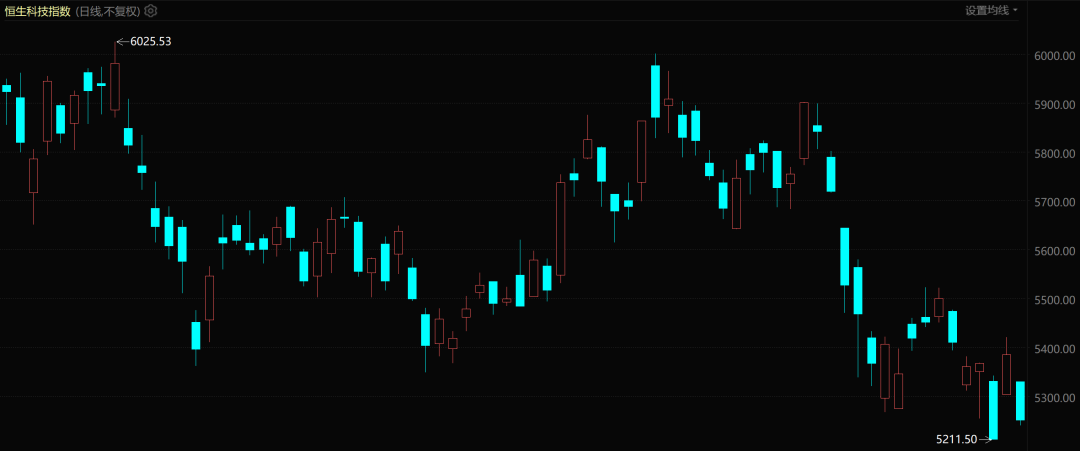
Core Viewpoint - The article highlights a significant shift in global capital from traditional internet platforms to emerging sectors, particularly in the context of Chinese tech companies exploring overseas opportunities in financial technology and lending [1]. Group 1: Market Performance - The Hang Seng Technology Index experienced a decline of 2.91% on the first trading day after the Lunar New Year, while companies like Zhiyu and MiniMax saw their market values exceed HKD 300 billion [1]. Group 2: Challenges in Overseas Expansion - Chinese tech companies face increasing pressure to expand their online lending businesses overseas due to regulatory challenges in the domestic market, making overseas lending a more urgent focus [5]. - The difficulties of entering Southeast Asian markets include varying financial regulations, the need for local partnerships, and the inadequacy of existing credit systems [7][10]. Group 3: Successful Models in Overseas Markets - Grab, a super app in Southeast Asia, has successfully integrated various services, achieving a net profit of USD 200 million last year, demonstrating the viability of its business model [7]. - Companies like Jiyin Technology have reported significant growth in their Indonesian operations, with loan issuance nearly doubling year-on-year, indicating that overseas expansion can drive performance [10]. Group 4: Opportunities in Latin America and Africa - Latin America and Africa present more favorable conditions for Chinese fintech companies compared to Southeast Asia, with clearer compliance paths and a higher percentage of unbanked populations [11]. - Didi's success in Mexico, where it provided credit to previously underserved populations, exemplifies the potential for Chinese companies to thrive in these markets [13]. Group 5: Financial Performance and Strategy - Xinyi Technology reported that international business revenue accounted for 25% of total revenue, growing at 40%, significantly outpacing the overall growth rate of 6% [16]. - The issuance of convertible bonds by Xinyi Technology to fund overseas expansion reflects a strategic focus on enhancing profitability in international markets [19]. Group 6: Long-term Goals and Market Dynamics - Xinyi Technology aims for international business revenue to reach 50% by 2030, indicating a transformative shift in its business structure [19]. - The article suggests that many Chinese fintech companies rely heavily on financial strategies rather than technological innovation, which may limit their profitability in competitive markets [23].

Grab Q4 Earnings Call Highlights
Yahoo Finance· 2026-02-17 13:19
Core Insights - Grab is focusing on three main priorities: affordability and reliability, deeper ecosystem engagement, and technology investments to enhance operational efficiency [1] Financial Performance - Grab reported its first full year of net profit in 2025, achieving $200 million in net profit and doubling adjusted free cash flow to $290 million [3][7] - For 2025, adjusted EBITDA increased by 60% year-over-year to $500 million, with fourth-quarter revenue reaching $906 million, up 19% year-over-year [11][12] - The company has set 2026 guidance for group revenue between $4.04 billion and $4.10 billion and adjusted EBITDA of $700 million to $720 million [6][18] User Engagement and Growth - By the end of 2025, Grab had over 129 million annual transacting users, with a monthly-to-annual conversion rate of 37% and a daily-to-monthly conversion rate of 17% [2] - Approximately two-thirds of users are utilizing two or more services on the platform, indicating increased engagement [2] - Grab's mobility segment saw a 21% year-over-year growth in on-demand gross merchandise value (GMV), driven by a product-led affordability strategy [4][11] Strategic Initiatives - The company is implementing a $500 million share repurchase program, bringing total buybacks to $1 billion, as part of its capital allocation strategy [5][16] - Grab is expanding its financial services, with expectations for the segment to reach EBITDA breakeven in the second half of 2026 [12][15] - The company is also focusing on AI, with over 90% of mobility rides dispatched using AI technology [9][10] Ecosystem Development - Grab has launched digital banks in Indonesia, Singapore, and Malaysia, with its loan portfolio exceeding $1 billion [3] - The company is enhancing its grocery delivery service, GrabMart, which is growing 1.7 times faster than GrabFood and represents 10% of deliveries GMV [8] - Grab's travel-related initiatives have led to a tenfold increase in traveler monthly transacting users over three years [8]
Grab Holdings Limited (GRAB) Builds Momentum Through Diversification and Innovation
Yahoo Finance· 2026-01-26 08:14
Core Viewpoint - Grab Holdings Limited (NASDAQ:GRAB) has been upgraded to a Buy by BofA Securities, with a price target of $6.30, following a 32% decline in stock price since September [1][2]. Financial Performance - BofA Securities highlights that Grab's fundamentals in core mobility and deliveries remain strong, with expectations of gross merchandise value (GMV) growing at a compound annual growth rate (CAGR) of 17% from 2024 to 2027 [2]. - The adjusted EBITDA margin as a percentage of GMV is projected to improve from 3.6% in 2024 to 5.5% by 2027 [3]. Cash Position - Grab's net cash position of $5 billion is viewed positively, as it helps limit downside risk while supporting expected strong performance in GrabMart and quick commerce operations [3]. Strategic Acquisition - Grab announced the acquisition of Infermove, a China-based developer of AI-enabled robotics solutions, to enhance its first- and last-mile delivery capabilities [4]. Business Model - Grab operates a super app that integrates various services including ride-hailing, food and grocery delivery, package delivery, and digital financial services, connecting consumers with driver-partners, merchants, and delivery partners [5].
Grab (GRAB) - 2025 Q2 - Earnings Call Transcript
2025-07-31 01:02
Financial Data and Key Metrics Changes - Grab reported a 21% year-on-year growth in on-demand GMV in U.S. dollars, or 18% on a constant currency basis [6][7] - Adjusted EBITDA growth has been sustained for fourteen consecutive quarters, with trailing twelve months adjusted free cash flow expanding to $229 million [7] - The company achieved a margin of 8.7% for Mobility, nearing its steady state margin target of over 9% [17] Business Line Data and Key Metrics Changes - Mobility transactions grew by 23% year-on-year, with GMV increasing by 19% year-on-year [15] - Delivery GMV accelerated to 19% year-on-year on a constant currency basis, driven by product-led initiatives [22] - GrabFood for One and Saver products contributed significantly to transaction growth, with Saver accounting for 34% of delivery transactions in Q2 [25] Market Data and Key Metrics Changes - The company is actively participating in government initiatives in Indonesia and Thailand to support local economies and tourism [12][13] - Grab's financial services business saw total loan disposals reaching close to $3 billion on an annualized run rate basis in Q2 [7] Company Strategy and Development Direction - Grab is focusing on affordability and product-led innovations to drive user engagement and retention [10][11] - The company aims to sustain growth momentum and accelerate on-demand GMV growth rates relative to 2024 levels [8] - Grab is leaning into the autonomous vehicle opportunity, planning pilots and partnerships to expand its AV services across Southeast Asia [28][32] Management's Comments on Operating Environment and Future Outlook - Management expressed confidence in navigating macroeconomic uncertainties through product-led investments and partnerships with governments [10][11] - The outlook for the second half of the year is positive, with expectations for stronger adjusted EBITDA compared to the first half [13] Other Important Information - Grab's advertising revenue reached a run rate of $236 million, growing at 45%, with significant potential for further growth [70] - The company is committed to achieving steady state margins of over 4% in the delivery segment in the long term [27][51] Q&A Session Summary Question: Outlook for Grab in the macro environment and consumption trends - Management is focused on affordability and has launched products to enhance user engagement, positioning the company well amid macro uncertainties [10][11] Question: Strategies driving increase in mobility transaction frequency - The growth in mobility transactions is attributed to reinvestment in scale economies and product-led growth initiatives [14] Question: Impact of new delivery products on margins - Despite the introduction of affordable products, delivery segment margins have expanded, and the company expects to reach steady state margins of over 4% [26][51] Question: Contribution mix between premium and affordable rides - Saver rides now account for one-third of mobility transactions, while premium rides are also growing, indicating a balanced approach to pricing [52] Question: Competition in food delivery and capital allocation - Management acknowledged competitive dynamics but emphasized Grab's scale and reinvestment strategy to maintain growth [40][41] Question: Expectations for advertising revenue growth - The advertising business is expected to continue growing due to increased penetration among merchants and high returns on advertising spend [72] Question: Financial services loan portfolio growth - The loan portfolio is projected to exceed $1 billion by year-end, driven by strong product offerings and risk management strategies [84][86]