
Mortgage Bonds

Search documents
X @Bloomberg
Bloomberg· 2026-03-21 19:14
As rising energy prices and growing inflation fears make corporate bonds look increasingly risky, big money managers have been looking at buying mortgage bonds and other securitized debt instead. https://t.co/3Ix1tGaLn9 ...
Fed fight ERUPTS: Trump refuses to drop Jerome Powell investigation
Youtube· 2026-02-03 13:45
Core Viewpoint - The nomination of Kevin Worsh as the next chairman of the Federal Reserve has sparked discussions about the current monetary policy and its implications for the economy, particularly regarding interest rates and inflation. Group 1: Federal Reserve and Monetary Policy - The Federal Reserve's current policy mix is criticized for being misaligned, with a large balance sheet and high interest rates, which are seen as detrimental to economic conditions on Main Street compared to Wall Street [2][3] - There is a call for a regime change at the Federal Reserve, emphasizing the need for credibility and effective monetary policy to address inflation and interest rates [3][8] - The expectation is that once confirmed, Kevin Worsh will implement rate cuts, with Wall Street economists predicting at least two cuts in 2026 [26][27] Group 2: Economic Impact and Housing Market - The mortgage portfolio of Fannie Mae and Freddie Mac has grown significantly, with Fannie Mae's portfolio exceeding $4.1 trillion, indicating a robust performance in the housing market [15][17] - A $200 billion mortgage bond buy ordered by President Trump is expected to lower interest rates and make housing more affordable, with a noted 40% year-over-year increase in refinancings [20][22] - The current high mortgage rates, around 6.1%, are attributed to the actions of the Federal Reserve, particularly under Jay Powell, and there is a strong belief that new leadership will help address these issues [24][25][33]


美国经济展望_2026 及以后的美国财政前景-US Economic Perspectives_ US Fiscal Outlook_ 2026 and beyond
2026-02-02 02:22
Summary of Key Points from the Conference Call Industry Overview - The conference call primarily discusses the **US Economic Outlook** for 2026, focusing on the impact of the **One Big Beautiful Bill Act (OBBBA)** on fiscal policy and economic growth. Core Insights and Arguments 1. **Fiscal Policy Impact on GDP Growth** - The OBBBA is expected to contribute approximately **0.45 percentage points (pp)** to real GDP growth in 2026, with overall fiscal policy adding around **0.3 pp** to growth [2][8][11]. 2. **Tax Refund Expectations** - A significant tax refund season is anticipated, with expected refunds increasing by **$50-$60 billion** compared to 2025, representing a **16% increase** [3][50]. However, potential delays in refunds due to complexities from the OBBBA and IRS staffing cuts pose risks [3]. 3. **State and Local Government Spending** - State and local budgets are under pressure, with expected contributions to GDP growth declining from **~0.5 pp in 2023** to **~0.1 pp in 2025** and potentially dragging on growth in 2026 [24][69]. 4. **Deficit Projections** - The deficit is projected to remain wide beyond 2026, with changes in Medicaid and SNAP impacting state budgets and overall fiscal sustainability [5][89]. 5. **Policy Levers Ahead of Midterms** - There is skepticism regarding the appetite for another large reconciliation bill before the midterms, although alternative stimulus measures could be considered if economic conditions worsen [4][27]. 6. **Corporate Tax Provisions** - The OBBBA reinstates several business expensing provisions from the 2017 Tax Cuts and Jobs Act, which are expected to support equipment investment but may be limited by existing corporate tax rules [12][57][58]. 7. **Healthcare Subsidies Risk** - The expiration of enhanced ACA health insurance premium subsidies poses a downside risk, with potential increases in out-of-pocket costs for enrollees and an estimated **2.2 million** increase in the uninsured population if not extended [31]. 8. **Investment in Technology and AI** - The administration is promoting investment in technology and AI, with pledges amounting to approximately **$2 trillion**. However, the effectiveness and actual impact of these investments remain uncertain [83][84]. Additional Important Content 1. **Tax Policy Changes** - New tax provisions include increased standard deductions and expanded child tax credits, which are expected to boost household disposable income [49][50]. 2. **Impact of Government Shutdown** - The recent government shutdown is estimated to have reduced Q4 real GDP growth by approximately **0.6 pp**, with potential recovery effects in subsequent quarters [21][18]. 3. **State Budget Pressures** - States are expected to face increased costs due to federal policy changes, particularly in SNAP and Medicaid, which could exacerbate budget shortfalls [71][77][79]. 4. **Monitoring Tax Refunds** - Tracking individual income tax refunds will be crucial for assessing the timing and extent of the OBBBA's economic boost [37][54]. 5. **Long-term Fiscal Outlook** - The long-term fiscal outlook suggests that while the OBBBA provides short-term stimulus, its provisions may lead to increased deficits and budgetary constraints in the future [5][89]. This summary encapsulates the key points discussed in the conference call, highlighting the implications of fiscal policy changes and the economic outlook for 2026.
Trump Wants Lower Mortgage Rates, Not Cheaper Houses
Investopedia· 2026-01-30 01:00
Core Insights - President Trump's proposals aim to make housing more affordable by focusing on lowering mortgage rates without significantly impacting home prices [1][9] - The administration's strategy raises questions among economists about whether reducing borrowing costs alone can effectively address housing affordability issues [2][9] Economic Impact - Housing affordability is crucial for families to purchase homes, build wealth, and feel financially secure, influencing broader economic growth through consumer spending [3] - Protecting existing homeowners' wealth may support consumer spending but could maintain high prices as a barrier for new buyers [3] Policy Focus - Trump's housing policies have primarily targeted mortgage rates, including instructing Fannie Mae and Freddie Mac to purchase $200 billion in mortgage bonds to lower borrowing costs [6] - The introduction of longer 50-year mortgages is also proposed to provide more options for homebuyers [6] Supply and Demand Dynamics - An increase in housing supply could lower home prices, but current low inventory levels may counteract affordability gains from lower mortgage rates [7] - Trump's executive order to limit large institutional investor purchases aims to increase housing supply, though it may only affect a small portion of the market [12][14] Wealth Effect - Higher home values contribute to consumer spending, with the "wealth effect" indicating that increased housing wealth can lead to greater consumer expenditure [10] - Consumer spending has remained strong, with a reported increase of 0.3% in both October and November, supported by affluent consumers benefiting from wealth effects [11]
Trump 2026: Housing Market Changes To Expect in Trump’s Second Year of His Second Term
Yahoo Finance· 2026-01-25 14:20
Core Insights - U.S. home prices have decreased from their previous highs but remain high, with a median sales price of $410,800 in Q2 2025, up from $327,100 at the start of the decade [1] - The National Association of Realtors anticipates a further increase in average home prices by 2% to 3% in 2026 [2] Group 1: Housing Market Dynamics - President Trump plans to have Fannie Mae and Freddie Mac purchase $200 billion in mortgage bonds to lower housing costs, a strategy reminiscent of their past practices [3] - Fannie and Freddie previously held over $900 billion in mortgage-backed securities but currently hold a combined $247 billion as of November 2025, with a cap of $225 billion each [4] Group 2: Mortgage Strategies - Fannie and Freddie's role involves buying mortgages from lenders to facilitate credit availability, but experts question the effectiveness of increasing their bond purchases in reducing borrowing costs [5] - Trump has proposed a 50-year mortgage to lower monthly payments, although experts express skepticism about its practicality and long-term financial implications for homeowners [6][7]
Can Donald Trump’s mortgage bond push lower home loan rates? New Fannie–Freddie limits reignite risk debate
The Times Of India· 2026-01-24 16:23
Core Viewpoint - The Federal Housing Finance Agency (FHFA) has lifted portfolio caps for Fannie Mae and Freddie Mac, allowing each to hold up to $225 billion in mortgage bonds, significantly increasing their purchasing capacity and raising concerns about systemic risk in the housing finance system [4][5][8]. Group 1: Policy Changes - The new directive allows Fannie Mae and Freddie Mac to increase bond purchases by approximately $170 billion beyond the previously established $200 billion buying program [4][8]. - This change reverses nearly two decades of bipartisan policy aimed at preventing excessive risk-taking by these entities following the 2008–09 financial crisis [5][8]. Group 2: Market Reactions - Analysts express concerns that the increased flexibility for bond buying could lead to a more aggressive approach, potentially heightening systemic risk in the housing market [5][8]. - Political pressure is mounting to demonstrate progress on mortgage affordability ahead of the US midterm elections, but skepticism remains regarding the effectiveness of bond purchases in sustainably lowering rates without addressing housing supply issues [6][8]. Group 3: Leadership and Scrutiny - Bill Pulte's leadership at FHFA has come under scrutiny due to his high-profile approach, including self-appointment as chair of both Fannie Mae and Freddie Mac and controversial policy proposals [7][8]. - The FHFA's directive allows for bond investment increases without prior agency approval, raising alarms among market observers about potential government missteps [9].

Trump housing finance chief OKs more mortgage spending and adds risk for government-backed lenders
Yahoo Finance· 2026-01-24 13:21
Core Viewpoint - The Federal Housing Finance Agency (FHFA) has granted Fannie Mae and Freddie Mac the authority to nearly double their mortgage bond holdings, raising the cap from $40 billion to $225 billion each, which could significantly increase risk for these government-backed lenders [2][4]. Group 1: Changes in Bond Purchase Authority - The FHFA's email to Fannie Mae and Freddie Mac eliminated previous caps, allowing each lender to hold up to $225 billion in mortgage bonds, effectively increasing their purchasing capacity by approximately $170 billion beyond the president's initial directive [2][3]. - This change reverses nearly two decades of bipartisan consensus on limiting government-backed lenders' exposure following the 2008-09 financial crisis, which resulted in both companies being placed under government conservatorship [4]. Group 2: Political and Market Reactions - Concerns have been raised by some members of Congress regarding the potential risks associated with the increased bond purchasing authority, suggesting that any benefits from lower mortgage rates may be short-lived without an increase in housing supply [5]. - Senator Elizabeth Warren criticized the move as a superficial gesture that is unlikely to lead to long-term reductions in mortgage interest rates and raises questions about the increased risks to Fannie Mae and Freddie Mac [6].
Trump's voice in a new Fannie Mae ad is generated by artificial intelligence, with his permission
ABC News· 2026-01-18 20:53
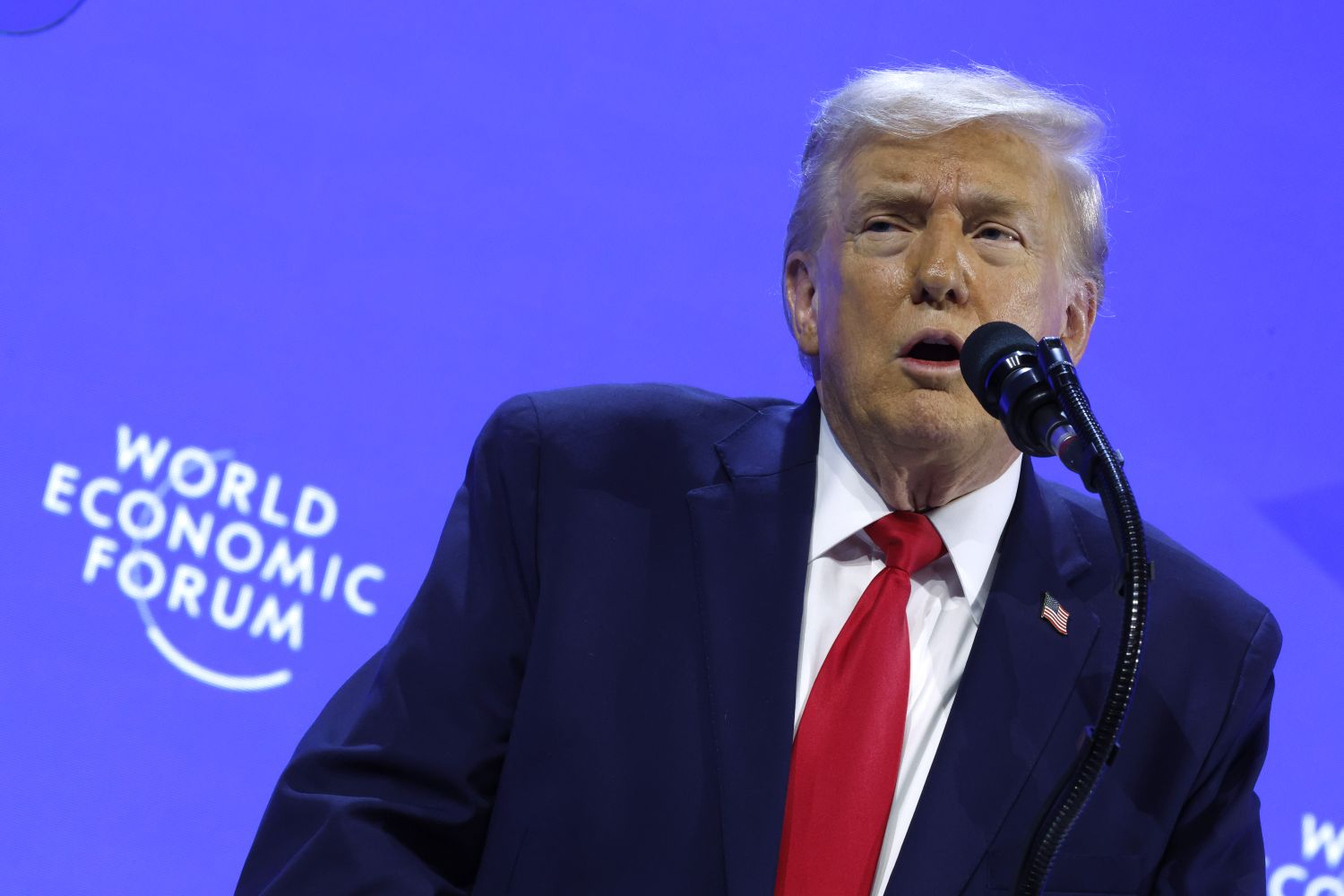
Core Insights - The ad featuring an AI-cloned voice of President Trump promotes Fannie Mae as a "protector of the American Dream" and highlights the administration's focus on housing affordability [1][2] - The ad is part of a broader initiative by the Trump administration to address housing market concerns, with Trump planning to discuss housing at the World Economic Forum [2][3] Company and Industry Summary - Fannie Mae and Freddie Mac, which have been under government control since the Great Recession, play a crucial role in the U.S. housing market by buying mortgages that meet their risk criteria, thus providing liquidity [3] - The two firms guarantee approximately half of the $13 trillion U.S. home loan market, making them essential to the stability of the U.S. economy [3] - The ad indicates that Fannie Mae will collaborate with the banking industry to approve more homebuyers for mortgages, reflecting a push to increase homeownership [4] - There are discussions about potentially selling shares of Fannie Mae and Freddie Mac on a major stock exchange, although no concrete plans have been established yet [4] - Trump and Bill Pulte have proposed extending the 30-year mortgage to 50 years to lower monthly payments, although this idea has faced criticism [5] - Trump announced plans for the federal government to purchase $200 billion in mortgage bonds to help reduce mortgage rates, leveraging the cash reserves of Fannie Mae and Freddie Mac [6] - Trump also expressed intentions to block large institutional investors from buying houses, aiming to facilitate home purchases for younger families [7]

Mortgage rates hit 3-year low after Trump's bond-buying announcement
Yahoo Finance· 2026-01-15 17:07
Core Insights - Mortgage rates have fallen to their lowest level in over three years, with the average 30-year mortgage rate at 6.06%, down from 6.16% last week, following President Trump's announcement for Fannie Mae and Freddie Mac to buy $200 billion in mortgage bonds [1][3] - The average 15-year mortgage rate decreased to 5.38% from 5.46%, influenced by the demand for mortgage-backed securities and Treasury yields [2][3] Group 1: Market Reaction - The announcement led to a significant increase in demand for mortgage-backed securities, resulting in rising bond prices and falling yields, which contributed to the lower mortgage rates [3] - Mortgage applications for home purchases surged by 16% and refinancing applications increased by 40% following the announcement, indicating a strong market response [3] Group 2: Future Expectations - The Mortgage Bankers Association (MBA) anticipates strong interest from homeowners seeking refinancing and potential buyers due to lower mortgage rates, although affordability remains a challenge [4] - Expectations are for mortgage rates to remain steady in the low-6% range throughout the year, which could support modest improvements in home sales, but any recovery is likely to be gradual due to affordability constraints [5]
US mortgage rates sink to 3-year low after Trump’s astonishing $200B order. Capitalize fast even if you’re a homeowner
Yahoo Finance· 2026-01-14 22:33
Core Viewpoint - President Trump's initiative to purchase $200 billion in mortgage bonds aims to lower borrowing costs and improve home affordability for Americans, coinciding with his proposal to ban large institutional investors from buying single-family homes [1][5]. Mortgage Market Impact - Following the announcement, the average interest rate for a 30-year fixed mortgage dropped to 5.99%, down from 6.21%, marking a significant 22-basis-point decrease [3][5]. - The bond-buying plan is expected to create a favorable environment for the housing market, as rising mortgage bond prices typically lead to lower interest rates [2][5]. Market Size and Limitations - The $200 billion in mortgage bonds represents only about 1.4% of the total U.S. mortgage market, which is approximately $14.5 trillion, suggesting limited impact on the overall housing market [6]. - The affordability gap remains significant, with a typical U.S. household needing an annual income of about $118,530 to afford a median-priced home of $402,500, which is over 50% higher than the current median household income of roughly $77,700 [6].