Napper

Search documents
抢救注意力和睡眠,一批App和硬件赚到了钱|回看2025 AI健康篇
3 6 Ke· 2026-02-21 02:23
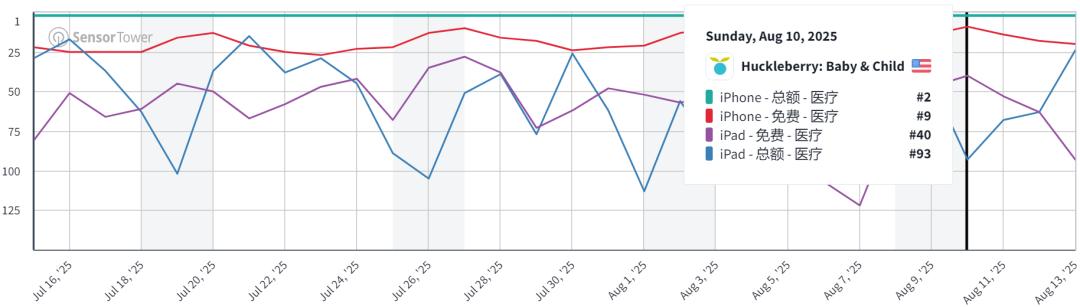
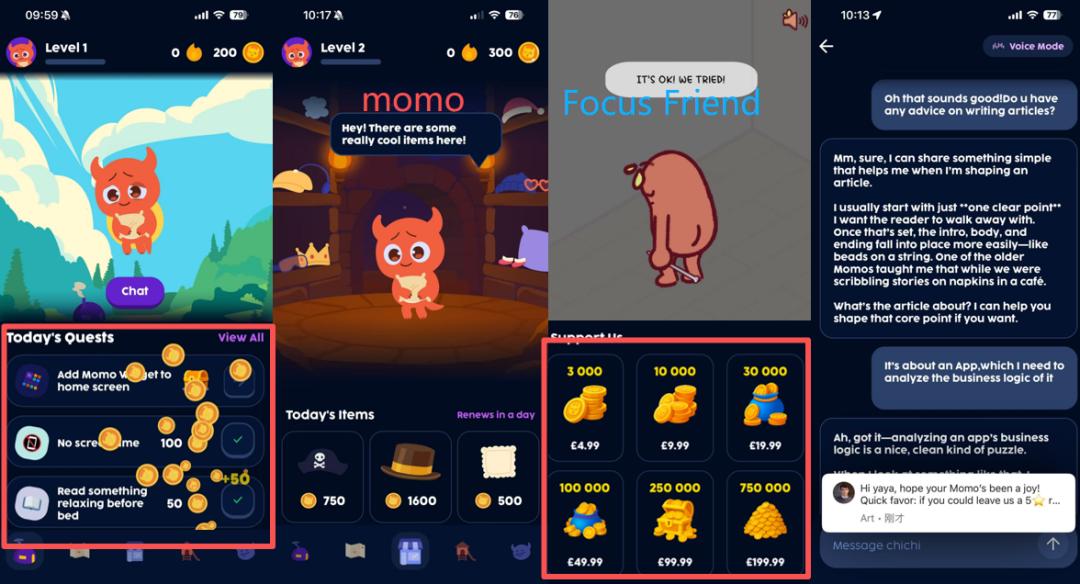
Core Insights - The health sector has seen a significant focus on concentration and sleep-related products, addressing the modern challenges of attention and sleep management in an information-overloaded era [1] Concentration Apps Evolution - The classic concentration app, Forest, introduced in 2014, utilized a "tree planting" mechanism to encourage user discipline through a punishment system [2] - By 2025, newer apps like Focus Friend and Self-Care Pet: Momo have shifted to a positive reinforcement model, where users act as "helpers" to virtual pets, reducing the pressure associated with traditional self-discipline apps [4][5] Domestic Market Trends - In the domestic market, products like Focus Flight and the Tyrant Mode app have emerged, focusing on visualizing concentration time and using AI to enforce focus, respectively [7] - These domestic apps exhibit a more tool-like nature compared to their emotional-driven counterparts, yet their commercial performance remains modest, with Focus Friend peaking at $500,000 in monthly revenue before declining [7] Alternative Concentration Methods - Endel, a German app, has carved a niche by using AI-generated soundscapes to aid concentration, maintaining a monthly revenue around $700,000, showcasing the potential of AI in non-content creation fields [8][9] Sleep App Commercialization - The sleep app market shows a higher commercialization ceiling, with innovative products like Lumenate using smartphone flashlights to aid sleep, which led to the development of complementary hardware [12][13] - Lumenate achieved a peak monthly revenue of $300,000, with its hardware raising nearly $1 million on Kickstarter, indicating a unique commercialization path [15] Targeted Marketing Strategies - The Japanese market, characterized by a high demand for sleep solutions, has seen success with products like Nightly, which uses brainwave technology to provide differentiated sleep experiences [16][17] - Nightly's effective marketing strategies resonated with young professionals and students, leading to its rise to the top of the iOS health app charts in Japan [17] Baby Sleep Monitoring Market - The baby sleep monitoring segment has emerged as a lucrative market, driven by new parents' high willingness to pay for solutions [18] - Apps like Huckleberry and hardware like Owlet and Nanit are competing in this space, with Huckleberry achieving monthly revenues of over $1 million through AI sleep predictions [20] - Brands like Hello Baby have successfully targeted the U.S. market by addressing parents' concerns about convenience and privacy, leading to significant market penetration [20]

AI带娃,月入千万
3 6 Ke· 2025-08-19 11:29
Core Insights - AI is transforming various aspects of life, including an unexpected area: monitoring baby sleep, which is a significant yet underestimated need for parents [1][4] - The global baby sleep monitoring hardware market is valued at $2.84 billion, with the North American baby sleep coaching app market at $158 million [1][4] - Huckleberry is the leading player in this market, generating $600,000 in monthly revenue and achieving over 100,000 downloads [5][6] Group 1: Market Overview - The baby sleep hardware monitoring market has reached $2.84 billion, driven by the high demand for solutions to help parents manage their babies' sleep [4] - AI applications in this sector are gaining traction, with Huckleberry being the most successful, while competitors like Napper and Nanit also report significant revenues [3][13] - The average parent sleeps less than 5 hours per night in the first six months postpartum, highlighting the market's potential [4] Group 2: Huckleberry's Features and Success - Huckleberry's primary feature is its ability to predict baby sleep patterns, providing parents with a sense of control through intuitive countdowns [6][12] - The app utilizes millions of data points to enhance prediction accuracy and automatically adjusts as the baby grows, covering critical stages from newborn to 2 years old [7][12] - Huckleberry's AI ChatBot feature allows parents to efficiently record various baby-related activities, significantly reducing their workload [8][10] Group 3: Competitive Landscape - Competitors like Napper and Nod offer similar functionalities but face challenges such as manual calibration and less comprehensive tracking [7][15] - Hardware products like Nanit and Owlet provide essential monitoring features but often struggle with connectivity and false alarms [19][23] - The market is evolving along two paths: low-cost, lightweight software services and high-priced, AI-integrated hardware products, both addressing parents' need for certainty [27]