Huckleberry

Search documents
抢救注意力和睡眠,一批App和硬件赚到了钱|回看2025 AI健康篇
3 6 Ke· 2026-02-21 02:23
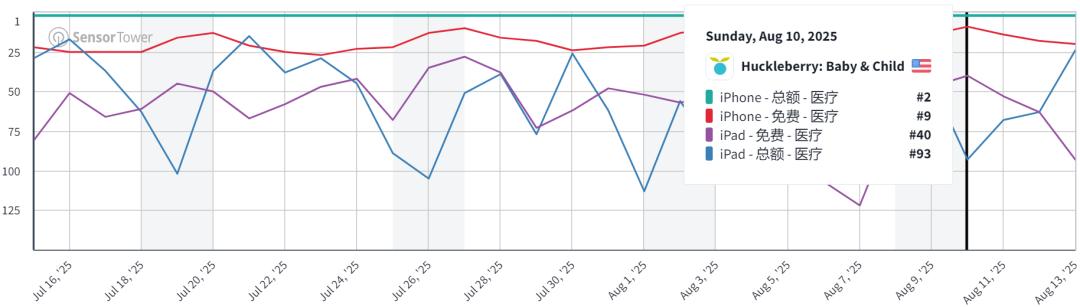
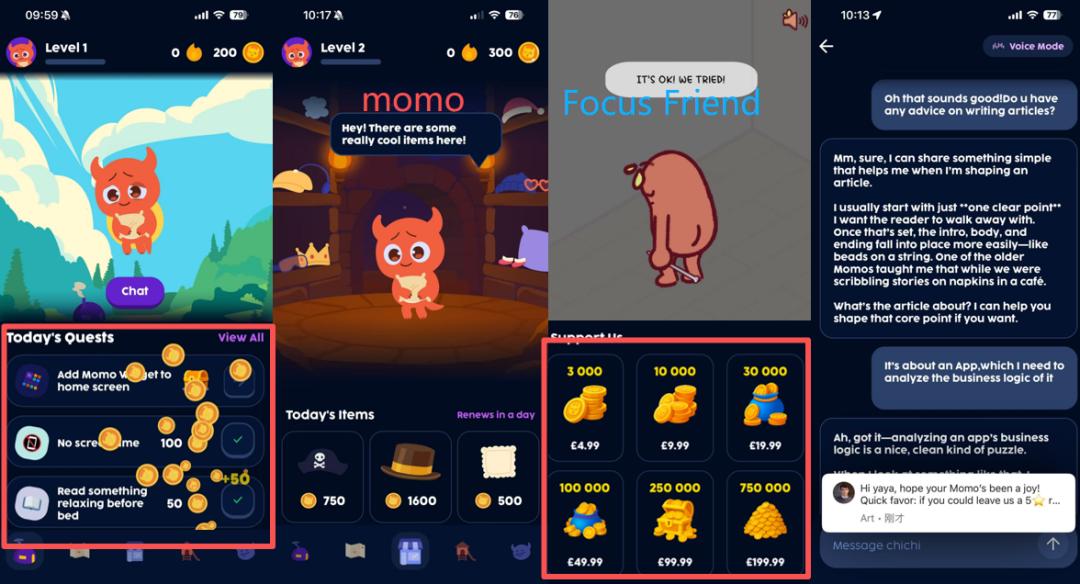
Core Insights - The health sector has seen a significant focus on concentration and sleep-related products, addressing the modern challenges of attention and sleep management in an information-overloaded era [1] Concentration Apps Evolution - The classic concentration app, Forest, introduced in 2014, utilized a "tree planting" mechanism to encourage user discipline through a punishment system [2] - By 2025, newer apps like Focus Friend and Self-Care Pet: Momo have shifted to a positive reinforcement model, where users act as "helpers" to virtual pets, reducing the pressure associated with traditional self-discipline apps [4][5] Domestic Market Trends - In the domestic market, products like Focus Flight and the Tyrant Mode app have emerged, focusing on visualizing concentration time and using AI to enforce focus, respectively [7] - These domestic apps exhibit a more tool-like nature compared to their emotional-driven counterparts, yet their commercial performance remains modest, with Focus Friend peaking at $500,000 in monthly revenue before declining [7] Alternative Concentration Methods - Endel, a German app, has carved a niche by using AI-generated soundscapes to aid concentration, maintaining a monthly revenue around $700,000, showcasing the potential of AI in non-content creation fields [8][9] Sleep App Commercialization - The sleep app market shows a higher commercialization ceiling, with innovative products like Lumenate using smartphone flashlights to aid sleep, which led to the development of complementary hardware [12][13] - Lumenate achieved a peak monthly revenue of $300,000, with its hardware raising nearly $1 million on Kickstarter, indicating a unique commercialization path [15] Targeted Marketing Strategies - The Japanese market, characterized by a high demand for sleep solutions, has seen success with products like Nightly, which uses brainwave technology to provide differentiated sleep experiences [16][17] - Nightly's effective marketing strategies resonated with young professionals and students, leading to its rise to the top of the iOS health app charts in Japan [17] Baby Sleep Monitoring Market - The baby sleep monitoring segment has emerged as a lucrative market, driven by new parents' high willingness to pay for solutions [18] - Apps like Huckleberry and hardware like Owlet and Nanit are competing in this space, with Huckleberry achieving monthly revenues of over $1 million through AI sleep predictions [20] - Brands like Hello Baby have successfully targeted the U.S. market by addressing parents' concerns about convenience and privacy, leading to significant market penetration [20]

Mine Permit Received Approving Mount Polley’s Life of Mine Plan
Globenewswire· 2025-08-29 20:55
Core Points - The Province of British Columbia has issued a permit amendment for the expansion and extension of mining activities at the Mount Polley Mine [1] - The expansion will extend the mine's operating life and allow for pit development and rock-storage area expansion within the existing site footprint [2] - The decision followed a joint review that included technical assessments, regulatory coordination, and consultations with First Nations, ensuring compliance with environmental protection standards [3] Company Overview - Imperial Metals Corporation is based in Vancouver and operates the Mount Polley mine (100% ownership), Huckleberry mine (100% ownership), and Red Chris mine (30% ownership), along with 23 greenfield exploration properties in British Columbia [5] Management Commentary - The President of Imperial stated that the permit is beneficial for the company, its workers, the local community, and First Nations partners, emphasizing the continuation of job creation and economic opportunities in the region [4]


AI带娃,月入千万
3 6 Ke· 2025-08-19 11:29
Core Insights - AI is transforming various aspects of life, including an unexpected area: monitoring baby sleep, which is a significant yet underestimated need for parents [1][4] - The global baby sleep monitoring hardware market is valued at $2.84 billion, with the North American baby sleep coaching app market at $158 million [1][4] - Huckleberry is the leading player in this market, generating $600,000 in monthly revenue and achieving over 100,000 downloads [5][6] Group 1: Market Overview - The baby sleep hardware monitoring market has reached $2.84 billion, driven by the high demand for solutions to help parents manage their babies' sleep [4] - AI applications in this sector are gaining traction, with Huckleberry being the most successful, while competitors like Napper and Nanit also report significant revenues [3][13] - The average parent sleeps less than 5 hours per night in the first six months postpartum, highlighting the market's potential [4] Group 2: Huckleberry's Features and Success - Huckleberry's primary feature is its ability to predict baby sleep patterns, providing parents with a sense of control through intuitive countdowns [6][12] - The app utilizes millions of data points to enhance prediction accuracy and automatically adjusts as the baby grows, covering critical stages from newborn to 2 years old [7][12] - Huckleberry's AI ChatBot feature allows parents to efficiently record various baby-related activities, significantly reducing their workload [8][10] Group 3: Competitive Landscape - Competitors like Napper and Nod offer similar functionalities but face challenges such as manual calibration and less comprehensive tracking [7][15] - Hardware products like Nanit and Owlet provide essential monitoring features but often struggle with connectivity and false alarms [19][23] - The market is evolving along two paths: low-cost, lightweight software services and high-priced, AI-integrated hardware products, both addressing parents' need for certainty [27]