NetApp AFX系统

Search documents
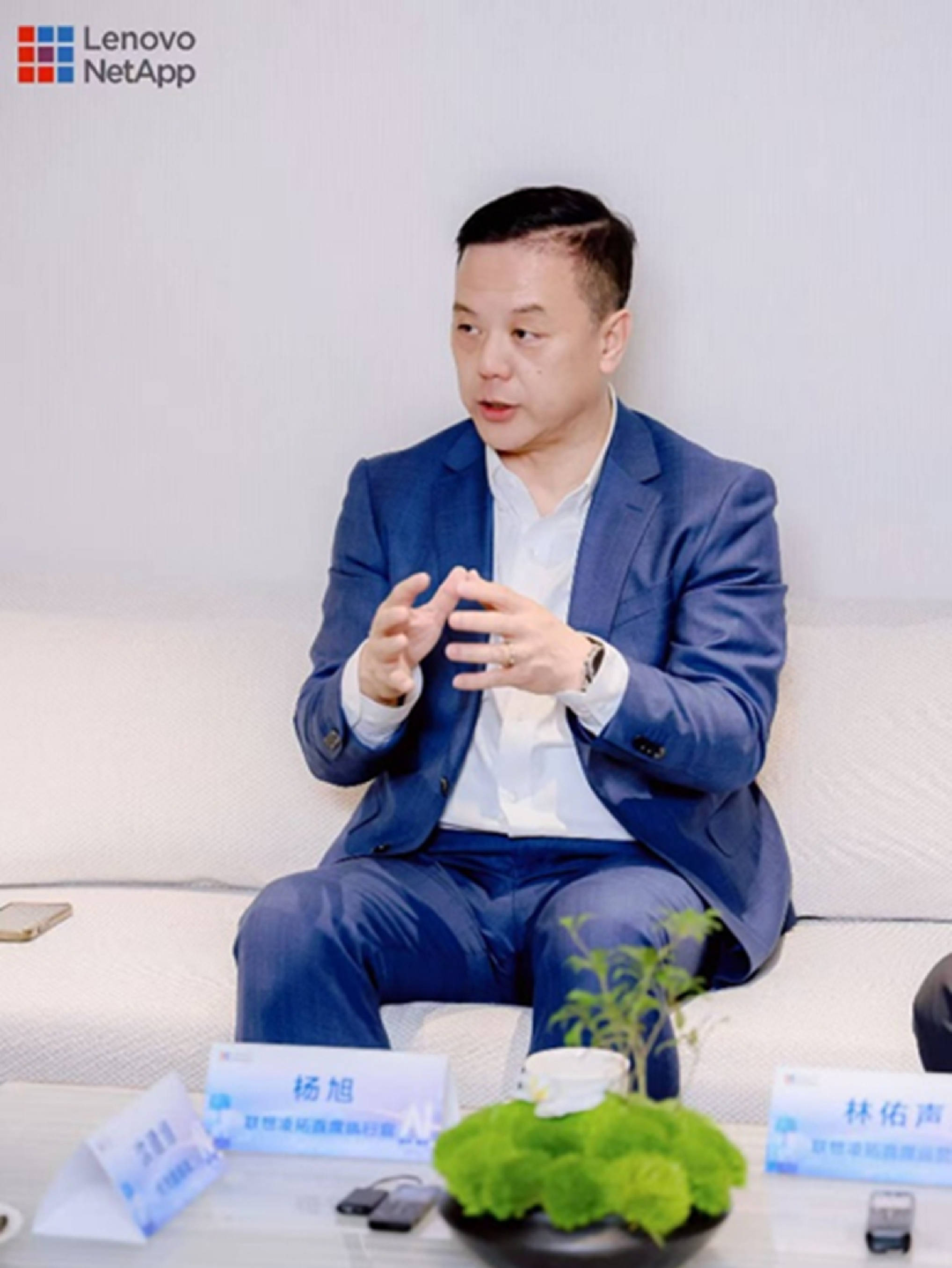
联想凌拓CEO杨旭:联想凌拓的定位不仅是技术供应商,更是“AI引路人”
Sou Hu Cai Jing· 2025-12-17 04:45
Core Insights - The article discusses the transition of "AI+" from a technical concept to real-world applications across various industries, emphasizing the importance of data infrastructure in enabling AI technology [1] - Lenovo's subsidiary, Lenovo Intelligent Technology, aims to assist Chinese enterprises in overcoming five major challenges in AI implementation, transforming data from a static "container" into a dynamic "intelligent engine" for business transformation [1][4] Group 1: Challenges in AI Implementation - The five core challenges hindering AI implementation include data quality and timeliness, high comprehensive costs, data security, technical collaboration and data access performance, and data silos [4][5] - Data quality and timeliness are critical as traditional data processing methods fail to meet the integration and real-time requirements of AI models [4] - The high costs associated with AI involve computing power, storage, networking, and model services, making resource coordination and investment optimization essential for clients [4] - Data security is paramount, especially in sensitive sectors like finance and healthcare, where data loss or tampering can have catastrophic consequences [4] - Technical collaboration and data access performance issues arise when computing, storage, and networking infrastructures do not work efficiently together, leading to performance bottlenecks [4][5] Group 2: Technological Solutions and Innovations - Lenovo Intelligent Technology adopts a flexible architecture approach to address the complexities of AI workloads, moving away from traditional integrated solutions [6] - The newly launched NetApp AFX system exemplifies this approach, allowing enterprises to scale storage or computing resources as needed, thus reducing overall ownership costs [6] - The AI Data Engine (AIDE) integrated into the NetApp AFX system automates data discovery, classification, and vectorization, supporting AI training without additional tools [6][7] Group 3: Industry-Specific Solutions - The Lenovo Intelligent Storage Agent (LiSA) serves as a smart data solution platform across various business scenarios, encapsulating industry knowledge into reusable solution templates [7][8] - In the healthcare sector, the "Emergency 1110 Disaster Recovery Integrated Solution" leverages snapshot capabilities for rapid data recovery, crucial for hospitals lacking IT support [8] - In manufacturing, LiSA has been successfully implemented in a large PCB manufacturing company, managing over 13PB of quality inspection data and significantly reducing storage costs by over 50% [8] Group 4: Ecosystem Collaboration and Future Outlook - Lenovo Intelligent Technology collaborates with independent software vendors (ISVs) to create joint solutions tailored to specific industry needs, enhancing their service offerings [9] - The company plans to expand its services beyond its own products to include those from other manufacturers, addressing the complexities of multi-vendor environments [9] - Looking ahead, Lenovo Intelligent Technology is exploring data needs in emerging fields such as civil aviation and satellite launches, aiming to leverage its technological advantages for global service delivery [10]

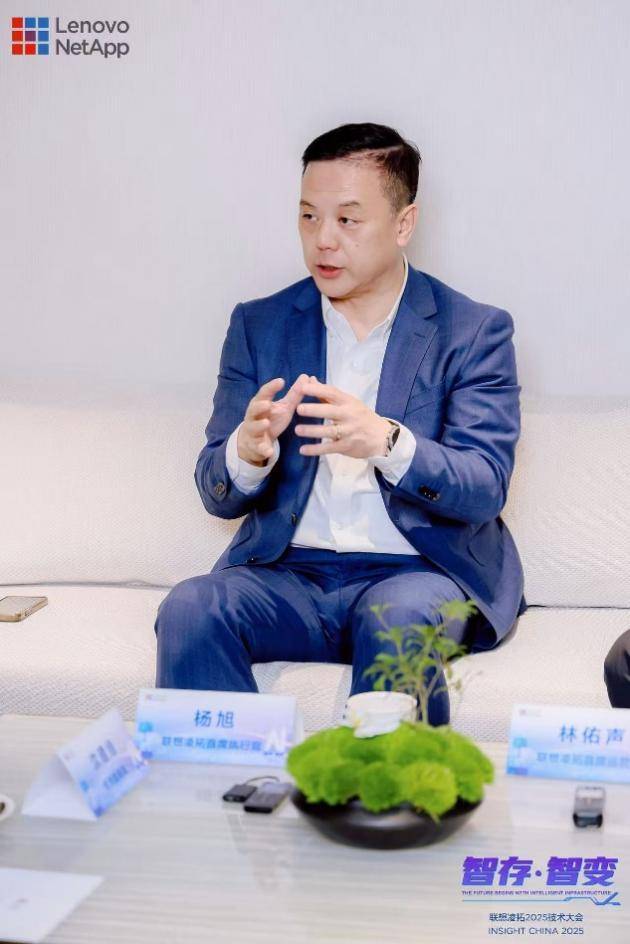
【产业观察】联想凌拓CEO杨旭:将数据转化为“知识”是AI时代的核心竞争力
Sou Hu Cai Jing· 2025-12-09 06:18
Core Insights - The article discusses the rapid growth and strategic importance of artificial intelligence (AI) in China, predicting that total investment in AI will reach $111.4 billion by 2029, with a compound annual growth rate (CAGR) of 25.7% [4] - It highlights the need for a transformation in data management to support AI deployment, emphasizing that data is the core asset that determines model quality and business efficiency [6][9] Industry Trends - China is positioned as a key growth engine in the Asia-Pacific AI market due to its vast application scenarios and supportive policies [4] - The integration of AI into traditional industries is creating new growth points in the data economy, with insights derived from data becoming crucial for business value [5] Company Developments - Lenovo launched innovative AI storage products at the "Smart Storage, Smart Change" conference, aimed at transforming data value in AI platforms and GenAI model training [6] - The company is shifting from product provision to offering industry ecosystem solutions, addressing the challenges of data management in AI deployment [6][9] Market Opportunities - The article notes that the AI development cycle in China is characterized by significant market applications and strong national strategies, presenting opportunities for companies to innovate [5][9] - Lenovo aims to be a reliable partner for businesses transitioning to AI, focusing on providing tailored solutions across various sectors, including finance, healthcare, and manufacturing [8][9]