
PPU 芯片

Search documents
曝阿里旗下芯片公司拟独立上市;苹果新 CEO 人选或曝光;比亚迪李云飞:公司是黑水军最大受害者 | 极客早知道
Sou Hu Cai Jing· 2026-01-23 02:13
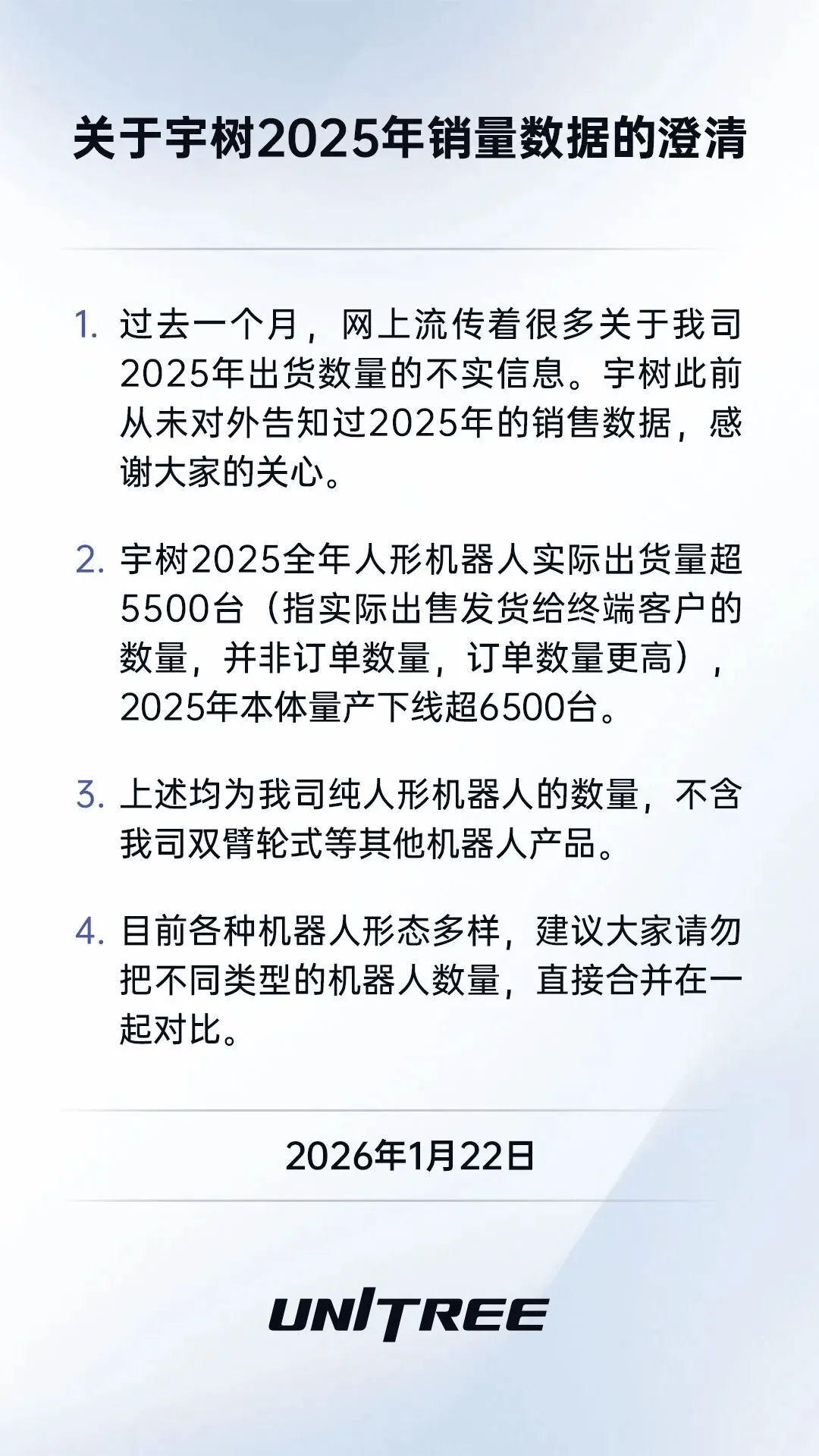
Group 1 - Alibaba Group has decided to support the independent listing of its chip company, T-head, with no comments from Alibaba at this time [1] - T-head's self-developed GPU chip, named PPU, features 96GB of HBM2e memory, a bandwidth of 700GB/s, and a power consumption of only 400W, surpassing Nvidia's A800 and mainstream domestic GPUs [1] - The first generation of T-head's PPU matches the performance of Nvidia's popular H20, while the upgraded version outperforms Nvidia's A100, leading to high demand in the market [1] Group 2 - Apple has expanded hardware chief John Ternus's responsibilities to include design management, signaling his potential as a successor to CEO Tim Cook [2] - Ternus's new role encompasses critical functions that have historically been held by senior leaders, emphasizing the importance of product design in Apple's success since the Steve Jobs era [2] Group 3 - UTree Technology reported that its humanoid robot shipments exceeded 5,500 units in 2025, with over 6,500 units of the main body produced, clarifying that these figures only include humanoid robots [4] - UTree emphasized the importance of not conflating different types of robots when comparing shipment numbers [4] Group 4 - Xiaomi Group announced a share buyback plan of up to HKD 2.5 billion, set to begin on January 23, 2026, and aims to demonstrate confidence in its business outlook [6][7] - The buyback will end on the earliest of the day before the 2026 annual shareholder meeting, when the buyback amount reaches HKD 2.5 billion, or if terminated under the brokerage agreement [6] Group 5 - BYD's brand and public relations manager stated that the company has been a major victim of black public relations and will pursue legal action against false information and malicious attacks [8] - BYD recently won a court case against a blogger for spreading false information, resulting in a compensation order of CNY 2.01 million [8] Group 6 - Vivo has reportedly halted its AI glasses project after six months of secret preparation, as executives determined that differentiation in the current market is challenging [9] - Following the project cancellation, Vivo will continue to focus on mixed reality (MR) technology [9] Group 7 - Meitu announced a stock reward of 1,357 shares for each employee, totaling over CNY 20 million, marking the third time since its IPO in 2016 that it has issued stock rewards to all employees [10] - The stock price has risen from below HKD 1 to over HKD 8, reflecting the company's improved performance [10] Group 8 - Hyundai Motor Group plans to deploy humanoid robots, specifically the Atlas robot developed by Boston Dynamics, with a factory set to produce 30,000 units annually by 2028 [11] - The announcement led to a positive market reaction, with Hyundai's stock reaching new highs, although the labor union expressed concerns about potential job losses due to automation [11] Group 9 - Nvidia's CEO Jensen Huang stated at the Davos Forum that the investment in AI infrastructure is just beginning, with several trillion dollars needed to fully develop the ecosystem [18] - Huang compared the investment in AI infrastructure to historical large-scale infrastructure projects, emphasizing the long-term vision for AI development [19]


计算机行业周观点第47期:2025年人工智能产业总结与回顾-20260104
Western Securities· 2026-01-04 06:55
Investment Rating - The industry is rated as "Overweight," indicating an expected increase in value exceeding 10% compared to the market benchmark index over the next 6-12 months [6]. Core Insights - The large model has entered a post-training and COT expansion phase, with the capabilities of the base model in 2025 likely remaining unchanged, as the GPT-5 series may still utilize the GPT-4o base model. The focus for 2025 will be on enhancing post-training and reasoning capabilities [1]. - Google's Gemini 3 model has achieved significant advancements in cross-modal dialogue, understanding, and content generation, but still faces challenges with logical coherence in complex scenarios and controllability of generated content, highlighting key areas for future technological breakthroughs [1]. - Domestic AI chip manufacturers have reached H-series performance levels, with advancements in interconnect speeds and software ecosystem capabilities. Notably, Alibaba's latest PPU chip has surpassed NVIDIA's A800 in key performance metrics, and Huawei's CloudMatrix 384 super node aims to optimize computing efficiency [2]. - The capabilities of robotic bodies have improved significantly, while the cognitive abilities of their "brains" lag behind, limiting their application to structured scenarios. The VLA model architecture has been criticized for its limitations in real-time reasoning in complex physical environments [3]. - The business models for AI applications are still under exploration, with domestic companies facing challenges in monetization despite high revenue growth rates, while international firms struggle with high computing costs and low profit margins [3].