Project Ara

Search documents
HMD Fusion 2续作来了,然而用户并不需要模块化手机
3 6 Ke· 2025-10-27 01:20
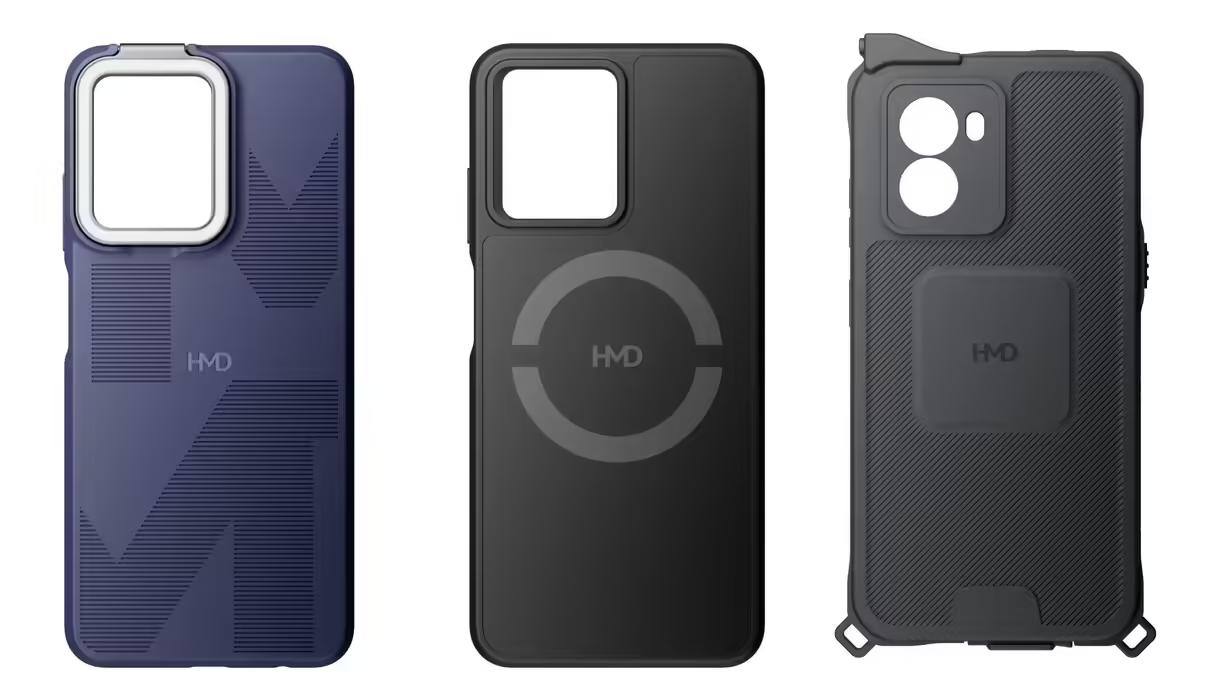
Core Viewpoint - HMD is launching its second modular smartphone, HMD Fusion 2, which continues the modular design concept of its predecessor, aiming to enhance device longevity and reduce electronic waste through user-replaceable components [1][3][11]. Group 1: Product Features - HMD Fusion 2 will allow users to easily replace camera modules, batteries, back covers, and some interface modules, promoting a more sustainable approach to smartphone usage [3][11]. - The modular design aims to address issues like battery aging and damaged components without requiring a full device replacement [11][13]. Group 2: Market Context - The concept of modular smartphones has been around for over 20 years, with early attempts like Google's Project Ara aiming to create customizable hardware ecosystems [3][5]. - Previous modular phones, such as LG G5 and Moto Z, faced poor sales and ultimately abandoned their modular features, indicating a lack of market acceptance [5][6][19]. Group 3: Challenges and Considerations - The high production and maintenance costs associated with modular designs, along with the complexity of smartphone internals, pose significant challenges for HMD Fusion 2 [6][13]. - The current market trend favors integrated designs that prioritize thinness, compactness, and durability, which conflict with the modular concept [17][19]. Group 4: Environmental and Consumer Trends - The rise of "repairability" and "sustainability" concepts in the tech industry, particularly in Europe and North America, has influenced HMD's approach to modularity [9][11]. - Despite the push for repairable devices, consumer habits lean towards convenience, with many preferring to replace rather than repair their smartphones [17][19].

可拆卸电池手机终于杀回来了,看完我是真想买啊
3 6 Ke· 2025-07-04 06:23
Core Viewpoint - The article discusses the concept of modular smartphones, highlighting the challenges and innovations in this area, particularly focusing on Google's Project Ara and FairPhone's sustainable approach to modular design [5][17][22]. Group 1: Project Ara - Google's Project Ara aimed to create a modular smartphone that could be customized like LEGO, allowing users to swap out components such as cameras and batteries [7][11]. - The project faced significant challenges, including high costs and difficulties in ensuring compatibility among various modules, ultimately leading to its cancellation [17][19]. - Despite the innovative concept, the complexity of developing a standardized system for modular components proved to be a major hurdle [20][22]. Group 2: FairPhone - FairPhone, a Dutch company established in 2013, focuses on sustainability and has successfully launched the world's first commercial modular smartphone [24][22]. - The latest model, FairPhone 6, continues the brand's tradition of offering a five-year warranty and eight years of system updates, emphasizing longevity and repairability [29][41]. - FairPhone's modular design allows users to easily replace broken parts, promoting a sustainable approach to smartphone usage [26][33]. Group 3: FairPhone 6 Specifications - FairPhone 6 features a 6.3-inch 1080P 120Hz LTPO OLED display and is powered by the Snapdragon 7s Gen3 chip, which is designed for energy efficiency [41][42]. - The device includes a 50MP main camera and a 13MP ultra-wide camera, providing decent photographic capabilities [44]. - Priced at approximately 4,986 RMB (599 Euros), the FairPhone 6 is positioned as a premium option, though it utilizes mid-range specifications [50].