Punkt MC03

Search documents
海外走红,国内克制,国产厂商的隐私投入,为何总是“点到为止”?
3 6 Ke· 2026-01-23 09:28
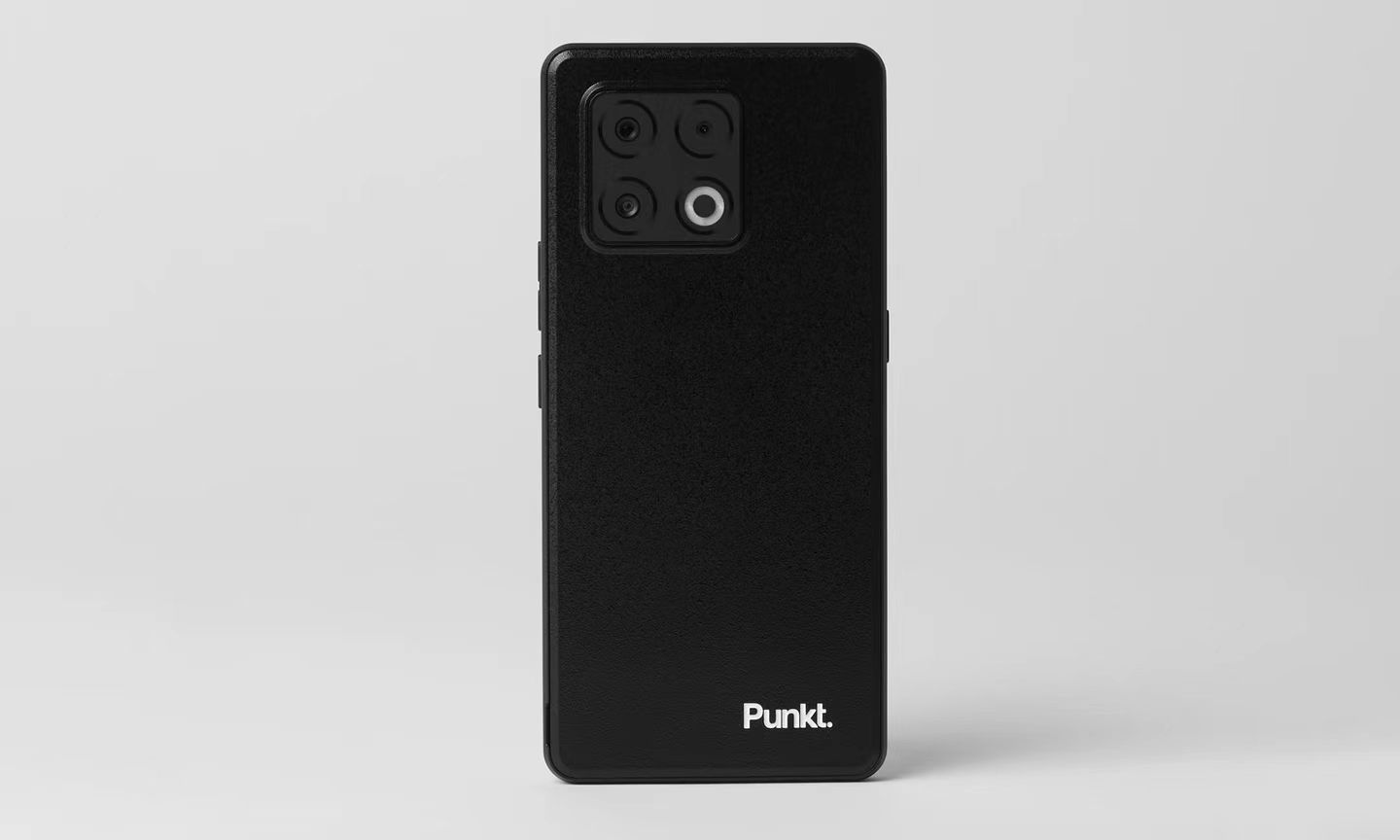
Core Viewpoint - The increasing concern over privacy in the context of advanced internet and smartphone technology highlights a growing demand for products that can effectively safeguard personal data while maintaining usability [1][12]. Group 1: Privacy Concerns and Market Demand - Users are increasingly aware of privacy risks associated with smartphones, leading to a demand for devices that can prevent data leaks from a hardware perspective [2][4]. - Punkt's MC03 privacy phone, showcased at CES 2026, offers a unique solution by categorizing applications into "closed" and "open" environments, allowing users to control permissions and isolate sensitive data [2][4]. - The phone can operate without Google services, addressing privacy concerns without sacrificing usability, emphasizing privacy as a top priority [4]. Group 2: Domestic Manufacturers' Approach - Domestic manufacturers are not neglecting privacy but are focusing on user experience, which often leads to fewer hardware-level privacy solutions [5][9]. - For instance, OPPO's Find X8 Ultra provides extensive privacy features, including detailed permission controls and alerts for sensitive actions, indicating a commitment to privacy [5]. - The complexity of implementing hardware-level privacy solutions in a mobile ecosystem that relies on frequent permissions and app interactions makes it challenging for manufacturers to prioritize such features [11]. Group 3: User Behavior and Privacy Trade-offs - Users have accepted a trade-off between convenience and privacy, often unconsciously agreeing to share data for a smoother experience [12][15]. - The pervasive nature of data collection in modern services has heightened sensitivity towards privacy breaches, leading to a demand for more robust privacy solutions [15][16]. - The concept of a privacy phone challenges the norm by suggesting that true privacy requires significant trade-offs, either through reduced app permissions or by adopting more stringent hardware controls [15][17]. Group 4: Future of Privacy in Technology - The future competition in privacy will not only focus on permission management but also on providing verifiable control over personal data [16][17]. - The notion that privacy should not come at the cost of convenience is emphasized, with the need for a balance between user control and seamless experience [20]. - As privacy becomes a fundamental expectation rather than an added benefit, manufacturers will need to adapt to meet these evolving consumer demands [18][20].

不卷影像卷形态,CES2026「奇葩」手机盘点:同质化当下的「非主流」答卷
3 6 Ke· 2026-01-12 00:44
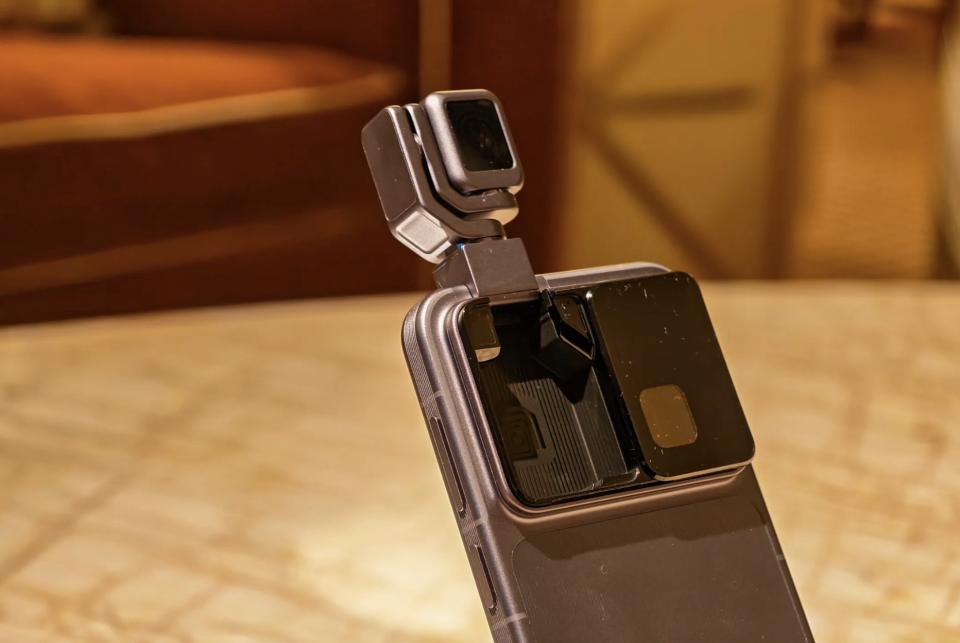
Core Insights - CES 2026 showcased innovative mobile devices that diverge from mainstream trends, emphasizing unique features and designs rather than traditional specifications [1][28]. Group 1: Unique Mobile Devices - Honor ROBOT PHONE features a large camera deco and a foldable camera capable of automatic composition and target tracking, addressing user pain points in action photography [3][4][6]. - Clicks Communicator resembles early BlackBerry phones with a physical keyboard and small screen, targeting niche users as a secondary device rather than a primary smartphone [8][10][12]. - iKKO MindOne presents a unique design with a square body and a nearly 1:1 screen ratio, offering features like AI assistance but lacking mainstream appeal [13][14][17]. Group 2: Innovative Display Technologies - Samsung introduced a new foldable OLED screen without visible creases, potentially setting a new standard for future devices, including Apple's upcoming iPhone Fold [18][20]. - TCL NXTPAPER 70 Pro features a custom LCD screen designed for eye comfort, catering to users who prefer LCD over OLED, and includes a focus mode to minimize distractions [21][23]. Group 3: Privacy-Centric Devices - Punkt MC03 emphasizes privacy by isolating applications into "trusted" and "open" environments, though this may compromise user convenience [25][27].