ROG游戏手机

Search documents
网传又一个玩家离场,华硕为何搞不定手机?
Feng Huang Wang Cai Jing· 2026-01-04 15:22
Core Viewpoint - ASUS is reportedly planning to exit the smartphone market, with no new smartphone releases planned for 2026, although the mobile division's operations will continue for now [1][2]. Group 1: Historical Context and Market Position - ASUS entered the mobile phone market in 2002, initially focusing on ODM for European operators, but struggled to establish brand recognition [2]. - The company launched its first self-branded phone, the J101, in 2003, marking the beginning of its branding journey [2]. - In 2008, ASUS acquired Garmin's smartphone business to differentiate itself in the market, but this partnership ended unsuccessfully due to the rise of the iPhone [2][3]. Group 2: Product Development and Strategy - ASUS attempted to penetrate the smartphone market with the ZenFone series in 2014, targeting high cost-performance ratios, which gained popularity in emerging markets [3]. - The launch of the ROG gaming phone in 2017 established a dual strategy for ASUS, focusing on mainstream with ZenFone and high-end with ROG [3]. Group 3: Challenges and Decline - After 2018, the smartphone market became increasingly competitive, with Chinese brands like Huawei and Xiaomi dominating [7]. - ASUS faced challenges in both cost-effectiveness and innovation, leading to a slowdown in product iterations and market presence [7]. - The mobile division has been a financial burden, with revenue from mobile devices consistently below 10% of total revenue and ongoing losses [8][9]. Group 4: Future Outlook - ASUS has indicated that the mobile division will see minimal activity by 2025, with a focus shifting back to its core PC business [7]. - The company is expected to concentrate on its main business areas, including AI, cloud computing, and smart ecosystems, while potentially exiting the smartphone market [10]. - ASUS's market share in the global PC market remains low, with the company ranking fifth behind Lenovo, HP, Dell, and Apple [11].

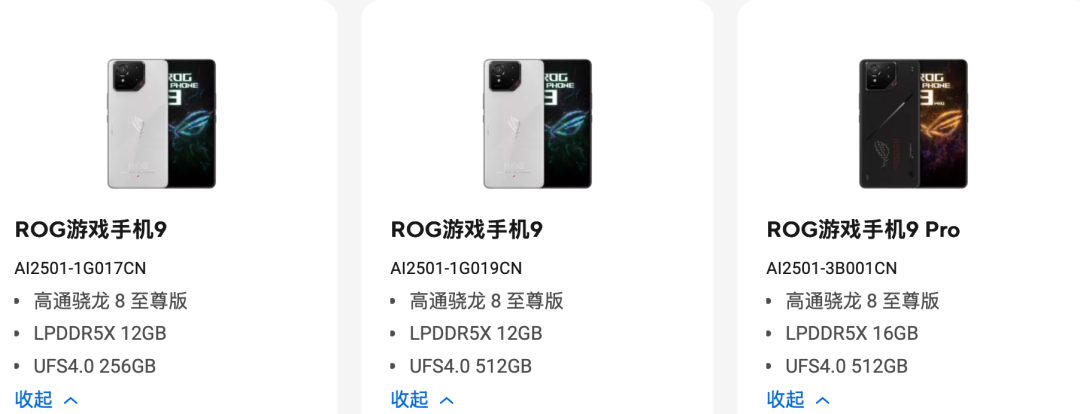
网传又一个玩家离场,华硕为何搞不定手机?
凤凰网财经· 2026-01-04 13:46
Core Viewpoint - ASUS is reportedly planning to exit the smartphone market, with no new smartphone releases planned for 2026, although the company has not officially confirmed this decision [1][3][4]. Group 1: ASUS's Smartphone History - ASUS entered the mobile phone market as early as 2002, initially focusing on ODM for European operators [3]. - The company launched its first self-branded phone, the J101, in 2003, marking the beginning of its brand recognition efforts [4]. - In 2008, ASUS acquired Garmin's smartphone business, launching the "Garmin-Asus" brand, but this partnership ended unsuccessfully due to the rise of the iPhone [4][5]. - The ZenFone series was introduced in 2014, targeting the budget market with high specifications, achieving significant popularity in emerging markets [5]. Group 2: Challenges and Decline - After 2018, the smartphone market became increasingly competitive, with Chinese brands like Huawei and Xiaomi dominating [7]. - ASUS struggled to compete in both the budget and innovation segments, leading to a decline in market presence and product iteration [7][9]. - The company faced significant losses in its mobile division, which accounted for less than 10% of total revenue and had been a financial burden for years [8][9]. Group 3: Current Situation and Future Outlook - ASUS's mobile division has been in a state of decline, with no new products planned and a focus on its core PC business [7][12]. - The company is shifting its strategy towards AI, cloud computing, and smart ecosystems, with plans to enter the memory module production sector in 2026 [12]. - The global PC market is showing growth, with ASUS ranking fifth in market share, indicating a stronger focus on its primary business [12].
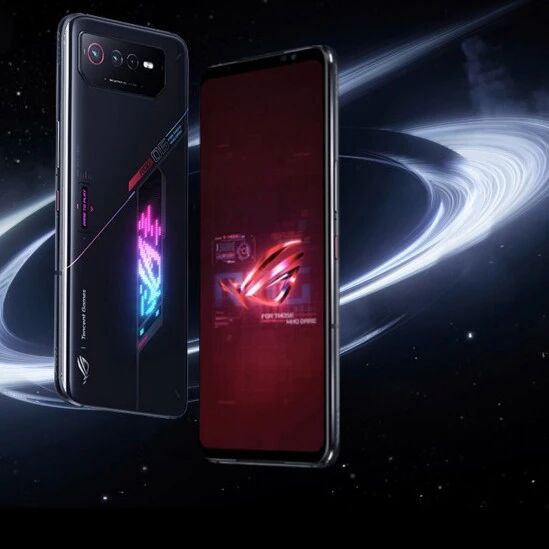
HTC要重返手机圈,可电竞手机真的能平价吗
3 6 Ke· 2025-10-22 13:07
Core Viewpoint - HTC, once a leader in the Android smartphone market, is attempting to pivot back to the smartphone industry by launching a budget-friendly esports phone, despite previous setbacks and a lack of alignment with current market trends [1][4]. Group 1: HTC's Market Position and Strategy - HTC has faced significant challenges, including a patent lawsuit loss and poor pricing strategies, leading to a diminished brand presence in the smartphone market [1]. - The company is now focusing on the virtual reality sector, hoping to regain its status as an innovator [1]. - At the GITEX 2025 tech exhibition, HTC unveiled several new devices, including a uniquely designed esports phone aimed at budget-conscious consumers [4]. Group 2: Understanding of the Esports Market - HTC's understanding of the esports market appears outdated, as the company is launching a budget esports phone that may not meet current consumer expectations [7]. - The esports industry has evolved significantly since its inception, with players now seeking high-performance hardware rather than just visually appealing designs [9][10]. - Early esports hardware was often criticized for being overpriced with minimal performance differences compared to standard products, focusing instead on flashy aesthetics [9][10]. Group 3: Performance and Features of the New Device - The new HTC esports phone features the Unisoc T765 chipset, which offers performance comparable to Qualcomm's Snapdragon 695, but may not deliver the high frame rates and smooth gaming experiences that modern gamers expect [10][12]. - Current gaming demands require devices to not only look appealing but also provide superior performance, which HTC's new offering may lack [12][14]. - Successful gaming phones, such as those from Red Magic and ROG, incorporate advanced features like high-end SoCs, optimized cooling systems, and dedicated gaming functionalities, which HTC's device does not seem to match [12][16].