SOS报警器

Search documents
居家适老化改造“工夫在诗外”
Xin Hua Wang· 2026-01-20 23:40
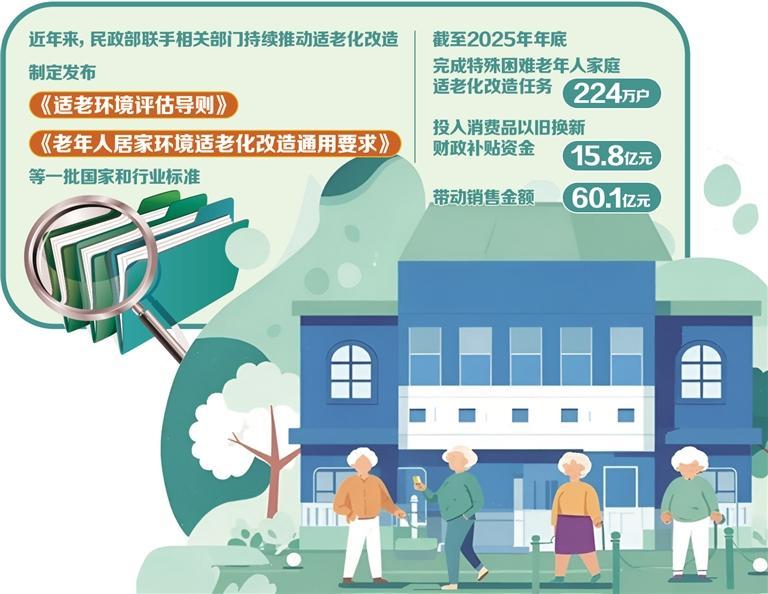
Core Viewpoint - The demand for age-friendly home modifications is increasing among the elderly population in China, which has surpassed 320 million, but many face barriers such as lack of understanding, financial constraints, and emotional connections to the modifications [2][3][4]. Group 1: Demand and Awareness - Many elderly individuals express a strong need for age-friendly modifications but are hindered by a lack of understanding and fear of trying new products [2][3]. - The initial step in home modifications often encounters a "cognitive barrier," where many elderly people resist the idea of needing such changes due to a mindset of "not feeling old" [3][4]. - There is a significant gap between the actual needs of the elderly and the products offered, leading to instances where modifications become unused or unwanted [3][4]. Group 2: Economic Barriers - Economic pressure is a major obstacle, as many elderly individuals, especially in rural areas, have limited financial resources and are reluctant to spend even with available subsidies [4]. - The consumption mindset among the elderly, particularly in economically disadvantaged areas, poses a challenge for the adoption of age-friendly products [4]. Group 3: Implementation and Satisfaction - After overcoming initial concerns, the elderly prioritize modifications that are thoughtful and durable, indicating a desire for long-term solutions [5]. - There is a disconnect between the actual needs of the elderly and the services provided, with many requiring practical items like electric wheelchairs that are not always available through existing programs [5][6]. - Issues such as the lack of ongoing support and the transition from free to paid services lead to dissatisfaction among elderly users [6]. Group 4: Emotional and Social Aspects - Age-friendly modifications should not only focus on physical upgrades but also on emotional connections and care, emphasizing the importance of companionship and social interaction for the elderly [7][8]. - Building trust and effective communication between elderly individuals, communities, and service providers is crucial for successful implementation of age-friendly modifications [7]. Group 5: Recommendations for Improvement - Suggestions include creating community platforms for showcasing age-friendly products, utilizing insurance funds for necessary modifications, and implementing consumer subsidies to alleviate financial burdens [7]. - Enhancing the human aspect of modifications by reducing implicit discrimination and fostering a sense of autonomy among the elderly is essential for successful integration into society [7].