
防滑地砖

Search documents
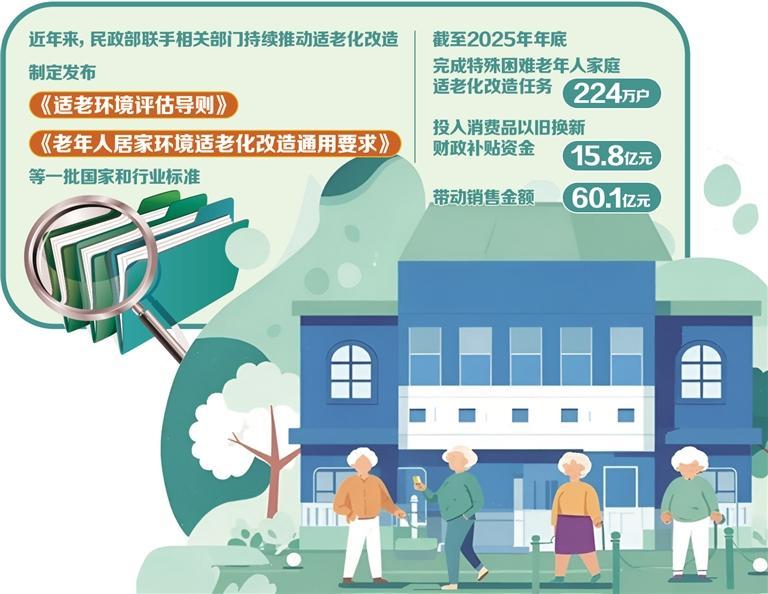
居家适老化改造“工夫在诗外”
Xin Hua Wang· 2026-01-20 23:40
Core Viewpoint - The demand for age-friendly home modifications is increasing among the elderly population in China, which has surpassed 320 million, but many face barriers such as lack of understanding, financial constraints, and emotional connections to the modifications [2][3][4]. Group 1: Demand and Awareness - Many elderly individuals express a strong need for age-friendly modifications but are hindered by a lack of understanding and fear of trying new products [2][3]. - The initial step in home modifications often encounters a "cognitive barrier," where many elderly people resist the idea of needing such changes due to a mindset of "not feeling old" [3][4]. - There is a significant gap between the actual needs of the elderly and the products offered, leading to instances where modifications become unused or unwanted [3][4]. Group 2: Economic Barriers - Economic pressure is a major obstacle, as many elderly individuals, especially in rural areas, have limited financial resources and are reluctant to spend even with available subsidies [4]. - The consumption mindset among the elderly, particularly in economically disadvantaged areas, poses a challenge for the adoption of age-friendly products [4]. Group 3: Implementation and Satisfaction - After overcoming initial concerns, the elderly prioritize modifications that are thoughtful and durable, indicating a desire for long-term solutions [5]. - There is a disconnect between the actual needs of the elderly and the services provided, with many requiring practical items like electric wheelchairs that are not always available through existing programs [5][6]. - Issues such as the lack of ongoing support and the transition from free to paid services lead to dissatisfaction among elderly users [6]. Group 4: Emotional and Social Aspects - Age-friendly modifications should not only focus on physical upgrades but also on emotional connections and care, emphasizing the importance of companionship and social interaction for the elderly [7][8]. - Building trust and effective communication between elderly individuals, communities, and service providers is crucial for successful implementation of age-friendly modifications [7]. Group 5: Recommendations for Improvement - Suggestions include creating community platforms for showcasing age-friendly products, utilizing insurance funds for necessary modifications, and implementing consumer subsidies to alleviate financial burdens [7]. - Enhancing the human aspect of modifications by reducing implicit discrimination and fostering a sense of autonomy among the elderly is essential for successful integration into society [7].

党建赋能适老化 贴心改造暖夕阳——汉阴县城东社区为行动不便老人打造“安全港湾”
Xin Lang Cai Jing· 2025-12-27 08:21
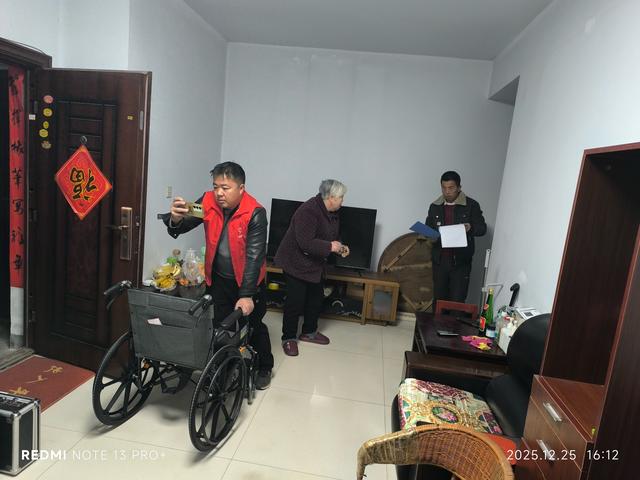
Core Viewpoint - The community party branch prioritizes the well-being of residents, focusing on the safety challenges faced by elderly individuals with mobility issues, and is implementing home modifications as a key initiative to enhance grassroots governance through party leadership [2][3]. Group 1: Community Initiatives - The community party branch organizes volunteers and grid members to visit elderly households, assessing their physical conditions, living environments, and modification needs to create a detailed renovation list [3]. - Key safety concerns such as slip prevention, fall protection, and mobility assistance are addressed through collaboration with professional teams to develop renovation plans [3]. - Modifications include installing handrails in bathrooms, laying non-slip tiles, adding bed rails in bedrooms, and optimizing kitchen counter heights, along with providing mobility aids and emergency call devices to eliminate safety hazards [3]. Group 2: Community Feedback and Future Plans - Feedback from residents, such as an elderly woman expressing gratitude for the installation of handrails, highlights the positive impact of the renovation efforts [3]. - The community party branch plans to continue focusing on the urgent needs of the elderly, enhancing the quality of elderly care services under the guidance of party leadership, and ensuring that community services are more effective and compassionate [3].
新京报发布《2025年新银龄生活方式报告》,梳理生活与消费八大趋势
Sou Hu Cai Jing· 2025-10-28 20:27
Core Insights - China is experiencing the largest and fastest aging process in human history, with the population aged 60 and above expected to reach 310 million by the end of 2024, accounting for 22% of the total population [1][2] - The aging population presents both challenges and opportunities, with the "silver economy" emerging as a significant growth area in China's economy [3][4] - The government is actively promoting policies to support the silver economy, expanding its scope to include individuals aged 50 to 60, indicating a shift towards a comprehensive life-cycle planning approach [5] Demographic Trends - By 2035, the elderly population is projected to exceed 400 million, representing over 30% of the total population, marking a transition to a severely aging society [2] - The silver economy is expected to reach 21.7 trillion yuan by 2035, accounting for 27.8% of total consumption and approximately 10.9% of GDP [3] Economic Implications - The silver economy is anticipated to grow to 63.5 trillion yuan by 2050, with a potential to approach 50 trillion yuan even under moderate growth scenarios [3] - The shift in consumer behavior among the elderly reflects a transition from passive acceptance to active choice, indicating a new lifestyle attitude centered around autonomy and enjoyment [5][21] Policy and Strategic Developments - The State Council has issued guidelines to enhance the well-being of the elderly, emphasizing the importance of developing a comprehensive silver economy [5] - The 20th Central Committee has elevated the silver economy to a national strategic level, focusing on optimizing the elderly care service system and promoting integrated medical and elderly care industries [5] Consumer Behavior and Preferences - The elderly population is increasingly prioritizing health management and home-based care, with 52.8% preferring home health care services [11][12] - There is a notable trend towards "quality aging," with a focus on comfort and practicality in consumer choices, as well as a growing interest in lifelong learning and skill acquisition [11][15][21] Technological Integration - Smart home technologies and health management systems are being adopted to enhance the independence and safety of the elderly, reflecting a shift towards more personalized and secure living environments [18][21]
