
居家适老化改造

Search documents
居家适老化改造公共样板间示范效应显现
Xin Lang Cai Jing· 2026-02-28 00:40
Core Viewpoint - The article discusses the development and significance of home aging transformation public sample rooms in China, highlighting their role in improving the living conditions of the elderly and promoting the silver economy through practical design and government support [3][4][5]. Group 1: Implementation and Features of Sample Rooms - The Beijing Municipal Development and Reform Commission released a plan in April 2024 to support the construction of multifunctional public sample rooms for home aging transformation, which include facilities like science popularization centers and experience halls [3][5]. - The public sample rooms serve as practical references for families considering home modifications for elderly members, showcasing various aging-friendly facilities and providing a one-stop service for assessment, modification, and consultation [7][8]. - The sample rooms are designed to cater to the specific needs of elderly individuals, with modifications such as handrails, mobile toilets, and adjustable tables tailored to their physical conditions [5][6]. Group 2: Economic and Social Implications - The promotion of home aging transformation public sample rooms is expected to drive the silver economy by enhancing the demand for aging-friendly products and services, thus facilitating industry upgrades [9][10]. - The sample rooms not only benefit the elderly but also stimulate economic activity, as many seniors place orders for products after experiencing the sample room setups, with government subsidies making modifications affordable [8][9]. - The development of these sample rooms addresses the current market gap in aging-friendly products, promoting a more refined and diverse range of offerings in the industry [9][10]. Group 3: Legal and Policy Support - Legal frameworks and policies are crucial for the effective implementation of home aging transformation initiatives, with suggestions to incorporate relevant regulations into existing laws to enhance the promotion of public sample rooms [10][11]. - Recommendations include utilizing live broadcasts for promotion, providing comprehensive services for design and installation, and ensuring that modifications are tailored to individual needs [11][12]. - The establishment of public sample rooms is seen as a foundational step towards broader implementation of aging-friendly modifications in communities, with a focus on adapting to the unique characteristics of different neighborhoods [12][13].

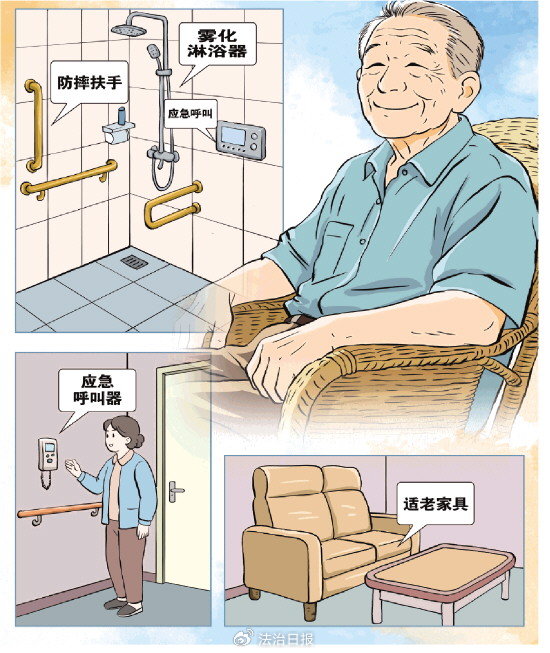
居家适老化改造的“北京方案”
Bei Jing Shang Bao· 2026-02-04 16:12
Group 1: Industry Development - The "home elderly care transformation" service in Beijing is evolving from standardized supply to personalized adaptation, reflecting a new paradigm in elderly care products [2] - The Beijing Municipal Development and Reform Commission has launched the first batch of 9 public sample rooms for home elderly care transformation, covering 7 districts, indicating a systematic approach to industry development [3] - The elderly care market in Beijing is currently in a "policy guidance, demand release, and industry upgrade" golden development period, with a comprehensive industry chain emerging [3] Group 2: Economic Impact - The elderly population in Beijing is projected to exceed 5 million by the end of 2024, indicating a significant demographic shift and a growing market for elderly care services [4] - The output value of elderly care industry enterprises in Beijing has increased from 25.773 billion to 139.288 billion from 2010 to 2023, a growth of 4.4 times, highlighting the economic potential of the silver economy [5] - The consumption scale of individuals aged 60 and above in Beijing has risen from 55.8 billion to 291.4 billion, with an annual growth rate of 14.76%, signaling a robust market demand [5] Group 3: Strategic Direction - The home elderly care transformation is seen as a strategic direction for the home furnishing industry, expanding from single products to comprehensive solutions including smart home and renovation services [6] - Companies are actively responding to the growing elderly care market by developing standards and creating sample rooms to meet the needs of elderly residents [5][6]
省人大代表审议省人大常委会工作报告和省两院工作报告、审查有关草案和报告
He Nan Ri Bao· 2026-01-27 23:10
Group 1 - The provincial representatives discussed various reports including the work report of the Provincial People's Congress, the Provincial High People's Court, and the Provincial People's Procuratorate, as well as the draft of the "14th Five-Year" plan and budget reports [1] - The representatives expressed a consensus that the Provincial People's Congress has effectively addressed the needs of the people and focused on essential reforms, delivering a responsible and innovative performance report [1] - The "14th Five-Year" plan draft emphasizes a people-centered development approach, outlining a blueprint for the province's development over the next five years [1] Group 2 - Discussions among representatives focused on key issues such as the healthy growth of minors, enhancing elderly care services, and stimulating cultural innovation, reflecting public concerns [2] - Suggestions included strengthening the prevention of juvenile crime through comprehensive digital literacy education in schools and reinforcing family supervision responsibilities [2] - Proposals also highlighted the need for increased subsidies for home modifications for the elderly, improved management and training for caregivers, and fostering new digital cultural industries to integrate culture and technology [2]
居家适老化改造“工夫在诗外”
Xin Hua Wang· 2026-01-20 23:40
Core Viewpoint - The demand for age-friendly home modifications is increasing among the elderly population in China, which has surpassed 320 million, but many face barriers such as lack of understanding, financial constraints, and emotional connections to the modifications [2][3][4]. Group 1: Demand and Awareness - Many elderly individuals express a strong need for age-friendly modifications but are hindered by a lack of understanding and fear of trying new products [2][3]. - The initial step in home modifications often encounters a "cognitive barrier," where many elderly people resist the idea of needing such changes due to a mindset of "not feeling old" [3][4]. - There is a significant gap between the actual needs of the elderly and the products offered, leading to instances where modifications become unused or unwanted [3][4]. Group 2: Economic Barriers - Economic pressure is a major obstacle, as many elderly individuals, especially in rural areas, have limited financial resources and are reluctant to spend even with available subsidies [4]. - The consumption mindset among the elderly, particularly in economically disadvantaged areas, poses a challenge for the adoption of age-friendly products [4]. Group 3: Implementation and Satisfaction - After overcoming initial concerns, the elderly prioritize modifications that are thoughtful and durable, indicating a desire for long-term solutions [5]. - There is a disconnect between the actual needs of the elderly and the services provided, with many requiring practical items like electric wheelchairs that are not always available through existing programs [5][6]. - Issues such as the lack of ongoing support and the transition from free to paid services lead to dissatisfaction among elderly users [6]. Group 4: Emotional and Social Aspects - Age-friendly modifications should not only focus on physical upgrades but also on emotional connections and care, emphasizing the importance of companionship and social interaction for the elderly [7][8]. - Building trust and effective communication between elderly individuals, communities, and service providers is crucial for successful implementation of age-friendly modifications [7]. Group 5: Recommendations for Improvement - Suggestions include creating community platforms for showcasing age-friendly products, utilizing insurance funds for necessary modifications, and implementing consumer subsidies to alleviate financial burdens [7]. - Enhancing the human aspect of modifications by reducing implicit discrimination and fostering a sense of autonomy among the elderly is essential for successful integration into society [7].
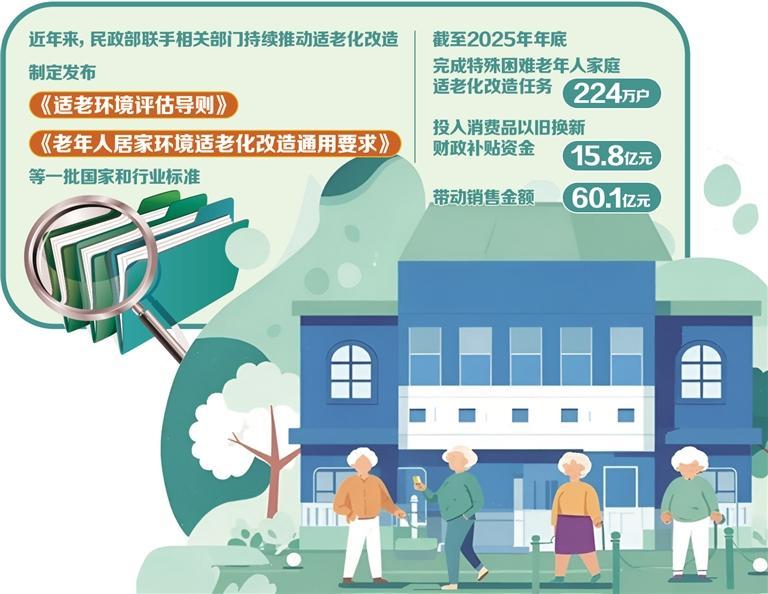
既要洞悉需求 又要打通痛点 让家里更“适老”没那么简单
He Nan Ri Bao· 2025-11-04 23:21
Core Viewpoint - The article highlights the importance of home modifications for the elderly in China, emphasizing the need for safety, convenience, and comfort in their living environments, especially as a significant portion of the elderly population prefers to age at home [8][10][12]. Group 1: Industry Trends - The aging population in China is driving demand for home modifications, with approximately 90% of elderly individuals choosing to live at home, necessitating adaptations to their living spaces [8]. - The government is actively promoting home modifications for elderly individuals, particularly targeting those with special needs, through various subsidy programs [10][14]. - Companies are increasingly entering the elderly care market, developing products specifically designed for older adults, such as adjustable washbasins and multi-functional walking sticks [12][13]. Group 2: Government Initiatives - The Henan provincial government plans to complete home modifications for 214,000 elderly individuals during the 14th Five-Year Plan period, focusing on those with special difficulties [11]. - A subsidy program has been introduced to support elderly individuals in purchasing home modification products, covering various aspects such as bathroom and kitchen renovations [14]. - As of the end of 2024, 8,453 homes for special needs elderly individuals in Xuchang City have undergone modifications, with a focus on safety features [10]. Group 3: Market Dynamics - The market for elderly care products is evolving, with a shift from commercial and office furniture to products tailored for elderly consumers, reflecting the rise of the silver economy [12]. - Popular products in the subsidy program include hearing aids and adjustable toilets, indicating a strong demand for essential items among elderly consumers [14][15]. - There is a growing recognition that home modifications not only enhance the quality of life for the elderly but also reduce long-term healthcare costs, presenting a compelling economic case for such investments [15].
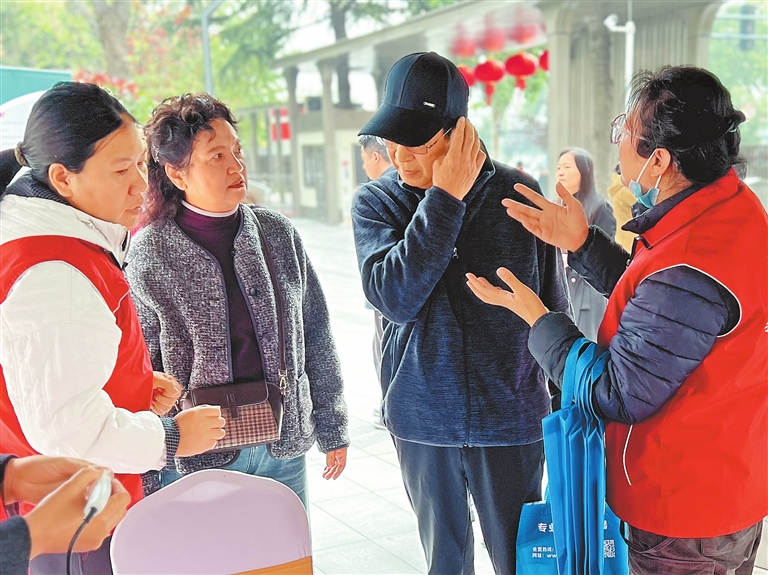
新华视点丨居家适老化改造,如何改到老年人心坎儿上?
Xin Hua She· 2025-10-30 02:23
Core Viewpoint - The article emphasizes the importance of home-based elderly care and the ongoing efforts to enhance the safety, convenience, and comfort of elderly living environments through home modifications [1][2]. Group 1: Current State of Home Modifications - Home modifications for the elderly have shown initial positive results, with examples such as the installation of non-slip mats and smart toilets in homes, significantly improving the quality of life for seniors [2]. - As of the end of 2024, the elderly population aged 60 and above in China is projected to exceed 310 million, with approximately 90% of seniors preferring to age at home [2]. Group 2: Government Initiatives and Policies - Various regions in China have implemented policies to promote home modifications for the elderly, including subsidies for purchasing elderly-friendly products [4]. - In 2024, Zhejiang province completed modifications for 64,900 households, with subsidy funds amounting to 603 million yuan [4]. Group 3: Challenges and Recommendations - There are challenges in the precision of modifications, as some products are not user-friendly for the elderly, leading to ineffective outcomes [6]. - Experts suggest that modifications should involve the elderly in the planning process and that a resource database for service providers should be established to facilitate better access to services [9]. Group 4: Service Support and Professionalization - The article highlights the need for ongoing support and professional services in home modifications, as many elderly individuals struggle with using smart devices without proper guidance [10]. - Recommendations include encouraging professionals from various fields to participate in home modification projects to enhance service quality [10].
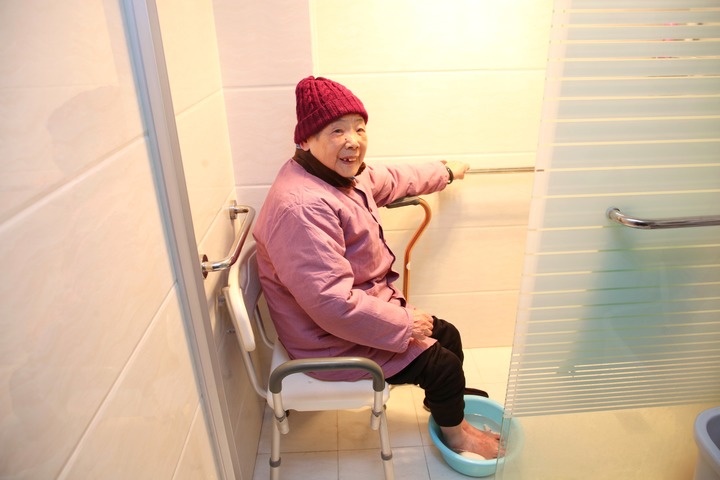
居家适老化改造,如何改到老年人心坎儿上?
Xin Hua She· 2025-10-29 19:22
Core Insights - The article emphasizes the importance of home-based elderly care and the ongoing efforts to enhance the safety, convenience, and comfort of elderly living environments in China [1][2]. Group 1: Current State of Home Adaptation - Home adaptation for the elderly has shown initial positive results, with significant improvements in living quality reported by residents after renovations [2]. - As of the end of 2024, the elderly population aged 60 and above in China is projected to exceed 310 million, with approximately 90% preferring to age at home [2]. Group 2: Government Initiatives and Policies - Various regions have implemented policies for home adaptation, including subsidies for elderly families purchasing adaptive products, with Zhejiang province completing 64,900 adaptations and disbursing 603 million yuan in subsidies in 2024 [4][5]. - The "14th Five-Year Plan" supports 2.24 million households of special needs elderly for home adaptations, promoting a "15-minute elderly care service circle" for enhanced community support [5]. Group 3: Precision in Adaptation - The need for tailored home adaptation solutions is highlighted, as elderly individuals have diverse physical and economic conditions, necessitating personalized approaches [6][9]. - Some existing adaptive products are criticized for being overly complex or energy-consuming, failing to meet the specific needs of the elderly [6]. Group 4: Service Support and Professionalization - There are concerns regarding insufficient service support for home adaptations, with some elderly individuals struggling to use provided smart devices due to lack of guidance [10]. - Recommendations include encouraging professionals from various fields to participate in home adaptation projects to enhance service quality and effectiveness [10][13]. Group 5: Future Directions - The article suggests that future adaptations should integrate community living environment improvements with home adaptations, ensuring a comprehensive approach to elderly care [13]. - Establishing a resource database for adaptive services and products is recommended to facilitate access for families in need [9].
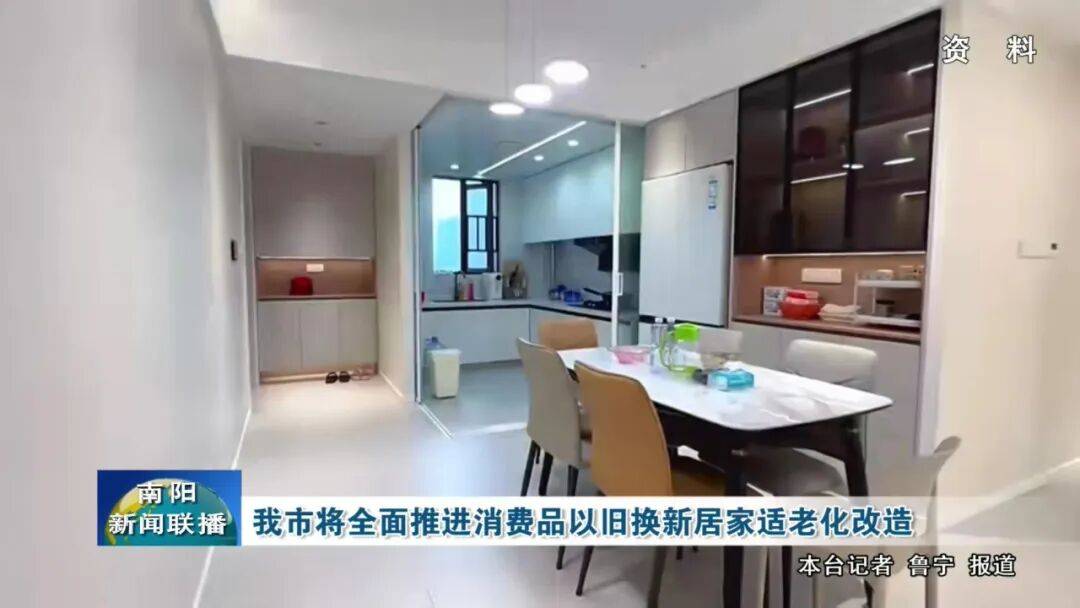
南阳将全面推进消费品以旧换新居家适老化改造
Sou Hu Cai Jing· 2025-09-26 01:49
Core Points - The initiative aims to enhance the safety, convenience, and comfort of elderly individuals living at home through a home renovation subsidy program in Nanyang City [1][3] - The program follows principles of voluntary renovation, need-based modifications, first-come-first-served subsidy distribution, and limits the subsidy to one property per elderly individual [3] Subsidy Details - Elderly individuals aged 60 and above residing in Nanyang City can apply for the subsidy when purchasing home renovation products for elderly adaptation [3] - The subsidy covers 30% of the total purchase cost, with a maximum subsidy of 12,000 yuan per property [3] - Unused subsidy amounts reset at the end of each month, allowing for reapplication in the following month if not utilized [3]
2025北京市居家适老化改造设计创新大赛启动
Ren Min Wang· 2025-08-29 07:23
Core Points - The "2025 Beijing Home Aging Transformation Design Innovation Competition" has been officially launched, inviting designers, engineers, enterprises, and university students to participate in creating safe and comfortable living spaces for the elderly [3][12]. - The competition aims to integrate emotional care into home aging transformation designs, focusing on practical solutions that enhance the quality of life for seniors [3][5]. Group 1: Competition Overview - The competition is guided by several governmental and academic institutions, including the Beijing Development and Reform Commission and Tsinghua University Future Lab [2]. - Participants can submit designs in three categories: completed transformation projects, conceptual design proposals, and intelligent equipment design based on the needs of elderly residents [6][7][8]. Group 2: Submission Requirements - Submissions must include detailed design plans, including spatial layouts, material choices, and innovative features that cater to the physical and emotional needs of the elderly [5][9]. - Each submission must be accompanied by a registration form, design drawings, and a video showcasing the design's effectiveness, with specific format and quality requirements outlined [10][14]. Group 3: Awards and Recognition - Awards will be given in various categories, with certificates provided to winners, although no monetary prizes will be awarded [14]. - Selected designs will be showcased on the "People's Health" app and may be prioritized for implementation in public demonstration projects [12].

重庆居家适老化改造最高补贴3000元 采用消费立减方式直接兑现
Zhong Guo Chan Ye Jing Ji Xin Xi Wang· 2025-08-15 01:17
Group 1 - The Chongqing government has launched a subsidy policy for home modifications aimed at elderly residents aged 60 and above, providing up to 3000 yuan in direct consumption subsidies [1] - The subsidy covers 20% of the purchase price of eligible products, with a maximum total subsidy of 3000 yuan per person [1] - Eligible elderly individuals can apply for the subsidy through the "Yukuaiban" mobile app, where they can obtain a "purchase code" after approval [1] Group 2 - The subsidy program focuses on five core needs: safety in toileting and bathing, convenience in indoor mobility, improvement of home environment, smart monitoring, and adaptation of assistive devices [2] - It includes 39 categories of home modification products across seven major areas, such as anti-slip flooring, nursing beds, bathroom aids, kitchen equipment, physical environment modifications, smart monitoring devices, and assistive tools [2]