Small Home Appliances

Search documents
原材料价格上涨对白电龙头影响有限,白电1-2月排产增速环比改善 | 投研报告
Zhong Guo Neng Yuan Wang· 2026-02-03 09:51
Core Viewpoint - Recent increases in copper and other raw material prices have raised concerns about the profitability of leading white goods companies, but historical analysis shows that the negative impact of rising raw material costs on gross margins has gradually diminished, suggesting that these companies can maintain profitability through structural adjustments and cost savings [1][2]. Raw Material Price Impact - Since 2008, the home appliance industry has experienced three significant raw material price increase cycles, with the impact on gross margins decreasing over time: during 2009-2011, the maximum quarterly gross margin decline for leading white goods companies was 5-7 percentage points; in 2016-2017, it was around 5 percentage points; and from 2020-2022, it was about 2 percentage points [2]. - In January 2026, the average monthly closing prices for copper and aluminum on the SHFE showed year-on-year increases of 36.7% and 20.9%, respectively, which are lower than the increases seen from 2020-2022, indicating that the current raw material cost increase may have a lesser impact on white goods companies [2]. Production and Demand Trends - In February, the total production of white goods in China reached 23.79 million units, a year-on-year decrease of 22.1%, with a cumulative decline of 5.0% for January-February [3]. - The production of air conditioners, refrigerators, and washing machines showed varying degrees of decline compared to the previous year, with air conditioners down 31.6%, refrigerators down 17.0%, and washing machines down 3.2% [3]. - The impact of the Spring Festival timing has put pressure on production, but cumulative growth rates have shown slight improvement, and demand is expected to stabilize due to the effects of national subsidy policies [3]. Retail Market Performance - In 2025, the retail scale of China's home appliance market was 893.1 billion yuan, a year-on-year decline of 4.3%, with specific categories like air conditioners and refrigerators experiencing declines of 0.4% and 11.5%, respectively [4]. - Small home appliances performed relatively well, with an overall retail growth of 3.8%, indicating resilience in this segment despite the overall market downturn [4]. Investment Recommendations - The report recommends investing in leading white goods companies such as Midea Group, Haier Smart Home, TCL Technology, and Hisense Home Appliances, as well as in black goods and small appliances [4].
12月开始,四大“跳水潮”要来了?除了房子,这三样也会更便宜
Sou Hu Cai Jing· 2025-12-09 07:35
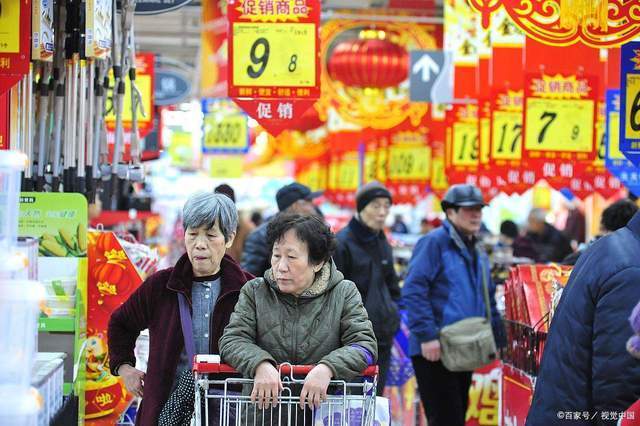
Group 1: Price Trends in Consumer Goods - The cost of daily necessities such as rice, toiletries, cooking oil, and paper products has increased significantly, with supermarket visits now costing between 300 to 500 yuan compared to just over 200 yuan previously [1] - The price of lunch boxes has risen from 15-16 yuan to 20-25 yuan, indicating a general increase in living costs for consumers [1] Group 2: Real Estate Market - New housing prices have started to decline, with developers offering discounts of 15-20% to boost sales before year-end, following a disappointing sales season [5] - The increase in second-hand housing listings has led to greater negotiation power for buyers, with potential price reductions of 200,000 to 300,000 yuan [5] Group 3: Automotive Market - The automotive market is experiencing a "price drop wave," with domestic and foreign brands reducing prices, particularly electric vehicles seeing reductions of 20,000 to 30,000 yuan and luxury imports by 80,000 to 100,000 yuan [7] - The decline in prices is attributed to year-end sales strategies, rapid technological advancements, and increased competition between fuel and electric vehicles [7] Group 4: Small Appliances - Small appliances such as rice cookers, vacuum cleaners, and juicers are undergoing clearance sales with average price reductions of 15-20% [10] - The clearance promotions are driven by the need for manufacturers to clear inventory and the fast-paced product updates in the small appliance sector [10] Group 5: Pork Prices - Pork prices have decreased significantly from over 30 yuan per jin to 17-18 yuan per jin, representing a drop of over 40% [13] - Factors contributing to the decline include oversupply due to increased pig farming investments, changing consumer preferences towards other meats, and sensitivity to income fluctuations among consumers [13]