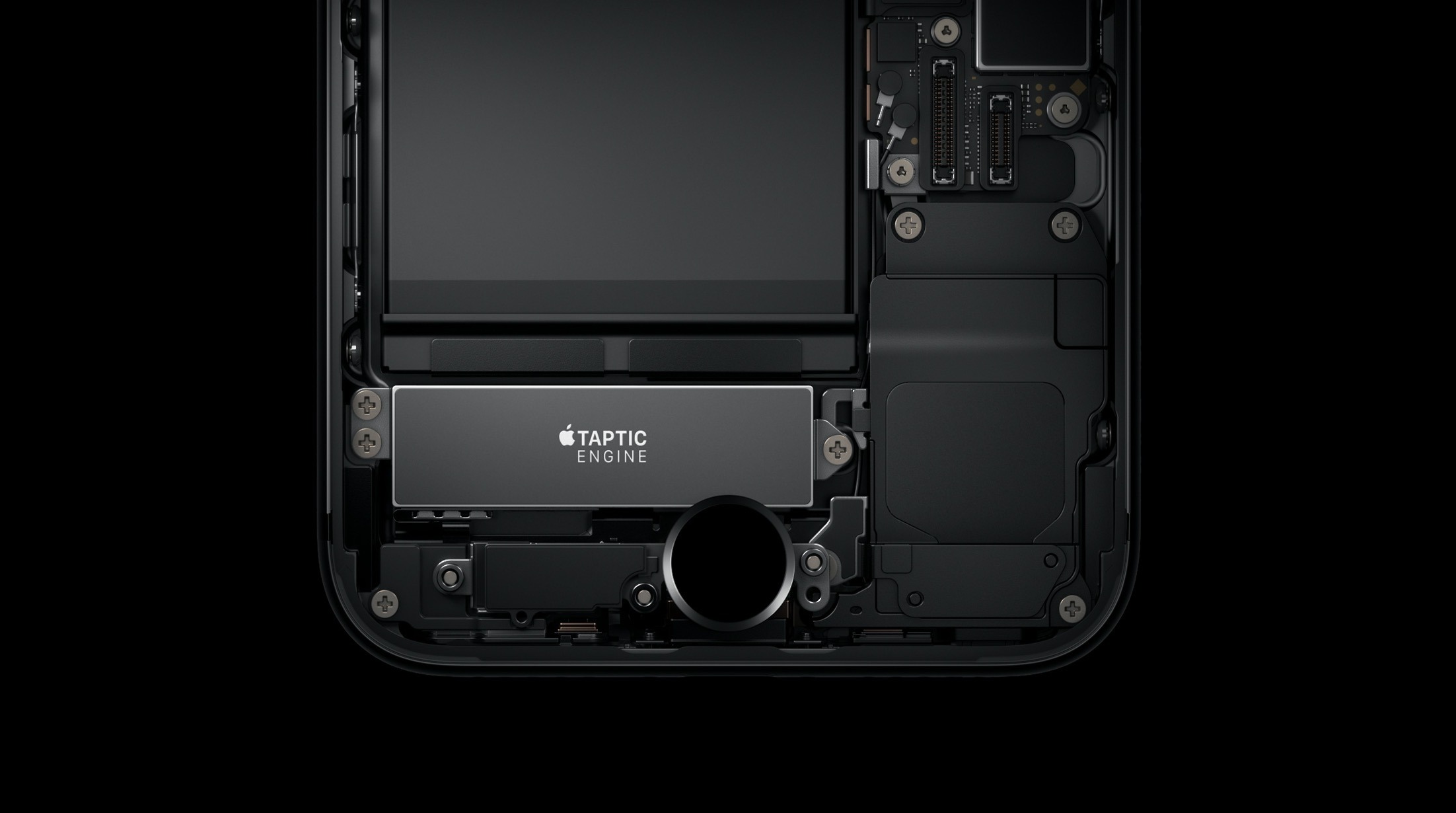
Taptic Engine

Search documents
从“嗡嗡震”到“啪嗒感”,线性马达是如何决定手机高级感的?
3 6 Ke· 2025-11-13 08:20
Core Insights - The tactile feedback of flagship smartphones is significantly influenced by the linear vibration motor, which has become a key differentiator in user experience amidst increasing product homogeneity [1][4][19] Group 1: Evolution of Vibration Motors - The transition from rotary motors to linear motors has improved the precision and responsiveness of smartphone vibrations, allowing for a more refined user experience [4][5] - Linear motors operate through linear reciprocating motion rather than circular rotation, resulting in faster response times and adjustable vibration frequencies [5][7] Group 2: Types of Linear Motors - Common types of linear motors include Z-axis, X-axis, and Y-axis, with X-axis motors being the preferred choice for flagship models due to their superior vibration strength and responsiveness [7][8] - The effectiveness of a linear motor is not solely determined by its type but also by the calibration performed by manufacturers, which can significantly affect the tactile feedback quality [8][12] Group 3: Calibration and User Experience - Calibration of the linear motor involves the integration of mechanical actions and algorithmic control, impacting the quality of tactile feedback experienced by users [8][13] - Companies like Apple have set industry standards with their Taptic Engine, which utilizes system-level algorithms to manage vibration feedback across various interactions [10][16] Group 4: Market Trends and Brand Differentiation - The emphasis on vibration feedback has transformed it from a mere functional feature to a critical aspect of brand identity and user experience, influencing consumer perceptions of smartphone quality [14][16] - As competition in the smartphone market intensifies, the quality of linear motors is becoming a focal point, with brands striving to enhance tactile feedback to improve overall product appeal [19]