Tiger Balm

Search documents
3 Blue Chip Stocks That Could Benefit if SGX Reduces Board Lot Size
The Smart Investor· 2026-01-21 23:30
Core Viewpoint - Singapore Exchange Limited (SGX) plans to reduce board lot sizes from 100 units to 10 units for securities valued above S$10, which may enhance accessibility for retail investors, particularly for blue-chip stocks [1] Group 1: DBS Group Holdings - DBS Group Holdings is currently priced over S$58 per share, making a single lot cost nearly S$6,000, but a reduction in lot size could make it more accessible to retail investors [3][5] - For the first nine months of 2025, DBS achieved a record total income of S$17.6 billion, reflecting a 5% year-on-year increase [4] - Despite a 1% year-on-year decline in net profit to S$8.7 billion due to higher expenses, DBS increased dividends by 38.9% year-on-year to S$0.75 per share in 3Q2025 [4] Group 2: Jardine Matheson Holdings - Jardine Matheson is the highest-priced conglomerate on SGX, with shares close to US$75 (approximately S$96) [6] - In the first half of 2025, Jardine's revenue slightly declined by 1% year-on-year, but underlying profit grew by 11% to US$786 million [7] - The company has maintained a dividend of US$0.60 per share, with a long-term record of increasing dividends at a 5.3% CAGR since 2019 [7][8] Group 3: Haw Par Corp - Haw Par Corp, known for its Tiger Balm brand, reported a 7% increase in revenue to S$126.3 million in the first half of 2025, driven by strong demand for healthcare products [9] - Net earnings rose by 18.2% to over S$144 million, largely due to increased dividends from investments in blue-chip companies [10] - The company maintained an interim dividend of S$0.20 per share, with a payout ratio of 30.7%, making it a stable candidate for retail investors [11] Group 4: Implications for Investors - The potential reduction in lot size is expected to benefit the mentioned companies by attracting more retail investors, particularly those who were previously priced out [12][14] - These companies represent a diversified trio across different sectors, likely to lead the next maturation phase of the Singapore market [13][14]


Investing in healthcare can be a win-win proposition
The Smart Investor· 2026-01-13 03:30
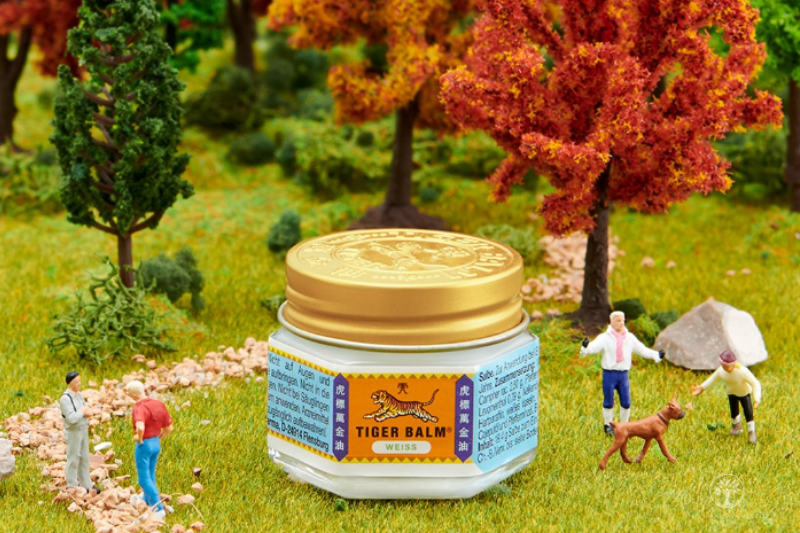
Core Insights - Investing in healthcare companies can provide both financial returns and ensure these companies are well-funded for future needs [1][2] - The rising demand for healthcare services, driven by increasing household wealth, is likely to lead to higher prices in the sector [3] - Many healthcare companies offer attractive dividends, making them appealing as income-producing assets [4] Company Highlights - GlaxoSmithKline (GSK) has evolved from a specialist in gastrointestinal ailments to one of the top 10 vaccine manufacturers globally, also focusing on drug-resistant superbugs [5] - GSK's spin-off of its Haleon consumer healthcare business allows shareholders to benefit from both segments, with Haleon focusing on oral healthcare and over-the-counter products [6] - Smith & Nephew has a strong presence in consumer healthcare, particularly in orthopaedics, which is expected to grow due to an aging population [7] - Abbott Laboratories offers a diverse range of products, including infant formula and diabetes management solutions, catering to various age groups [8] - Haw Par, known for its Tiger Balm brand, and Reckitt, with products like Nurofen, are also significant players in the consumer healthcare market [9] Market Trends - DFI Retail's shift from low-margin food retailing to focus on 7-Eleven and Guardian pharmacies highlights the higher revenue potential in regulated pharmacy businesses compared to supermarkets [10] - IHH Healthcare operates a large network of upscale hospitals, generating stable revenue, although cash flow can be inconsistent [12] - Parkway Life Real Estate Investment Trust, a major healthcare landlord in Asia, provides a reliable income source by managing hospitals and nursing homes [13] - Health insurance companies, such as AIA and Prudential, play a crucial role in risk management and can invest premiums to generate returns before claims are paid out [14][15] Industry Outlook - The healthcare industry is continuously evolving, with companies needing to adapt to changing consumer demands to remain relevant [15] - Many established healthcare companies have a long history of producing valued products, suggesting they are likely to endure for many more years [16] - A healthcare REIT has secured rental escalations until around 2042, indicating strong income visibility, which is rare in today's market [17]

4 Singapore Dividend Stocks That Outperform Inflation
The Smart Investor· 2025-11-10 03:30
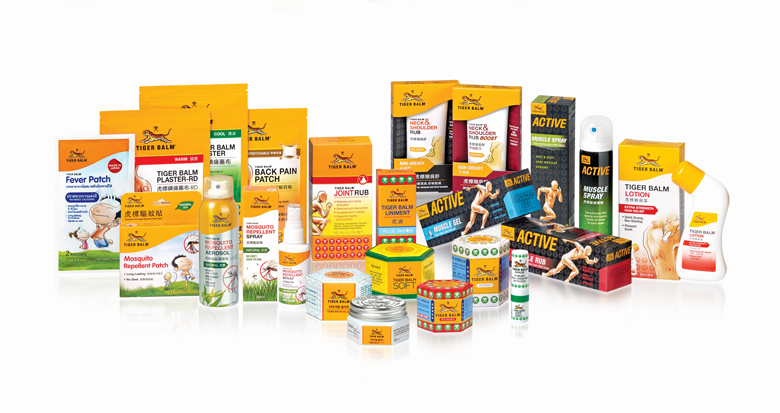
Core Viewpoint - Inflation is eroding purchasing power, making dividend stocks that grow payouts faster than inflation essential for investors in Singapore to preserve and enhance their purchasing power [1][16]. Group 1: Dividend Stocks Overview - Four Singapore dividend stocks identified as capable of outpacing inflation include Singapore Exchange (SGX), Parkway Life REIT, CapitaLand Integrated Commercial Trust (CICT), and Haw Par Corporation [2][16]. Group 2: Singapore Exchange (SGX) - SGX operates as a multi-asset exchange providing listing, trading, and clearing services across various markets, benefiting from a monopoly position in Singapore [3]. - SGX has consistently increased its dividend payout, with a five-year compound annual growth rate (CAGR) of 4%, from S$0.32 in FY2021 to S$0.375 in FY2025 [4]. - The dividend payout ratio has remained sustainable, ranging from 60.8% to 76.9%, supported by an 8.4% year-on-year growth in net profit from S$598 million to S$648 million in FY2025 [4]. - At a share price of S$16.82, SGX offers a dividend yield of 2.2% [5]. Group 3: Parkway Life REIT - Parkway Life REIT focuses on a diversified portfolio of healthcare and nursing home properties across multiple countries, delivering uninterrupted distribution per unit (DPU) growth since its 2007 listing [6]. - DPU has increased from S$0.0632 at IPO to S$0.1492 in FY2024, representing a 136% increase [6]. - For YTD 3Q2025, PLife REIT reported a DPU of S$0.1156, up 2.3% year-on-year [7]. - The portfolio's weighted average lease expiry (WALE) is 14.68 years, with a healthy gearing ratio of 35.8% [8]. - At a price of S$4.05, PLife REIT has a dividend yield of 3.7% [9]. Group 4: CapitaLand Integrated Commercial Trust (CICT) - CICT is Singapore's largest retail and commercial REIT, with a portfolio that includes retail malls and office towers, allowing for upward rent repricing [10]. - The portfolio occupancy rate is 96.3%, with retail and commercial occupancy rates at 98.6% and 94.6%, respectively [11]. - CICT's DPU has shown stability and growth, increasing from S$0.1058 in FY2022 to S$0.1088 in FY2024 [11]. - At S$2.32, CICT offers a dividend yield of 4.8% [12]. Group 5: Haw Par Corporation - Haw Par operates in healthcare, leisure, property, and investments, known for its Tiger Balm brand, generating stable recurring dividend income [13]. - From FY2020 to FY2024, the dividend per share increased from S$0.30 to S$1.40, with a sustainable payout ratio between 38.8% and 60.2% [14]. - In the latest financial year, 73% of earnings came from investments, with a dividend yield of 2.6% at a share price of S$15.49, excluding a special dividend [15]. Group 6: Investment Implications - With Singapore's inflation projected at 0.5% to 1.5% for 2025, these dividend growers provide meaningful real returns above inflation, making them essential for protecting purchasing power [16]. - Focusing on dividend growth rather than just yield is crucial for long-term inflation protection [17].
How You Should Invest in a Tariff-Filled World
The Smart Investor· 2025-09-11 03:30
Group 1: Tariff Announcements and Responses - President Trump announced tariffs targeting over 180 countries, later suspending reciprocal tariffs for 90 days and reducing most rates to 10%, except for China, which retained a 145% tariff [1] - China retaliated with a 125% tariff on US goods, escalating fears of a trade war between the two largest economies [2] Group 2: Market Impact and Business Sentiment - The tariffs have led to increased operational costs for businesses, causing many to delay expansion plans, cut back on investments, and freeze hiring [4] - Companies may pass higher costs onto consumers, leading to price hikes that could dampen consumer sentiment and spending [5] Group 3: Stock Recommendations - Companies selling consumer staples, such as Kimberly-Clark, Procter & Gamble, and Colgate-Palmolive, are well-positioned due to their strong market presence and pricing power [7][8][9] - Cybersecurity firms like Crowdstrike, Palo Alto Networks, and Zscaler are expected to benefit from ongoing demand for security solutions despite potential tariff impacts [10][11] - Companies generating most of their revenue from Asia, such as Sheng Siong and ComfortDelGro Corporation, are insulated from US tariffs [13][15] - Singapore Exchange Limited (SGX) is likely to thrive amid market volatility, with increased trading activity expected due to its range of hedging products [16][17][18] Group 4: Portfolio Strategy - Investors are advised to reassess their portfolios in light of the tariffs, focusing on defensive positions to remain resilient amid ongoing volatility [19][20]