UX2026 电视

Search documents
中国制造的价值升维战,海信已经抢跑了下一个十年
凤凰网财经· 2026-03-15 15:36
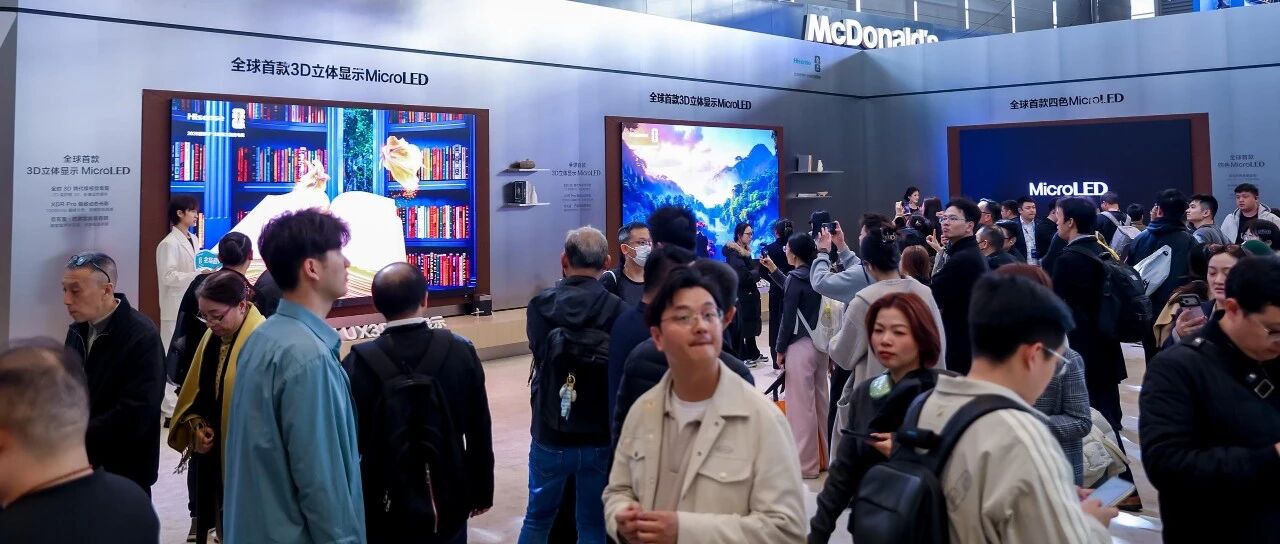
Core Viewpoint - The article highlights Hisense's significant advancements in display technology, particularly the RGB-Mini LED technology, showcasing its journey from reliance on imported technology to becoming a global leader in the display industry, emphasizing the importance of long-term investment in core technology and innovation [4][16][24]. Group 1: Historical Context and Technological Breakthroughs - The article reflects on the historical context of China's display industry, where domestic brands struggled against Japanese and Korean competitors, relying entirely on imported technology [4][5]. - Hisense made a pivotal decision to invest in research and development, leading to the creation of China's first digital video processing chip, "Xinxin," in 2005, marking the end of the "no chip" era in the Chinese television industry [5][6]. - The development of the AI picture quality chip and the RGB-Mini LED chip has allowed Hisense to dominate the market, with 90% of RGB-Mini LED TVs sold globally being Hisense products [8][10]. Group 2: Innovations in RGB-Mini LED Technology - Hisense introduced a groundbreaking four-color architecture with the RGB-Mini LED technology, achieving a color gamut peak of 110% BT.2020, surpassing competitors like QD-Mini LED and QD-OLED [13][15]. - The new AI picture quality chip, H7, enhances color control precision to 134 bits, enabling the display of a trillion color differences, addressing common issues in OLED and QD-Mini LED technologies [15][16]. - Hisense's RGB-Mini LED technology significantly reduces harmful blue light and energy consumption, positioning it as a leader in both visual quality and environmental sustainability [15][16]. Group 3: Comprehensive Ecosystem and User-Centric Solutions - Hisense aims to create a holistic viewing experience for consumers, integrating display technology with a full ecosystem of products, including smart air conditioners and refrigerators, tailored for events like the World Cup [17][18]. - The company emphasizes a user-centric approach, moving beyond individual smart devices to a fully integrated smart home system, enhancing the overall consumer experience [19][20]. - The introduction of various robots for household tasks showcases Hisense's commitment to making technology more accessible and beneficial in everyday life [20]. Group 4: Long-Term Vision and Industry Impact - Hisense's journey reflects the broader narrative of Chinese manufacturing evolving from following to leading in technology, emphasizing the importance of sustained investment in core technologies [22][24]. - The company's achievements at the AWE exhibition symbolize a significant milestone in China's display industry, showcasing the potential of Chinese brands to innovate and set global standards [23][24]. - Hisense's story illustrates the ultimate goal of technology: to enhance everyday life and provide comfort and convenience to consumers, rather than merely focusing on high-end specifications [22][25].