Veloce™ Strato CS

Search documents
西门子EDA HAV Tech Tour 报名中丨驱动软硬件协同,预见系统工程未来
傅里叶的猫· 2025-10-16 14:03
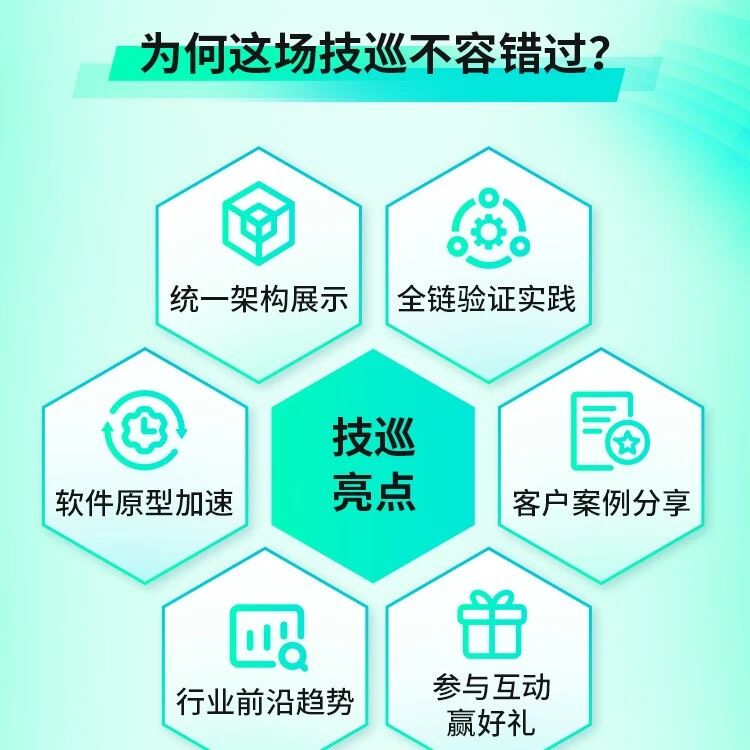
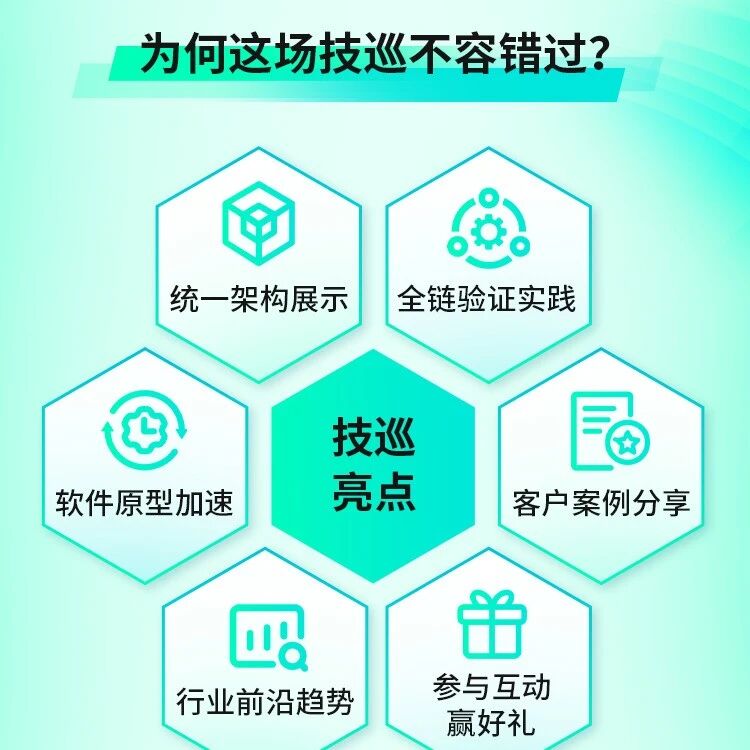
Core Insights - The article emphasizes the importance of "Hardware-Assisted Verification" (HAV) and "Shift-Left Verification" strategies in the development of complex System-on-Chip (SoC) systems, highlighting that these approaches are essential for improving development efficiency and reducing hardware and software failure risks [1]. Group 1: HAV Technology Overview - Siemens has launched the Veloce™ CS system, which includes three core platforms: Veloce™ Strato CS (hardware emulation platform), Veloce™ Primo CS (enterprise-level prototyping platform), and Veloce™ proFPGA CS (software prototyping platform) [3]. - Strato CS and Primo CS operate on a highly consistent architecture, sharing the same operating system (Veloce OS) and applications (Veloce Apps), enabling seamless switching between the two and significantly enhancing verification efficiency, with a potential increase of up to 3 times and a reduction in total ownership costs by approximately 6 times [3]. Group 2: Modular Design and Scalability - The Veloce proFPGA CS hardware system features a modular design that allows users to combine various components, ranging from a single FPGA with 80 million gates to a configuration of 180 FPGAs with a total capacity of 14.4 billion gates [4]. - proFPGA CS shares front-end tools and some VirtuaLAB resources with Strato CS and Primo CS, facilitating easy transitions between different platforms for users [4]. Group 3: Upcoming Events and Presentations - A series of HAV technology seminars are scheduled, including sessions on improving SoC and system design verification efficiency using the Veloce CS ecosystem, enhancing hardware prototyping methodologies with proFPGA CS, and accelerating high-performance RISC-V SoC verification [5][6]. - The seminars will also cover the role of Strato CS in supporting efficient hardware-software co-verification for Arm Neoverse CSS and introduce the next-generation virtual platform, Innexis, which empowers SoC design verification [6].

西门子EDA HAV Tech Tour 报名中丨驱动软硬件协同,预见系统工程未来
傅里叶的猫· 2025-10-14 15:51
Core Insights - The article emphasizes the importance of "Hardware-Assisted Verification" (HAV) and "Shift-Left Verification" strategies in the development of complex System on Chip (SoC) systems, highlighting their role in improving development efficiency and reducing hardware and software failure risks [1]. Group 1: HAV Technology Overview - HAV technology is essential for SoC system verification, and teams must carefully select HAV tools and methods early in the design process to enhance efficiency and mitigate risks [1]. - Siemens has launched the Veloce™ CS system, which includes three core platforms: Veloce™ Strato CS (hardware emulation platform), Veloce™ Primo CS (enterprise-level prototyping platform), and Veloce™ proFPGA CS (software prototyping platform) [3]. Group 2: Veloce™ CS System Features - Strato CS and Primo CS operate on a unified architecture, sharing the same operating system and applications, which allows for seamless switching and significantly enhances verification efficiency, achieving up to 3 times improvement and reducing total ownership costs by approximately 6 times [3]. - The Veloce proFPGA CS system features a modular design that allows users to customize configurations, ranging from a single FPGA with 80 million gates to a capacity of 14.4 billion gates using 180 FPGAs [4]. Group 3: Upcoming Events and Presentations - A series of HAV technology seminars are scheduled, including sessions on improving SoC and system design verification efficiency using the Veloce CS ecosystem, enhancing hardware prototyping methodologies with proFPGA CS, and accelerating high-performance RISC-V SoC verification [5][6]. - The seminars will also cover the role of Strato CS in supporting efficient hardware-software co-verification for Arm Neoverse CSS [6]. Group 4: Engagement and Interaction - The events will feature interactive sessions, customer case studies, and discussions on industry trends, providing opportunities for participants to engage and share insights on cutting-edge hardware-software co-verification strategies [7][9].