Washing machines

Search documents
国补新政来袭!这些变化影响你买单→
Xin Lang Cai Jing· 2026-01-02 04:04
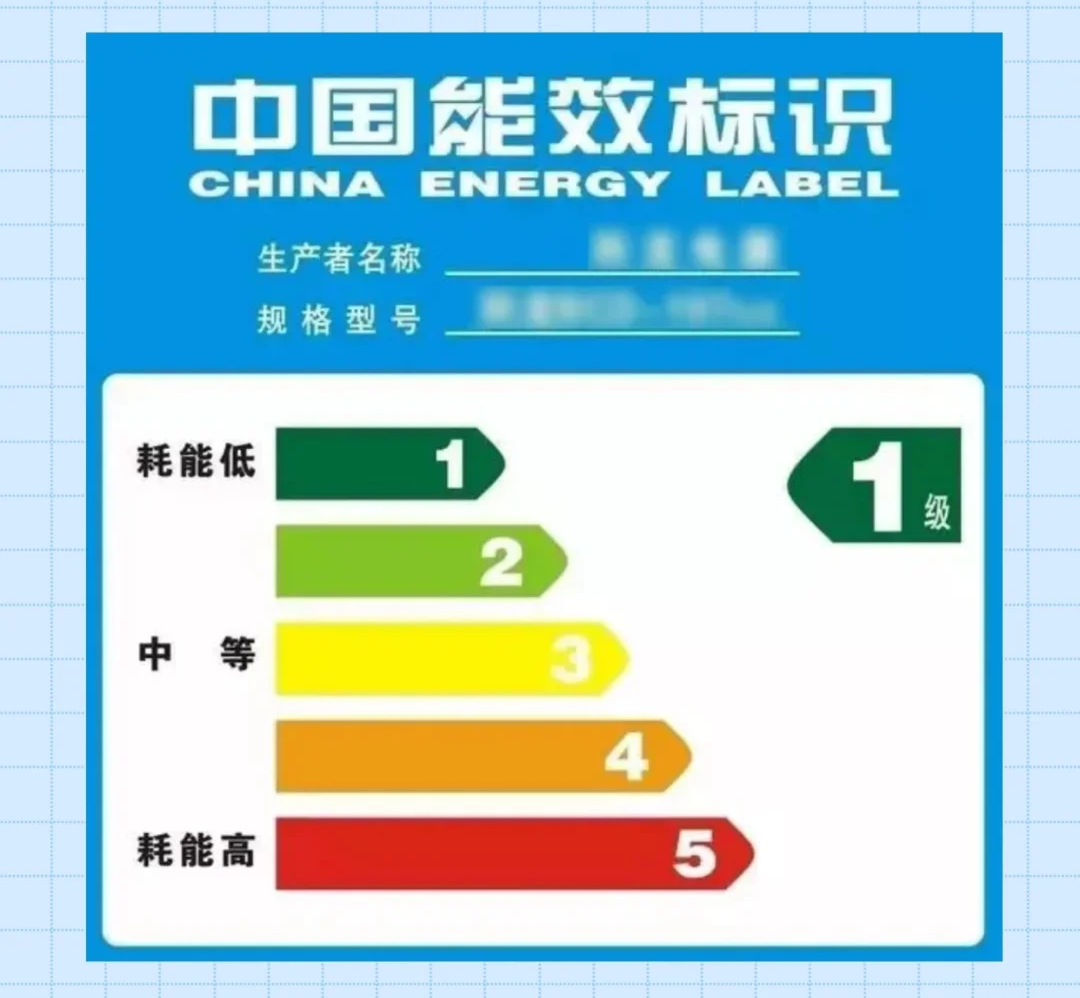
Core Viewpoint - The new round of "National Subsidy" has officially begun, with a total of 625 billion yuan allocated for 2026, focusing on consumer goods replacement and increased support for equipment updates [1]. Group 1: Digital and Smart Products - Digital and smart products will continue to receive a 15% subsidy, with a maximum of 500 yuan per item, maintaining the same standards as in 2025. The product categories have been expanded to include smart glasses alongside existing items like smartphones and smart home products [1][2]. Group 2: Home Appliances - Subsidies for home appliances will focus solely on products that meet 1st-level energy efficiency or water efficiency standards. Categories eligible for subsidies include refrigerators, washing machines, televisions, air conditioners, computers, and water heaters, with a maximum subsidy of 1500 yuan per item [3][5]. Group 3: Automotive Subsidies - The automotive subsidy program has been adjusted to provide a fixed percentage of the new car sales price as a subsidy, with a maximum of 20,000 yuan for eligible vehicles. The criteria for old vehicle registration dates have been clarified to expand the support range [5][6][7]. Group 4: Equipment Updates - The support for equipment updates will generally continue the scope established in 2025, with additional focus on areas such as old community elevator installations, equipment updates for elderly care institutions, and safety equipment [8][12]. Group 5: Application Process - Consumers can apply for subsidies through designated platforms for different product categories, including automotive and home appliances, ensuring a streamlined process for accessing the benefits [10][13]. Group 6: Fraud Prevention - The implementation of the 2026 "National Subsidy" policy will include measures to combat fraud and ensure that the subsidy benefits reach a broad consumer base, enhancing the effectiveness of the program [15].

2026年河北“国补”政策来了!
Xin Lang Cai Jing· 2026-01-01 12:37
Core Viewpoint - Hebei Province will implement a large-scale consumer goods trade-in policy in 2026 to enhance the quality of life for residents and stimulate consumption [1] Group 1: Policy Implementation - The trade-in program will officially start on January 1, 2026, and end on December 31, 2026 [1] - The program aims to meet the high-quality living needs of the public as per national directives [1] Group 2: Scope of Policy - **Automobile Scrapping and Replacement**: - Subsidies will be provided for scrapping gasoline vehicles registered before June 30, 2013, diesel vehicles before June 30, 2015, and new energy vehicles before December 31, 2019 [2] - A subsidy of 12% of the new car price (up to 20,000 yuan) for scrapping eligible old cars and purchasing new energy vehicles, and 10% (up to 15,000 yuan) for fuel vehicles with an engine size of 2.0 liters or less [2] - **Automobile Trade-in**: - Subsidies for selling personal vehicles and purchasing new energy or fuel-efficient vehicles [3] - 8% subsidy (up to 15,000 yuan) for new energy vehicles and 6% (up to 13,000 yuan) for fuel vehicles [3] - **Home Appliances Trade-in**: - Consumers purchasing energy-efficient home appliances will receive a 15% subsidy on the final sales price, capped at 1,500 yuan per item [4] - **Digital and Smart Products**: - A 15% subsidy on the final sales price for purchasing eligible digital products, capped at 500 yuan per item [4] Group 3: Funding Rules - The subsidy funds will be controlled by annual total amounts and allocated monthly, with a "first come, first served" mechanism for each month [6] Group 4: Additional Information - The specific implementation plan will be released later, and any discrepancies with national guidelines will defer to the national documents [7] - A unified consultation service platform will be established for consumer inquiries regarding the trade-in policy [8]
Wedding season boom set to drive Q3FY26 growth after festive spending spree
The Economic Times· 2025-11-07 00:00
Economic Growth and Consumer Demand - The economy is expected to grow at about 7% in the second quarter, supported by a spending surge following the implementation of lower GST rates on September 22 [2][10] - The third quarter is anticipated to be driven by consumer demand, particularly due to the festive and wedding season, with wedding-related expenditures estimated at ₹4.5-5 lakh crore [10][12] - Urban consumption has shown signs of recovery due to tax cuts, although it has been weak since last year [10][12] GST Impact and Economic Indicators - GST collections rose 4.6% year-on-year in October, reaching a five-month high of ₹1.96 lakh crore, indicating robust domestic demand [6][12] - The HSBC Manufacturing Purchasing Managers' Index (PMI) increased to 59.2 in October, reflecting strong domestic demand post-GST cuts [6][12] - Bank credit rose 11.5% year-on-year in mid-October, suggesting strong traction at the start of the festive season [12] Automotive and Consumer Durables Market - Approximately 470,000 cars, sedans, and SUVs were sold in October, marking a 17% increase from the previous year [7][12] - The waiting period for consumer durables has increased due to heightened demand, with estimates suggesting it may take 45 days for supply to normalize [7][12] Rural vs Urban Demand - Rural demand continues to support India's growth, with economists optimistic about its sustainability [9][12] - Urban demand remains a concern due to slower wage growth, which could impact overall consumption momentum [9][10] Global Economic Factors - US tariffs and a global growth slowdown may negatively affect services exports and hiring [11] - However, uncertainties related to tariffs and rising costs abroad could potentially benefit India's services sector through increased offshoring [11]


Whirlpool Flags Possible Tariff Evasion By Foreign Competitors
Benzinga· 2025-09-15 13:55
Core Viewpoint - Whirlpool Corp is raising concerns with the Trump administration regarding widespread tariff evasion by foreign competitors, which it claims undermines U.S. manufacturing [1][5]. Group 1: Tariff Evasion Claims - Whirlpool alleges that numerous foreign manufacturers are undervaluing their imports to avoid tariffs, based on federal import data [1][2]. - A significant decline in declared customs values for various appliances was noted, with garbage disposals from China dropping from an average of $21 to under $8, gas ranges from Thailand falling to $175, and washing machines from South Korea plummeting from $838 to $73 [3]. Group 2: Company Position and Actions - Whirlpool produces 80% of its U.S.-bound appliances domestically and suspects competitors like Samsung, LG, and Haier of undervaluing imports [4]. - The company has communicated its concerns to U.S. Customs and Border Protection but has not yet filed a formal complaint [5]. Group 3: Financial Performance - In July, Whirlpool reported adjusted earnings per share (EPS) of $1.34, missing the consensus estimate of $1.78, with sales of $3.77 billion also falling short of the $3.89 billion estimate [8]. - The company lowered its EPS guidance from $8.75 to a range of $5.00 to $7.00, compared to the consensus estimate of $7.81, and adjusted its EPS guidance from $10 to between $6.00 and $8.00, against a consensus of $9.23 [9].

海信家电:2025 年第二季度初步分析 - 中央空调拖累增长,核心利润率符合预期;买入评级-Hisense Home Appliances Group (.SZ)_ 2Q25 First Take_ Central AC weigh on growth, core margins in-line; Buy
2025-08-05 03:20
Summary of Hisense Home Appliances Group (000921.SZ) 2Q25 Earnings Call Company Overview - **Company**: Hisense Home Appliances Group - **Ticker**: 000921.SZ - **Period**: 2Q25 Key Financial Metrics - **Total Revenue**: Rmb49,340 million in 1H25, +1% YoY - **Net Profit**: Rmb2,077 million in 1H25, +3% YoY - **2Q Performance**: Revenue and net profit declined by -3% and -8% YoY respectively, which was below expectations [1][8] Core Business Insights - **Central AC Impact**: Central air conditioning (AC) sales experienced a significant decline of 10%+ in 2Q25, attributed to a weak property market and reduced support from trade-in programs [3][4] - **Legacy White Goods**: Sales of washing machines and refrigerators grew by +5% and +14% YoY respectively in 1H25, aligning with expectations [3] - **Regional Performance**: Overseas sales maintained resilience with +12% YoY growth in 1H25, while domestic sales were flat YoY, indicating a sequential decline in 2Q due to central AC pressures [3] Margin Analysis - **Gross Profit Margin (GPM)**: Increased by 0.6 percentage points to 21.5% in 2Q25 - **Operating Profit Margin (OPM)**: Remained stable at 4.8% in 2Q25 - **Core EBIT Growth**: Excluding non-recurring items, core EBIT grew by 7% in 2Q25 [3] Management Focus Areas - Upcoming earnings call expected to address: 1. Channel breakdown of 2Q decline and outlook for central AC business 2. Trade-in stimulus impacts on domestic legacy white goods 3. Competition intensity in split AC market 4. Updates on export orders and tariff impacts 5. Potential for margin expansion [4] Investment Thesis - **Rating**: Buy - **Rationale**: 1. High earnings growth visibility supported by 2024 ESOP target 2. Attractive dividend yield 3. Undemanding forward P/E valuation against high single-digit profit growth expectations - **Future Drivers**: 1. Growth in the VRF business through Hisense-Hitachi JV 2. Margin improvement in legacy white goods 3. Operational improvements at Sanden with rising EV contributions [5] Valuation and Price Target - **12-month Target Price**: Rmb34 for A-shares and HK$29 for H-shares, based on 14x/11x 2027E P/Es for Hisense-Hitachi JV and legacy white goods respectively [6] Key Risks 1. Weaker-than-expected demand for white goods due to global macroeconomic conditions 2. Further property market slowdown affecting VRF demand 3. Increased competition from domestic players threatening Hisense-Hitachi JV's position 4. Margin dilution from higher developer channel penetration 5. Below-expected integration of Hisense-Hitachi JV 6. Underperformance of legacy white goods business [7]
海信家电_2025 年第二季度收益回顾_基本业绩好于表象,估值具吸引力;买入-Hisense Home Appliances Group (.SZ)_ 2Q25 Earnings Review_ Underlying results better than it appears, attractive valuation; Buy
2025-08-05 03:16
Summary of Hisense Home Appliances Group (000921.SZ) Earnings Call Company Overview - **Company**: Hisense Home Appliances Group - **Ticker**: 000921.SZ - **Industry**: Home Appliances Key Financial Results - **2Q25 Performance**: - Total revenue: Rmb 49,340 million, Net profit: Rmb 2,077 million - Year-over-year growth: +1% in revenue, +3% in net profit - 2Q25 implied decline: -3% in revenue, -8% in net profit - **Market Reaction**: - Share price declined by 5.6% in A-shares and 6.4% in H-shares, compared to CSI300 (-3.2%) and HSI (-1.6%) [1][2] Management Insights - **Earnings Call Date**: July 31 - **Key Topics Discussed**: - 2025 guidance, Hisense-Hitachi partnership, overseas updates, domestic competition, margin outlook - **Management's View**: - Results may be better than they appear due to short-term adjustments in the central AC business, which is expected to improve [2][4] - Developer channel revenue declined, but retail and commercial channels remained stable [2][4] Margin and Revenue Insights - **Margins**: - Domestic margins remained stable while export margins improved due to product upgrades and operational efficiency [2][8] - **Channel Performance**: - Core central AC business saw a decline, but positive growth was noted in the 2C channel [5][8] - **Overseas Sales**: - Negative growth in overseas sales attributed to proactive risk management; expected improvement in 4Q25 [8] Earnings Forecast and Valuation - **Revised Earnings Estimates**: - EPS estimates for 2025E-2027E revised down by 0-2% [6][10] - **Price Target**: - 12-month target price set at Rmb 34 for A-shares and HK$ 29 for H-shares, based on 14x/11x 2027E P/Es [12][14] - **Valuation Metrics**: - Current trading at 10x/8x 25E P/E with a dividend yield of 5%/6% [2][10] Investment Thesis - **Reasons for Buy Rating**: - High earnings growth visibility supported by 2024 ESOP target - Attractive dividend yield - Undemanding forward P/E against high single-digit profit growth [10][11] Risks Identified - **Key Risks**: - Weaker global demand for white goods - Property market slowdown affecting VRF demand - Increased domestic competition impacting Hisense-Hitachi JV - Margin dilution from developer channel penetration - Integration challenges with Hisense-Hitachi JV [13][10] Conclusion - **Overall Outlook**: - Despite short-term challenges, the long-term growth potential remains strong due to product expansion and operational improvements. The company is positioned to benefit from synergies between its central and split AC businesses, as well as overseas market opportunities [2][10][11]
Think Tariffs Won't Affect You? Think Again - Here's What's Really Happening
ZACKS· 2025-07-15 02:01
Core Viewpoint - The impending tariffs, scheduled to take effect on August 1, could significantly impact consumer prices and the economy, despite Wall Street's perception that they are mere posturing [2][3]. Group 1: Tariff Implications - Tariffs are essentially taxes imposed on imported goods, which can lead to increased prices for consumers as businesses are likely to pass on the additional costs [4][10]. - Affected products include a wide range of goods, from cars to groceries, with potential price increases of up to 15% or more [5][11]. - The broad nature of the tariffs will create ripple effects throughout the economy, influencing prices even for domestically produced goods [8][11]. Group 2: Economic Impact - Past trade disputes have shown that tariffs can lead to inflation, supply chain disruptions, and job instability in sectors reliant on global trade [6][12]. - While some domestic industries may benefit from tariffs, the overall effect on the average consumer is likely to be higher costs [13]. Group 3: Financial Strategies - Companies and consumers are advised to take proactive financial measures, such as making major purchases before price increases occur [15]. - Stocking up on non-perishable essentials and seeking domestic alternatives can help mitigate the impact of rising prices [16][17]. - Strengthening emergency funds and considering inflation-resistant investments, such as commodities and Treasury Inflation-Protected Securities (TIPS), are recommended strategies [21][23].