XBrain 2.0商用大模型

Search documents
从近百万到6.98万!"最迅猛黑马"大咖机器人发布新品,谁在重塑市场?
机器人大讲堂· 2025-10-13 04:08
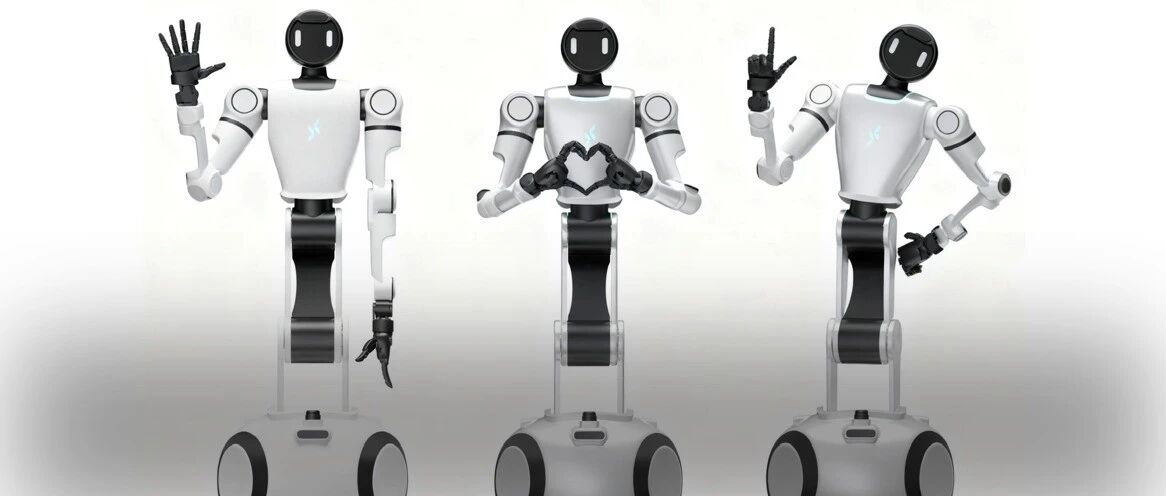
Core Viewpoint - The launch of the X7 series by Daka Robotics marks a significant shift in the humanoid robot industry, with a competitive pricing strategy that positions it as a strong contender in the market, offering products at a fraction of the cost of existing alternatives [1][3][6]. Group 1: Product Launch and Pricing Strategy - Daka Robotics has introduced the X7 series humanoid robots, with an early bird price starting at 69,800 yuan, which is only one-fifth of similar products in the industry [1]. - The X7 series has achieved remarkable recognition, securing a top-three finish among 280 global teams at the recent World Humanoid Robot Competition, demonstrating its advanced capabilities [1][3]. - The pricing strategy is based on ensuring users can recover costs within 12 months, which is a reverse approach compared to the industry norm of product-first, pricing-later [8]. Group 2: Technological Advancements - The X7 series is equipped with the XBrain 2.0 commercial model, which utilizes a unique multi-layer perception model architecture, differing from the mainstream Vision-Language-Action (VLA) framework [9][11]. - This model allows for efficient task execution and adaptability to new scenarios with minimal data updates, enhancing operational stability [11]. - Daka Robotics has focused on optimizing every aspect of the robot's design, from power systems to sensor selection, to achieve cost-effective production without compromising performance [8][9]. Group 3: Market Position and Future Outlook - Daka Robotics has received over 1,000 intention orders for the X7 series, indicating strong market interest and competitive positioning against existing products [12]. - The humanoid robot industry is experiencing a dichotomy, with significant project contracts being awarded while many products still show zero sales, highlighting the need for practical applications and market acceptance [15][16]. - The global humanoid robot market is projected to grow significantly, with estimates of reaching $5.3 billion by 2025, suggesting a robust future for companies that can effectively integrate their products into commercial scenarios [18].