
Zaful独立站

Search documents
跨境电商巨头欠薪4400万还了四成多
Nan Fang Du Shi Bao· 2026-01-22 01:11
Core Viewpoint - The bankruptcy of Shenzhen Global Easy Buy E-commerce Co., Ltd. serves as a cautionary tale for the cross-border e-commerce industry, highlighting the risks associated with aggressive business models and inadequate risk management [1][5]. Group 1: Bankruptcy Distribution and Debt Structure - In January 2026, a second distribution plan for the bankruptcy assets of Global Easy Buy was implemented, with 9 million yuan allocated to settle employee debts, raising the repayment ratio to 43.12% [1]. - Out of a total debt of 815 million yuan claimed by 431 creditors, over 96% (783 million yuan) remains unpaid, primarily affecting ordinary creditors, including logistics and supply chain companies [2]. - Employee debts totaled 44.11 million yuan, with 19 million yuan repaid across two distributions, indicating that employees are recovering less than half of their owed wages and compensations [2]. Group 2: Company History and Growth - Founded in 2007, Global Easy Buy was a pioneer in the cross-border e-commerce sector, rapidly expanding its market presence through a "massive inventory" model and establishing well-known brands like Gearbest and Zaful [3]. - The company received significant investment in 2011 and was acquired by a listed company in 2015, which facilitated its global expansion and increased its workforce to over 3,000 employees [3]. - By 2017-2018, the company achieved annual sales exceeding 10 billion yuan, significantly boosting the revenue of its parent company and elevating its market value [3]. Group 3: Causes of Decline - The aggressive strategy of "unlimited SKU expansion" led to inventory issues, with a reported inventory value of 4.5 billion yuan in 2019, resulting in substantial write-downs and a net profit loss of over 27 billion yuan [4]. - The company faced mounting pressure from long payment terms imposed on suppliers, leading to a cash flow crisis exacerbated by external financing constraints and talent loss [4]. - In 2021, creditors initiated bankruptcy proceedings due to the company's inability to repay debts, culminating in a formal bankruptcy declaration in July 2023 [4]. Group 4: Industry Insights and Lessons - The bankruptcy of Global Easy Buy underscores the need for cross-border e-commerce companies to abandon aggressive expansion strategies in favor of sustainable, precise operations [5][6]. - Companies should focus on market research, optimize product selection, and enhance inventory management to improve cash flow and operational efficiency [6]. - A healthy business ecosystem that promotes risk-sharing and mutual benefits among all stakeholders is essential for the long-term success of the cross-border e-commerce industry [6].

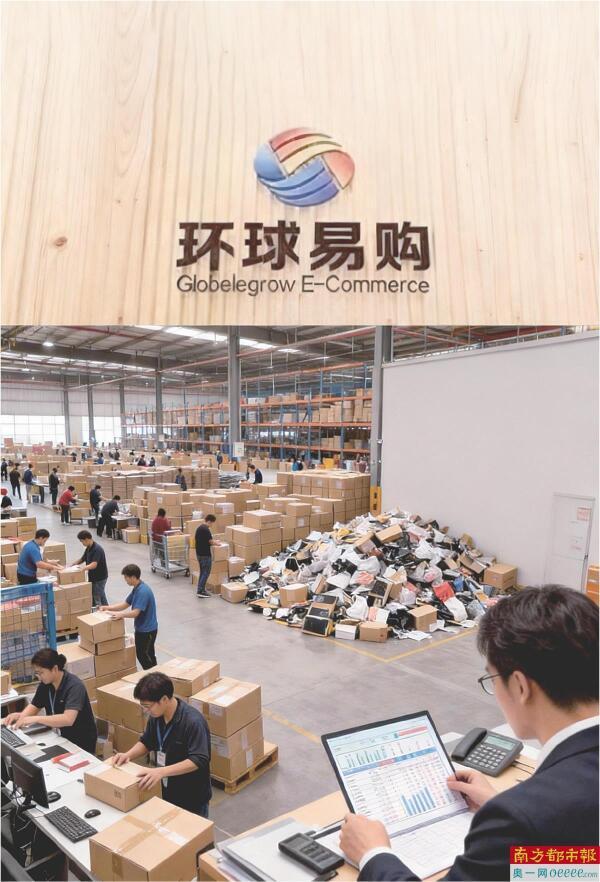
从百亿标杆到破产清算,环球易购欠债8亿只还上1900万
Nan Fang Du Shi Bao· 2026-01-21 03:54
Core Insights - Shenzhen Global Easy Buy E-commerce Co., Ltd. has entered bankruptcy proceedings, with a second distribution plan allocating 9 million yuan to settle employee debts, raising the repayment ratio to 43.12%. However, over 96% of the 8.15 billion yuan in total claims, amounting to 7.83 billion yuan in ordinary debts, remain unpaid [2][4]. Group 1: Company Overview - Global Easy Buy was a pioneer in China's cross-border e-commerce sector, rapidly expanding its market presence through a "massive inventory" model and establishing well-known brands like Gearbest and Zaful [5]. - The company received significant funding in 2011 and was acquired by a listed company in 2015, which facilitated its global expansion and increased its employee count to over 3,000 [5]. - By 2017-2018, the company achieved annual sales exceeding 10 billion yuan, significantly boosting its parent company's revenue and market value [5]. Group 2: Financial Challenges - The company faced severe financial difficulties due to aggressive expansion strategies that led to excessive inventory and significant losses, including a net profit drop of 534.82% in 2019 [6]. - By 2020, the company reported a further loss of 3.37 billion yuan, leading to a warning of "ST" status due to its inability to repay debts [6]. - In 2021, creditors initiated bankruptcy proceedings, and by July 2023, the court officially declared the company bankrupt, marking the end of its once-prominent status in the industry [6]. Group 3: Industry Implications - The bankruptcy serves as a cautionary tale for the cross-border e-commerce industry, highlighting the need for sustainable business practices and risk management [7]. - A contrasting case within the same industry shows that companies can successfully restructure and recover by attracting strategic investments, emphasizing the dual role of bankruptcy systems in facilitating market exits and providing second chances for viable businesses [7]. - The industry must prioritize careful market research, precise product selection, and robust supply chain management to avoid the pitfalls of aggressive expansion [7][8].

