credit and debit cards

Search documents
SOUTHWEST BANCSHARES, INC. SHAREHOLDERS APPROVE ACQUISITION BY PROSPERITY BANCSHARES, INC.
Prnewswire· 2026-01-22 23:40
Core Viewpoint - Prosperity Bancshares, Inc. and Southwest Bancshares, Inc. have announced the approval of a merger, with Prosperity continuing as the surviving corporation, and the merger of Texas Partners Bank into Prosperity Bank to follow [1][2]. Group 1: Merger Details - Shareholders of Southwest have approved the merger with Prosperity, which is expected to be completed on February 1, 2026, pending customary closing conditions [2]. - The merger has received approvals from the Federal Reserve System, the Federal Deposit Insurance Corporation, and the Texas Department of Banking [1]. Group 2: Company Profiles - Prosperity Bancshares, Inc. is a regional financial holding company based in Houston, Texas, with assets of $38.330 billion as of September 30, 2025, providing a range of personal banking services and investments [3]. - Prosperity operates 301 full-service banking locations across Texas and Oklahoma, focusing on community banking and offering various financial solutions [4]. - Southwest Bancshares, Inc., founded in 2006, is the holding company for Texas Partners Bank, which has assets of $2.52 billion as of September 30, 2025, and serves Central and South Texas with a focus on community relationships [5].



BofA Analyst Bullish on Banco Macro (BMA)
Yahoo Finance· 2025-12-04 22:11
Core Insights - Banco Macro S.A. is highlighted as a high growth stock with a Buy recommendation from BofA analyst Ernesto Gabilondo, who set a target price of $117 [1][2]. Financial Performance - The bank's net income for the first nine months of 2025 (9M25) was Ps.176.7 billion, representing a 35% decrease (Ps.95.2 billion) compared to the same period in 2024 [2]. - Operating income, excluding general, administrative, and personnel expenses, was reported at Ps.1.03 trillion in 9M25, down by Ps.1.84 trillion from the previous year [2]. - Banco Macro's deposits increased by 5% quarter-over-quarter and 11% year-over-year in Q3 2025, accounting for approximately 75% of total liabilities [2]. Company Overview - Banco Macro S.A. is an Argentine bank that provides a range of financial services including bank accounts, credit and debit cards, loans, mortgages, car financing, insurance, bill payments, and money transfers [3].

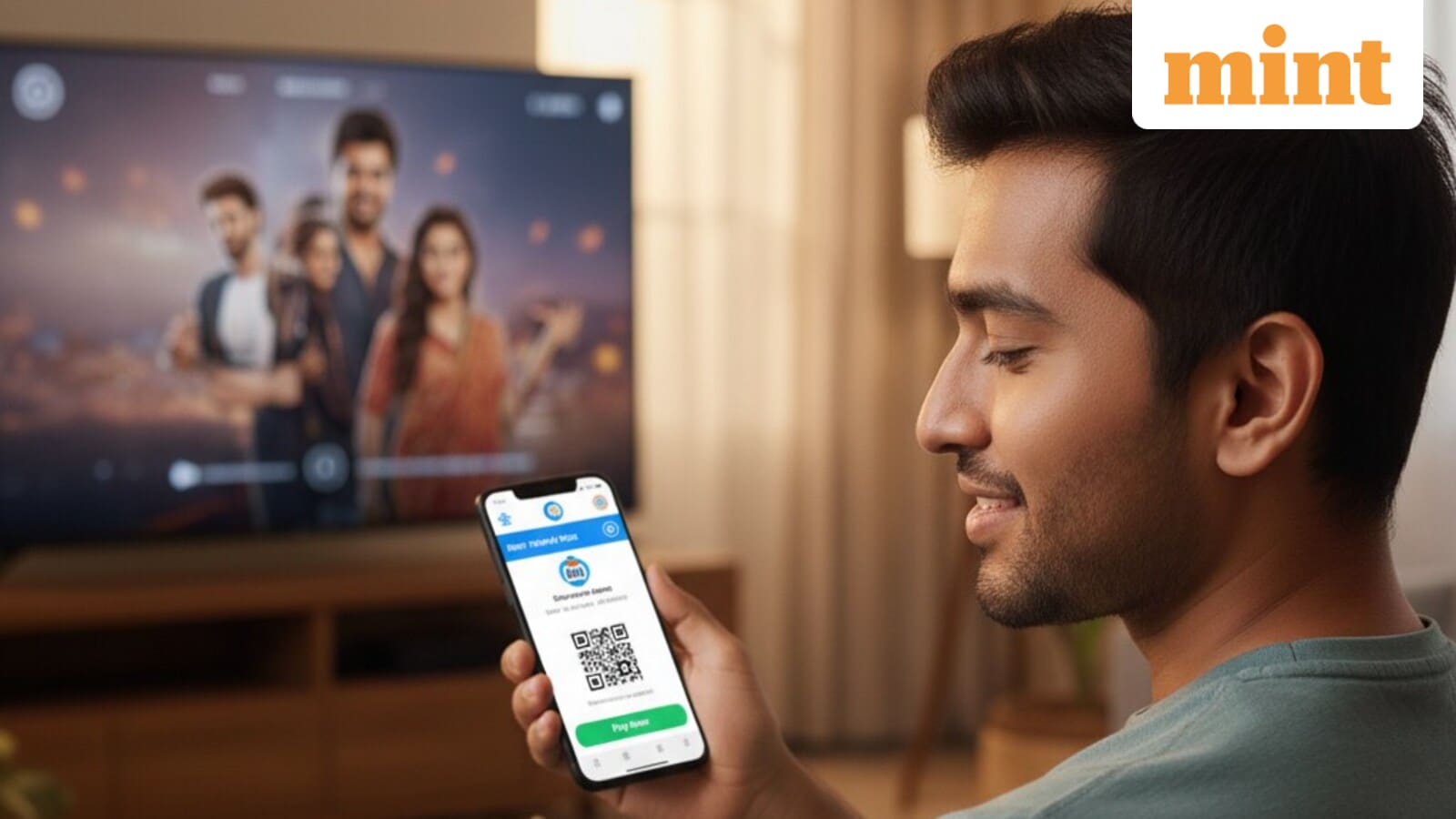
UPI AutoPay’s recurring woes are forcing an industry rethink
MINT· 2025-10-10 05:55
Core Insights - India's subscription economy is shifting back to cards for recurring payments due to UPI's AutoPay feature experiencing failure rates as high as 90% [1][18] - The high failure rates are attributed to insufficient bank balances and incorrect beneficiary details, leading to involuntary cancellations and increased churn for startups reliant on recurring payments [2][18] Group 1: UPI AutoPay Performance - In August, UPI AutoPay transactions saw a failure rate of 55-90% across various banks, with State Bank of India processing 2.13 billion transactions but only achieving a 36.14% success rate [4][18] - Airtel Payments Bank had a particularly low approval rate of 10.49% for its 568.9 million UPI AutoPay transactions [4] - ICICI Bank reported the highest approval rate among large banks at approximately 52% [4] Group 2: Industry Response - Executives from software and video streaming companies are now focusing on debit and credit cards and netbanking for recurring payments due to UPI's reliability issues [3][18] - The high rejection rates are prompting businesses to reconsider their payment strategies, as a failure rate above 5% significantly impacts customer acquisition costs and revenue [11][18] - Some companies are allowing grace periods for subscription renewals, but this creates friction and may lead to users voluntarily canceling subscriptions [12] Group 3: User Behavior and Market Dynamics - User behavior, such as frequent switching of primary UPI apps, adds friction to the payment process, contributing to failures in recurring payments [8] - UPI AutoPay was launched in 2020 to facilitate recurring payments without cards, but its high failure rates are challenging its scalability for dependable subscription revenue [9][18] - Despite the challenges, UPI AutoPay transactions surged from 58 million to approximately 175 million in a year, indicating continued growth in digital adoption [15] Group 4: Market Segmentation - UPI remains the preferred choice in small towns and price-sensitive segments, particularly for subscriptions under ₹100, while credit and debit cards are viewed as more reliable for recurring payments [10][16] - Investment platforms tend to have a more stable subscription model compared to entertainment apps, which often struggle with user retention post-free trials [14][15] - The challenge lies in balancing the convenience of UPI with the reliability needed for subscription-based revenue models [17]