
FYG,FUYAO GLASS(03606)

Search documents
港股异动 | 光伏股集体走低 9月多晶硅产量维持高位 市场关注行业自律会议的具体情况
智通财经网· 2025-09-18 06:32
Core Viewpoint - The solar stock sector is experiencing a collective decline, with significant drops in share prices for companies such as Xinyi Solar, Flat Glass, and New Energy, indicating a bearish sentiment in the market [1] Group 1: Market Performance - Xinyi Solar (00968) fell by 6.42% to HKD 3.34 [1] - Flat Glass (06865) decreased by 5.76% to HKD 11.62 [1] - New Energy (01799) dropped by 4.13% to HKD 7.9 [1] - Fuyao Glass (03606) declined by 1.95% to HKD 77.75 [1] Group 2: Industry Insights - Huafu Securities reported improvements in the near-term consumption pricing mechanism for renewable energy, which is expected to benefit distributed solar/storage and green electricity connections [1] - In the silicon material segment, production cuts in September were limited, and while weekly output remains substantial, insufficient orders have led to inventory accumulation [1] - The domestic demand for solar glass has decreased, with component manufacturers reducing their purchasing volume, leading to an expected increase in glass inventory for September [1] Group 3: Supply Dynamics - According to Forward Futures, September's polysilicon production remains high, with supply continuing to be ample due to the resumption of production in regions like Xinjiang, Qinghai, and Ningxia [1] - The anticipated self-discipline production cuts have not materialized, and the market is still experiencing an oversupply situation despite some demand from downstream sectors [1] - The focus of the market is shifting away from fundamentals, with the main logic of price movements relying on the clarity and implementation of future policies [1]
特斯拉机器人催化不断,带动汽车板块估值重塑 | 投研报告
Zhong Guo Neng Yuan Wang· 2025-09-18 01:04
Core Insights - In August 2025, the automotive production and sales reached 2.815 million and 2.857 million units respectively, with month-on-month growth of 8.7% and 10.1%, and year-on-year growth of 13% and 16.4% [2][3] - For the week of September 1-7, 2025, retail sales of passenger cars were 304,000 units, a year-on-year decrease of 10% and a month-on-month decrease of 4%, while wholesale sales were 307,000 units, a year-on-year decrease of 5% but a month-on-month increase of 9% [2][3] Weekly Market Performance - During the week of September 8-12, 2025, the CS automotive index rose by 0.21%, while the CS passenger vehicle index fell by 0.37%, and the CS commercial vehicle index decreased by 1.06% [2] - The CS automotive parts index increased by 0.72%, and the CS automotive sales and service index rose by 4.23%, while the electric vehicle index fell by 0.08% and the smart vehicle index increased by 1.36% [2] - The Shanghai Composite Index rose by 1.66% and the CSI 300 Index increased by 1.93%, indicating that the CS automotive index underperformed these indices by 1.72 percentage points and 1.45 percentage points respectively, with a year-to-date increase of 23.76% [2] Cost Tracking and Inventory - As of September 10, 2025, the prices of float glass, aluminum ingots, and zinc ingots changed year-on-year by -9.4%, +7.1%, and -5.2% respectively, and month-on-month by -6%, +0.5%, and -1.1% [3] - The inventory warning index for automotive dealers in August was 57.0%, showing a year-on-year increase of 0.8 percentage points and a month-on-month decrease of 0.2 percentage points [3] Market Focus - Key developments include partnerships in autonomous driving, such as Horizon Robotics collaborating with Hello to accelerate Robotaxi deployment, and the launch of new models like the all-new Wanjie M7, which saw over 100,000 pre-orders within an hour [3] - The Ministry of Industry and Information Technology and other departments issued a joint plan for stabilizing growth in the automotive industry for 2025-2026 [3] Investment Recommendations - In the medium to long term, the focus is on opportunities in incremental components driven by the rise of domestic brands and electric intelligence [4] - Recommended companies include Leap Motor, JAC Motors, and Geely for strong new product cycles, and companies like Kobot, Huayang Group, and Junsheng Electronics for smart technology [4]





福耀玻璃股价创历史新高 今年多次获瑞银、高盛力挺
Mei Ri Jing Ji Xin Wen· 2025-09-17 11:04
Core Viewpoint - Fuyao Glass has seen a significant increase in stock price, reaching a historical high, supported by positive reports from major investment banks like UBS and Goldman Sachs, which have raised their target prices multiple times since 2025 [1][5][6]. Group 1: Financial Performance - Goldman Sachs reported that Fuyao Glass's Q2 2025 performance was "significantly better than expected," with revenue, gross profit, and EBITDA exceeding their forecasts by 4%, 13%, and 20% respectively [6]. - The company's overseas revenue grew by 19% year-on-year in the first half of 2025, outpacing domestic growth of 14% [6]. - Fuyao Glass's gross margin reached 38.5% in Q2 2025, higher than Goldman Sachs's prediction of 35.4%, attributed to an increase in high-value product sales [6][10]. Group 2: Product Development - The company has been focusing on high-value products, which has led to an increase in average selling prices for automotive glass [2][7]. - High-value products accounted for a larger share of sales, with significant increases in categories such as panoramic sunroof glass (10.8% share, up 2.4 percentage points) and heads-up display glass (9.2% share, up 1.3 percentage points) [7][10]. - Fuyao Glass's product structure optimization has been a key driver for achieving revenue and profit growth that surpasses industry averages [7]. Group 3: Market Support - The strong market performance of Fuyao Glass is bolstered by endorsements from international investment banks, which have been actively promoting the stock [4]. - Both UBS and Goldman Sachs have reiterated their "buy" ratings for Fuyao Glass's A-shares and H-shares, reflecting confidence in the company's growth trajectory [2][4].

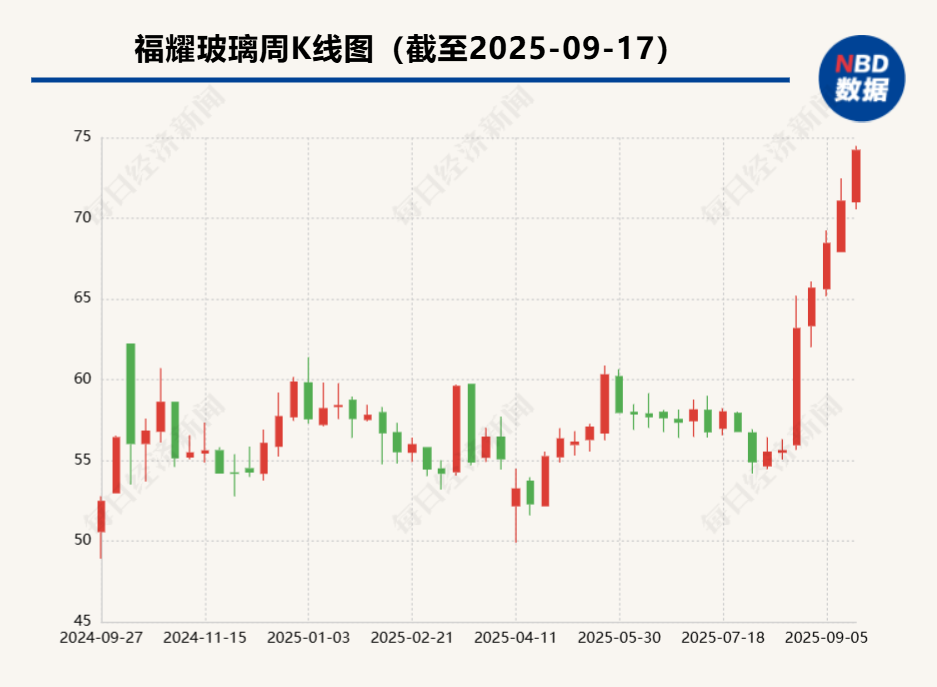
中美欧日韩知识产权五局专家福州对接闽企 支招海外纠纷应对
Zhong Guo Xin Wen Wang· 2025-09-17 09:52
Group 1 - The event held in Fuzhou on September 17, 2025, is the first high-profile international intellectual property exchange activity in Fujian, focusing on global intellectual property review and invalidation practices [1][3] - The event attracted over 130 participants, including experts from the intellectual property review institutions of China, the US, Europe, Japan, and South Korea, as well as representatives from companies like CATL, Fuyao Glass, and Ruijie Networks [3] - The aim is to enhance the overseas intellectual property dispute response capabilities of Fujian enterprises and to inject momentum into creating a market-oriented, law-based, and international first-class business environment in Fujian [3] Group 2 - The Deputy Director of the Patent Reexamination and Invalidation Department of the National Intellectual Property Administration, Feng Xianping, released the "User Manual for the Five Bureau Review and Invalidation," which outlines core processes, review standards, and operational guidelines for handling cross-border intellectual property matters [4] - The Fujian Provincial Market Supervision Administration showcased the province's intellectual property work achievements, highlighting nine key initiatives aimed at empowering high-quality enterprise development through intellectual property services [4] - WIPO's legal advisor, Natalie Carlson, shared international collaboration and resource support initiatives, including a multilingual resource database containing over 15,000 global cases and relevant legal documents [5] Group 3 - Experts from the five intellectual property review institutions and WIPO provided in-depth interpretations of the latest developments in the review and invalidation fields, with a lively Q&A session addressing specific business issues faced by companies [7] - The successful hosting of this event marks a significant step for Fujian in the field of international intellectual property cooperation, contributing to a more open, collaborative, and efficient global intellectual property governance system [7]

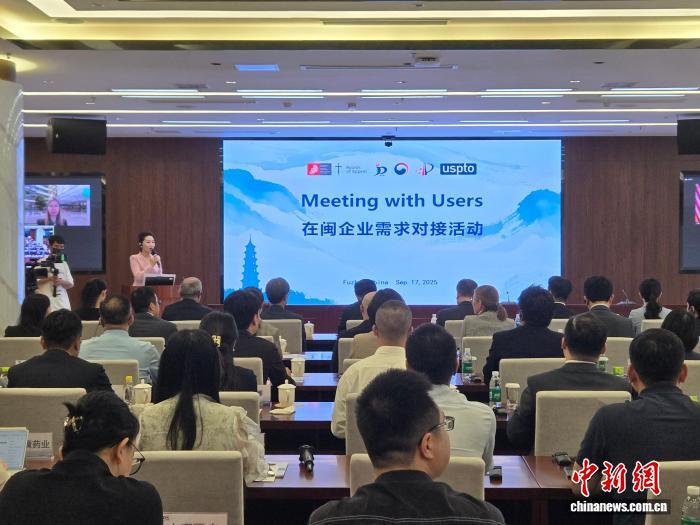
福耀玻璃涨超4% 股价刷新历史新高 瑞银料其汽车玻璃均价持续上升
Zhi Tong Cai Jing· 2025-09-17 06:53
Core Viewpoint - Fuyao Glass (600660) shares rose over 4%, reaching a historical high of 79.45 HKD, driven by positive operational updates and earnings forecasts from UBS [1] Group 1: Operational Performance - Domestic factory capacity utilization reached approximately 87% this quarter, an increase of about 2 percentage points year-on-year and 3 percentage points quarter-on-quarter [1] - The capacity utilization of the first phase of the U.S. factory remains at a relatively high level of around 80% [1] - The second phase of the U.S. factory is progressing smoothly, with expected capacity utilization to reach about 40% in the second half of the year [1] Group 2: Cost and Profitability - Transportation costs in the third quarter have significantly decreased year-on-year, which will help improve profit margins [1] - UBS raised the company's earnings forecast for this year through 2030 by up to 13%, reflecting faster-than-expected new capacity increases and price adjustments in the U.S. market [1] Group 3: Pricing and Market Trends - The average selling price of automotive glass is expected to continue rising, driven by increased adoption of functional products in the domestic market, such as all-glass roofs, coated glass, and smart glass [1] - The contribution of high-value-added products is increasing with the realization of electric vehicle orders in the European market [1] - In the U.S. aftermarket, product prices have been raised to pass on most of the tariff increases, with average selling prices in local U.S. factories increasing by 3% to 5% year-to-date [1]
港股异动 | 福耀玻璃(03606)涨超4% 股价刷新历史新高 瑞银料其汽车玻璃均价持续上升
智通财经网· 2025-09-17 06:47
Core Viewpoint - Fuyao Glass (03606) shares rose over 4%, reaching a historical high of 79.45 HKD, driven by positive operational updates and earnings forecasts from UBS [1] Group 1: Operational Performance - Domestic factory capacity utilization reached approximately 87% this quarter, an increase of about 2 percentage points year-on-year and 3 percentage points quarter-on-quarter [1] - The capacity utilization of the first phase of the U.S. factory remains at a high level of around 80% [1] - The second phase of the U.S. factory is progressing well, with expected capacity utilization to reach about 40% in the second half of the year [1] Group 2: Cost and Profitability - Transportation costs in the third quarter have significantly decreased year-on-year, which will help improve profit margins [1] - UBS raised the company's earnings forecast for this year through 2030 by up to 13%, reflecting faster-than-expected new capacity increases and price adjustments in the U.S. market [1] Group 3: Pricing and Market Trends - The average selling price of automotive glass is expected to continue rising, driven by increased adoption of functional products in the domestic market, such as all-glass roofs, coated glass, and smart glass [1] - The contribution of high-value products is increasing with the realization of electric vehicle orders in the European market [1] - In the U.S. aftermarket, product prices have been raised to pass on most of the tariff increases, with the average selling price of products supplied from U.S. local factories increasing by 3% to 5% year-to-date [1]
福耀玻璃持续走强,股价再创新高
Zheng Quan Shi Bao Wang· 2025-09-17 02:36
Company Performance - Fuyao Glass has reached a historical high in stock price, with the stock price reported at 72.76 yuan, up 0.57% as of 09:31 [2] - The company achieved a total revenue of 21.447 billion yuan in the first half of the year, representing a year-on-year growth of 16.94% [2] - The net profit for the same period was 4.805 billion yuan, showing a year-on-year increase of 37.33% [2] - The basic earnings per share were reported at 1.8400 yuan, with a weighted average return on equity of 13.18% [2] Industry Overview - The automotive industry, to which Fuyao Glass belongs, has shown an overall increase of 0.59% [2] - Within the industry, 136 stocks have risen, with notable gainers including Junsheng Electronics, Wanxiang Qianchao, and Kebo Da, which increased by 10.01%, 9.98%, and 9.39% respectively [2] - Conversely, 142 stocks have declined, with the largest drop seen in Anhui Phoenix, Chunxing Precision, and Fushai Technology, which fell by 4.12%, 3.35%, and 3.19% respectively [2] Financing Data - As of September 16, the margin trading balance for Fuyao Glass was 1.925 billion yuan, with a financing balance of 1.909 billion yuan [2] - Over the past 10 days, the financing balance has decreased by 170 million yuan, reflecting a decline of 8.17% [2]
福耀玻璃:刘京退任独立非执行董事
Zhi Tong Cai Jing· 2025-09-16 11:45
Core Viewpoint - Fuyao Glass (600660) announced the election of Liu Xiaozhi as an independent non-executive director and the resignation of Liu Jing from the same position, along with his roles in the remuneration and assessment committee and the nomination committee [1] Group 1 - Liu Xiaozhi has been elected as an independent non-executive director during the extraordinary general meeting [1] - Liu Jing will resign from his position as an independent non-executive director and from his roles in the remuneration and assessment committee and the nomination committee at the end of the extraordinary general meeting [1] - Following the amendment of the company's articles of association, the company will no longer have a supervisory board or supervisors, resulting in the resignation of all current supervisors [1]
福耀玻璃(03606):刘京退任独立非执行董事
智通财经网· 2025-09-16 11:39
Group 1 - Fuyao Glass (03606) announced the election of Liu Xiaozhi as an independent non-executive director at the extraordinary general meeting [1] - Liu Jing will resign as an independent non-executive director and as the chairman of the remuneration and assessment committee and a member of the nomination committee after the extraordinary general meeting [1] - Following the amendment of the company's articles of association, the company will no longer have a supervisory board and supervisors, with all current supervisors resigning at the end of the extraordinary general meeting [1]
福耀玻璃(03606) - 2025年第一次临时股东大会投票表决结果
2025-09-16 11:33
香港交易及結算所有限公司及香港聯合交易所有限公司對本公告的內 容 概 不 負 責,對 其 準 確 性 或 完 整 性 亦 不 發 表 任 何 聲 明,並 明 確 表 示,概 不對因本公告全部或任何部份內容而產生或因倚賴該等內容而引致的 任 何 損 失 承 擔 任 何 責 任。 (於中華人民共和國註冊成立的股份有限公司) (股份代號:3606) 2025年第一次臨時股東大會投票表決結果 董 事 局 欣 然 宣 佈,本 公 司 已 於2025年9月16日(星 期 二)下 午 二 時 三 十 分 於中國福建省福清市融僑經濟技術開發區福耀工業村的本公司會議 室 召 開 臨 時 股 東 大 會。臨 時 股 東 大 會 通 告 所 載 的 所 有 提 呈 決 議 案 在 無 任 何 修 改 的 情 況 下,獲 與 會 股 東 及 擁 有 投 票 權 的 授 權 代 表 以 投 票 表 決 方 式 正 式 通 過。 茲 提 述 福 耀 玻 璃 工 業 集 團 股 份 有 限 公 司(「本公司」或「公 司」)日 期 為2025 年8月26日 的2025年 第 一 次 臨 時 股 東 大 會(「臨時股東大會」)通 函(「通 函 ...