
ConocoPhillips(COP)

Search documents
特朗普对话20家美石油公司:已经亏的120亿美元就算了,你不干还有25家愿意干
Sou Hu Cai Jing· 2026-01-11 12:33
Group 1 - The core message of the news is that President Trump announced a potential collaboration between the U.S. and Venezuela to rebuild the oil and gas infrastructure, with U.S. oil companies expected to invest at least $100 billion [1][3] - Trump held a meeting with nearly 20 representatives from the oil industry, predicting that an agreement to resume operations in Venezuela could be reached soon [3] - Despite Trump's encouragement, major U.S. oil companies expressed caution about re-entering the Venezuelan market, with ExxonMobil's CEO stating that the company views Venezuela as "uninvestable" due to past asset seizures [3][4] Group 2 - Trump emphasized that if companies are not interested in investing in Venezuela, there are others willing to take their place, indicating a competitive environment for investment [3] - Concerns were raised by industry leaders regarding the need for legal and financial protections before making significant investments in Venezuela, with Trump claiming that the oil industry would receive "comprehensive security" assurances, though specifics were not provided [3][4] - A private equity investor highlighted the unpredictability of entering the Venezuelan market, noting that a single tweet could alter the country's foreign policy, which adds to the investment risk [4]


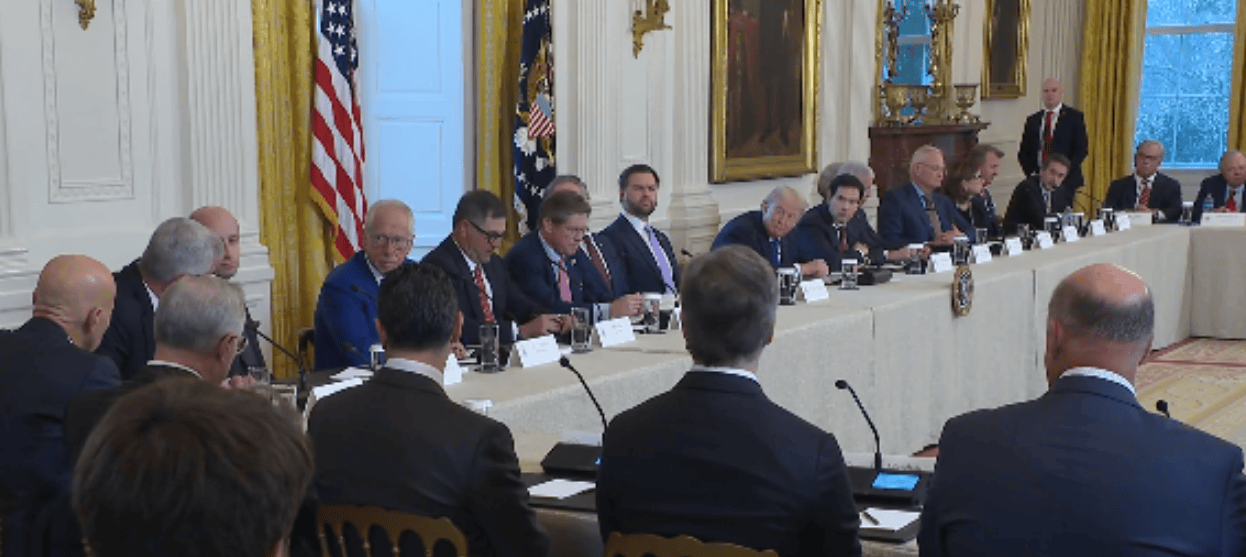
“你们不干有人干” 特朗普撂狠话威胁美油企高管
Xin Lang Cai Jing· 2026-01-11 05:54
Core Viewpoint - The meeting between President Trump and major oil executives aimed to encourage investment in Venezuela's oil industry, but executives expressed caution due to previous losses and uncertainties in the region [1] Group 1: Company Perspectives - Executives from major oil companies, including Chevron and ExxonMobil, were present at the meeting but showed reluctance to commit to investments in Venezuela [1] - Ryan Lance, CEO of ConocoPhillips, highlighted the need to discuss the "restructuring" of Venezuela's entire energy system, citing a previous loss of $12 billion in the country [1] Group 2: Government Stance - President Trump issued a warning to the executives, stating that if they were not interested in investing in Venezuela, there were others willing to take their place [1]

石油巨头裹足不前的心理阴影:委内瑞拉与美国的百年石油恩怨
Xin Lang Cai Jing· 2026-01-11 02:46
Group 1 - The U.S. military action against Venezuela has prompted President Trump to announce that major U.S. oil companies will invest billions to repair the country's damaged oil infrastructure and generate profits for the U.S. [1] - Trump held a meeting with executives from U.S. oil giants, urging them to invest in Venezuela and promising full security guarantees, although executives expressed caution regarding the investment [1][6] - The historical relationship between U.S. oil companies and Venezuela has been complex, with U.S. firms initially dominating the industry before nationalization efforts in the 1970s and subsequent re-engagement in the late 1990s [2][3] Group 2 - The political landscape in Venezuela has shifted significantly since the rise of Hugo Chávez, who restructured the oil industry to increase state control and revenue distribution, leading to disputes with foreign companies [3][4] - Trump's strategy appears to be a response to domestic pressures, aiming to lower oil prices and assert U.S. energy dominance in the Western Hemisphere, while also countering the influence of countries like Russia and China [4][5] - The U.S. has reached an agreement with Venezuela's transitional government for the supply of 50 million barrels of oil, which will be sold by the U.S. and the proceeds managed by the U.S. [5] Group 3 - U.S. oil companies have shown a lukewarm response to Trump's proposed investment plan, as the potential returns from Venezuela are not significant enough to alter their overall business outlook [6][7] - Companies like ExxonMobil and ConocoPhillips remain cautious due to past experiences with nationalization and the current unstable political environment, preferring to wait for clearer investment guarantees [6][7] - Chevron, while maintaining a presence in Venezuela, is also hesitant to expand operations without assurances regarding safety and financial conditions [7]
特朗普宣布进入国家紧急状态!多位石油高管就投资委内瑞拉表态谨慎
Zheng Quan Shi Bao· 2026-01-11 00:51
Group 1 - The U.S. government has declared a national emergency to protect Venezuelan oil revenues stored in U.S. Treasury accounts from being seized or subjected to legal proceedings [1][2] - The executive order aims to ensure that Venezuelan oil revenues are preserved for advancing U.S. foreign policy objectives, preventing claims from private creditors [2] - President Trump has initiated a military operation to control Venezuelan President Maduro and manage the country's oil reserves [2] Group 2 - During a meeting with executives from major oil companies, including Chevron and ExxonMobil, President Trump sought to secure investments in Venezuela's oil industry, but executives expressed caution regarding future investments [3] - Trump emphasized that the U.S. will decide which oil companies are allowed to invest in Venezuela, indicating a controlled approach to foreign investment [3] - ConocoPhillips' CEO highlighted the need to discuss restructuring Venezuela's entire energy system, noting significant past losses in the country [3]
Trump seeks to stop courts, creditors from seizing Venezuelan oil revenue in the U.S.
CNBC· 2026-01-10 20:32
Group 1 - The executive order signed by U.S. President Donald Trump aims to block the seizure of Venezuelan oil revenue held in U.S. Treasury accounts, declaring it as sovereign property of Venezuela [2][3] - The order states that any judicial attempts to seize these funds would harm U.S. national security and foreign policy, and interfere with efforts to stabilize Venezuela economically and politically [2][3] - Trump indicated that U.S. oil companies are expected to invest at least $100 billion in Venezuela's oil and gas infrastructure following the military operation that captured Venezuelan leader Nicolás Maduro [4] Group 2 - Major oil executives, including ExxonMobil's CEO, expressed concerns about Venezuela being "uninvestable" due to past nationalization of the oil sector and ongoing legal disputes for compensation [5] - Chevron remains the only major U.S. oil company currently operating in Venezuela, facilitated by a special license from the Trump administration [6] - The legal basis for the executive order includes the 1977 International Emergency Economic Powers Act and the 1976 National Emergencies Act [6]
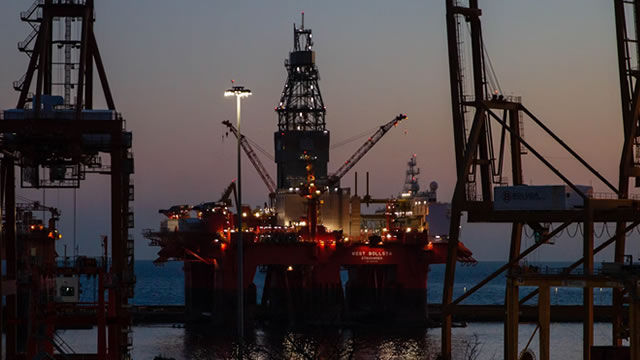
特朗普重磅宣言:拿下委内瑞拉石油,美国将掌控全球55%油脉!
Sou Hu Cai Jing· 2026-01-10 15:46
Core Viewpoint - President Trump's strategic proposal regarding Venezuela's oil industry could potentially allow U.S. companies to control 55% of global oil production if they re-enter the Venezuelan market [1][3]. Group 1: Investment Plans - U.S. companies plan to invest at least $100 billion in Venezuela's oil production sector, which would be one of the largest investment plans in the international energy sector in recent years [3]. - ExxonMobil's CEO expressed caution, stating that investment in Venezuela would not be feasible without regulatory reforms and restructuring in the energy sector [3]. Group 2: Venezuela's Oil Industry Context - Venezuela possesses the world's largest proven oil reserves, with its oil industry history dating back to the early 20th century [3]. - The country previously nationalized foreign energy companies' assets, including those of U.S. firms, under former President Hugo Chávez, which Trump criticized as "unfair" [3]. Group 3: Potential for Cooperation - Venezuela's interim president indicated readiness to collaborate on energy projects with various parties, including the U.S., signaling potential flexibility in energy cooperation [4]. - Analysts suggest that Trump's proposal reflects strategic considerations for global energy dominance, especially as the international energy market undergoes adjustments [4]. Group 4: Challenges and Future Outlook - The realization of Trump's proposal faces multiple challenges, including Venezuela's domestic policy environment, U.S.-Venezuela bilateral relations, changes in the international energy market, and geopolitical factors [4]. - The discussions are still in preliminary stages, and substantial progress will depend on the maturation of various conditions [4][5].
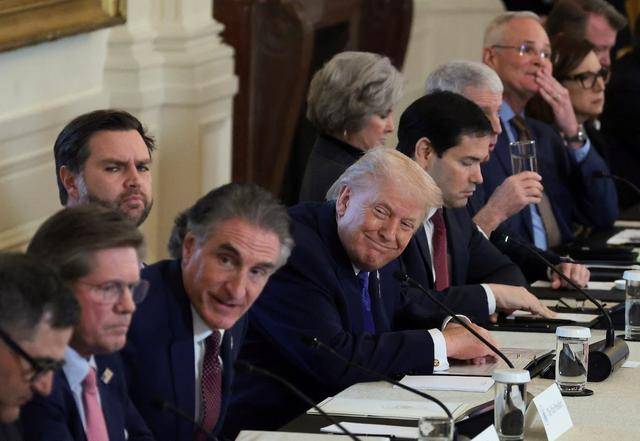
特朗普直接把纸条内容念出来了,鲁比奥快“碎”了…
Xin Lang Cai Jing· 2026-01-10 15:25
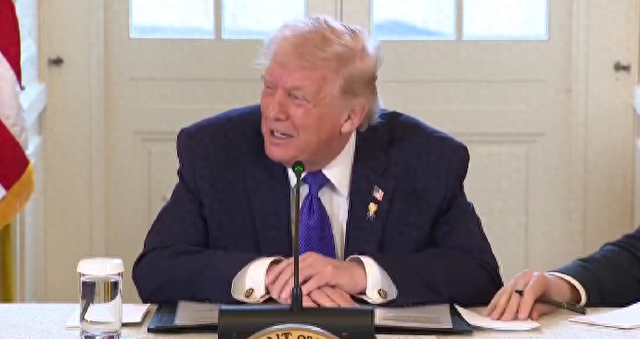
Group 1 - The meeting held at the White House aimed to encourage U.S. oil companies to invest $100 billion in Venezuela's oil industry, but it ended without any substantial agreements [1][13] - Major U.S. oil executives from companies like Chevron, ExxonMobil, and ConocoPhillips attended the meeting, but none committed to large-scale new investments in Venezuela [13] - Despite President Trump's assurances that Venezuela is "absolutely safe" for investment, the overall attitude of the attending oil companies was cautious, showing little interest in re-entering the Venezuelan oil market [13] Group 2 - Trump expressed dissatisfaction with the oil companies' reluctance to invest, warning that there are others willing to take their place if they are not interested in Venezuelan oil extraction [13] - The Venezuelan government has not confirmed whether it will allow U.S. companies to enter the country, with officials accusing Trump of attempting to seize national resources [13]
What the Big Oil executives told Trump about investing in Venezuela
CNBC· 2026-01-10 12:59
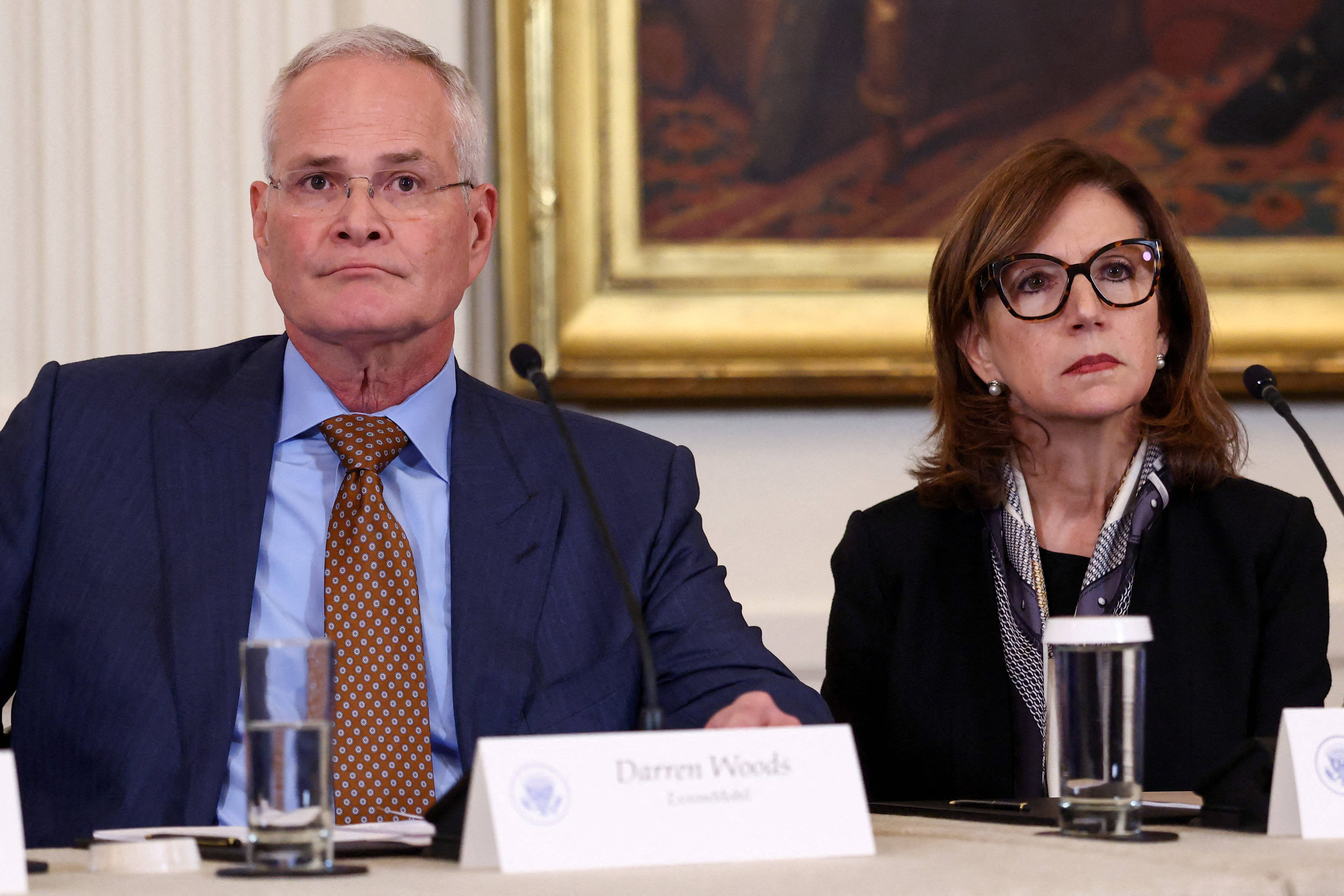
Core Viewpoint - U.S. oil executives emphasize that Venezuela requires significant reforms to attract investment, despite President Trump's assertion of a potential $100 billion investment to rebuild the country's energy sector with U.S. security guarantees [1]. Group 1: Investment Climate - Exxon CEO Darren Woods stated that the Venezuelan market is currently "uninvestable" due to past asset seizures and outstanding claims owed to the company [2]. - Woods highlighted that re-entering Venezuela would necessitate substantial changes in the legal and commercial frameworks, given the historical context of asset seizures [3]. - ConocoPhillips CEO Ryan Lance noted that the banking sector must assist in restructuring Venezuela's debt and provide financing for infrastructure restoration [4]. Group 2: Company Strategies - Lance called for a complete restructuring of the state-owned oil company Petróleos de Venezuela (PDVSA) to facilitate investment [5]. - Chevron, the only major U.S. oil company currently operating in Venezuela, indicated a potential to increase production from joint ventures by 100% immediately and by 50% within the next 18 to 24 months [6]. - Treasury Secretary Scott Bessent suggested that smaller oil companies may be more inclined to invest in Venezuela compared to larger corporations, which tend to move slowly [7].
(外代一线)美国多家石油公司对投资委内瑞拉表态谨慎
Sou Hu Cai Jing· 2026-01-10 11:18
Group 1 - The core focus of the meeting was to discuss potential investments in the Venezuelan oil industry by major U.S. oil companies [1] - Executives from several U.S. oil companies expressed caution regarding future investments in Venezuela during the discussions with President Trump [1] Group 2 - The meeting took place on January 9 at the White House, involving approximately 20 executives from large oil companies [1] - Notable attendees included Darren W. Woods, CEO of ExxonMobil, and Ryan Lance, CEO of ConocoPhillips, who were present to engage in discussions about the investment opportunities [5][13]
特朗普威胁石油高管:如果不愿投资委石油开采,有人愿意取代你们的位置
Xin Lang Cai Jing· 2026-01-10 11:14
Group 1 - The core message of the article highlights President Trump's pressure on U.S. oil executives to invest in Venezuela's oil industry, indicating that the U.S. government will decide which companies can enter the market [1] - Several U.S. oil executives, including those from Chevron and ExxonMobil, expressed caution regarding investments in Venezuela during a meeting with Trump [1] - Trump warned the executives that if they are not interested in investing in Venezuela, there are others willing to take their place, emphasizing the competitive nature of the investment opportunity [1] Group 2 - ConocoPhillips CEO Ryan Lance suggested the need to discuss a "restructuring" of Venezuela's entire energy system, citing a previous loss of $12 billion for the company in Venezuela [1] - The meeting included around 20 major oil company executives, indicating a significant level of interest from the industry despite the cautious stance [1]