
Stryker(SYK)

Search documents
3 Healthcare Giants Just Raised Dividends—Here’s Who Pays the Most
Yahoo Finance· 2025-12-16 14:17
Stacks of gold coins forming an upward arrow beside a lab beaker and heart-rate icon. Key Points Stryker, Amgen, and Eli Lilly have all raised their dividends, signaling increased capital returns to shareholders despite varied stock performance in 2025. Amgen now offers an industry-leading 3.2% dividend yield, one of the few large-cap healthcare stocks with a yield above 3%. Wall Street maintains a positive outlook across all three names, with Stryker offering the highest implied upside at over 20%, fo ...


3 MedTech Stocks Poised to Gain in 2026 From the AI Boom
ZACKS· 2025-12-16 14:16
Core Insights - Artificial intelligence (AI), particularly generative AI, is rapidly transforming the MedTech industry, enhancing product development, manufacturing, sales personalization, and patient care [1] - The FDA is supportive of innovative medical devices incorporating AI, with 209 AI-enabled devices approved by 2025 [2] - AI is becoming a central efficiency driver in MedTech, improving operations, supply chains, and commercial functions while reducing costs and enhancing quality control [3] Company Highlights - Companies like Stryker (SYK), Tempus AI (TEM), and GE HealthCare Technologies (GEHC) are positioned favorably for investors due to their strong AI integration and growth prospects [4] - Stryker's Mako SmartRobotics platform enhances surgical precision and generates recurring revenue through implants and services, with a projected earnings growth rate of 11.2% for 2025 [11][13] - Tempus AI is expanding its AI algorithms across various medical fields and has secured FDA clearances for its cardiac imaging platform, with a projected earnings growth rate of 58.9% for 2025 [14][16] - GE HealthCare is collaborating with NVIDIA to improve medical imaging and diagnostics, with a projected sales growth rate of 4.3% for 2025 [17][20] AI Applications in Medical Specialties - Interventional pulmonology is well-suited for AI integration, improving procedure planning and management of pulmonary diseases [5] - AI technologies enhance diagnostic procedures by creating virtual maps of the lung and analyzing pathological specimens, leading to improved accuracy [6] - Radiology has seen significant AI investment, with 956 AI-enabled devices approved, enhancing diagnostic precision and clinical workflows [7] - AI applications in oncology are transforming cancer management through data analytics, medical imaging, and clinical decision support [8]




58起交易!一文看懂中国医疗器械BD的秋季节奏




思宇MedTech· 2025-12-15 08:59
Core Insights - The article highlights the acceleration of business development (BD) activities in the medical device sector from September to November 2025, with a total of 58 transactions identified across various subfields, including cardiovascular, nuclear medicine, and AI-enabled devices [2][3][4]. Group 1: Mergers and Acquisitions - Mergers and acquisitions have become a prominent form of BD, with companies leveraging capital control and product integration for rapid market positioning [7][8]. - Notable acquisitions include HeartLink's $680 million all-stock acquisition of Micro-Invasive Cardiology, enhancing its structural heart disease and rhythm management capabilities [7]. - Hua'an Zhonghui's acquisition of Bangni Medical marks its entry into the absorbable suture market, indicating a shift in surgical instrument competition towards material innovation [7]. Group 2: Strategic Collaborations - Strategic partnerships have been formed during the China International Import Expo, with companies like Shanghai Pharmaceuticals collaborating with international giants such as Boston Scientific and Medtronic to enhance their supply chain and academic promotion systems [7][8]. - The collaboration between GuoYao Medical and BDI Medical aims to deepen market penetration in the biomedicine and medical device sectors, focusing on compliance and distribution channel construction [13]. Group 3: Cross-Border Cooperation - Cross-border transactions have become more active, with foreign companies establishing local R&D and production systems in China, while domestic firms are exporting their solutions globally [9][10]. - The partnership between Trasis SA and Beijing Pait Biotechnology to establish a joint venture reflects a trend towards localized production and phased integration in the Chinese market [12]. Group 4: Ecosystem Building and Channel Expansion - The integration of supply chains and ecosystem building is a key theme, with companies focusing on collaborative agreements to enhance their market presence [11][15]. - The collaboration between Baxter and Neusoft Medical aims to create a comprehensive surgical solution by integrating their respective technologies [12]. Group 5: AI and Smart Healthcare - AI and data-driven approaches are becoming central to BD collaborations, with companies increasingly focusing on smart healthcare solutions [16][17]. - The partnership between Kefu Medical and Tencent Cloud to develop AI-powered hearing aids exemplifies the trend of integrating technology into healthcare products [21]. Group 6: Research and Diagnostic Synergy - The frequency of research-oriented collaborations is rising, indicating a shift from manufacturing-driven to research-driven industry dynamics [18][19]. - The collaboration between BGI and Infinera to enhance clinical applications of sequencing technology highlights the growing importance of research in driving innovation in the medical device sector [21].

Stryker declares an $0.88 per share quarterly dividend
Globenewswire· 2025-12-11 13:00
Core Viewpoint - Stryker has announced a quarterly dividend increase to $0.88 per share, reflecting a 4.8% rise compared to the previous year and quarter [1][2]. Company Overview - Stryker is a global leader in medical technologies, focusing on improving healthcare through innovative products and services in MedSurg, Neurotechnology, and Orthopaedics, impacting over 150 million patients annually [3].

美国医疗:2026医院展望调查-2026 Hospital Outlook Survey
2025-12-08 00:41
Summary of the 2026 Hospital Outlook Survey Industry Overview - The survey focuses on the US healthcare industry, specifically the hospital sector, and provides insights into capital expenditures, utilization trends, and the impact of macroeconomic factors on hospital operations [1][2]. Key Insights Utilization Trends - **Utilization Growth Expectations**: 52% of hospital executives anticipate utilization growth in 2026 to be above 2025 levels, a decrease from 55% in the previous year [7][19]. - **Outpatient vs. Inpatient**: 56% expect outpatient utilization growth to exceed 2025 levels, while 41% expect inpatient utilization growth to increase, up from 34% last year [11][19]. - **Elective Procedures**: 54% expect elective procedures to grow above or in line with 2025 levels, down from 64% last year [16][19]. Capital Expenditures (CapEx) - **CapEx Growth**: Hospital capital spending is projected to increase by 4.1% in 2026, consistent with the 4.0% growth reported in 2025 [7][45]. - **Investment Priorities**: Hospitals are likely to increase spending on bedside patient monitoring, bedside pumps, and operating room (OR) suite equipment [16][45]. - **Impact of OBBBA**: The One Big Beautiful Bill Act (OBBBA) may lead to conservative spending due to anticipated reimbursement pressures [49][46]. Robotics and Technology - **Robotic Systems**: 96% of hospitals currently utilize surgical robotic systems, with Intuitive Surgical maintaining a leading position in soft-tissue robotics [90][91]. - **Orthopedic Robotics Demand**: 49% of respondents expect to purchase orthopedic robotic systems, with Stryker's MAKO being the most favored option [7][8]. - **IT Investments**: Hospitals are prioritizing IT investments, particularly in AI (66% expect to increase spending) and cybersecurity (65%) [80][81]. Value-Based Care (VBC) - **Revenue Tied to VBC**: The average revenue tied to VBC arrangements is approximately 19%, down from 22% last year, although interest in establishing VBC partnerships has increased [34][35]. Challenges and Concerns - **Reimbursement Pressure**: 34% of executives cite reimbursement pressure as the biggest challenge for hospitals in the coming year, an increase from 25% last year [58][59]. - **Labor Costs**: Labor cost inflation remains a significant concern, with 18% of respondents identifying it as a major challenge [58][59]. Future Outlook - **Purchasing Intentions**: Despite economic uncertainties, over 70% of hospitals plan to consider purchasing new equipment across various categories in the next two years [62][64]. - **Investment in ASCs**: 57% of respondents expect to increase investments in Ambulatory Surgery Centers (ASCs) over the next year, reflecting a shift towards outpatient care [18][19]. Additional Insights - **AI Utilization**: Hospitals are increasingly leveraging AI for tasks such as medical record analysis (56%) and clinical imaging analysis (52%), with larger hospitals showing a higher propensity to adopt these technologies [81][88]. - **Market Dynamics**: The survey indicates a stable payor mix for 2026, with commercial insurers and Medicare making up approximately 70% of the mix [12][27]. This comprehensive survey provides a detailed outlook on the hospital sector, highlighting trends in utilization, capital spending, and the evolving landscape of healthcare technology and reimbursement challenges.


Stryker (SYK) Shows ‘Muscle’ at Investor Day, but Truist Stays Neutral
Yahoo Finance· 2025-12-06 19:29
Core Insights - Stryker Corporation (NYSE:SYK) is recognized as a strong player in the MedTech sector, showcasing its ability to deliver consistent operating leverage and growth [2][3] - The company reported third-quarter revenue of $6.1 billion, reflecting over 10% growth year-over-year, with organic sales increasing by 9.5% [3] - Stryker has a notable 32-year streak of dividend growth, appealing to income investors, with a payout ratio of approximately 43% indicating potential for future dividend increases [4] Financial Performance - For Q3 2025, Stryker's revenue reached $6.1 billion, marking a growth of over 10% compared to the same quarter last year [3] - Organic sales growth was reported at 9.5%, driven by a 9.1% increase in unit volume and a 0.4% rise in prices [3] - The company anticipates organic net sales growth of 9.8% to 10.2% moving forward [3] Investment Perspective - Truist's analyst raised the price target for Stryker to $400 from $392 while maintaining a Hold rating, emphasizing the company's strong position in the MedTech industry [2] - Despite the positive outlook, the firm prefers companies with more consistent revenue growth and faster earnings [2] - The appeal of Stryker as a dividend stock is highlighted by its long history of dividend growth and a reasonable payout ratio [4]
Stryker names Spencer Stiles President and Chief Operating Officer
Globenewswire· 2025-12-04 13:30
Core Viewpoint - Stryker has appointed Spencer Stiles as President and COO, effective January 1, 2026, to enhance growth and leverage its portfolio [1][2] Group Leadership Changes - Spencer Stiles, a 27-year veteran of Stryker, will lead global businesses, strategy, and M&A, bringing extensive experience from his previous role as Group President of Orthopaedics and Spine [2][3] - Dylan Crotty will succeed Stiles as Group President of Orthopaedics, having spent 27 years at Stryker and previously serving as President of Instruments [3] Company Overview - Stryker is a global leader in medical technologies, impacting over 150 million patients annually through innovative products and services in MedSurg, Neurotechnology, and Orthopaedics [4]
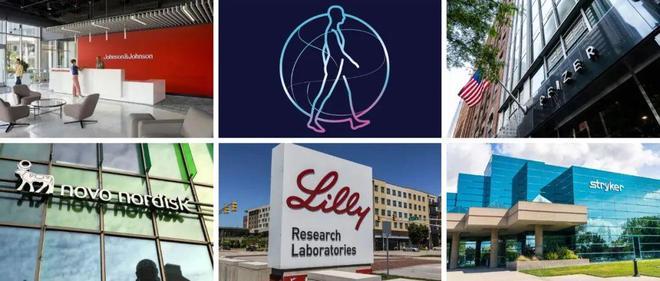
11月药企高管动态 | 强生、美敦力、辉瑞、诺和诺德、CVS Health、礼来、史赛克、云南...
Xin Lang Cai Jing· 2025-12-02 04:50
Personnel Changes - Yunnan Baiyao announced the election of Zhang Wenxue as chairman and Dong Ming as vice chairman during the first meeting of the 11th board of directors on November 10, 2025 [2] - China National Pharmaceutical Group (Sinopharm) reported the resignation of Zhao Bingxiang from multiple positions, including non-executive director and chairman, with Jin Bin proposed as the new chairman [3] - Huatai Medical announced a board restructuring, nominating several candidates for its third board of directors, including current executives from Mindray Medical [4] - Hanyu Pharmaceutical reported the retirement of its executive director Pinxiang Yu and appointed two new executive directors, Shen Yaping and Tang Yangming [5] - GSK China appointed Sheng Feng as vice president, responsible for market access and commercial operations, effective December 1, 2025 [12] Executive Appointments - Medtronic appointed Larry Xu as vice president for orthopedic and neurosurgery business in China, effective November 10, 2025 [9] - Pfizer China announced the appointment of Su Tianyu as head of the broad market division, effective immediately [10][11] - Eli Lilly appointed Carole Ho as president of the neuroscience division, while Adrienne Brown was promoted to president of the immunology division [15] - Restore Medical appointed Chris Cleary, former senior vice president at Medtronic, as chairman of the board [18] Resignations - Johnson & Johnson announced the departure of Alex He, vice president and head of the PINS division, effective December 31, 2025 [8] - Several executives across various companies, including Chen Changbing from Sinopharm United and Wang Junbo from Guangyu Yuan, submitted their resignations due to work adjustments [3][5]


从止血到恢复:耳鼻治疗的另一半
思宇MedTech· 2025-12-02 03:39
Core Viewpoint - The article emphasizes that the surgical procedure is only the beginning of treatment, and the recovery phase is equally crucial for determining the overall effectiveness of the treatment [3][21]. Group 1: Surgical and Recovery Process - Surgical techniques address structural issues, but the patient's return to normal function relies on post-operative tissue regeneration and recovery rhythm [3][4]. - The recovery process is complex due to the dynamic and sensitive healing environment of the nasal cavity and middle ear, which requires balancing multiple goals [4][5]. Group 2: Challenges in Recovery - Key challenges in recovery include maintaining controlled hemostasis, promoting epithelialization, minimizing secondary damage, and adapting to different surgical techniques [5]. - Material science plays a significant role in achieving a controllable way to support the body's natural healing rhythm [5]. Group 3: Importance of Predictability in Materials - The continued use of biodegradable porous materials over the past two decades highlights the importance of predictability, repeatability, and long-term validation in recovery [6][8]. - NasoPore, a biodegradable porous packing material, has been widely adopted due to its ability to provide a controllable and stable solution during recovery [8]. Group 4: Mechanisms of NasoPore - NasoPore features a connected porous structure that balances support and moisture in the healing environment [9]. - It has a controllable fragmentation mechanism that reduces secondary trauma by naturally breaking down without the need for removal [10]. - The material is customizable and can be shaped to fit the surgical cavity, ensuring a controlled local drug delivery system [11][12]. Group 5: Quality of Recovery Experience - The quality of recovery experience is a shared concern for both doctors and patients, requiring guidance and appropriate support during the recovery window [14]. - NasoPore has shown to reduce pain and anxiety, improve comfort, and lower the burden of follow-up care [15][16]. Group 6: Clinical Evidence and Outcomes - Clinical studies indicate that NasoPore significantly reduces bleeding and improves mucosal healing compared to non-absorbable materials [19][20]. - The material's properties contribute to lower rates of adhesion and better overall recovery outcomes, particularly in sensitive patients [20][21].

Why Stryker (SYK) is a Top Momentum Stock for the Long-Term
ZACKS· 2025-11-28 15:51
Core Insights - Zacks Premium offers tools for investors to enhance their stock market strategies and confidence [1] - The Zacks Style Scores provide a framework for evaluating stocks based on value, growth, and momentum [2] Zacks Style Scores Overview - Stocks are rated A, B, C, D, or F based on their value, growth, and momentum characteristics, with higher scores indicating better performance potential [3] - The Style Scores are categorized into four types: Value Score, Growth Score, Momentum Score, and VGM Score [3][4][5][6] Value Score - Focuses on identifying undervalued stocks using financial ratios such as P/E, PEG, Price/Sales, and Price/Cash Flow [3] Growth Score - Evaluates stocks based on projected and historical earnings, sales, and cash flow to identify sustainable growth opportunities [4] Momentum Score - Assesses stocks based on price trends and earnings outlook, helping investors capitalize on upward or downward movements [5] VGM Score - Combines all three Style Scores to provide a comprehensive rating, highlighting stocks with attractive value, growth, and momentum [6] Zacks Rank Integration - The Zacks Rank uses earnings estimate revisions to simplify portfolio building, with 1 (Strong Buy) stocks historically yielding an average annual return of +23.93% since 1988 [7] - There can be over 800 stocks rated 1 or 2, making it essential to utilize Style Scores for better selection [8] Investment Strategy - To maximize returns, investors should target stocks with a Zacks Rank of 1 or 2 and Style Scores of A or B [9] - Stocks with lower ranks but high Style Scores may still face downward price pressure due to negative earnings outlooks [10] Company Spotlight: Stryker (SYK) - Stryker is a leader in medical technology, generating approximately 60% of sales from MedSurg & Neurotechnology and 40% from Orthopaedics [11] - The company has a Zacks Rank of 3 (Hold) and a VGM Score of B, with a strong Momentum Style Score of A [12] - Recent upward revisions in earnings estimates indicate positive growth potential, with the Zacks Consensus Estimate for fiscal 2025 at $13.55 per share [12][13]
