Berkshire Hathaway

Search documents
Berkshire's Abel Lauds Kraft Heinz Turnaround, Eyes Future Split
Yahoo Finance· 2026-02-17 17:31
Core Viewpoint - Kraft Heinz Company is pausing its plan to split Kraft from Heinz, focusing instead on internal improvements and growth strategies after a significant decline in fourth-quarter earnings [1][2][4]. Financial Performance - The fourth-quarter adjusted EPS fell by 20.2% to 67 cents, with total sales reported at $6.354 billion, which was below the Wall Street expectation of $6.376 billion [1][4]. - Net sales decreased by 3.4%, while organic net sales dropped by 4.2% [4]. Strategic Shift - CEO Steve Cahillane, in his first five weeks, has decided to halt the separation plan and instead focus on addressing the company's issues internally [2]. - A $600 million investment will be directed towards marketing, sales, research and development, product upgrades, and selective pricing actions to enhance the company's Taste Elevation portfolio and support recovery in the U.S. market [6]. Regional Performance - North America revenue fell by 5.4% to $4.70 billion, while International Developed Markets revenue rose by 1.8% to $930 million, and Emerging Markets increased by 4.3% to $724 million [7]. Shareholder Support - Berkshire Hathaway, the largest shareholder with a 27.5% stake valued at approximately $8.1 billion, supports the decision to redirect focus towards improving competitive performance and customer service [3].

Capital Investments Power Berkshire Hathaway's Long-Term Growth
ZACKS· 2026-02-17 17:11
Core Insights - Berkshire Hathaway's growth is closely linked to its ownership and expansion of capital-intensive, infrastructure-driven businesses, particularly BNSF Railway and Berkshire Hathaway Energy, which provide durable competitive advantages and predictable returns [1][3] Capital Expenditures - In the first nine months of 2025, Berkshire Hathaway's consolidated capital expenditures reached $14.1 billion, with $10.7 billion allocated to its railroad, utilities, and energy businesses [2][7] - BNSF's capital expenditure is noted to be the highest among railroads in a single year, indicating significant investment compared to revenues and earnings [2] Infrastructure and Cash Flow - Railroads, utilities, and energy transmission systems are characterized by significant barriers to entry, generating consistent cash flows that are less affected by market fluctuations, thus enhancing Berkshire Hathaway's earnings stability [3] - The resilience and scale of these assets are crucial for the company's long-term growth and value creation [3] Peer Comparison - Union Pacific is actively investing in upgrading its rail network and technology, which strengthens its competitive position through a multibillion-dollar annual investment plan [4] - NextEra Energy is also committing substantial funds to regulated utility assets and renewable energy projects, supporting steady growth in its rate base [5] Stock Performance and Valuation - Berkshire Hathaway's shares have declined by 1% year to date, underperforming the industry average [6] - The company trades at a price-to-book value ratio of 1.54, which is above the industry average of 1.47, indicating a relatively expensive valuation [9] - Consensus estimates for Berkshire Hathaway's 2026 EPS show no movement, with expectations of a decline despite revenue growth projections [11][12]

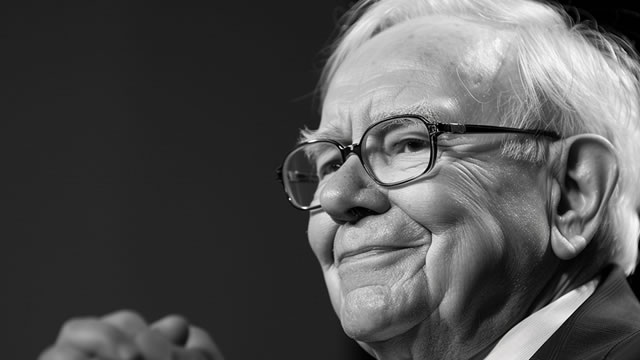
Warren Buffett Collected $816 Million in Dividends From This Single Stock
Yahoo Finance· 2026-02-17 15:40
Core Insights - Berkshire Hathaway holds a significant 9.32% stake in Coca-Cola, benefiting from a 63-year dividend growth streak, with the latest quarterly dividend of $0.51 per share paid on December 15, 2025 [2][3][7] - The annualized dividend of $2.04 per share generates approximately $816 million annually for Berkshire Hathaway from its 400 million shares, translating to about $204 million per quarter [4][5][9] Dividend Growth and Performance - Coca-Cola has raised its dividend for 63 consecutive years, achieving Dividend King status, with a recent increase of 5.2% from $0.485 to $0.51 per share in 2025 [7] - Over the past five years, Coca-Cola's dividend has increased from $1.60 in 2019 to $2.04 in 2025, representing a cumulative increase of 27.5% [7] Dividend Sustainability - In 2025, Coca-Cola paid out $8.78 billion in dividends against an operating cash flow of $7.41 billion, resulting in a payout ratio of 118.5%, indicating that the company distributed more cash to shareholders than it generated from operations [8][9] - Coca-Cola projects a free cash flow of $12.2 billion for 2026, following two years of dividend payouts exceeding operating cash flow [9]

Without Warren Buffett, What Will Berkshire Hathaway Look Like Five Years From Now?
247Wallst· 2026-02-17 14:11
Cash?[Chris MacDonald | May 14, 2025 at 4:38 PM EDT Investors around the world have received some rather incredible news this past week. Berkshire Hathaway (NYSE:BRK-B) CEO Warren Buffett announced at his…]## 3 Reasons why Berkshire Hathaway Looks Like a Buy Before January 1[Chris MacDonald | Dec 10, 2025 at 9:21 AM EST Followers of Warren Buffett may bemoan is leave as CEO of Berkshire Hathaway (NYSE:BRK-B) at the end of this year. I know…]## Playing for Legacy: Buffett's Big Bet on Alphabet Could Be His B ...
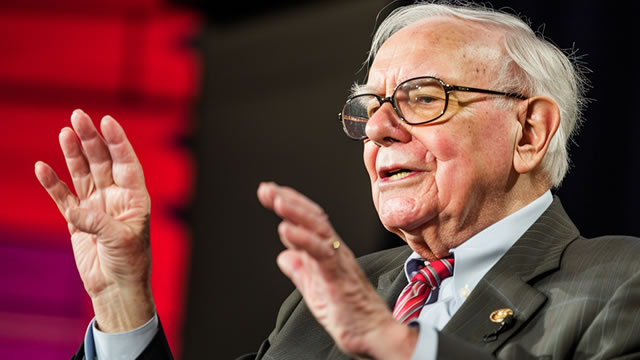
This $750,000 Stock Could Be Your Ticket to Millionaire Status
The Motley Fool· 2026-02-17 07:15
Core Insights - Berkshire Hathaway has averaged annual gains of about 20% over the past decades, although growth has slowed recently [1][4] - The stock is currently priced at approximately $497.45 per share, with a market capitalization of $1.1 trillion [7] - The company is involved in various sectors including insurance, energy, transportation, manufacturing, and retail, owning numerous subsidiaries and a significant stock portfolio [7][8] Investment Potential - Investing in Berkshire Hathaway is suggested as a safer alternative to growth stocks, which can be overvalued and more volatile during market downturns [2][4] - A conservative estimate for future growth is around 11% annually, which could lead to substantial returns over time, such as $1,372,960 after 25 years with a monthly investment of $1,000 [5][4] - The company has a diverse portfolio, including ownership stakes in major companies like Chevron, American Express, Coca-Cola, and Bank of America [7]
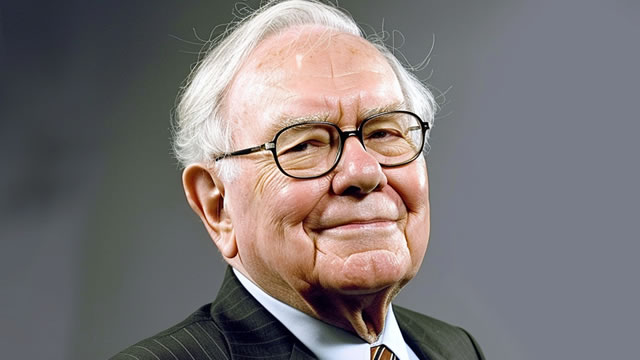
Quote of the day by Warren Buffett: ‘It does pay to have the right role models. I was very lucky, very early…’
MINT· 2026-02-17 06:03
Core Insights - Warren Buffett emphasizes the importance of learning from role models and the impact they have on one's investment philosophy [2][3][4] - Buffett's long-term investment strategy focuses on high-quality businesses rather than short-term gains from low-quality stocks [4][5] - Berkshire Hathaway, under Buffett's leadership, has transformed from a failing textile company into a $1.2 trillion empire with significant returns over decades [6][7][8] Investment Philosophy - Buffett advocates for a simple approach to investing, weighing pros and cons, and holding stocks for the long term to realize benefits [1][5] - He believes that education on what one is investing in can help investors manage the emotional challenges of stock ownership [5] - The concept that one exceptional business can compensate for multiple mediocre investments is a key part of Buffett's strategy [8] Company Overview - Berkshire Hathaway, co-led by Buffett and Charlie Munger, has achieved over 55,000,000% returns from 1964 to 2024 [7] - The company’s stock portfolio is heavily weighted towards a few key investments, with Apple, Bank of America, and Coca-Cola making up 70% of its $263 billion portfolio [8] - Buffett's net worth is estimated at $152 billion, ranking him as the 10th richest person globally [8]
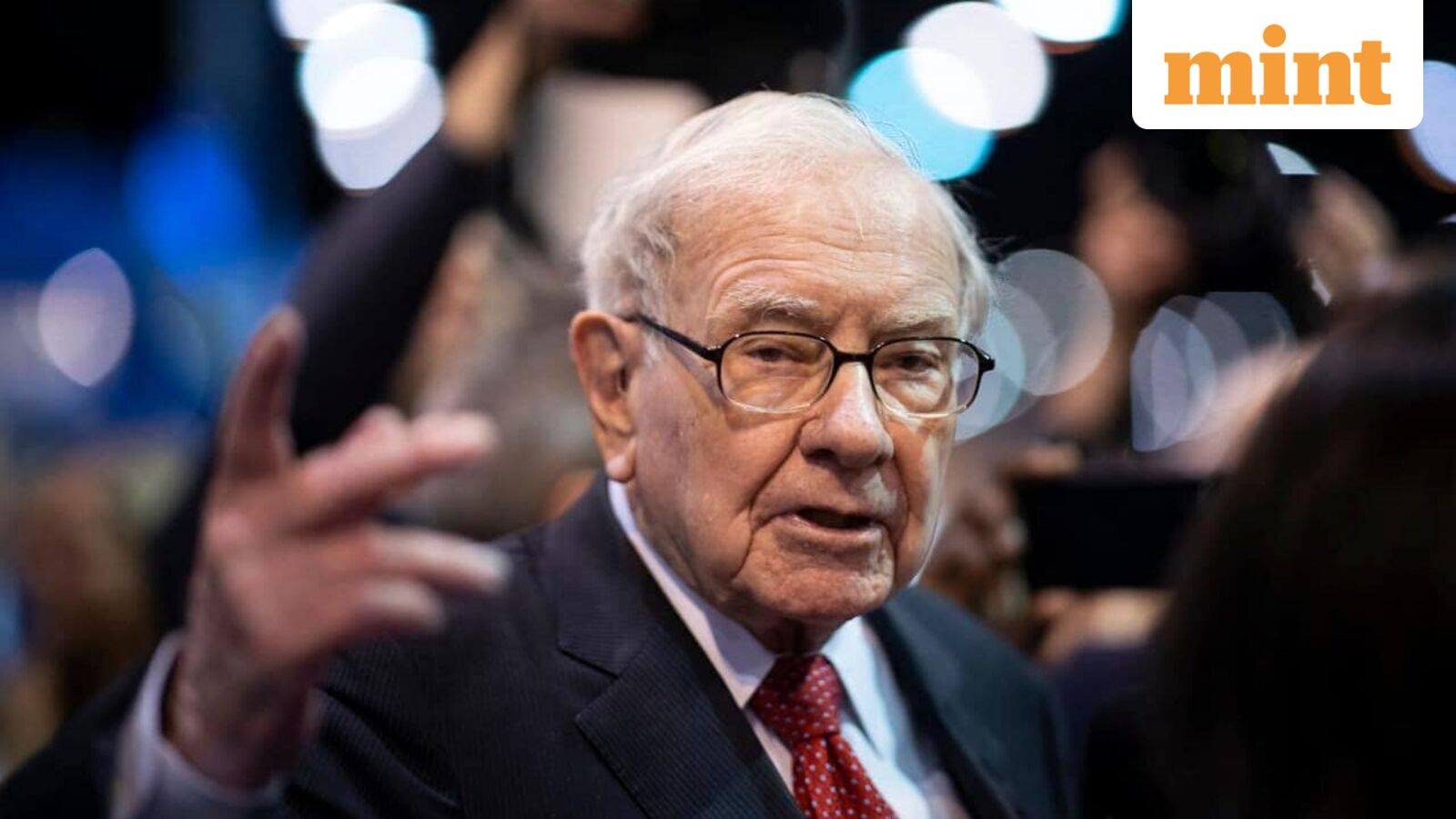
Is Berkshire Overvalued? The Rare Inverse Play for Those Betting Against the Oracle
The Motley Fool· 2026-02-16 20:16
Core Viewpoint - Berkshire Hathaway, traditionally viewed as a strong long-term investment, has underperformed the S&P 500 over the past year, raising concerns among investors about its future performance and the implications of Warren Buffett's retirement [4][5]. Group 1: Company Performance - Berkshire Hathaway has delivered an average annual return of nearly 20% since Warren Buffett took control in 1965, significantly outperforming the S&P 500's average annual return of 10% [1]. - The company's stock has risen by less than 4% over the past 12 months, while the S&P 500 has advanced nearly 12% [4]. - Berkshire's market capitalization stands at approximately $1.08 trillion, with a portfolio worth $320 billion, accounting for 30% of its market cap [2]. Group 2: Strategic Decisions - The company paused its buybacks for five consecutive quarters, indicating that its shares may be overvalued [4]. - Buffett's decision to sell many of Berkshire's top stocks has resulted in a record cash position of $382 billion by the end of Q3 2025, suggesting concerns about the overheated S&P 500 [5]. - Buffett's retirement at the end of 2025 has led to uncertainty among investors, prompting some to consider selling their shares [5]. Group 3: Investment Products - Direxion offers an inverse ETF, the Daily BRKB Bear 1X Shares, which allows investors to bet against Berkshire Hathaway's stock [7]. - This ETF uses total return swaps to replicate a short position against Berkshire, meaning it rises when Berkshire's stock declines and falls when Berkshire's stock rises [8]. - The strategy is highly leveraged and carries risks, with a high expense ratio of 0.97% and daily resets of returns [9].

Chou Associates Dumps 293,000 Shares of This Berkshire Hathaway Holding
Yahoo Finance· 2026-02-16 17:13
Company Overview - SiriusXM Holdings Inc. reported a total revenue of $8.56 billion and a net income of $805 million for the trailing twelve months (TTM) [3] - The company offers a dividend yield of 5.02% and its stock price was $21.70 as of market close on February 12, 2026 [3] Business Model and Strategy - SiriusXM operates a subscription-based model, generating primary revenue from subscription fees for satellite radio, streaming audio, podcasts, and connected vehicle services [8] - The company maintains a strong competitive position through a vertically integrated content and distribution strategy, leveraging exclusive programming and broad automotive partnerships [5] - SiriusXM focuses on recurring subscription revenue and a diversified content portfolio to meet evolving consumer preferences in the U.S. audio entertainment market [5] Recent Developments - Chou Associates Management Inc. reduced its holding in SiriusXM by 292,873 shares, valued at approximately $6.30 million, during the fourth quarter of 2025 [1] - Following the sale, Chou Associates held 409,589 shares valued at $8.19 million, with the overall position's value dropping by $8.16 million [1] - As of December 31, 2025, Chou Associates' stake in SiriusXM represented 4.06% of its 13F assets under management (AUM) [2] Market Performance - SiriusXM shares were priced at $21.70 as of February 12, 2026, reflecting an 11.6% decline over the past year, underperforming the S&P 500 by 24.47 percentage points [2] - The fund reported a total of 28 positions and $201.55 million in reportable U.S. equity holdings at the end of the quarter [2] Investment Considerations - Chou Associates may have a portfolio management strategy in mind with the stock sale, as it still holds a significant amount of SiriusXM shares [9] - Berkshire Hathaway, which holds a substantial position in SiriusXM valued at nearly $3 billion (approximately 35% ownership), may influence Chou Associates' overall ownership strategy [10]

3 Billionaires Have One Key Stock As Their Largest Holding. You'll Be Surprised to Know What It Is.
247Wallst· 2026-02-16 16:14
Core Insights - Three billionaires, Warren Buffett, Ken Fisher, and Chris Davis, have Costco as a significant holding, highlighting its appeal among top investors [1] Group 1: Investment Performance - Warren Buffett purchased Costco in 2000 at under $29 per share and sold it in 2020 after achieving approximately 900% returns [1] - Ken Fisher bought Costco shares in 2012 at a price range of $45 to $65 per share, with the stock's value significantly increasing since then [1] - Chris Davis acquired Costco shares around $27 per share in mid-2000, emphasizing its long-term investment potential [1] Group 2: Competitive Advantage - Costco's business model relies heavily on membership fees, which account for about 70% of its revenue, providing a durable competitive moat [1] - The company has demonstrated consistent same-store sales even during economic downturns, reinforcing its stability and attractiveness to investors [1] Group 3: Investment Strategies - Buffett's investment in Costco aligns with his criteria for long-term holdings, showcasing the stock's resilience through various market crises [1] - Fisher's strategy mirrors Buffett's, focusing on long-term value and customer loyalty, which he believes can drive future growth [1] - Davis views Costco as one of the best quality compounders in the retail sector, indicating strong confidence in its business model [1]

Bruker's Q4 Earnings Lag Estimates, Margins Contract, Stock Down
ZACKS· 2026-02-16 16:05
Core Insights - Bruker Corporation (BRKR) reported adjusted earnings per share (EPS) of 59 cents for Q4 2025, a decline of 22.4% year over year, and missed the Zacks Consensus Estimate by 9.2% [1][7] - The company’s total revenues for Q4 were $977.2 million, a slight decrease of 0.2% year over year, but exceeded the Zacks Consensus Estimate by 1.12% [3][10] - For the full year 2025, adjusted EPS was $1.83, down 24.1% from the previous year [2] Revenue Analysis - Q4 revenues by geography showed a 13.8% decline in the U.S. to $225 million, while Europe saw a 1% increase to $377 million, and Asia Pacific revenues rose 8.3% to $301.2 million [4] - The BSI BioSpin segment revenues fell 2% to $267 million, while BSI CALID revenues increased by 3.4% to $331.6 million [4] - Total revenues for 2025 reached $3.44 billion, reflecting a 2.1% increase from the previous year [3] Margin Performance - Gross profit decreased by 8.9% to $449.2 million, with gross margin contracting by 439 basis points to 46% due to an 8.6% rise in the cost of revenues [5][10] - Adjusted operating profit was $102.4 million, down 27.7% year over year, with adjusted operating margin contracting by 398 basis points to 10.5% [5] Financial Position - At the end of Q4 2025, Bruker had cash and cash equivalents of $298.8 million, an increase from $183.4 million at the end of 2024 [6] - Long-term debt at the end of Q4 2025 was $1.87 billion, down from $2.09 billion at the end of Q4 2024 [8] 2026 Guidance - Bruker provided guidance for 2026, expecting revenues between $3.57 billion and $3.60 billion, indicating a year-over-year growth of 4% to 5% [9] - Adjusted EPS for 2026 is projected to be in the range of $2.10 to $2.15, representing an increase of 15% to 17% year over year [9] Overall Assessment - The company ended Q4 2025 with mixed results, as earnings missed estimates while revenues surpassed them [10] - Margins were negatively impacted by lower volume, unfavorable mix, tariffs, and currency headwinds [10] - Despite challenges, Bruker’s innovation efforts showed promise, with expectations for improved contributions from the BEST segment in 2026 [11]