HDFC Bank

Search documents
Mcap of 7 of top-10 most valued firms declines by ₹35,439 crore; SBI biggest laggard
BusinessLine· 2025-12-28 07:27
Market Valuation Decline - The combined market valuation of seven of the top-10 most valued firms declined by ₹35,439.36 crore in a holiday-shortened last week, with State Bank of India experiencing the largest drop [1] - The BSE benchmark climbed 112.09 points or 0.13 percent during the same period [1] Valuation Erosion - State Bank of India's market valuation tumbled by ₹12,692.1 crore to ₹8,92,046.88 crore [2] - Reliance Industries' valuation dropped by ₹8,254.81 crore to ₹21,09,712.48 crore [2] - Bajaj Finance faced a decline of ₹5,102.43 crore, bringing its market valuation to ₹6,22,124.01 crore [3] - Larsen & Toubro's market capitalization decreased by ₹4,002.94 crore to ₹5,56,436.22 crore [3] - ICICI Bank's market capitalization edged lower by ₹2,571.39 crore to ₹9,65,669.15 crore [3] - Life Insurance Corporation of India's market capitalization diminished by ₹1,802.62 crore to ₹5,37,403.43 crore [3] - Tata Consultancy Services' market capitalization dipped by ₹1,013.07 crore to ₹11,86,660.34 crore [3] Valuation Gains - HDFC Bank's valuation increased by ₹10,126.81 crore to ₹15,26,765.44 crore [4] - Infosys surged by ₹6,626.62 crore to a market valuation of ₹6,87,818.84 crore [4] - Bharti Airtel climbed by ₹5,359.98 crore to reach ₹12,00,692.32 crore [4] Ranking of Firms - Reliance Industries remains the most valued firm, followed by HDFC Bank, Bharti Airtel, TCS, ICICI Bank, State Bank of India, Infosys, Bajaj Finance, Larsen & Toubro, and LIC [4]


Personal loan cooling-off period explained: Bank-wise cancellation charges
MINT· 2025-12-26 10:29
Core Insights - Personal loans serve as a quick credit solution during financial emergencies, but borrowers may sometimes need to cancel them if the emergency is resolved or postponed [1] Cooling-Off Period - The cooling-off period for personal loans is a designated timeframe allowing borrowers to cancel the loan, typically ranging from 3 to 15 days post-disbursement [2][10] - This period is also referred to as the look-up period [2] Bank-Specific Policies - **ICICI Bank**: Offers a 15-day cooling-off period with no cancellation charges if canceled within this timeframe; however, processing fees are non-refundable. A cancellation fee of ₹2,500 applies after the cooling-off period [3] - **Kotak Bank**: Provides a cooling-off period of the transaction plus four days for digital loans, with no cancellation charges during this period. Post-cooling-off, charges are ₹1,000 + GST or 1% of the principal outstanding + GST, whichever is higher [4] - **IDFC FIRST Bank**: Has a 3-day cooling-off period with no cancellation charges if canceled within this timeframe [5] - **HDFC Bank**: Allows cancellation within the cooling-off period but charges interest from disbursement to cancellation date; processing fees and other charges are non-refundable [6] - **Tata Capital**: Offers a 3-day cooling-off period with no penalties for prepayment; post-period cancellation charges are 2% of the loan or ₹5,750, whichever is higher [7] - **SMFG India Credit**: Allows cancellation before the first EMI with a charge of ₹1,000 + GST [8] - **Hero Fincorp**: No cancellation charges for online cancellations, but processing fees are non-refundable [9] Cancellation Process - If a personal loan needs to be canceled, borrowers should check the cooling-off period and any applicable cancellation charges [10] - If the cooling-off period has expired, borrowers may negotiate with the bank/NBFC for a waiver of cancellation charges [11] - The cancellation process involves submitting a request form and repaying the loan amount, after which the bank will confirm the loan closure [12]

PSB consolidation to gain momentum in 2026 as govt eyes big, world-class banks
BusinessLine· 2025-12-26 06:08
Consolidation in Public Sector Banks - The government aims to accelerate consolidation in public sector banks to create larger, world-class banks by 2047, as stated by Finance Minister Nirmala Sitharaman [1][2] - Currently, there are 12 public sector banks, with only the State Bank of India (SBI) ranked among the global top 50 banks by assets, positioned at 43rd [2] Historical Context of Consolidation - The government has previously conducted two rounds of consolidation, reducing the number of public sector banks from 27 in 2017 to 12 in 2019 through major mergers [3][4] - Notable mergers include the consolidation of United Bank of India and Oriental Bank of Commerce with Punjab National Bank, and others involving Syndicate Bank, Allahabad Bank, and Andhra Bank [4][5] Financial Performance of Public Sector Banks - In the first half of FY25-26, the 12 public sector banks reported a net profit of ₹93,675 crore, a 10% increase from ₹85,520 crore in the same period of the previous fiscal year [7] - The net profit for public sector banks is projected to exceed ₹2 lakh crore by the end of FY26, following a record profit of ₹1.78 lakh crore in the previous financial year, which was a 26% increase from ₹1.41 lakh crore in FY24 [8] Foreign Investment Trends - The private sector banking space has seen significant foreign capital inflow, exemplified by Sumitomo Mitsui Banking Corporation acquiring a 20% stake in Yes Bank for ₹13,483 crore [9] - Emirates NBD Bank also announced plans to acquire a 60% stake in RBL Bank for ₹26,853 crore, indicating the attractiveness of India's financial institutions to foreign investors [10] Regulatory Developments in the Insurance Sector - The passage of the Sabka Bima Sabki Raksha Bill allows for 100% foreign direct investment in the insurance sector, which is expected to attract new capital and enhance competition [11][12] - The removal of the 18% GST rate on individual policy premiums has improved affordability and access to insurance products [12][13]
PSU banks are quietly eating private banks’ lunch? Motilal Oswal says HDFC Bank, ICICI Bank, SBI and AU Bank matter most
The Economic Times· 2025-12-26 03:52
Core Insights - Public sector banks (PSUs) are actively gaining market share in MSME and home loans, reshaping competitive dynamics in India's financial system [1][14] - The credit cycle is transitioning into a more sustainable, execution-led phase, with systemic loan growth projected to hold at about 12% or more year-on-year in FY26 [11][15] MSME Lending - PSU banks are sanctioning MSME and working-capital loans with turnaround times of two to four days, with the State Bank of India often completing approvals within 48 hours [1][2] - The use of CGTMSE-backed structures allows loans of up to ₹500 million to be sanctioned without collateral, narrowing the rate differential with private banks [2] - A strong central push to scale MSME credit has accelerated PSU bank execution, enabling them to gain market share over the past six to nine months [2] Unsecured Business Lending - Growth in unsecured business lending has moderated to about 10–20%, down from 30–40% in previous years, despite a pricing correction to around 12–12.5% [4] - Stress is evident in agri-linked commodity businesses and FMCG distributors, with payment cycles stretching from about 10 days to nearly 40 days [5] Housing and Real Estate - Housing and real estate momentum remains strong, supported by improved disbursement rates and activity among large developers [7] - PSU banks are regaining relevance in home loans due to lower rates and faster turnaround times, particularly in Tier-2 and Tier-3 cities [8] Credit Cards and Personal Loans - Credit card growth remains subdued, with selective issuances and elevated delinquency levels compared to historical norms [9] - Personal loans are showing early signs of stabilization, with incremental disbursements skewed towards existing customers and higher-quality repeat borrowers [10] Investment Preferences - The brokerage favors lenders with execution strength and stable asset quality, specifically ICICI Bank, HDFC Bank, State Bank of India, and AU Bank for their growth potential [13][15]

Bank holiday today: Are banks open or closed on 26th December due to Christmas celebrations? Check RBI calendar
MINT· 2025-12-26 02:04
Group 1 - Banks in several parts of India, including major banks like State Bank of India, HDFC Bank, and ICICI Bank, are closed today, December 26, due to Christmas celebrations as decided by the Reserve Bank of India [1][2] - In states like Mizoram, Meghalaya, and Nagaland, banks are closed for at least three days for Christmas, with Nagaland observing a six-day closure starting December 23 [2] - There are a total of 14 bank holidays in December, in addition to weekends, with banks following regional and national holidays according to the RBI bank holiday calendar [3] Group 2 - On national holidays such as Christmas, all banks across India remain shut [4] - ATM services and online banking options like NEFT, IMPS, and RTGS are available 24/7 during bank holidays for cash withdrawals and money transfers [5] - Upcoming bank holidays include closures on December 27 for the fourth Saturday, December 28 for Sunday, and specific closures in Meghalaya and Manipur for local observances [6]
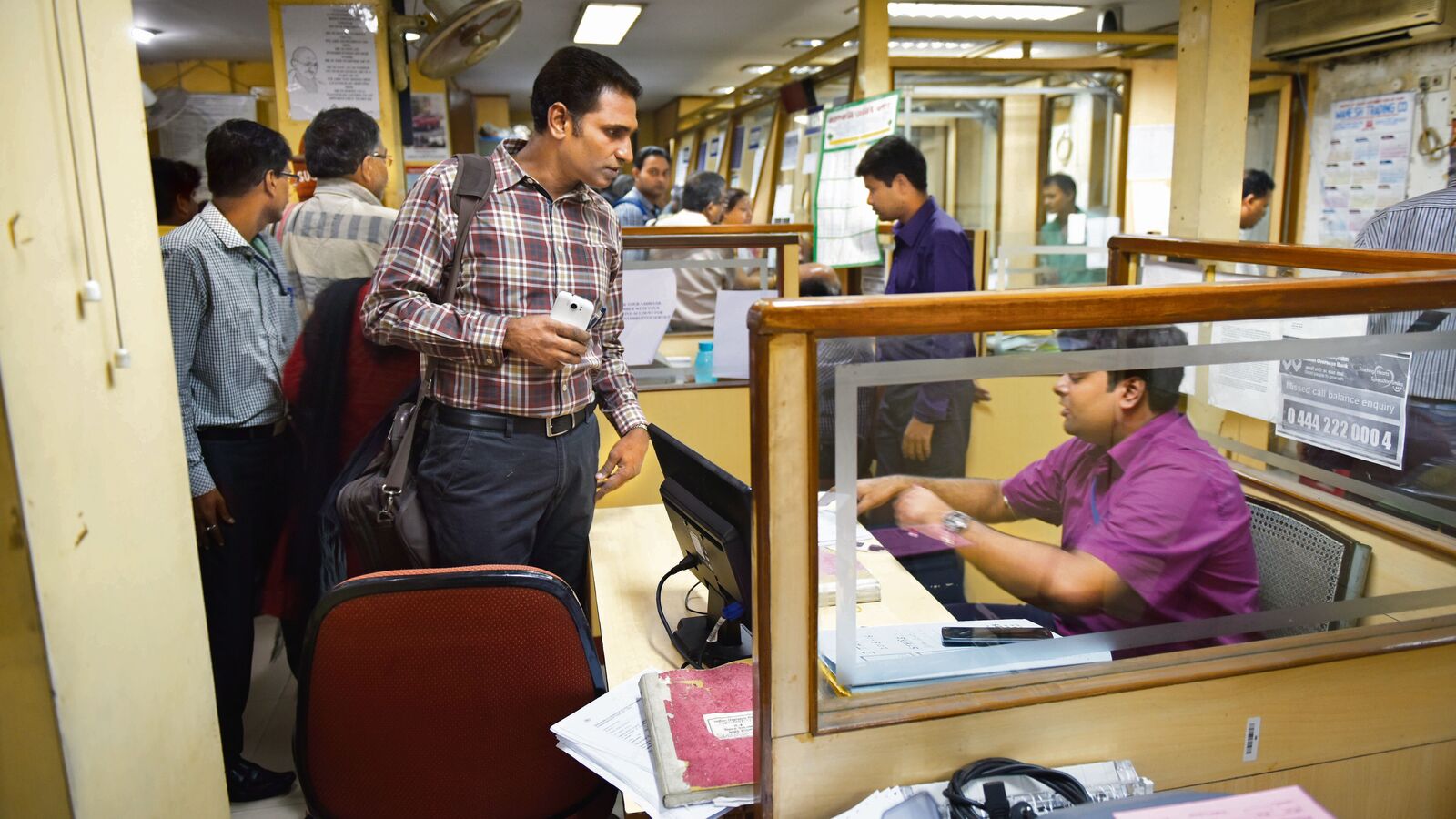
Bank holiday today: Are banks open or closed on December 25 for Christmas? All you need to know
MINT· 2025-12-25 02:08
Group 1 - Banks across India, including major institutions like State Bank of India, HDFC Bank, and ICICI Bank, will be closed on 25 December 2025 for the Christmas holiday, as per the RBI bank holiday calendar [1][2] - The Christmas holiday is recognized as a national holiday in India, aligning with global celebrations [2] - Following Christmas, banks will also be closed on several upcoming holidays, including New Year's Day on 1 January 2026 and various regional festivals throughout January [2]
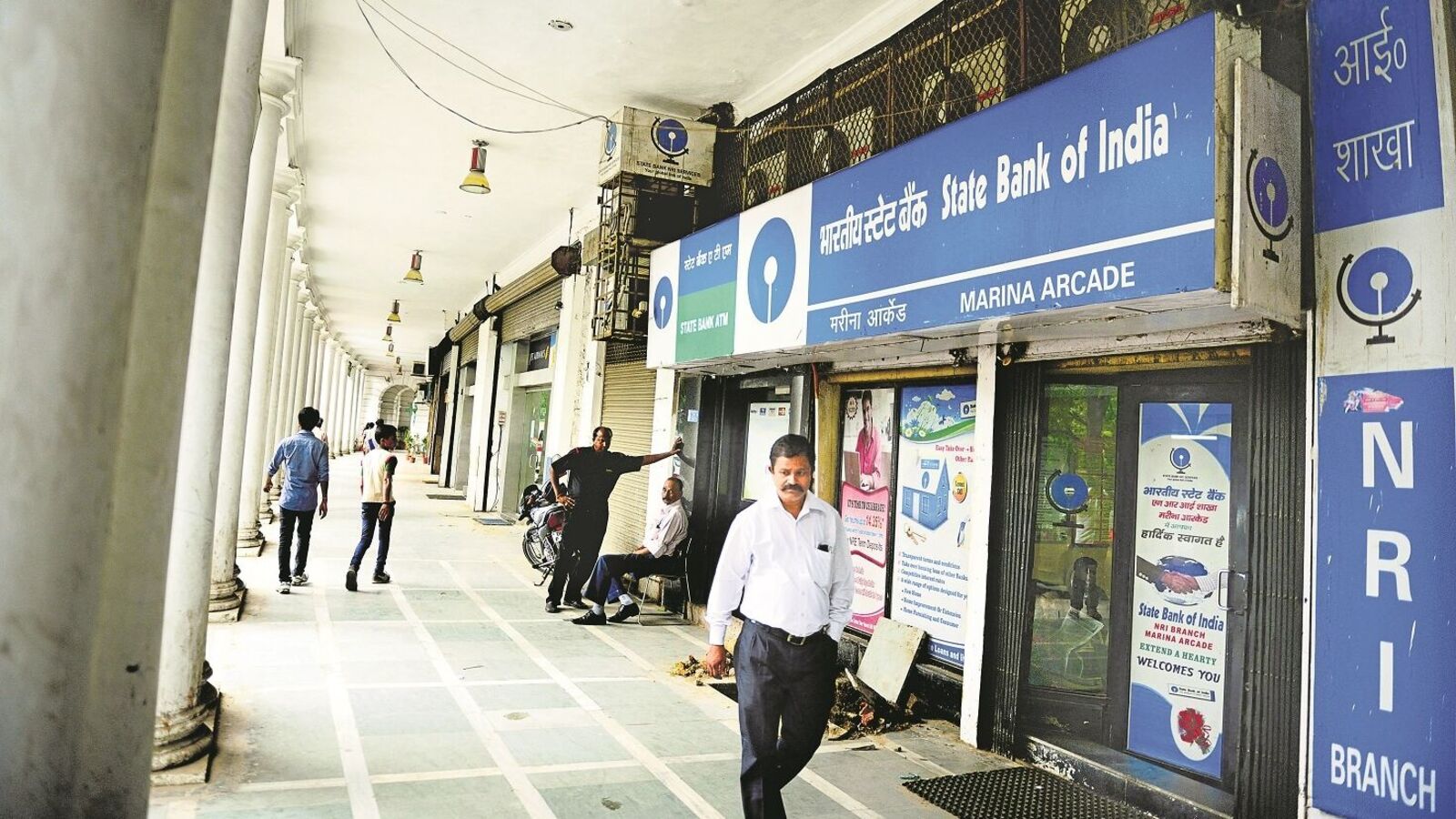
Sebi gives its go-ahead to road ministry’s proposed public InvIT
The Economic Times· 2025-12-24 18:10
Core Insights - The Securities and Exchange Board of India (SEBI) has approved the Raajmarg Infra Investment Trust (RIIT), which aims to unlock the monetization potential of National Highway assets and create a long-term investment vehicle for retail and domestic investors [8] - The first issuance of InvIT units for retail and public investors is expected to be launched in February 2026 [1][8] - Over the next three to five years, approximately 1,500 km of completed and operational national highways will be introduced into the public InvIT, providing significant investment opportunities for the public [2][8] Investment Vehicle Details - A public InvIT allows retail investors to directly invest in and earn income from a pool of operational infrastructure projects [2][8] - Units of public InvITs will be listed and traded on stock exchanges such as the National Stock Exchange (NSE) and the Bombay Stock Exchange (BSE), similar to mutual funds or equities [4][8] Financial Background - The National Highways Authority of India (NHAI) has monetized assets worth Rs 48,995 crore through the Toll-Operate-Transfer (TOT) model and raised around Rs 43,638 crore across four rounds of private InvITs, attracting significant domestic and international investors [5][8] - Raajmarg Infra Investment Managers (RIIMPL) has been established as the investment manager for RIIT, with equity participation from leading banks and financial institutions [6][8] Strategic Importance - The approval of RIIT is seen as a significant milestone in enhancing public participation in India's National Highway infrastructure development [8] - The initiative is expected to deepen public involvement and accelerate the development of a robust National Highway network across the country [7][8]
Highway funding push: NHAI gets Sebi nod for Raajmarg Infra InvIT; retail investors set to tap highway monetisation
The Times Of India· 2025-12-24 15:47
In a statement issued on Wednesday, NHAI said the Public InvIT is designed to unlock the monetisation potential of operational national highway projects while offering a long-term investment avenue, primarily targeted at retail and domestic investors. The move is seen as a key step in expanding public involvement in India’s highway infrastructure growth, while also helping NHAI recycle capital for future road development. As part of the structure, NHAI has earlier incorporated Raajmarg Infra Investment Man ...
Offers for sale account for 63 per cent of IPO fund-raise in 2025
BusinessLine· 2025-12-24 13:43
Core Insights - The funds raised through IPOs in 2025 have increased by 7% to ₹1.71 lakh crore from ₹1.59 lakh crore in 2024, driven by strong retail and domestic institutional participation [1] - The offer-for-sale (OFS) component has risen by 13% to ₹1.07 lakh crore, accounting for 63% of the total funds raised, while fresh capital raised for capital expenditure has remained nearly unchanged at ₹64,031 crore [2] - The dominance of OFS in IPOs suggests that market valuations may be nearing a cyclical peak, as informed insiders typically divest when prices are favorable [4] Fundraising Dynamics - The largest IPO this year was Tata Capital, raising ₹15,512 crore entirely through OFS by Tata Motors, while HDB Financial Services raised ₹12,500 crore through OFS by HDFC Bank [3] - Other significant OFS issues include LG Electronics (₹11,607 crore), KSH International (₹290 crore), and Swiggy (₹6,828 crore) [3] Market Trends - The relatively low share of fresh issue proceeds dilutes the original purpose of IPOs, which is to fund expansion and strengthen balance sheets [5] - Future IPOs are expected to continue being OFS-heavy, with fundraising estimates for next year ranging between ₹1.8 lakh crore and ₹2.5 lakh crore [8] Investor Considerations - Retail investors are advised to focus on the use of proceeds and promoter involvement post-IPO, rather than just short-term listing gains [6] - Extra due diligence is necessary when OFS dominates an IPO to avoid funding exits at inflated prices [7]


Sensex slips 43 pts; IT shares fall on profit-taking
Rediff· 2025-12-23 15:25
Market Performance - The BSE Sensex declined by 42.64 points or 0.05% to close at 85,524.84, ending a two-day gaining streak [2] - The index reached a high of 85,704.93 and a low of 85,342.99 during the trading session [2] - The NSE Nifty index saw a marginal increase of 4.75 points or 0.02%, closing at 26,177.15 [2] Sector Performance - Major laggards among Sensex firms included Infosys, Bharti Airtel, Adani Ports, Sun Pharma, Tech Mahindra, Eternal, Axis Bank, and Maruti [2] - Gainers in the market included ITC, UltraTech Cement, Tata Steel, and HDFC Bank [3] Investor Activity - Foreign Institutional Investors (FIIs) sold equities worth Rs 457.34 crore, while Domestic Institutional Investors (DIIs) purchased equities worth Rs 4,058.22 crore [6] - The market experienced broad-based profit-booking, with a lack of fresh positive triggers contributing to the flat session [7] Global Market Influence - Asian markets showed mixed results, with South Korea's Kospi, Japan's Nikkei 225, and Shanghai's SSE Composite indices closing positively, while Hong Kong's Hang Seng index ended lower [6] - Brent crude oil prices increased by 0.10% to $62.13 per barrel, indicating some support for financials and FMCG sectors [8] Future Outlook - Investors are preparing for the upcoming earnings season and are closely monitoring Federal Reserve policy expectations, with increasing probabilities of rate cuts for the January meeting [9]