Berkshire Hathaway

Search documents
Charlie Munger once said finfluencers ‘mislead you on purpose’ — here’s the wealth-building plan he recommended instead
Yahoo Finance· 2026-02-15 14:05
Core Viewpoint - The article emphasizes the importance of financial literacy and the risks associated with following dubious financial advice from social media influencers, advocating for a more traditional, passive investment approach as promoted by Warren Buffett and Charlie Munger [3][4][6]. Financial Literacy and Advice - A significant portion of young Americans, specifically 42% of those aged 18 to 29, seek financial advice on social media, highlighting a concerning trend in financial literacy [4]. - Only 48% of adults could correctly answer more than half of the financial questions in the 2025 TIAA Institute-GFLEC Personal Finance Index, indicating a widespread lack of financial knowledge [3]. Investment Strategies - Buffett and Munger argue that most investors struggle to outperform the market, making index funds a suitable choice for average investors, with the S&P 500 delivering an average annual return of over 14% in the past decade [6][7]. - From 2003 to 2023, 98.6% of actively managed domestic equity funds underperformed the S&P 500 Equal Weight Index, reinforcing the case for passive investing [7]. Real Estate Investment - Berkshire Hathaway has invested nearly $1 billion in homebuilding companies, indicating a belief in the growing demand for U.S. housing [13]. - Platforms like Arrived allow investors to buy shares in rental properties without the responsibilities of homeownership, making real estate investment more accessible [14][15]. - Lightstone DIRECT offers accredited investors direct access to multifamily real estate opportunities, with a historical net IRR of 27.6% and a 2.54x historical net equity multiple since 2004 [21].
The SPYT Income ETF Pays Monthly but Caps Your Gains When Markets Rally
247Wallst· 2026-02-15 13:00
Core Insights - The Defiance S&P 500 Income Target ETF (SPYT) provides steady monthly income but underperforms the S&P 500 due to capped gains during market rallies [1] Group 1: ETF Performance - SPYT launched in March 2024, promising high monthly income through daily call options on the S&P 500 while holding the index itself [1] - Monthly distributions have averaged around $0.31 per share, but the ETF has lagged behind the S&P 500 by several percentage points over the past year [1] - Analysts have noted that SPYT's call spread strategy may not be as effective as competing income ETFs, raising concerns about its risk-adjusted returns since launch [1] Group 2: Market Conditions - SPYT performs well in sideways, range-bound markets where stocks oscillate without significant movement, allowing for income generation without sacrificing much upside [1] - In strong trending markets, particularly tech-driven rallies, SPYT's strategy limits gains when investors seek exposure to rising stocks [1] - The fund's core position includes the iShares Core S&P 500 ETF, with a significant portion in tech stocks, which are the most volatile and highest-premium names in the index [1] Group 3: Distribution Trends - Monthly payouts have compressed from early highs due to tighter option markets, indicating weaker call demand and lower implied volatility [1] - This compression raises questions about the sustainability of the covered call strategy, as continued declines in payouts could weaken the high-yield thesis [1] - Monitoring distribution trends is crucial; stabilization or increases in payouts would indicate a successful strategy, while ongoing declines could suggest better risk-adjusted returns may be found elsewhere [1]

Quote of the day by Charlie Munger: ‘Good investment opportunities don't come often… you've got to be prepared to act'
MINT· 2026-02-15 09:35
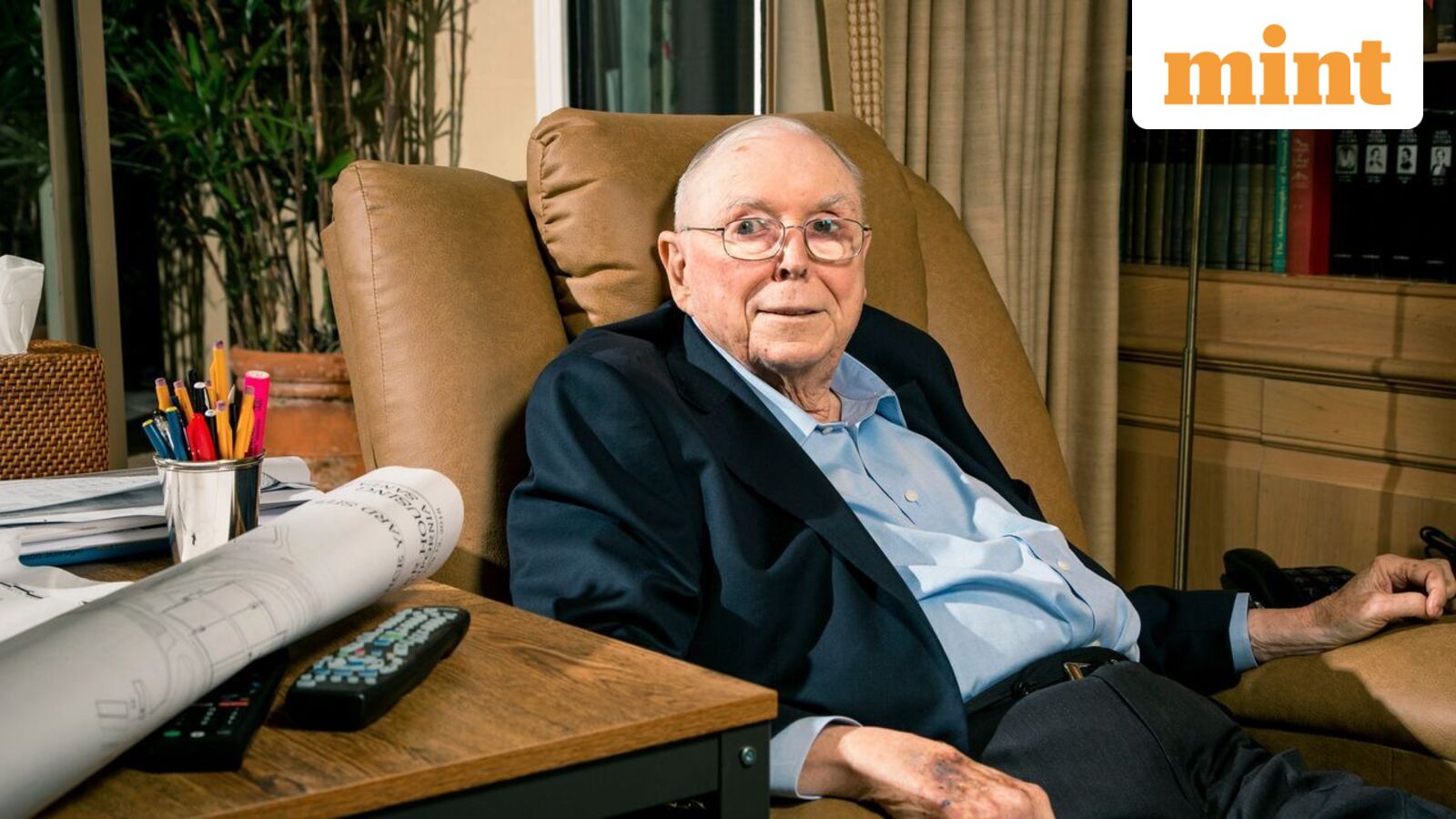
Core Insights - Charlie Munger, co-founder of Berkshire Hathaway, emphasized the importance of being prepared to act when investment opportunities arise [1][2] - Munger's investment philosophy highlights patience and preparedness as key traits for making successful investment decisions [2][3] Investment Philosophy - Munger noted that major investment opportunities are rare, and investors should maintain a curious mindset to seize them when they appear [3] - He and Warren Buffett's investment strategy relied on patience, with a focus on a few significant decisions rather than frequent trading [4] Legacy and Impact - Munger played a crucial role in transforming Berkshire Hathaway from a struggling textile company into a multi-billion dollar empire, achieving an average annual gain of 20% from 1965 to 2022, outperforming the S&P 500 [8] - His net worth was approximately $2.6 billion, with $2.2 billion in Berkshire stock at the time of his passing [9]
Berkshire CEO Abel praises Kraft Heinz for turnaround on planned split
CNBC· 2026-02-14 13:39
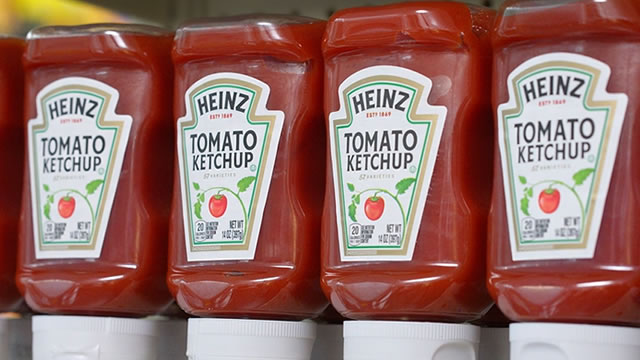
Core Insights - Berkshire Hathaway's new CEO supports Kraft Heinz's decision to pause the planned separation of Kraft from Heinz, which was initially announced in September 2022 [2][3] Group 1: Company Developments - Kraft Heinz's new CEO, Steve Cahillane, has identified that the company's opportunities are larger than expected and many challenges are manageable [2] - The decision to pause the separation aims to strengthen Kraft Heinz's competitive position and enhance customer service [3] Group 2: Shareholder Impact - Berkshire Hathaway holds a 27.5% stake in Kraft Heinz, valued at approximately $8.1 billion, making it the largest shareholder [3]


Should You Buy Berkshire Hathaway Stock Before Earnings?
The Motley Fool· 2026-02-13 22:30
Many eyes will be on its massive equity portfolio and its cash holdings.Where does the time go? Berkshire Hathaway's (BRKA +0.25%)(BRKB 0.51%) first earnings report in the post-Warren Buffett era is almost upon us. Buffett, of course, is still on the scene as chairman, but as of Jan. 1, he's no longer CEO. Regardless, Berkshire -- which hasn't formally set a date for disseminating its fourth-quarter and full-year 2025 results -- will likely unveil them toward the end of February. Here's my take on whether i ...
I Predicted That Oracle and Netflix Would Join Nvidia, Alphabet, Apple, Microsoft, Amazon, Broadcom, Meta Platforms, and Tesla in the $1 Trillion Club by 2030. Here's Why That Forecast Is Being Tested in 2026.
Yahoo Finance· 2026-02-13 17:31
Group 1: Market Capitalization and Stock Performance - Netflix's market capitalization is currently $346.9 billion, down 38.6% from its 52-week high [2][1] - Oracle's market capitalization stands at $410.4 billion, having fallen 56.5% from its peak [2][1] - Both companies are significantly below the $1 trillion market cap threshold, which includes major players like Nvidia, Alphabet, and Apple [2] Group 2: Oracle's AI Investments and Financial Position - Oracle is raising capital to fund its AI initiatives, focusing on expanding its Oracle Cloud Infrastructure (OCI) and multicloud data centers [5][7] - The company plans to raise $45 billion to $50 billion by 2026 through various financial instruments, including equity and bonds [7] - Oracle's long-term debt is $99.98 billion, while cash and cash equivalents are only $19.24 billion, raising concerns about its financial health [6][8] Group 3: Cash Flow and Investor Sentiment - Oracle reported negative free cash flow of $13.2 billion in Q2 of fiscal 2026, a decline from $9.5 billion in the same quarter the previous year [8] - The shift from being a high-margin cash generator to a capital-intensive operation has led to investor concerns regarding Oracle's heavy reliance on AI investments [8]

If Trump Lowers Steel Tariffs, Is Nucor Still a Buy?
247Wallst· 2026-02-13 15:32
Core Viewpoint - Nucor has experienced significant stock gains due to steel tariffs, but potential reductions in these tariffs by the Trump administration could impact its future performance and competitiveness in the market [1]. Group 1: Nucor's Performance - Nucor's stock has increased by 41% over the past 12 months and 16% year-to-date in 2026, benefiting from tariffs that have reached up to 50% [1]. - The company has maintained 210 consecutive quarterly dividend payments and has a strong cash position of $5 billion, supporting buybacks and expansion efforts [1]. Group 2: Tariff Changes - Trump is considering scaling back tariffs on steel and aluminum, which could include exemptions for certain products and a pause on expanding tariff lists [1]. - The rationale for these changes includes rising consumer prices and political pressures ahead of midterm elections, with 59% of Americans disapproving of Trump's handling of rising costs [1]. Group 3: Implications for the Steel Industry - Lower tariffs may expose U.S. steel producers to increased competition from imports, potentially affecting prices and profit margins [1]. - Steel imports saw a decline of 12.2% in 2025, with expectations of continued decreases into early 2026 [1]. - Despite potential challenges, demand from sectors like data centers and infrastructure projects may provide some support for the steel market [1]. Group 4: Investor Sentiment - Warren Buffett's recent purchase of 6.6 million shares of Nucor for approximately $850 million reflects confidence in the company's fundamentals, despite potential short-term uncertainties due to tariff changes [1]. - Nucor's efficient production methods and focus on high-margin areas, including green steel initiatives, position it favorably for long-term growth [1].


Almost 17% of Berkshire Hathaway's $328 Billion Portfolio Is Invested in 1 Top Stock That's Up 180% in 5 Years
Yahoo Finance· 2026-02-13 13:50
Core Insights - American Express (NYSE: AXP) has shown significant stock performance, with a price increase of 180% over the past five years, and a total return of 198% when including dividends [1] - Berkshire Hathaway holds a 22.1% stake in American Express, which has increased to represent 16.5% of its overall portfolio due to the company's stock buyback strategy [3] Company Performance - American Express has a strong brand presence in the credit card industry, offering premium cards that appeal to affluent customers, which contributes to its financial success [5] - The company has demonstrated pricing power, with an average fee per card increasing by 75% from 2020 to 2025, and it maintains lower delinquency and charge-off rates compared to industry averages [6] - Revenue (net of interest expense) has grown by 120% over the past decade, while diluted earnings per share have increased by 205%, with long-term growth targets set at 10% for revenue and mid-teens for earnings [7]

BRK.B or AIG: Which Insurance Stock Should Investors Bet On?
ZACKS· 2026-02-12 18:26
Industry Overview - The insurance industry is influenced by better pricing, climate change leading to catastrophe losses, and accelerated digitalization [1] - Global commercial insurance rates fell by 4% in Q4, marking the sixth consecutive quarter of decline due to increased competition from reinsurers and new entrants [2] Berkshire Hathaway (BRK.B) Analysis - Berkshire Hathaway is a diversified conglomerate with over 90 subsidiaries across various industries, which helps mitigate concentration risk [4] - Insurance constitutes approximately 25% of Berkshire's total revenues, with growth supported by increasing demand, disciplined underwriting, and favorable pricing trends [5] - The company has a strong financial position with over $100 billion in cash and a return on equity (ROE) of 7.3%, which is below the industry average [8] - Recent stock performance shows a 1% gain over the past month [8] American International Group (AIG) Analysis - AIG is a leading global insurance organization providing a wide range of insurance and financial services in over 80 countries [9] - The company has focused on stricter underwriting, divesting non-core businesses, and modernizing operations, resulting in an average underwriting profit of $2 billion annually over the past three years [11] - AIG's capital deployment strategy includes $734 million in dividends and $5.3 billion in share repurchases over the first nine months of 2025, with an ROE of 9.8% [13] - AIG's stock has gained 8.5% in the past month [13] Financial Estimates - The Zacks Consensus Estimate for BRK.B's 2026 revenues indicates a 4.7% year-over-year increase, while EPS is expected to decrease by 0.1% [14] - For AIG, the 2026 revenue estimate suggests a 5.3% year-over-year increase, with EPS expected to rise by 10.2% [15] Valuation Comparison - Berkshire Hathaway's price-to-book ratio is 1.54, above its five-year median of 1.44, while AIG's ratio is 1.03, above its median of 0.98 [16] Conclusion - Berkshire Hathaway offers a diversified investment opportunity, but investors are cautious about its performance under new leadership [17] - AIG's strategic initiatives and capital deployment enhance shareholder value, making it more appealing based on ROE and valuation metrics [19]


New Kraft Heinz CEO's difficult choice: Split or double down
Reuters· 2026-02-12 16:39
Core Viewpoint - Kraft Heinz's new CEO Steve Cahillane has decided to pause the separation of the company into two distinct entities, opting instead to focus on reviving struggling brands amid weak consumer sentiment [1] Group 1: Company Strategy - The decision to pause the separation was made to concentrate efforts on turning the business back to growth, as the separation process was deemed time-consuming and could not address the underinvestment in key brands like Oscar Mayer and Kraft Mac & Cheese [1] - Analysts have expressed concerns that the pause indicates core parts of the business may be in worse condition than previously thought, potentially leading to negative investor sentiment [1] Group 2: Financial Performance - Kraft Heinz's stock has declined by 13% since the announcement of the separation plan, contrasting with a 7.5% gain in the S&P 500, indicating investor dissatisfaction [1] - The company has experienced a decline in net sales, with a 3% drop in 2024 and a projected 3.5% drop in 2025, highlighting ongoing sales struggles [1] Group 3: Market Challenges - The company has been slow to adapt to changing consumer preferences, with younger brands capturing market share from legacy food companies, emphasizing the need for continuous reinvestment [1] - The rise in weight-loss drug usage is adding to the challenges faced by Kraft Heinz, further complicating its market position [1] Group 4: Future Outlook - Cahillane has earmarked $600 million for marketing, sales, and R&D to help turn the company around, indicating a strategic shift towards investment in brand development [1] - Brands in the slower-growth U.S. grocery division, such as Oscar Mayer and Kraft Singles, are identified as needing significant attention to improve their market performance [1]