Tesla

Search documents
Tesla Is Sued by Survivor of Deadly Cybertruck Crash
Insurance Journal· 2026-03-19 05:11
Core Viewpoint - Tesla Inc. is facing a lawsuit from the sole survivor of a 2024 Cybertruck crash that resulted in the deaths of three college students, highlighting ongoing concerns regarding the safety of its electrically powered door systems [1][3]. Group 1: Incident Details - The crash occurred in Piedmont, California, where Jordan Miller was rescued by a friend after the vehicle's doors failed to open, leading to the deaths of driver Soren Dixon, 19, and passengers Jack Nelson, 20, and Krysta Tsukahara, 19, due to smoke inhalation [2]. - The lawsuit claims that Tesla was aware of the dangers associated with its door systems but chose to prioritize aesthetics over safety, continuing to market a dangerous vehicle [3]. Group 2: Legal Actions and Investigations - Families of the deceased filed separate complaints in October, alleging that Tesla failed to address known issues with the door systems [4]. - The U.S. National Highway Traffic Safety Administration (NHTSA) has initiated a defect investigation into certain Model Y SUVs due to incidents where exterior handles malfunctioned, trapping occupants [5]. Group 3: Company Response and Future Actions - Tesla's chief designer indicated that the company is working on redesigning door handles to improve functionality in emergencies, and updates have been made to ensure that doors unlock automatically after a serious collision [5].



SEC Greenlights Nasdaq to Offer Tokenized Stock Trading With Equal Order Book Priority
FinanceFeeds· 2026-03-19 00:33
Core Insights - The U.S. Securities and Exchange Commission (SEC) has approved a rule change allowing Nasdaq to facilitate the trading of tokenized shares, marking a significant step towards integrating blockchain technology within regulated market infrastructure [1][4][12] Group 1: Tokenized Settlement Framework - Eligible participants can settle trades in tokenized form through a pilot program managed by the Depository Trust Company, aligning trading mechanics with traditional equity markets [2] - Tokenized shares will share the same order book and execution priority as conventional equities, ensuring identical shareholder rights and privileges [3][12] - The pilot program aims to improve efficiency in clearing and post-trade processes by embedding tokenization directly within regulated infrastructure [7] Group 2: Regulatory Context and Strategy - The SEC's approval reflects a broader initiative to modernize post-trade infrastructure without disrupting existing trading systems, allowing for the integration of blockchain technology [5][8] - SEC Chairman Paul Atkins indicated that further rulemaking may follow, including a potential "innovation exemption" to support new market structures while maintaining regulatory oversight [9] - The SEC is anchoring the development of tokenized securities within existing rules rather than creating a separate framework for crypto-based equities [12] Group 3: Market Implications and Future Outlook - The Nasdaq pilot represents a controlled test rather than a full market transition, ensuring continuity by requiring tokenized shares to mirror traditional equities [15] - If successful, the pilot could lead to broader adoption across exchanges and asset classes, particularly in areas where settlement efficiency is critical [17] - The approval indicates that tokenized equities are moving closer to regulated U.S. markets, prioritizing continuity over disruption [18]

Tesla Just Snubbed TSMC — Musk Is Quietly Building A Sovereign Chip Chain
Benzinga· 2026-03-18 22:17
Core Insights - Tesla is strategically reducing its dependence on Asian semiconductor supply chains by establishing domestic manufacturing for AI chips in the U.S. [2][3][4] - The move to produce AI chips at Samsung's Texas facility starting in 2027 signifies a shift towards a more self-sufficient and resilient supply chain for Tesla [2][4][5] - This strategy aims to ensure that Tesla's AI initiatives, including Full Self-Driving and Optimus, are not hindered by external factors, thereby enhancing its competitive edge in the AI landscape [4][5][6] Group 1 - Tesla's shift to in-house chip design and U.S.-based manufacturing represents the emergence of a 'sovereign' AI supply chain [4][5] - The focus is not solely on outperforming TSMC in technology but on mitigating risks associated with global supply chain vulnerabilities [3][4] - By controlling its chip production, Tesla aims to optimize for reliability and certainty in its AI rollout, contrasting with competitors who prioritize performance and cost [5][6] Group 2 - The establishment of a domestic chip supply chain is a significant power play, indicating Tesla's ambition to become a key player in the semiconductor ecosystem [6] - This strategy is not a rejection of TSMC but rather a signal of Tesla's intent to gain more control over its supply chain [6] - The combination of in-house design, U.S.-based manufacturing, and global deployment positions Tesla uniquely in the market [7]
Forget Tesla — Nvidia And Lucid Are Quietly Building Uber's AI Fleet
Benzinga· 2026-03-18 18:59
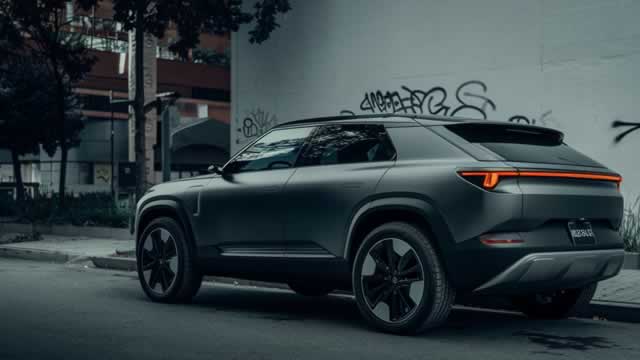
Core Insights - The autonomous vehicle industry is witnessing a shift from a single-stack model, exemplified by Tesla, to a modular ecosystem involving Nvidia, Lucid, and Uber [1][5][6] Group 1: Emerging Models - Nvidia is expanding its role from chip manufacturing to providing full-stack AI platforms for autonomous systems [1][2] - Lucid is focusing on designing vehicles that are ready for autonomy from the outset, rather than retrofitting existing models [2] - The collaboration between Lucid and Uber indicates a move towards scalable deployment of midsize autonomous vehicles [2][4] Group 2: Distribution Challenges - The primary challenge for autonomous vehicle strategies lies in distribution rather than technology [4] - Uber's existing global demand and ride network position it as a key player in deploying autonomous systems effectively [4] Group 3: Competitive Landscape - The competition in the autonomous vehicle space is evolving into two distinct models: one that builds everything (like Tesla) and another that connects various components (like Nvidia, Lucid, and Uber) [5] - The success of the robotaxi market may depend more on the effectiveness of the system integration rather than the quality of the individual vehicles [5]



3 Audio Video Stocks to Buy as Industry Tailwinds Gain Momentum
ZACKS· 2026-03-18 17:16
Industry Overview - The Zacks Audio Video Production industry includes manufacturers of televisions, speakers, video players, camcorders, gaming consoles, drones, and high-end cameras, providing advanced audio, imaging, and voice technologies to enhance entertainment and communication experiences [3] - The industry is experiencing growth driven by technological advancements such as 4K, 8K, and immersive audio formats, alongside the rise of streaming platforms and gaming [4] Key Trends - Technological advancements are a major growth driver, with increasing demand for high-resolution visual and audio experiences fueled by streaming and gaming [4] - The creator economy is boosting demand for enhanced cameras and editing tools, benefiting companies like GoPro [4] - Automotive audio presents a lucrative opportunity as vehicles become more software-driven and experience-focused [4] Market Performance - The industry has underperformed compared to the broader Zacks Consumer Discretionary sector and the S&P 500, losing 13.8% over the past year, while the S&P 500 gained 21.3% [11] - The industry's current forward 12-month P/E ratio is 16.94X, below the S&P 500's 21.57X and the sector's 17.22X [14] Company Highlights Sonos - Sonos is focused on product innovation, with recent launches including the Sonos Play & Era 100 SL speakers, aimed at enhancing user experience [19][20] - The company holds a 6% share of the $24 billion premium audio market and expects second-quarter revenues between $250 million and $280 million, indicating a potential year-over-year decline of 4% to an increase of 8% [21] - Sonos has a Zacks Rank 1 (Strong Buy) and shares have gained 16.8% in the past year [22] Dolby Laboratories - Dolby is seeing strong engagement with its Dolby Atmos and Dolby Vision technologies, with partnerships expanding in the automotive market [23][24] - The company expects fiscal 2026 revenues of $1.4-$1.45 billion, up from $1.35 billion in fiscal 2025 [25] - Dolby carries a Zacks Rank 2 (Buy) but shares have declined 25.5% in the past year [26] LiveOne - LiveOne is focused on cost reduction and debt management, leveraging AI to streamline operations [30] - The company is expanding B2B deals and has seen a 30% increase in its pipeline over the last four months [31] - LiveOne expects fiscal 2027 revenues of $85-$95 million, with a Zacks Rank 2, but shares have fallen 25.7% in the past year [32]




Tesla Just Turned A US Factory Into Its Biggest China-Risk Hedge
Benzinga· 2026-03-18 15:45
Core Insights - Tesla is strategically anchoring key parts of its supply chain in the U.S. to mitigate risks associated with reliance on China [1][2] - The establishment of domestic factories serves as a buffer against tariffs, trade restrictions, and geopolitical shocks, thereby reducing exposure to external risks [2][5] Supply Chain Strategy - By producing LFP battery cells in Michigan and AI chips in Texas, Tesla minimizes dependency on overseas supply chains, particularly from China [1][2] - Domestic production leads to fewer logistical challenges and reduces the impact of potential policy shifts on costs and timelines [2][4] Focus on Energy Business - The Megapack segment is becoming increasingly significant for Tesla, characterized by high margins and scalability, now supported by U.S.-based inputs [4] - This shift not only reduces tariff risks but also stabilizes costs and shortens supply chains, enhancing the resilience of Tesla's energy business [4][5] Shift in Supply Chain Philosophy - The global supply chain is transitioning from a focus on cost efficiency to one emphasizing resilience, with Tesla leading this change [5] - While Tesla continues to engage with the Chinese market, it is strategically reducing its future dependency on it, indicating a shift in operational strategy [5][6] Control and Competitive Advantage - The strategic establishment of U.S. factories is not just about expansion but also about gaining control and protection against geopolitical disruptions [6] - Companies with reduced exposure to external risks may gain significant competitive advantages in a volatile geopolitical landscape [6]
Tesla: Priced For Perfection In An Imperfect Reality (NASDAQ:TSLA)
Seeking Alpha· 2026-03-18 15:06
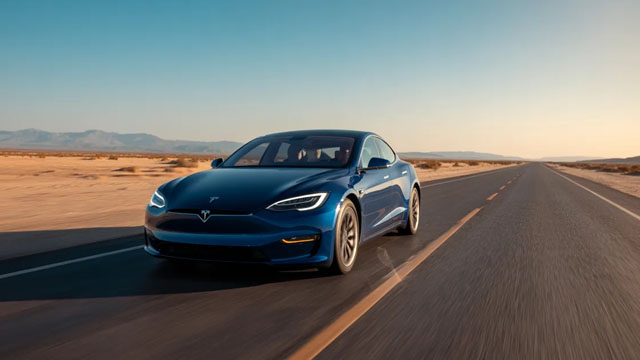
Tesla, Inc. ( TSLA ) continues to be one of the most ambitious companies in the world, expanding into new products such as Optimus and Cybercab. This makes Tesla's valuation closely tied to the successHi, my names Tyler! While I am currently a student at University of South Carolina well on my way to earning majors in Finance and Risk Management, I spend nearly all my free time analyzing companies and the market. My credentials include a Level 2 certification through the Adventis FMC program as well as cert ...
Why Tesla stock is down in the red today
Invezz· 2026-03-18 14:51
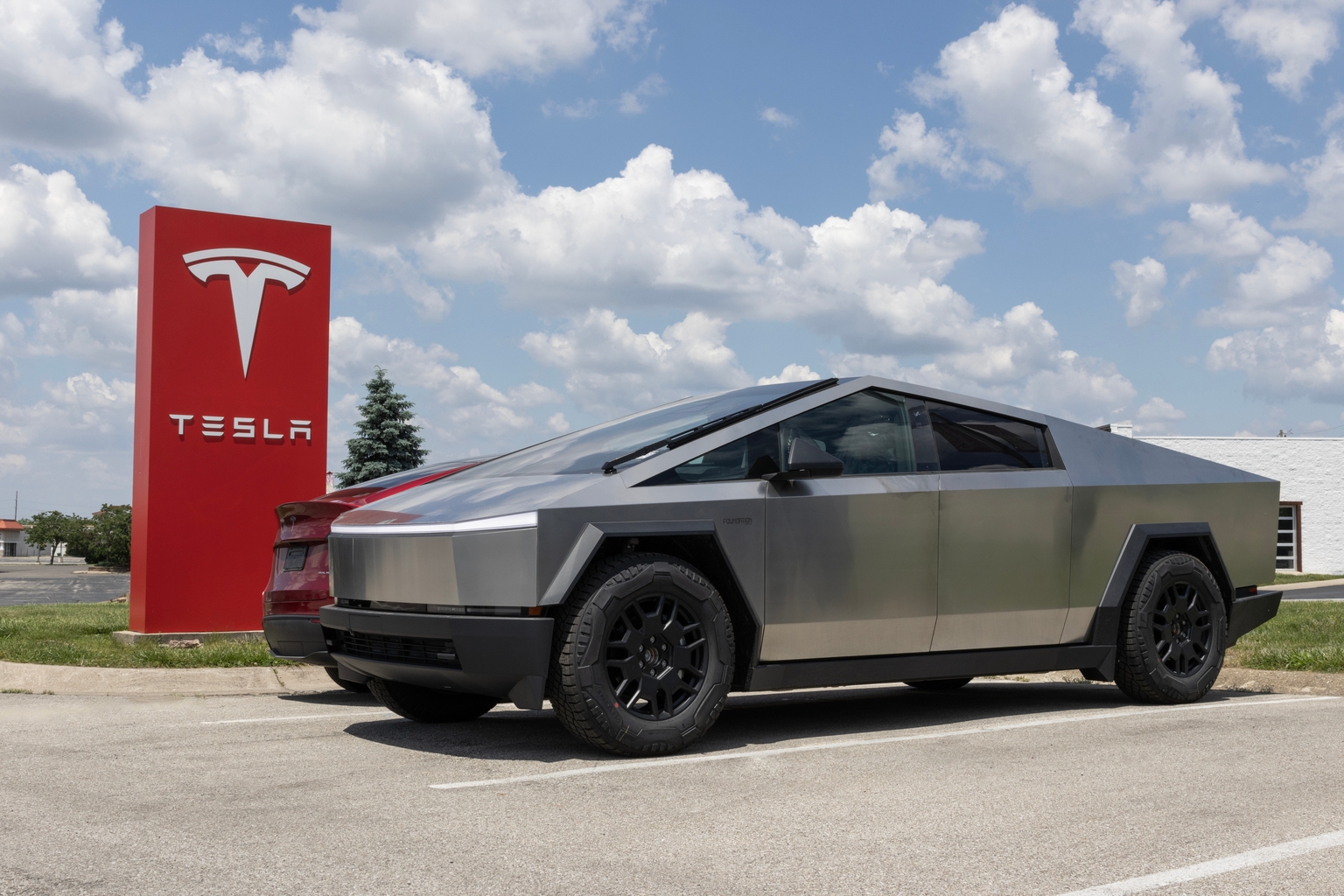
Core Viewpoint - Tesla's stock has declined to $398.75 amid broader market pressures due to stronger-than-expected inflation data, raising concerns about persistent inflation and its impact on growth-oriented stocks like Tesla [1][4]. Inflation and Economic Context - The producer price index (PPI) data indicated a 0.7% increase in wholesale prices for February, significantly higher than the 0.3% forecast, intensifying fears of stagflation as geopolitical tensions elevate energy costs [2][3]. - Investors are closely monitoring the Federal Reserve's policy decisions, with uncertainty surrounding potential rate cuts due to ongoing inflation concerns [3]. Tesla's Long-Term Growth Drivers - Despite short-term stock pressure, analysts emphasize Tesla's long-term growth potential, particularly in autonomous driving and robotaxi expansion, with Morgan Stanley maintaining an Equalweight rating and a $415 price target [5][6]. - The expansion of Tesla's robotaxi operations is seen as a crucial factor influencing investor sentiment, with production expected to commence in April [6]. Technological Advancements - Tesla's strategy includes advancements in artificial intelligence and robotics, with the upcoming launch of the "Terafab" chip factory and the anticipated unveiling of the Optimus Gen 3 humanoid robot targeted for the second half of 2026 [10]. - The feedback loop between robotaxi operations and Tesla's Full Self-Driving (FSD) technology is highlighted, where increased real-world data enhances software performance, potentially boosting vehicle demand and cash flow [8][9]. Energy Storage and Market Challenges - Energy storage remains a growth area for Tesla, although there are concerns about margin pressures due to competition and tariff timing [11].
TSYY: Aggressive Strategy Should Continue To Erode Capital (Rating Downgrade)
Seeking Alpha· 2026-03-18 14:32
Core Insights - The article discusses the challenges faced by option ETFs, particularly the unsustainable promise of high distribution rates [1] Group 1: Investment Strategies - The company emphasizes the importance of a balanced investment approach, combining classic dividend growth stocks with Business Development Companies, REITs, and Closed End Funds to enhance income while achieving total returns comparable to traditional index funds [1] - A hybrid investment system is proposed, which aims to blend growth and income effectively [1] Group 2: Market Analysis - The article highlights the trend of option ETFs offering high distribution rates that may not be sustainable, indicating a potential risk in this investment sector [1]
The Investment Case for Tesla After $4.3B Team-Up With LG Energy
ZACKS· 2026-03-18 13:45
Core Insights - Tesla is collaborating with LG Energy Solution to purchase $4.3 billion worth of lithium iron phosphate (LFP) battery cells, which will be produced in Michigan starting in 2027 [1][10] - The partnership aims to secure a domestic battery supply, reducing reliance on China and addressing tariff-related cost pressures [3][4] - Tesla's energy storage business is experiencing significant growth, with deployments increasing at a 168% CAGR over the past three years, reaching 46.7 GWh in 2025 [5][6] Energy Storage Business Growth - The energy generation and storage segment generated $12.7 billion in revenue in 2025, a 27% increase year-over-year, contributing 13% to total revenues [8] - Gross profit for the energy segment rose to approximately $3.8 billion, reflecting a 44% increase, with margins near 30%, making it Tesla's highest-margin business [8] - Tesla has secured over $6.4 billion in committed battery supply through agreements with LG Energy and Samsung SDI, indicating strong confidence in the energy storage business's long-term trajectory [7] Challenges in EV Business - Tesla's core EV business is facing challenges, with deliveries declining over 8% in 2025 after a 1% drop in 2024, attributed to softer demand and increased competition [9][10] - The company is repositioning itself as a technology firm with a focus on AI and autonomous driving, but it faces significant competition, particularly from companies like Alphabet's Waymo [9][12] - Capital expenditures are projected to exceed $20 billion in 2026, raising near-term financial pressures as EV growth slows [13] Valuation and Market Performance - Tesla's stock has declined 17% over the past three months, underperforming the industry [14] - The company is trading at a forward sales multiple of 14.22, significantly higher than the broader industry and its own five-year average, indicating potential downside risk [15] - The Zacks Consensus Estimate for Tesla's EPS has been trending downward over the past 90 days, reflecting market concerns [17]