Axis Bank

Search documents
Trade talk optimism lifts Sensex 394 points; Banking stocks lead mid-session rally
BusinessLine· 2025-10-10 07:31
Market Performance - Benchmark indices continued to rise, with the Sensex increasing by 394.22 points (0.48%) to 82,566.32 and the Nifty 50 gaining 125.25 points (0.50%) to 25,307.05 as of 12:45 PM [1] - The Nifty Bank index outperformed broader markets, surging 448.10 points (0.80%) to 56,649.40, while the Nifty Financial Services index rose 174.70 points (0.65%) to 26,898.45 [3] Sector Performance - Banking and public sector stocks led the market advance, with State Bank of India rising 1.75% to ₹877.20, Power Grid Corporation gaining 1.42% to ₹290.20, and Adani Ports advancing 1.32% to ₹1,414.00 [2] - Metal stocks faced pressure, with Tata Steel declining 1.54% to ₹173.70, JSW Steel falling 1.25% to ₹1,160.50, and Hindalco dropping 1.16% to ₹765.15 [4] Market Breadth and Investor Activity - Market breadth remained positive, with 2,436 stocks advancing against 1,566 declines on the BSE, and 149 stocks hitting 52-week highs [5] - Foreign institutional investors purchased equities worth ₹1,308 crore, while domestic institutional investors added ₹864 crore, reflecting sustained inflows and optimism regarding India-US trade agreements [6]


Nifty breaks past 25,220 as bulls return on trade deal optimism, strong institutional flows
BusinessLine· 2025-10-10 04:58
Market Overview - Benchmark indices opened positively, with Nifty 50 starting at 25,167.65 and trading at 25,259.70, up 77.90 points or 0.31 percent [1] - Sensex opened at 82,075.45 and was at 82,425.16, higher by 253.06 points or 0.31 percent, driven by renewed investor confidence from India-US trade negotiations [1] Trade Negotiations - Prime Minister Narendra Modi's conversation with US President Donald Trump reaffirmed a commitment to advancing the India-US trade pact, with optimism for a trade deal by November expressed by Commerce & Industry Minister Piyush Goyal [2] Institutional Investments - Foreign Institutional Investors (FIIs) turned net buyers with purchases of ₹1,308.16 crore on October 9, while Domestic Institutional Investors (DIIs) had net purchases of ₹864.36 crore [3] - FIIs have been buyers in the cash market for the last three trading days [3] Earnings Reports - Tata Consultancy Services (TCS) reported a 1.4 percent rise in net profit to ₹12,075 crore and revenue growth of 3.7 percent, with a total contract value of $10 billion [4] - TCS aims to become the world's largest AI-led technology services company, positioning itself at the forefront of the global AI race [4] Stock Performance - Banking stocks led the market rally, with State Bank of India rising 1.75 percent to ₹877.20 and Axis Bank advancing 1.18 percent to ₹1,181.20 [5] - Power Grid Corporation and Adani Ports also saw gains, while ONGC added 1.19 percent to ₹246.29 [5] Sector Performance - Metal stocks declined, with Tata Steel dropping 1.54 percent to ₹173.70 and JSW Steel falling 1.25 percent to ₹1,160.50 [6] - Eicher Motors and Max Healthcare also experienced declines [6] Market Trends - The Nifty 50 broke past a three-day hurdle at 25,220, indicating bullish momentum, with immediate resistance seen at 25,300–25,400 [7] - Bank Nifty showed strength, with support in the 55,900–55,800 band and resistance near 56,500–56,600 [7] Global Factors - Global sentiment was supported by the GAZA peace accord, which reduced geopolitical risk [8] - There are indications of a trade deal between the US and India, with India 'rebalancing' its oil purchases [8] IPO Market - The primary market remained buoyant, with the LG Electronics IPO getting oversubscribed 54 times, adding liquidity to the market [8] Commodities - Crude oil futures traded marginally lower, with October futures at ₹5,471, up 0.16 percent [9]

Sensex climbs 398 points on buying in RIL, IT counters
Rediff· 2025-10-09 10:47
Market Performance - The benchmark Sensex increased by 398.44 points or 0.49% to close at 82,172.10, with an intraday high of 82,247.73, up by 474.07 points or 0.57% [3] - The Nifty-50 index rose by 135.65 points or 0.54% to settle at 25,181.80, nearing the 25,200 milestone [8] Sector Performance - IT shares, including HCL Tech, TCS, Infosys, and Tech Mahindra, saw gains ahead of quarterly earnings reports [4] - The metal sector surged by 2.16%, outperforming other sectors, while commodities and IT indices also showed significant increases [10] Company Highlights - TCS reported a 1.39% increase in consolidated net profit to Rs 12,075 crore and a 2.39% rise in revenues to Rs 65,799 crore for Q2 FY25 [4] - Tata Steel experienced a 2.65% rise in stock price following a 7% increase in domestic crude steel production [4] - HCL Tech, UltraTech Cement, Bharat Electronics, Sun Pharma, and Tata Consultancy Services were among the major gainers [5] Investor Sentiment - The market recovery was attributed to a return of risk appetite, with positive global cues and institutional buying interest supporting the indices [7][8] - Foreign Institutional Investors (FIIs) purchased equities worth Rs 81.28 crore on Wednesday [10]
Stock markets rebound in early trade on foreign fund inflows, buying in Reliance, IT counters
The Hindu· 2025-10-09 05:01
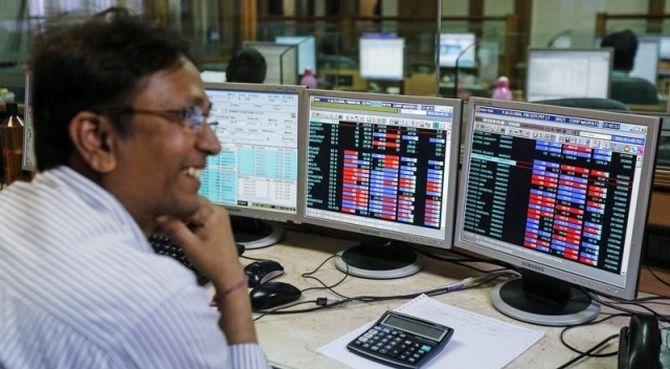
Market Performance - The benchmark indices Sensex and Nifty rebounded in early trade on October 9, 2025, with Sensex rising by 201.23 points to 81,974.89 and Nifty climbing 63.5 points to 25,109.65, driven by buying in blue-chip stocks and foreign fund inflows [1] - Foreign Institutional Investors (FIIs) purchased equities worth ₹81.28 crore on Wednesday, indicating positive sentiment in the market [2] Sector Performance - Major gainers among Sensex firms included Tata Steel, HCL Tech, Sun Pharma, Eternal, Mahindra & Mahindra, Reliance Industries, Larsen & Toubro, Axis Bank, Hindustan Unilever, and Infosys, while laggards included Power Grid, Bajaj Finance, Titan, and NTPC [2] - IT stocks have shown some recovery, although challenges remain for the segment, as noted by VK Vijayakumar, Chief Investment Strategist at Geojit Investments Limited [3] Global Market Influence - In Asian markets, Japan's Nikkei 225 index traded higher, while Hong Kong's Hang Seng index was lower, with markets in China and South Korea closed for holidays [3] - The global oil benchmark Brent crude declined by 0.50% to $65.92 a barrel, reflecting broader market trends [4] Technical Analysis - The Nifty's next target is seen at 25,670, with support near 24,901, as stated by Prashanth Tapse, Senior VP (Research) at Mehta Equities Ltd [4] - On the previous day, the Sensex declined by 153.09 points or 0.19% to settle at 81,773.66, and the Nifty dropped by 62.15 points or 0.25% to 25,046.15 [4]
SBI eyes deal finance on home turf, as RBI draft rule moots level field for Indian banks
MINT· 2025-10-08 14:08
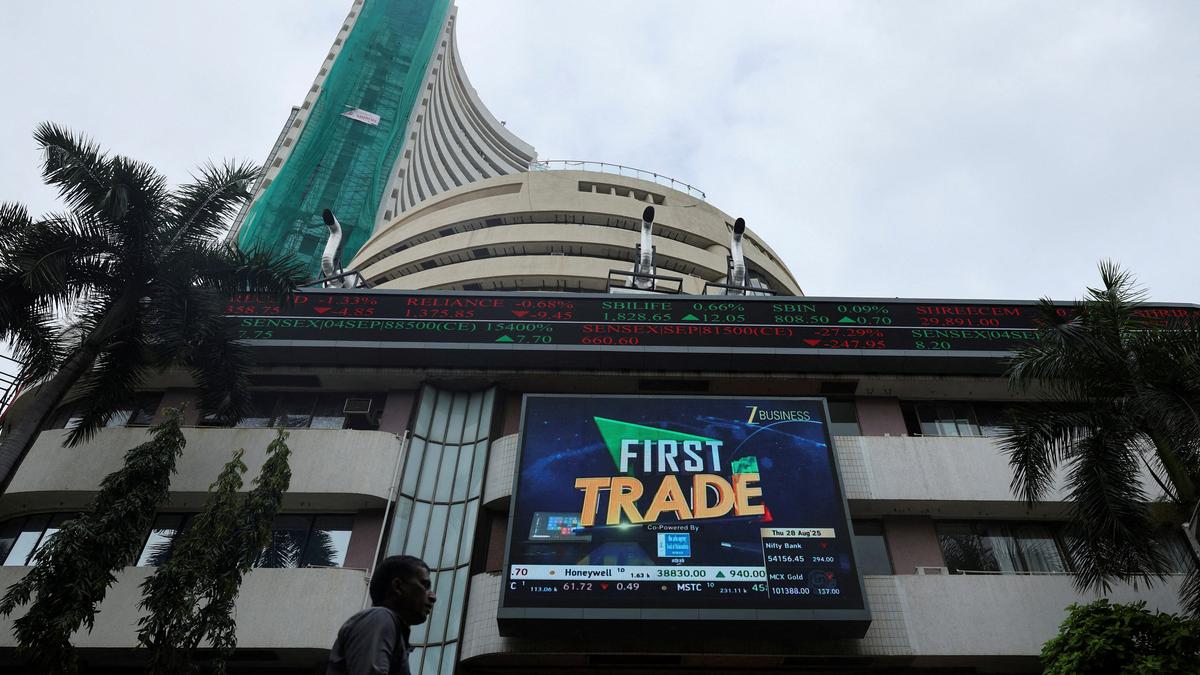
Group 1: Mergers and Acquisitions (M&A) Financing - State Bank of India (SBI) is preparing to underwrite domestic mergers and acquisitions as the Reserve Bank of India (RBI) considers regulatory changes to allow this [1][3] - SBI has extensive experience in financing outbound M&A for Indian corporates acquiring overseas entities, indicating readiness for domestic M&A financing [2][3] - The RBI's draft framework aims to provide domestic banks with a level playing field for acquisition financing, which has traditionally been dominated by foreign banks and other financial institutions [3][4] Group 2: Potential Market Impact - M&A deals in fiscal year 2024 are valued at over $120 billion (approximately ₹10 lakh crore), with a potential credit growth of ₹1.2 lakh crore if 30% of the debt component is financed by banks [5] - The regulatory changes could unlock significant value in the corporate funding lifecycle, enhancing the role of domestic banks in M&A transactions [4] Group 3: Small-Ticket Loans and Digital Financing - SBI is exploring opportunities to expand small-ticket digital loans through the Unified Payments Interface (UPI), emphasizing the need for a robust collection recovery process [6][8] - The bank is leveraging predictive AI models to offer pre-approved loans to a large customer base, with a focus on enhancing credit availability through UPI [7][10] - Vendor financing is being evaluated, allowing small businesses to access working capital against UPI-based receivables, similar to existing credit card receivables [9][12] Group 4: Financial Performance - For the quarter ended June, SBI's gross loan book increased nearly 12% year-on-year to ₹42.54 trillion, with the corporate loan book growing 5.7% to ₹12 trillion [13]
New rules will bump up provisions, but SBI chair sees limited hit
MINT· 2025-10-08 09:07
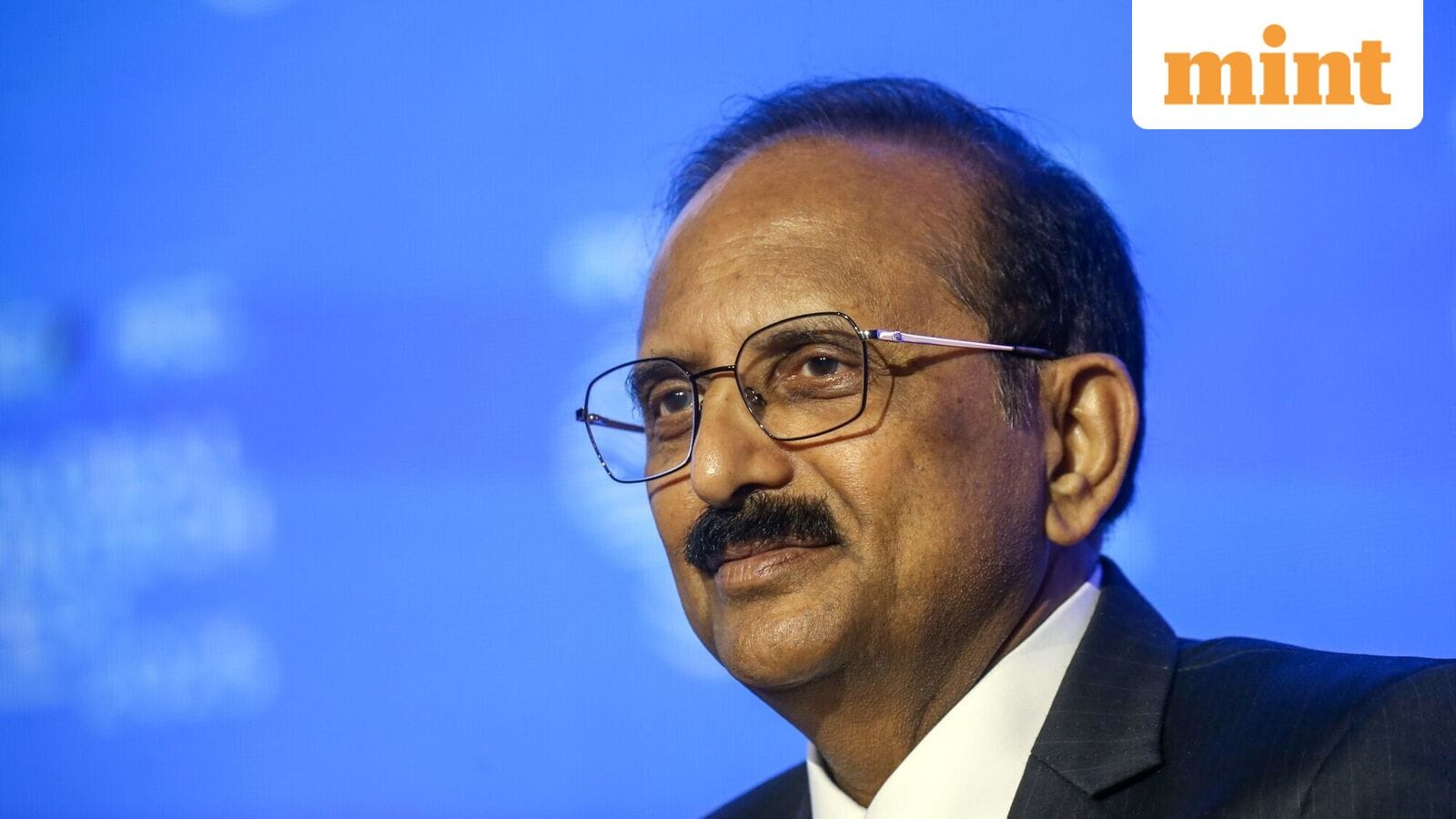
Core Viewpoint - State Bank of India anticipates a limited impact from the transition to the expected credit loss (ECL) framework due to a long transition period that allows for increased provisioning against stressed loans [1][2]. Regulatory Changes - The Reserve Bank of India (RBI) has proposed a transition from the current "incurred loss" provisioning rule to an ECL framework, with a five-year glide path from April 1, 2027, to March 31, 2031 [3]. - The RBI has invited feedback on the draft circular by November 30 [3]. Classification of Financial Assets - Financial assets will be classified into three stages based on the increase in credit risk since initial recognition: Stage 1 (low risk), Stage 2 (rising risk), and Stage 3 (credit-impaired) [4]. Provisioning Requirements - Stage 1 requires a minimum provisioning rate of 0.40% for most standard loans, 0.25% for farm or MSME loans, and 1.0-1.25% for unsecured retail and project financing during construction [5]. - Stage 2 mandates a minimum 5% provisioning for the most deteriorated loans, 1.5% for secured retail loans, and 0.75-1.0% for operational project loans [6]. - Stage 3 has age-based provisioning floors ranging from 25-40% in the first year for secured or unsecured loans, increasing to 75-100% beyond 3-4 years, with unsecured retail loans requiring full provisioning after the first year [6]. Impact on Banks - Unsecured retail exposure to personal loans, credit cards, and microfinance may face a larger provisioning burden, while housing or gold loans may experience a lower incremental impact [8]. - The RBI estimates a one-time provisioning hit but expects the overall impact on minimum regulatory capital to be modest due to the transition path and existing capital buffers [8]. - Private banks are better positioned to manage the shift due to stronger capital buffers and advanced risk models, while public sector banks may face additional provisioning requirements [10]. Long-term Benefits - The ECL framework is expected to enhance earnings stability, transparency, and comparability, thereby strengthening the resilience of the banking system [11].
6 personal loan products with no foreclosure charges or conditional waiver options
MINT· 2025-10-08 06:58
Banks usually charge a foreclosure fee if an individual wants to close their personal loan before the scheduled tenure. However, in some cases, an individual can get a complete waiver or a conditional waiver of the foreclosure fee.In this article, we will discuss some banks/NBFCs that either don’t charge a foreclosure fee or provide a conditional waiver on the foreclosure fee on personal loans.What is the foreclosure fee?A personal loan tenure usually ranges from 3 months to 7 years. When an individual want ...


RBI proposes Expected Credit Loss framework for banks, effective April 2027
BusinessLine· 2025-10-07 16:47
Core Viewpoint - The Reserve Bank of India (RBI) proposed to replace the incurred-loss-based provisioning framework with an expected credit loss (ECL)-based framework for banks, effective April 1, 2027, to align with global standards [1][4]. Group 1: Proposed Framework Details - The new ECL framework will introduce staging criteria for asset classification while maintaining existing Non-performing Asset (NPA) classification norms [2]. - It will set calibrated ceilings for broad exposure classes under Stages 1, 2, and 3, and align income recognition norms based on the Effective Interest Rate (EIR) method [2]. - The framework will also include principles for model risk management in implementing ECL models [2]. Group 2: Capital Impact - The RBI anticipates minimal overall impact on the minimum regulatory capital requirements for banks, with a one-time provisioning expected but manageable within a proposed 5-year glide-path [3]. Group 3: Impact on Specific Banks - Microfinance-focused banks, such as Bandhan Bank, IndusInd Bank, RBL Bank, AU Small Finance Bank, and IDFC First Bank, are expected to be most affected due to their higher exposure to micro loans [5][6]. - The State Bank of India (SBI) initially estimated a need for around ₹25,000 crore in provisions, which has now been reduced to below ₹20,000 crore [7]. - Among large private banks, Kotak Mahindra Bank may face significant impacts due to a lower buffer, while Axis Bank is expected to experience a mild effect [7].
From Smart Glass Payments To Biometric Support: Here’s How UPI Is Changing
Inc42 Media· 2025-10-07 14:54
Core Insights - The Global Fintech Festival (GFF) 2025 showcased numerous digital payment innovations, emphasizing transaction security and support for new form factors [1][2] Group 1: New Features Launched - Small Value UPI Transactions via Wearable Glasses allow users to initiate transactions hands-free using smart glasses, powered by UPI Lite, which enables small-value transactions without internet or PIN [3][4][5] - UPI Multi-Signatory feature enables multiple approvals for a single UPI account, aimed at businesses requiring checks and balances before processing payments [6] - On-Device Biometric Authentication for UPI allows users to authenticate payments using smartphone security features, enhancing transaction speed and security [7] - Cash Withdrawal through Micro ATMs using UPI allows users to withdraw cash at local shops and business correspondent outlets by scanning a dynamic QR code [8][9] - Aadhaar-Based Face Authentication in UPI simplifies the process of setting or resetting UPI PINs, making it more inclusive for first-time users and senior citizens [10][11] Group 2: Market Context - Monthly UPI transactions surpassed 20 billion in August but slightly declined to 19.6 billion in September, with PhonePe, Google Pay, and Paytm leading the ecosystem [14]

FX-Retail platform of Clearcorp linked with Bharat Connect
BusinessLine· 2025-10-07 14:40
This linkage will enable individual customers maintaining bank accounts with participating banks to register and transact on the FX-Retail platform via enabled digital channels of these banks and through TPA providers The FX-Retail platform of the Clearcorp Dealing Systems (India) Ltd (Clearcorp) has been linked with Bharat Bill Payment System (Bharat Connect) to expand the reach of the platform, enhance user experience, and enable a larger number of customers to access the FX market transparently and with ...