Energy Transfer

Search documents
Energy Transfer's Units Surged Nearly 12% in January
The Motley Fool· 2026-02-21 18:00
Company Performance - Energy Transfer's units appreciated 11.9% in January, which is lower than the energy sector's overall performance of 14.4% [4] - The company operates pipelines for transporting and storing gas and oil, making it less sensitive to commodity price fluctuations compared to upstream companies [5] Financial Metrics - Energy Transfer has raised its distributions every quarter for several years, with the latest increase from $0.3325 to $0.335 per unit [6] - The current distribution yield is 7.3%, significantly higher than the S&P 500's yield of 1.2% [6] - For the first nine months of 2025, Energy Transfer generated $8.2 billion in adjusted distributable cash flow, compared to $4.6 billion in distributions to unit holders [8] Investment Appeal - Given its strong cash flow and attractive yield, Energy Transfer is positioned as an appealing option for income-focused investors seeking stability in the energy sector [9]


Energy Transfer: High-Octane Income From America's Energy 'Toll Road'
Seeking Alpha· 2026-02-21 09:16
Core Insights - The article emphasizes the importance of identifying high-yield investment opportunities for individual investors, aiming to simplify complex financial concepts into actionable insights [1] Group 1 - The focus is on uncovering investment opportunities that can lead to better returns for individual investors [1] - The background of the author in professional prop trading is highlighted, indicating a strong foundation in investment strategies [1] Group 2 - There is no disclosure of any stock or derivative positions in the companies mentioned, ensuring an unbiased perspective [2] - The article expresses personal opinions and does not involve compensation from companies mentioned, reinforcing the independence of the analysis [2]
Is It Time to Buy Energy Transfer as Growth Projects Ramp Up?
The Motley Fool· 2026-02-20 22:35
Core Viewpoint - Energy Transfer is positioned as a compelling investment opportunity in the midstream sector, showcasing strong growth potential and an attractive dividend yield [1][8]. Financial Performance - In Q4, Energy Transfer's EBITDA increased by 8% year-over-year to $4.18 billion, benefiting from a favorable regulatory ruling on NGL pipeline pricing, which contributed $56 million to the quarter [5]. - Distributable cash flow (DCF) rose 3% to $2.04 billion, with a distribution payout of $1.15 billion, resulting in a coverage ratio of nearly 1.8 [6]. - The company slightly raised its full-year EBITDA forecast to a range of $17.45 billion to $17.85 billion, up from a previous range of $17.3 billion to $17.7 billion, attributed to an acquisition by its subsidiary, USA Compression [7]. Growth Opportunities - Energy Transfer is engaged in two significant natural gas projects in the Permian Basin: the Hugh Brison Pipeline, which is 75% complete and expected to come online by year-end, and the upsized Desert Southwest Pipeline, with an in-service date of late 2029 [2][4]. - The company plans to increase capital expenditures to a range of $5 billion to $5.5 billion in 2026, up from $4.5 billion in 2025, anticipating a mid-teens return and an incremental EBITDA increase of approximately $90 million once projects are fully operational [4]. Valuation - The stock is currently trading at an enterprise value-to-EBITDA (EV/EBITDA) multiple of 8.6 times, one of the lowest valuations in the midstream MLP sector, making it an attractive investment option [8].
Deere: From Farm To Intelligence (Rating Upgrade)
Seeking Alpha· 2026-02-20 19:44
Group 1 - Deere & Company has been rated as a Hold since June, indicating a cautious stance on the stock despite initial positive performance [1] - The focus is on undervalued companies with strong fundamentals and cash flows, particularly in sectors like Oil & Gas and consumer goods [1] - The analysis highlights a preference for long-term value investing while also acknowledging interest in deal arbitrage opportunities [1] Group 2 - The article emphasizes the importance of understanding the businesses being invested in, with a clear aversion to high-tech and certain consumer goods sectors [1] - There is a noted skepticism towards cryptocurrencies as an investment option [1] - The aim is to connect with like-minded investors through Seeking Alpha, fostering a community focused on informed decision-making and superior returns [1]


Meta Stock: The Direct AI Winner (NASDAQ:META)
Seeking Alpha· 2026-02-20 14:36
Meta ( META ) has stayed relatively flat since I last reviewed it back in late December , with a performance of around -3.5%. With the company releasing its earnings and a certain shift fromAs a detail-oriented investor with a strong foundation in finance and business writing, I focus on analyzing undervalued and disliked companies or industries that have strong fundamentals and good cash flows. I have a particular interest in sectors such as Oil&Gas and consumer goods. Basically, anything that has been unl ...


Meta: The Direct AI Winner
Seeking Alpha· 2026-02-20 14:36
Meta ( META ) has stayed relatively flat since I last reviewed it back in late December , with a performance of around -3.5%. With the company releasing its earnings and a certain shift fromAs a detail-oriented investor with a strong foundation in finance and business writing, I focus on analyzing undervalued and disliked companies or industries that have strong fundamentals and good cash flows. I have a particular interest in sectors such as Oil&Gas and consumer goods. Basically, anything that has been unl ...

Attention, Income Investors: It's Time to Load Up on Energy Transfer Stock
The Motley Fool· 2026-02-20 09:44
Core Viewpoint - Energy Transfer's Q4 earnings miss is overshadowed by the overall strength of the company's business and growth prospects, making it an attractive option for income investors [1][3]. Financial Performance - Energy Transfer reported Q4 earnings per share of $0.25, significantly below the consensus estimate of $0.36 [2]. - Despite the earnings miss, the unit price of the stock closed down less than 1% on the announcement day [2]. Distribution Growth - The distribution yield for Energy Transfer stands at 7.2%, with a year-over-year increase of over 3% announced in January [5][6]. - The company targets a long-term annual distribution growth rate of 3% to 5% [6]. Business Strength - Adjusted EBITDA for the previous year reached a record $16 billion, with an upward revision of guidance for 2026 to between $17.45 billion and $17.85 billion [7]. - The company set new records in Q4 for natural gas liquids fractionation volumes and crude oil transportation volumes, with a 12% year-over-year increase in NGL and refined product terminal volumes [8]. Growth Prospects - Energy Transfer is expected to deliver further growth through the ramp-up of its Flexport NGL export project and new processing plants in the Permian Basin [9]. - The company is also securing significant contracts with data centers, including a notable deal with Oracle, and is benefiting from population growth and manufacturing expansion [10].
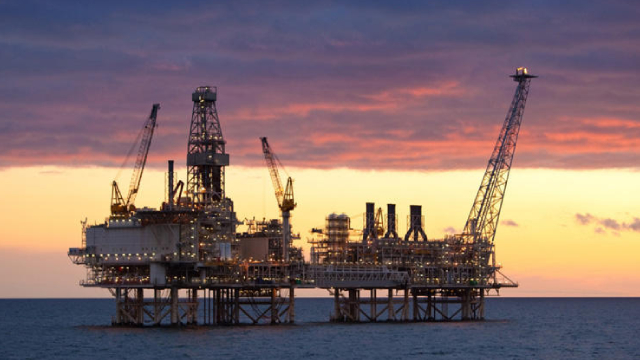
Energy Transfer(ET) - 2025 Q4 - Annual Report
2026-02-19 21:40
Infrastructure and Capacity - Energy Transfer operates approximately 12,200 miles of intrastate natural gas transportation pipelines with a transportation capacity of 24 Bcf/d[22]. - The interstate transportation and storage segment includes about 20,090 miles of interstate natural gas pipelines with a capacity of 20.1 Bcf/d, plus an additional 7,080 miles and 12.7 Bcf/d through joint ventures[26]. - Lake Charles LNG has a regasification facility with a send-out capacity of 1.8 Bcf/d and approximately 9.0 Bcf of above-ground storage capacity[28]. - The midstream segment's results are primarily derived from margins on natural gas volumes gathered, transported, and processed, emphasizing the importance of pipeline systems[38]. - The NGL and refined products transportation segment includes approximately 5,750 miles of NGL pipelines and NGL fractionation facilities with an aggregate capacity of 1.15 MMBbls/d[39]. - The crude oil transportation segment operates over 18,000 miles of crude oil pipelines and has a total storage capacity of approximately 73 MMBbls[43]. - The ET Fuel System has a working storage capacity of 11.2 Bcf and serves prolific production areas in the U.S., providing access to major natural gas trading centers[62]. - The Oasis Pipeline has a throughput capacity of approximately 1.3 Bcf/d moving west-to-east and over 750 MMcf/d moving east-to-west, enhancing the Southeast Texas System's profitability[64]. - The Bammel storage facility has a total working gas capacity of approximately 52.5 Bcf, with a peak withdrawal rate of 1.3 Bcf/d and a peak injection rate of 0.6 Bcf/d[64]. - The Eagle Ford System includes four processing plants with an aggregate capacity of 2.0 Bcf/d, connected to intrastate transportation pipeline systems for residue gas deliveries[81]. - The Ark-La-Tex assets include 13 natural gas treating facilities with an aggregate capacity of 3.5 Bcf/d, providing access to multiple markets through interconnections[82]. - The North Central Texas System has an aggregate processing capacity of 700 MMcf/d, processing rich gas from the Barnett Shale and STACK and SCOOP plays[84]. - The Permian Basin Gathering System includes 22 processing facilities with a total processing capacity of 5.5 Bcf/d and one natural gas conditioning facility with a capacity of 200 MMcf/d[87]. - The Midcontinent Systems have an aggregate capacity of approximately 2.9 Bcf/d across 16 natural gas processing facilities[88]. - The Arrow and Rough Rider systems in the Williston Basin have an aggregate processing capacity of 400 MMcf/d[89]. - The Bucking Horse gas processing facility in the Powder River Basin has a processing capacity of 345 MMcf/d[90]. - The Eastern region assets include the 200 MMcf/d Revolution processing plant and over 600 miles of natural gas gathering pipelines[93]. - The Gulf Coast NGL Express pipeline has a throughput capacity of approximately 900 MBbls/d, delivering mixed NGLs to the Mont Belvieu NGL Complex[96]. - The Mont Belvieu NGL Complex has a storage capacity of approximately 63 MMBbls, providing 100% fee-based cash flows[98]. - The company operates 37 refined products terminals with an aggregate storage capacity of approximately 8.6 MMBbls[102]. - The company operates over 18,000 miles of crude oil trunk pipelines and gathering pipelines across the Southwest, Midcontinent, and Midwest United States[106]. - The Bakken Pipeline has a capacity of up to 750 MBbls/d, transporting crude oil from North Dakota to major refining markets[106]. - The Bayou Bridge Pipeline has a capacity of approximately 480 MBbls/d, serving the Gulf Coast region[109]. - The Nederland Terminal has a total storage capacity of over 30 MMBbls and can deliver over 2 MMBbls/d of crude oil[110][111]. - The ET-S Permian joint venture includes over 5,000 miles of crude oil and water gathering pipelines and has a total crude oil storage capacity exceeding 11 million barrels[108][109]. - The Cushing Terminal has approximately 9.5 MMBbls of crude oil storage and includes truck unloading facilities[120]. - The Midland, TX terminals provide a combined storage capacity of approximately 3 MMBbls and access to the Permian Express pipelines[113]. Financial Performance and Strategy - Energy Transfer generates revenues from demand fees, transportation fees, and fuel retention based on the volume of natural gas transported[24]. - Energy Transfer's subsidiaries are expected to fund growth capital expenditures and working capital needs through their resources and operational cash flows[17]. - Energy Transfer's primary cash requirements include distributions to partners, capital expenditures, and debt service[16]. - Energy Transfer's cash flows are derived from distributions related to its investments in subsidiaries, including Sunoco LP and USAC[16]. - The company plans to increase cash flow from fee-based businesses to provide stable cash flows and reduce exposure to commodity price changes[130]. - The company intends to enhance the profitability of existing assets by adding new volumes under long-term commitments and improving operational efficiency[131]. - The business strategy includes growth through strategic acquisitions, aiming to enhance operational efficiencies and increase utilization of existing assets[128]. - During the year ended December 31, 2025, no single customer accounted for more than 10% of consolidated revenues, indicating a diversified customer base[145]. Regulatory Environment - The company is subject to FERC regulations, which govern the transportation of natural gas and require just and reasonable rates for services[146]. - The company faces significant competition in the natural gas sector from major integrated oil and gas companies and other pipelines, impacting pricing and service reliability[132]. - The rates charged for transportation services are deemed just and reasonable under Texas law unless challenged, with potential administrative, civil, and criminal penalties for non-compliance[155]. - NGL pipeline operations are subject to state regulations that may impose additional environmental and operational requirements, with potential fines and delays[156]. - Compliance with FERC regulations is mandatory for transportation contracts with natural gas pipelines, with penalties for non-compliance[158]. - The availability and cost of pipeline transportation significantly affect natural gas sales, with ongoing regulatory changes potentially impacting operations[159]. - Natural gas gathering facilities are generally exempt from FERC jurisdiction, but state regulations may impose safety and nondiscriminatory requirements[160]. - The TRRC regulates gathering facilities in Texas, while Louisiana's Department of Natural Resources oversees intrastate pipelines and gathering facilities[161]. - Ratable take and common purchaser statutes in all operating states restrict discrimination in natural gas purchasing and transportation[163]. - The FERC's indexing rate methodology allows for tariff adjustments based on the Producer Price Index, with the current index set at PPI-FG plus 0.78% until June 30, 2026[172]. - The FERC has proposed a new index level of PPI-FG minus 1.42% for the period from July 1, 2026, to June 30, 2031, which will affect existing rates[176]. - The FERC issued a Proposed Policy Statement on Oil Pipeline Affiliate Committed Service on December 15, 2022, which could classify affiliate contracts as unduly discriminatory under certain circumstances[178]. - The maximum administrative fines for safety violations under the Pipeline Safety Act have increased from $0.1 million to $0.2 million for a single violation, and from $1 million to $2 million for a related series of violations[185]. - PHMSA's final rule published in January 2025 enhances requirements for detecting and repairing leaks on natural gas pipelines, which could lead to increased compliance costs for operators[185]. - The company is subject to ongoing reporting requirements to the FERC, PHMSA, and other regulatory agencies regarding the operation and maintenance of its LNG terminal[183]. - The company has received necessary authorizations from the FERC for the construction and operation of its LNG terminal, which are subject to stringent regulatory conditions[182]. - The company’s ammonia pipeline rates must be reasonable and cannot discriminate against any person or type of traffic, as regulated by the Surface Transportation Board[189]. Environmental Compliance and Liabilities - Compliance with environmental laws and regulations has historically not had a material adverse effect on the company's business, but future costs could arise from stricter regulations or unanticipated events[191]. - The company’s operations are subject to stringent regulations regarding hazardous substances and waste materials, which could lead to significant liabilities under laws like CERCLA[192]. - As of December 31, 2025, the company recorded accrued environmental liabilities of $416 million, an increase from $278 million in 2024, reflecting a $140 million impact from the acquisition of Parkland by Sunoco LP[195]. - Accruals for environmental remediation activities amounted to $186 million and $197 million at December 31, 2025 and 2024, respectively, indicating ongoing financial commitments to address environmental concerns[196]. - The total future costs for environmental remediation activities are influenced by various factors, including the identification of additional sites and the extent of contamination, which could lead to significant charges against income over time[200]. - The company has initiated corrective remedial actions at certain facilities, with remediation accruals reflecting strategies to mitigate risks to human health and the environment[198]. - The total accrued future estimated cost of remediation activities for Transwestern is $2.4 million, expected to continue through 2026, which is included in the overall environmental accruals[201]. - Compliance with the Clean Air Act and state regulations may require future capital expenditures for air pollution control equipment, potentially impacting operating costs[202]. - The Clean Water Act imposes strict controls on the discharge of pollutants, and any future expansions of its jurisdiction could lead to increased costs and delays in obtaining necessary permits[203]. - The company is subject to penalties for non-compliance with environmental laws, including the Clean Water Act and the Oil Pollution Act, which could result in significant financial liabilities[205]. - The company has established a wholly owned captive insurance company to manage environmental claims related to legacy sites, holding $103 million in cash and investments as of December 31, 2025[196]. - Future regulatory changes could materially impact the company's operations and financial position, particularly regarding environmental compliance and remediation costs[200]. - The company may incur additional costs due to the designation of endangered species, which could lead to habitat conservation plans and operational restrictions[208]. - Climate change regulations are being proposed at various government levels, including cap-and-trade programs and carbon taxes, impacting operational costs[209]. - The U.S. has not implemented comprehensive climate change legislation, while Canada has established a federal carbon pricing regime[209]. - The EPA has proposed revoking the "Endangerment Finding," which could affect GHG-related regulations[209]. - The EPA requires monitoring and annual reporting of GHG emissions from certain petroleum and natural gas sources, impacting compliance costs[209]. - The GHG reporting requirements have been expanded to include all segments of the oil and natural gas industry, increasing regulatory burden[209]. - Potential for Significant Deterioration (PSD) construction and Title V operating permit reviews may be required for facilities emitting GHGs[209]. - The company’s customers may face increased costs and operational delays due to species protection measures[208]. - The designation of new endangered species could reduce demand for the company's services in affected areas[208]. - The company is closely monitoring climate change legislation and its potential impact on operations and costs[209].
Bristol-Myers: I'm Buying Post Earnings
Seeking Alpha· 2026-02-19 21:09
Group 1 - Bristol-Myers Squibb Company (NYSE: BMY) has been recognized as a significant winner in the pharmaceutical sector since a strong buy rating was issued in late October, attributed to its successful execution of strategies [1] - The focus is on analyzing undervalued and disliked companies or industries with strong fundamentals and good cash flows, particularly in sectors like Oil & Gas and consumer goods [1] - Energy Transfer is highlighted as a company that was previously overlooked but has shown potential, indicating a long-term value investing approach [1] Group 2 - The article emphasizes a preference for long-term value investing while acknowledging occasional interest in deal arbitrage opportunities, such as those involving Microsoft/Activision Blizzard and Spirit Airlines/Jetblue [1] - There is a clear aversion to investing in businesses that are not well understood, particularly in high-tech and certain consumer goods sectors [1] - The article expresses skepticism towards cryptocurrencies, indicating a focus on more traditional investment avenues [1]


Energy Transfer: Strong Q4 Results, Growth Potential, And A Reasonable Valuation
Seeking Alpha· 2026-02-19 19:54
Core Viewpoint - The focus is on generating a 7%+ income yield through investments in energy stocks while minimizing principal loss risk [1]. Group 1: Investment Strategy - The investment strategy involves a portfolio of energy stocks, including both traditional and renewable energy sectors, targeting international companies with competitive advantages and strong dividend yields [1]. - The leader of the investing group, Energy Profits in Dividends, emphasizes income generation through energy stocks and closed-end funds (CEFs), while also managing risk through options [1]. Group 2: Research and Insights - Subscribers gain access to exclusive investment ideas and in-depth research that is not available to the general public, enhancing their investment decision-making [1]. - The service has been operational since 2010, providing both micro and macro-analysis of domestic and international energy companies [1].