Woolworths

Search documents
2025年澳大利亚100强品牌榜-Brand Finance
Sou Hu Cai Jing· 2025-06-06 07:34
Overview - The total value of Australia's top 100 brands reached AUD 194.7 billion, accounting for 47% of the country's total brand value of AUD 418 billion, reflecting the significant role of brands in the Australian economy [24][30]. Brand Valuation and Performance - Commonwealth Bank emerged as the most valuable brand with a value of AUD 15.7 billion, a 48% increase from 2024, attributed to strong financial performance and customer trust [2][45]. - Woolworths fell to second place with a brand value of AUD 12.7 billion, down 17% due to pricing controversies [2][32]. - Other notable brands include ANZ and Coles, while BHP's value decreased by 23% to AUD 7.365 billion due to market fluctuations [2][32]. Fastest Growing Brands - Tooheys was identified as the fastest-growing brand, with its value more than doubling to AUD 452 million, driven by low-alcohol beverage innovations and effective marketing strategies [3][52]. - Australia Post, with a BSI score of 92.7, was recognized as the strongest brand, holding a 40% market share [3][60]. Industry Dynamics - Retail brands showed mixed results; Kmart's brand value increased by 66% to AUD 3.2 billion due to its private label Anko and international expansion [4][33]. - Airlines like Qantas and Jetstar saw brand value increases of 36% and 100%, respectively, with Qantas focusing on reputation rebuilding [4][34]. - Financial brands like Macquarie and Medibank experienced growth due to digitalization and rising insurance premiums [5][35]. Sustainability Trends - Brands like Commonwealth Bank and Bunnings improved their value through compliance with climate agreements and sustainable sourcing [7][68]. - Tooheys and Medibank focused on eco-friendly packaging and health initiatives, highlighting the importance of sustainability in brand value [7][68]. Brand Strength Analysis - Australia Post, Bunnings, and Rexona were among the strongest brands, showcasing resilience and customer trust, with Australia Post leading the BSI rankings [60][64]. - Kmart's growth was attributed to its affordable product offerings and strong customer loyalty [63][64]. Conclusion and Future Outlook - The 2025 Australian brand landscape emphasizes the importance of innovation and resilience, with brands needing to balance digitalization, sustainability, and consumer trust to navigate market challenges [9][68].


澳洲超市自助收银成趋势,自助结账恐成为历史
Sou Hu Cai Jing· 2025-06-03 03:13
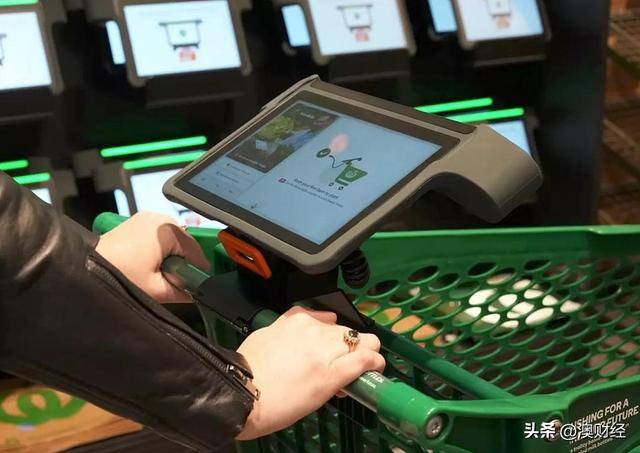
Core Viewpoint - The continuous investment in digital innovation by major Australian supermarkets is leading to a decline in traditional cashier interactions, with self-checkout becoming increasingly prevalent [1][3]. Group 1: Self-Checkout Adoption - Self-checkout is rapidly gaining popularity across Australia, with a noticeable reduction in traditional cashier lanes since Coles introduced self-checkout machines in 2004 and Woolworths followed in 2008 [3]. - The COVID-19 pandemic accelerated the shift towards self-service as customers sought to maintain social distance, resulting in a surge in self-checkout usage [3]. - Woolworths launched the Scan&Go trolley in Sydney last August, while Coles is experimenting with AI-driven smart trolleys to allow real-time tracking of purchases without queuing [3]. Group 2: Consumer Behavior and Preferences - A significant portion of customers is adapting to these changes, with 83% of Woolworths customers opting for self-checkout when purchasing fewer than 20 items, and over 75% of Coles customers welcoming self-checkout options [5]. - Despite the benefits of increased shopping choices, some consumers find the transition challenging, particularly amid rising living costs and prices of daily necessities [3][5]. Group 3: Labor and Cost Implications - The shift towards technology in supermarkets is partly driven by high labor costs in Australia, making it expensive to employ cashiers [5]. - Supermarkets are reducing their workforce to lower costs and increase profits, leading to a decreased demand for human cashiers in the future [5]. Group 4: Security Concerns - The rise of self-checkout has raised concerns about retail crime, particularly theft and incorrect scanning of items [5]. - Increased investment in technology and monitoring is expected to mitigate the risks associated with self-checkout errors and theft [5].