Hess

Search documents
Chevron Is Becoming a Cash-Gushing Juggernaut
The Motley Fool· 2025-08-05 08:15
Core Viewpoint - Chevron is experiencing strong cash flow growth, positioning itself as a leading oil stock for long-term investment despite a decline in earnings due to lower oil prices [1][3]. Financial Performance - Chevron reported adjusted earnings of $3.1 billion for Q2, down from $3.8 billion in Q1 and $4.8 billion in the same period last year [3]. - Cash flow from operations surged to $8.6 billion in Q2, up from $5.2 billion in the previous quarter and $6.3 billion year-over-year, bringing the year-to-date total to $13.8 billion [4]. Production Growth - The increase in cash flow was primarily driven by higher cash distributions from its investment in TCO, which saw a 34% production increase last quarter [5]. - Chevron achieved a 22% production boost from completed projects in the Gulf of Mexico and reached a milestone of 1 million barrels of oil equivalent (BOE) per day in the Permian Basin, a 14% increase year-over-year [6]. Shareholder Returns - Chevron generated $4.9 billion in free cash flow in Q2, up from $4.2 billion in the previous quarter and $4.8 billion year-over-year, totaling $9.1 billion for the first half of the year [8]. - The company returned over 100% of its free cash flow to shareholders, paying $2.9 billion in dividends and repurchasing $2.6 billion in stock, totaling $5.5 billion in cash returns [9]. Future Cash Flow Expectations - Chevron anticipates a significant increase in free cash flow next year, projecting an additional $10 billion from its existing portfolio, assuming oil averages $70 per barrel [11]. - The recent acquisition of Hess is expected to yield $1 billion in cost savings and boost free cash flow by an additional $2.5 billion next year, bringing the total to $12.5 billion [12]. Long-term Outlook - Chevron's strong balance sheet and ongoing projects position it to continue returning substantial cash to investors, with expectations of increasing dividends and share repurchases [13][15]. - The company is set to become a cash flow-producing powerhouse, with growth extending into the 2030s due to completed organic growth projects and the Hess acquisition [14].



3 Dividend Champion Stocks I'm Watching in 2025
The Motley Fool· 2025-08-02 09:41
Dividend Champions Overview - A company must increase its dividend for at least 25 consecutive years to be classified as a Dividend Champion, with nearly 140 stocks currently meeting this criterion [1] AbbVie - AbbVie is a Dividend King, having increased its dividend for 53 consecutive years, with a current yield of 3.39% [3] - Potential tariffs on pharmaceutical imports to the U.S. could impact AbbVie, but analysts believe it may be less affected than peers due to its domestic manufacturing capacity [4] - AbbVie reported strong second-quarter results, with expectations that its drugs Skyrizi and Rinvoq will generate combined sales exceeding the peak annual sales of Humira [5] Chevron - Chevron is a Dividend Champion with 38 consecutive years of dividend increases and a forward yield of 4.5% [6] - The recent acquisition of Hess is a key focus, with integration expected to have a delayed impact on stock performance [7] - Oil prices have declined this year, but Chevron's shares have remained stable; any potential sell-off could present a buying opportunity for long-term investors [8] Target - Target is also a Dividend King, having increased its payout for 54 consecutive years, with a forward dividend yield of 4.5% [9] - The company is facing challenges, including declining consumer confidence and backlash over diversity initiatives, but continues to generate solid profits [10] - Target's stock is attractively valued after recent sell-offs, with a forward price-to-earnings ratio of 14.2 [11]



Chevron (CVX) Q2 Revenue Tops Estimates
The Motley Fool· 2025-08-01 19:44
Core Viewpoint - Chevron reported strong Q2 2025 results with non-GAAP earnings per share of $1.77, exceeding analyst expectations, but both adjusted earnings and net income were lower than the previous year due to commodity price declines and special items related to the Hess acquisition [1][2] Financial Performance - Non-GAAP EPS was $1.77, surpassing the estimate of $1.73, but down 30.6% from $2.55 in Q2 2024 [2] - GAAP revenue reached $44.4 billion, exceeding the estimated $43.9 billion [1][2] - Net income (GAAP) was $2.5 billion, a decrease of 43.2% from $4.4 billion in Q2 2024 [2] - Adjusted earnings (non-GAAP) totaled $3.1 billion, down 34.7% from $4.7 billion in Q2 2024 [2] - Free cash flow was $4.9 billion, more than doubling from $2.3 billion in Q2 2024, supported by strong operational cash generation [2][9] Operational Highlights - Chevron achieved record production of 3,396 thousand barrels of oil equivalent per day, an increase of 123 thousand barrels per day year-over-year [5] - Production in the Permian Basin surpassed 1 million barrels of oil equivalent per day for the first time, with a 14% increase [5] - Upstream operations reported earnings of $2.73 billion, down from $4.47 billion in Q2 2024, impacted by lower crude prices [6] Strategic Focus - The company is prioritizing four key areas: strengthening integrated energy operations, driving lower carbon initiatives, expanding global presence, and investing in technology [4] - Recent acquisitions, including Hess, enhance Chevron's access to offshore assets and support broader international growth [8][12] Downstream Performance - Downstream earnings were $737 million, with U.S. refinery processing rates rising to 1,051 thousand barrels per day [7] - Margin improvements in product sales helped offset lower earnings from oil and gas extraction [7] Special Items and Transactions - The quarter included special charges of $215 million related to the Hess acquisition and $348 million from unfavorable foreign currency movements [8][9] - Chevron declared a quarterly dividend of $1.71 per share, continuing its commitment to shareholder returns [10] Business Portfolio and Initiatives - Chevron's product portfolio includes crude oil, natural gas, refined products, and specialty chemicals, with ongoing investments in both conventional and renewable energy [11][12] - The company is advancing its lower carbon initiatives, including increased capacity at the Geismar renewable diesel plant and entry into the U.S. lithium sector [14] Financial Outlook - Capital expenditures in Q2 2025 were $3.7 billion, with expectations to maintain annual buybacks between $10 to $20 billion [15] - Total debt was $29.5 billion as of June 30, 2025, with a net debt ratio of 14.8% [16]

Chevron(CVX) - 2025 Q2 - Earnings Call Transcript
2025-08-01 16:02
Financial Data and Key Metrics Changes - In the second quarter, Chevron reported earnings of $2,500 million or $1.45 per share, with adjusted earnings of $3,100 million or $1.77 per share, reflecting a net charge of $215 million due to special items [16][18] - Organic capital expenditures (CapEx) were $3,500 million, the lowest quarterly total since 2023, while adjusted free cash flow increased by 15% quarter on quarter to $4,900 million despite a 10% decrease in crude prices [18][19] - The company returned over $5,000 million to shareholders for the thirteenth consecutive quarter [7] Business Line Data and Key Metrics Changes - Adjusted upstream earnings decreased due to lower realizations and higher depreciation, depletion, and amortization (DD&A) from increased production, while adjusted downstream earnings improved due to better refining margins and higher volumes [18] - Second quarter oil equivalent production increased by over 40,000 barrels per day from the previous quarter, with expectations for production growth to be closer to the top end of the 6% to 8% guidance range [19] Market Data and Key Metrics Changes - Chevron's overall US production is nearly 60% higher than it was two years ago, with significant contributions from the Permian Basin, which averaged over 1,000,000 barrels of oil equivalent per day [6][9] - The company is now the largest leaseholder in the Gulf of America, with a combined upstream portfolio forecasted to lead the industry in total cash generation over the remainder of the decade [9] Company Strategy and Development Direction - Chevron aims to establish a scalable domestic lithium business following the acquisition of lithium-rich acreage in Texas and Arkansas [7] - The company is focused on capital discipline and has reduced the number of reporting units by approximately 70% to enhance operational efficiency and standardization [14][15] - Chevron anticipates realizing $1,000 million in annual run rate synergies from the Hess merger by the end of the year, six months ahead of schedule [9][10] Management's Comments on Operating Environment and Future Outlook - Management expressed confidence in the company's ability to generate strong free cash flow and maintain a balanced portfolio of short and long cycle investments [45][46] - The integration of Hess assets is expected to contribute additional free cash flow, more than covering the incremental dividend from the merger share issuance [20] - Management acknowledged the need for a balanced and diversified portfolio, emphasizing the importance of exploration in future growth [72][76] Other Important Information - The company completed the sale of its interest in the Thailand and Malaysia joint development area [10] - Chevron's operational efficiency has improved, with the highest US refinery crude throughput in over twenty years [13] Q&A Session Summary Question: Insights on Permian production and future capital spending - Management highlighted the strong performance in the Permian and indicated that capital spending for 2025 is expected to be at the lower end of the $4.5 to $5 billion range due to efficiencies [25][26] Question: Confidence in the $10 billion standalone and Hess integration - Management expressed high confidence in the de-risking of the $10 billion standalone, with synergies and production growth contributing to the $2,500 million guidance for Hess [30][32] Question: Details on business reorganization and expected benefits - Management explained that the new organizational structure aims to enhance operational execution and efficiency, with a focus on applying best practices across asset classes [36][39] Question: Role of tight oil in the overall portfolio - Management emphasized the importance of the tight oil portfolio, which now constitutes a substantial portion of overall production, and the focus on generating free cash flow [44][45] Question: Update on Venezuela operations - Management confirmed ongoing operations in Venezuela and the expectation of limited oil flows to the US, which will help satisfy some debt owed [60][61] Question: LNG strategy and market placement - Management discussed the strategy of building a globally connected LNG portfolio, with ongoing efforts to optimize the system and place volumes in favorable markets [106][108] Question: Capital distribution outlook post-Hess deal - Management indicated that share repurchases will be reviewed at the upcoming Investor Day, with a focus on maintaining capital discipline while supporting shareholder returns [113][124]
Chevron(CVX) - 2025 Q2 - Earnings Call Transcript
2025-08-01 16:00
Financial Data and Key Metrics Changes - Chevron reported earnings of $2,500 million or $1.45 per share, with adjusted earnings of $3,100 million or $1.77 per share, reflecting a net charge of $215 million due to special items [14][15] - Organic CapEx was $3,500 million, the lowest quarterly total since 2023, while adjusted free cash flow increased by 15% quarter on quarter to $4,900 million despite a 10% decrease in crude prices [15][16] - The company generated cash flow from operations of $8,300 million, with adjusted upstream earnings decreasing due to lower realizations and higher depreciation and amortization [15][16] Business Line Data and Key Metrics Changes - Production in the Permian averaged over 1,000,000 barrels of oil equivalent per day, marking a significant milestone [5][6] - Adjusted downstream earnings increased due to improved refining margins and higher volumes, while adjusted upstream earnings decreased [15][16] - The integration of Hess is expected to contribute additional free cash flow, with anticipated annual run rate savings of $1,500 million to $2,000 million by year-end [17] Market Data and Key Metrics Changes - Overall US production is nearly 60% higher than two years ago, with Chevron becoming the largest leaseholder in the Gulf of America [6][7] - The company expects production growth to be closer to the top end of its 6% to 8% guidance range, excluding Hess [16] - The company achieved its highest US refinery crude throughput in over twenty years, highlighting successful optimization efforts [11] Company Strategy and Development Direction - Chevron aims to establish a scalable domestic lithium business following the acquisition of lithium-rich acreage in Texas and Arkansas [6] - The company is focused on capital discipline and has reduced the number of reporting units by approximately 70% to enhance operational efficiency [12][13] - Chevron's strategy includes balancing short and long cycle investments, with a focus on delivering steady, predictable cash flow to shareholders [41][42] Management's Comments on Operating Environment and Future Outlook - Management expressed confidence in the integration of Hess and the expected synergies, with a focus on maintaining strong cash flow generation [26][28] - The company acknowledged the need for a balanced and diversified portfolio, emphasizing the importance of exploration in future growth [63][65] - Management highlighted the operational efficiencies achieved across various assets, contributing to improved performance and cash flow [56][58] Other Important Information - Chevron completed the sale of its interest in the Thailand and Malaysia joint development area [8] - The company plans to provide additional guidance during its Investor Day on November 12 in New York City [18][111] Q&A Session Summary Question: Update on the Permian production and capital spend expectations for 2026-2027 - Management highlighted the strong performance in the Permian and indicated that capital spend for 2025 is expected to be at the lower end of the $4.5 billion to $5 billion range, with a focus on generating free cash flow [21][22] Question: Confidence in the $10 billion standalone Hess and key assumptions - Management expressed high confidence in the de-risking of the $10 billion standalone Hess, with synergies and production growth contributing to the $2.5 billion guidance [26][29] Question: Details on the new organizational structure and expected benefits - The new structure aims to enhance operational execution and efficiency by grouping similar asset classes and leveraging technology [32][35] Question: Role of tight oil in the overall portfolio post-Hess integration - Management emphasized the importance of the tight oil portfolio, which now represents a substantial portion of overall production, and the focus on balancing growth with free cash generation [39][40] Question: Update on exploration strategy and future targets - Management acknowledged past exploration results were unsatisfactory but indicated a renewed focus on a balanced exploration portfolio, including both mature and frontier areas [63][65] Question: Status of operations in Venezuela - Management confirmed ongoing operations in Venezuela, with limited oil flows expected to begin, consistent with US sanctions policy [52][53] Question: Operational performance across the portfolio - Management highlighted strong operational performance, particularly in refining and LNG, with record throughput and successful turnarounds [56][58] Question: Future of LNG offtake capacity and market strategy - Management discussed the strategy for LNG offtake, emphasizing a balanced approach to long-term and short-term market placements [93][94] Question: Capital distribution outlook post-Hess deal - Management indicated that share repurchases have been accelerated, with further updates expected during the Investor Day [99][100]
Chevron Overcomes ExxonMobil to Acquire Hess. Which High-Yield Energy Stock Is the Better Buy Now?
The Motley Fool· 2025-07-27 22:05
Core Insights - The oil and gas industry is experiencing significant mergers, with ExxonMobil acquiring Pioneer Natural Resources and Chevron acquiring Hess, both focusing on offshore oil blocks in Guyana [1][2] - Hess' 30% stake in the Stabroek Block is a key asset, with ExxonMobil holding 45% and CNOOC 25%, making it a valuable partnership for both ExxonMobil and Chevron [4] - The consortium aims to increase production from the Stabroek Block to 1.3 million barrels per day by the end of 2027, having already produced 500 million barrels by November 2024 [5][9] Company Strategies - ExxonMobil has identified Guyana as one of its "advantaged assets," contributing significantly to its production, which was 4.55 million barrels of oil equivalent per day in Q1 2025 [6] - Both ExxonMobil and Chevron have focused on improving production asset quality, reducing break-even levels, and generating positive free cash flow even at low oil prices [11] - ExxonMobil's corporate plan forecasts a break-even Brent crude price of $30 per barrel by 2030, with a projected $165 billion in cumulative surplus operating cash flow at an average Brent price of $65 [12] Financial Performance - Chevron's break-even price is estimated to be in the low $30 range, which, combined with the Hess acquisition, is expected to enhance its production capabilities while maintaining low costs [13] - Both companies have strong dividend histories, with ExxonMobil increasing dividends for 42 consecutive years at a yield of 3.6%, and Chevron for 38 years at a yield of 4.5% [15] - The price-to-earnings ratios for ExxonMobil and Chevron are 14.6 and 17.4 respectively, indicating attractive valuations for value investors [15]


3 High-Yield Energy Stocks That Can Survive in Today's Fast-Changing Energy Landscape
The Motley Fool· 2025-07-27 16:08
Core Insights - The energy market is characterized by rapid changes, with crude oil prices fluctuating significantly, impacting investment strategies [1][2] Group 1: Chevron - Chevron has a strong balance sheet with a debt-to-equity ratio of approximately 0.2, positioning it well among its peers [4] - The company recently completed the acquisition of Hess for about $53 billion, demonstrating its financial strength and resilience [5] - Chevron has increased its dividend for 38 consecutive years, supported by its ability to manage debt during downturns [6][7] Group 2: Energy Transfer - Energy Transfer is well-positioned to thrive in the evolving energy landscape, particularly due to the rising demand for natural gas [8][9] - The company operates over 130,000 miles of pipeline and plans to invest $5 billion in growth capital expenditures, focusing on natural gas infrastructure [10] - Energy Transfer offers a high dividend yield of 7.4% and targets 3% to 5% annual dividend growth, making it an attractive investment [11] Group 3: ExxonMobil - ExxonMobil aims to thrive in the changing energy market with a diverse portfolio of low-cost production assets and a growing low-carbon solutions business [12] - The company has achieved $12.1 billion in annual cost savings since 2019, with a target of $18 billion by 2030, enhancing its competitive advantage [14] - ExxonMobil has increased its dividend for 42 consecutive years, supported by its strong balance sheet and projected earnings growth of $20 billion by 2030 [16][17][18]

Block Surges on S&P 500 Inclusion: ETFs in Focus
ZACKS· 2025-07-21 11:30
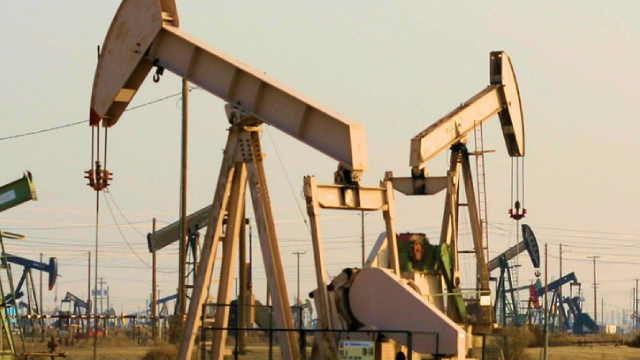
Group 1 - Block Inc. will join the S&P 500 index, replacing Hess, effective before the opening bell on July 23, 2025, leading to an 8.5% increase in its shares during extended trading on July 18, 2025 [1] - The S&P 500 index saw recent changes, with The Trade Desk replacing Ansys, and Hess exiting due to Chevron's $54 billion acquisition [2] - Companies added to the S&P 500 typically experience stock price boosts due to fund managers and index-tracking ETFs rebalancing their holdings [3] Group 2 - Block's addition enhances the tech presence in the S&P 500, as the company, originally known as Square, has diversified into various financial services and rebranded to Block in 2021 to emphasize its commitment to blockchain technologies [4] - Despite a 16% year-to-date decline, Block's stock has surged 14.5% over the past month, with a market capitalization of approximately $45 billion, positioning it above the median company in the index [5] - Several ETFs, including Twin Oak Endure ETF (SPYA) and VanEck Digital Transformation ETF (DAPP), have significant investments in Block, with SPYA allocating about 7% of its weight to Block shares [6]


Chevron Emerges Victorious in Its Big Oil Battle With Exxon. Time to Buy the Oil Stock?
The Motley Fool· 2025-07-21 07:15
Chevron (CVX -1.11%) recently received some long-awaited news: The oil giant won its arbitration case against ExxonMobil (XOM -3.45%), enabling it to close its acquisition of Hess. The transformative transaction will create a top-tier integrated oil and gas company. Chevron now has visible production and free cash flow growth into the 2030s. Here's a look at how this transformative transaction will reshape Chevron and whether these changes make the oil stock a buy. A bigger and better oil giant Now that Che ...

Robinhood又没进!数字科技公司Block入选标普500,股价一度涨14%
Hua Er Jie Jian Wen· 2025-07-19 02:17
Group 1 - Block, led by Jack Dorsey, will be added to the S&P 500 index, highlighting the growing influence of digital payments and cryptocurrencies in mainstream finance [1][6] - Block's market capitalization is $43.5 billion, significantly lower than Robinhood's nearly $100 billion, despite Robinhood's stock price rising 178% year-to-date [3][5] - The removal of Hess from the S&P 500 index, following Chevron's $53 billion acquisition, created an opportunity for Block's inclusion [1][3] Group 2 - Block is evolving from a payment processor to a broader financial technology player, with services including peer-to-peer transfers, merchant services, and consumer lending [5][6] - The company aims to develop Cash App into a comprehensive banking and lending product, having received FDIC approval for its industrial bank subsidiary to offer loans directly through Cash App [6] - Inclusion in the S&P 500 is seen as a significant positive for Block, as passive investment funds tracking the index will need to purchase Block's stock, leading to sustained capital inflow [6]