
Intel

Search documents
中国 AI 供应链:上行空间显现,将寒武纪上调至 “跑赢大盘” 评级-China Al Supply Chain Upside Takesupgrade Cambricon to Outperform
2025-12-05 06:35
Summary of China AI Semiconductor Conference Call Industry Overview - The focus is on the **China AI semiconductor industry**, particularly the advancements in AI chip supply and demand dynamics leading up to 2026 [1][2][3]. Key Insights - **Strong Performance**: China's AI-related stocks have shown robust performance in 2025, driven by innovations from **DeepSeek** and local AI chip advancements [1]. - **Consolidation Phase**: The market has entered a consolidation phase since October 2025, raising concerns about the sustainability of growth in the AI sector [1]. - **Future Projections**: The supply chain upside is expected to take center stage in 2026, with significant growth anticipated in AI capital expenditures (capex) [2][12]. Financial Projections - **AI Capex Growth**: AI capex is projected to grow at a **25% CAGR** from 2025 to 2028, reaching **USD 172 billion** by 2028 [2][29]. - **Total Capex for CSPs**: Total capex for China’s Cloud Service Providers (CSPs) and telecommunications is expected to grow at **13% CAGR**, reaching **USD 267 billion** by 2028 [2][27]. - **Healthy Spending**: Total capex for listed players is only **40-60%** of their free cash flow, indicating healthy spending levels [2]. Supply Chain Dynamics - **Bottlenecks**: The primary bottleneck currently is the constrained local advanced logic production capacity, which limits AI chip output [3]. - **Capacity Expansion**: Advanced logic capacity is expected to accelerate starting in 2026/27, leading to a significant increase in local AI chip sales by 2027/28 [3][55]. - **Market Share Shift**: Local players are projected to capture over **90%** of the market share by 2028, especially as NVIDIA's sales in China are not expected to resume due to ongoing investigations [3]. Company-Specific Insights - **Cambricon**: Upgraded to **Outperform** with a price target of **CNY 2,000**, reflecting strong growth potential due to increased AI chip demand [7][10]. - **Hygon**: Rated **Outperform** with a price target of **CNY 280**, based on projected earnings growth [7]. - **Hua Hong**: Rated **Outperform** with price targets of **HKD 100** for H-shares and **CNY 140** for A-shares [8]. - **SMIC**: Rated **Outperform** with price targets of **HKD 100** for H-shares and **CNY 150** for A-shares, driven by advanced logic capacity expansion [9]. - **NAURA and Piotech**: Both rated **Outperform** with price targets of **CNY 600** and **CNY 375**, respectively [10]. Investment Implications - **Sector Ranking**: The investment ranking is **AI chip > Semicap > Foundry**, with a strong preference for AI chip vendors like Cambricon due to growth momentum [15]. - **Defensive Stocks**: Semicap stocks are viewed as more defensive with reasonable valuations, benefiting from the shift in memory demand towards local suppliers [4]. Risks and Challenges - **NVIDIA Resumption**: The biggest risk is if NVIDIA resumes sales in China, which could undermine local vendors [14]. - **Market Sensitivity**: Chinese AI stocks may be affected by broader market trends, including potential crashes in US AI stocks [14]. - **Supply Chain Self-Sufficiency**: The advanced logic supply chain is not fully self-sufficient, which could delay capacity expansion in extreme scenarios [14]. Conclusion - The China AI semiconductor industry is poised for significant growth, driven by local innovations and increasing demand for AI chips. However, potential risks from global competitors and market dynamics must be closely monitored.

Intel to retain networking unit NEX following strategic review
Proactiveinvestors NA· 2025-12-04 16:23
Company Overview - Proactive is a financial news publisher that provides fast, accessible, informative, and actionable business and finance news content to a global investment audience [2] - The company operates with a team of experienced and qualified news journalists across key finance and investing hubs including London, New York, Toronto, Vancouver, Sydney, and Perth [2] Market Focus - Proactive specializes in medium and small-cap markets while also covering blue-chip companies, commodities, and broader investment stories [3] - The content delivered by the team includes insights across various sectors such as biotech and pharma, mining and natural resources, battery metals, oil and gas, crypto, and emerging digital and EV technologies [3] Technology Utilization - Proactive is recognized for its forward-looking approach and enthusiastic adoption of technology to enhance workflows [4] - The company employs automation and software tools, including generative AI, while ensuring that all content is edited and authored by humans to maintain quality and best practices in content production [5]


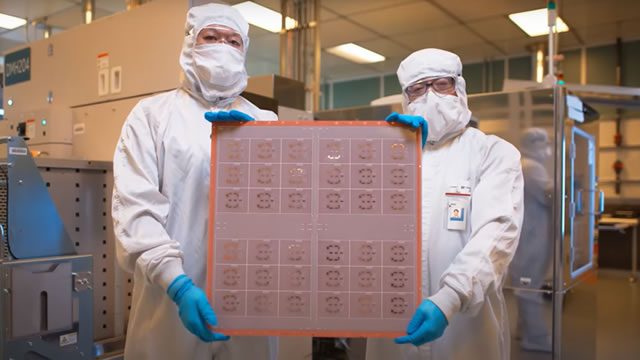
C3.ai CEO talks earnings, business changes, and demand, plus Nvidia CEO Jensen Huang's media tour
Youtube· 2025-12-04 15:48
Market Overview - All three major indices opened mostly flat, with the Dow up about 0.1%, NASDAQ up about 0.2%, and S&P 500 also showing slight gains [1] - Jobless claims came in lower than expected, and November layoffs were less than in October, contributing to market stability [1] Salesforce - Salesforce reported better-than-expected results, but the stock is still down over 27% year-to-date, trading at a record low valuation prior to the report [1][10] - The company highlighted its AI tool, Agent Force, which has seen a significant increase in paid deals, now totaling 9,500, up from 3,500 in the previous quarter [11][12] Snowflake - Snowflake's shares fell about 9% at the open due to a disappointing outlook, with a slower product revenue growth forecast for the fourth quarter [1][14] - Despite the drop, 13 brokerage firms raised their price targets on Snowflake, indicating a generally optimistic outlook from analysts [15] Nvidia - Nvidia's CEO Jensen Wong has been actively promoting the company, appearing on podcasts and engaging with lawmakers, which may enhance brand visibility [2][4] - The company is facing increasing competition from firms like Google and Amazon, which are also developing their own chips [2][3] - Nvidia's stock was up nearly 0.8% following Wong's public appearances, reflecting investor interest in the company's AI capabilities [1] Google - Google shares have risen 16% since the launch of its Gemini 3 model on November 18, indicating strong market reception [5] - The company is positioned well in both software and hardware sectors, potentially benefiting from its dual focus [6] C3 AI - C3 AI reported a 49% growth in bookings, with its federal business growing 89% year-over-year, indicating strong demand for enterprise AI solutions [18][19] - The company is focusing on key use cases such as industrial asset performance and supply chain optimization to drive growth [22] - C3 AI's new CEO emphasized the importance of demonstrating economic value to customers to secure enterprise-wide agreements [21][24]


Intel Stock Surged 10% on Apple Chip Manufacturing Hopes—Time to Buy?
247Wallst· 2025-12-04 13:38
Core Viewpoint - Intel is experiencing a significant comeback, with rumors of a potential deal with Apple to produce Mac chips contributing to its stock surge [1][2]. Stock Performance - Intel's stock has increased approximately 20% in the past week, over 77% in the last three months, and around 116% year-to-date [2]. - The stock is outperforming major competitors like Nvidia, which has gained less than 30% this year [3]. Market Sentiment - There is speculation that if the rumored deal with Apple materializes, it could significantly enhance Intel's market position and attract further partnerships [2][6]. - Analysts believe that Intel's stock may continue to rise, especially with potential new deals and partnerships on the horizon [4][6]. Future Prospects - Intel may not regain Apple's business for high-end chips but could assist in producing lower-end M-series chips [5]. - The company is expected to benefit from a resurgence in PC demand and new AI chip developments, setting the stage for continued growth [7]. Long-term Outlook - If the Apple-Intel collaboration proves successful, it could lead to additional partnerships with other firms, enhancing Intel's long-term investment appeal [8][9]. - Despite short-term overvaluation concerns, Intel is viewed as a strong long-term buy [9].


1 Must-Own Artificial Intelligence Stock for the Next Decade
The Motley Fool· 2025-12-04 10:00
Core Viewpoint - Taiwan Semiconductor Manufacturing Company (TSMC) is positioned to benefit from the ongoing developments in the AI chip market, regardless of which chip designers gain or lose market share [1][4]. Industry Overview - The AI chip market is experiencing competition from various companies, including Alphabet, Nvidia, AMD, and Broadcom, which are all fabless chip designers that outsource manufacturing [2][3]. - TSMC is a critical player in the semiconductor supply chain, producing the majority of high-powered computing chips essential for AI applications [3]. Company Performance - TSMC is launching a new 2 nanometer (nm) process node, which offers significant advantages, including 25% to 30% less power consumption compared to the previous 3nm generation [6]. - In Q3, TSMC reported a 41% year-over-year revenue increase in U.S. dollars, with projections indicating continued growth due to rising global data center capital expenditures [7][8]. Market Position - TSMC does not rely solely on Nvidia's success to thrive; the company will benefit as AI hyperscalers increase their spending on data centers [8]. - The stock is considered reasonably priced at 28 times forward earnings, making it an attractive investment compared to other leading chip designers [10][12].

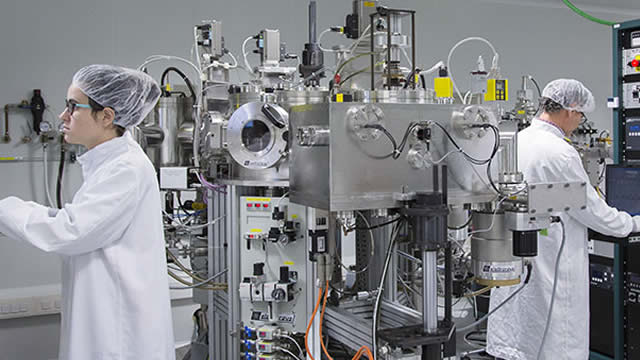
Intel: More Potential Ahead With New Likely Partnerships For Contract Chipmaking Business
Seeking Alpha· 2025-12-04 01:56
Core Viewpoint - The individual investor adopts a contrarian investment style, focusing on deep value opportunities, particularly in stocks that have recently experienced sell-offs due to non-recurrent events, while also considering insider buying as a positive signal [1] Investment Strategy - The investment portfolio is split approximately 50%-50% between shares and call options, indicating a balanced approach to risk and return [1] - The investor's timeframe for holding positions typically ranges from 3 to 24 months, suggesting a medium-term investment horizon [1] - Fundamental analysis is employed to assess the health of companies, including their leverage and financial ratios compared to sector and industry averages [1] Stock Selection Criteria - The investor screens for stocks that have undergone recent sell-offs, particularly when there is insider buying at the new lower price, indicating potential recovery [1] - Professional background checks are conducted on insiders who purchase shares post-sell-off, adding a layer of due diligence to the investment process [1] Technical Analysis - Technical analysis is utilized to optimize entry and exit points, with a focus on support and resistance levels on weekly charts, employing multicolor lines for clarity [1] - Trend lines are occasionally drawn in multicolor patterns to assist in visualizing price movements and potential future trends [1]
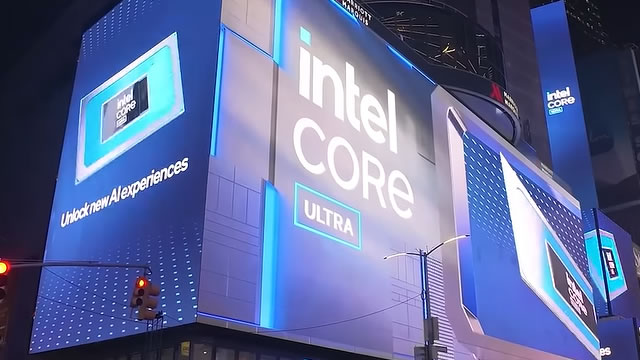
Intel Corporation (INTC) Presents at UBS Global Technology and AI Conference 2025 Transcript
Seeking Alpha· 2025-12-04 00:13
Group 1 - The article does not provide any specific content related to a company or industry [1]

Intel (NasdaqGS:INTC) 2025 Conference Transcript
2025-12-03 22:17
Summary of Intel Conference Call Company Overview - **Company**: Intel Corporation (NasdaqGS: INTC) - **Date**: December 03, 2025 - **Speaker**: John Pitzer, Intel Key Points Industry and Market Dynamics - **PC Market**: The PC market has shown robust demand throughout the year, with concerns about tariffs dissipating as the year progressed. There is a belief in sustainability in the PC market moving forward [5][6] - **Server Market**: The server market saw a significant shift in Q3, with increased demand from customers seeking long-term supply agreements. This has led to a situation where Intel is currently undersupplying both client and data center demands [6][10] Supply Chain and Shortages - **Supply Shortages**: Intel is experiencing shortages primarily in the 7-10nm nodes, with the peak of these shortages expected in Q1 2026. The company is short on supply across various product lines [7][12] - **Long-term Agreements**: Multiple cloud service providers (CSPs) are seeking long-term supply agreements due to increased demand driven by AI infrastructure needs [9][10] Product Development and Technology - **18A Node Progress**: Intel has made progress on the 18A node, with the first SKU of Panther Lake released by year-end. Yields are improving predictably, although still not at desired levels [14][15] - **14A Node Development**: The 14A node is progressing well, with better engagement with external customers compared to previous nodes. The timeline for customer decisions on 14A designs is expected to open in the second half of 2026 [22][25] Advanced Packaging and ASICs - **Advanced Packaging**: Intel is seeing increased engagement in advanced packaging technologies, with expectations for revenue growth in this area starting in the latter half of 2026 [27][29] - **ASIC Business**: The ASIC business is growing, particularly in networking, driven by AI demand. There is optimism about expanding this segment under new leadership [42][44] Competitive Landscape - **PC Market Share**: Intel is de-emphasizing the low end of the PC market to optimize for revenue and profit share, which may lead to a loss in unit share but aims for stabilization in overall market share [31][36] - **Data Center Roadmap**: Changes in the data center roadmap include the removal of certain low-end SKUs to focus on competitive products, with Coral Rapids expected to be a significant opportunity [33][34] Financial Outlook - **CapEx Guidance**: Intel is balancing the need for capital expenditures with current supply shortages. The guidance for gross CapEx is around $18 billion for the year, with potential adjustments based on market conditions [59][60] - **Gross Margin Dynamics**: The company expects a 40%-60% drop-through rate for gross margins, with various factors influencing this outlook, including the performance of Lunar Lake and memory pricing [61][62] Government Involvement - **U.S. Government Stake**: The involvement of the U.S. government as an equity holder has not significantly changed Intel's operations but has aligned incentive structures and strengthened partnerships [64] Additional Insights - **Cultural Changes**: Under new leadership, Intel has made significant changes to its organizational structure, flattening management layers and fostering a more customer-centric culture [45][46] - **AI Integration**: AI is influencing various aspects of Intel's business, from product development to advanced packaging, indicating a strategic focus on this growing market [41][42]
Intel to keep networking and communications unit
Reuters· 2025-12-03 21:23
Intel said on Wednesday it has opted to keep its networking and communications unit in the company following a review of strategic options for the unit. ...

Former Intel CEO explains why the Trump administration is taking a stake in his chip startup
Youtube· 2025-12-03 21:16
Core Viewpoint - The Trump administration is investing up to $150 million in semiconductor startup XLite to develop advanced manufacturing techniques, potentially making the government XLite's largest shareholder [1] Company Overview - XLite is focused on creating a new light source for semiconductor manufacturing, which is essential for lithography machines used in the production process [2][3] - The new light source aims to enhance productivity in current manufacturing and support future advancements in semiconductor technology, particularly in relation to Moore's Law [6][7] Technological Breakthrough - The breakthrough involves a new light source that can operate at 13.5 nanometers and is designed to integrate with ASML scanners, which are the industry standard for advanced lithography [4][6] - This technology is expected to lower manufacturing costs in the U.S. and improve competitiveness against global sources [8] Government Involvement - The investment from the U.S. government reflects a sense of urgency to advance semiconductor manufacturing capabilities domestically [10][11] - The discussions leading to this investment have been ongoing for several years, indicating a strategic focus on rejuvenating the U.S. semiconductor industry [11][12] Industry Context - The current administration is seen as more proactive compared to the previous one, utilizing a full range of government tools, including trade policy and incentives, to support the semiconductor sector [13][14] - There is a growing emphasis on reshoring and rebuilding the U.S. semiconductor manufacturing industry, with new companies emerging and research flourishing [9][14]
