
Hyundai Motor

Search documents
Hyundai Earnings Fall on U.S. Tariffs; Relief in Sight
WSJ· 2025-10-30 05:56
Hyundai Motor posted weaker earnings in the third quarter, dented by U.S. tariffs, but some relief is on the horizon. ...
Hyundai Motor's third-quarter profit slumps as US tariffs weigh
Reuters· 2025-10-30 05:20
Core Insights - Hyundai Motor experienced a 29% decline in third-quarter operating profit, primarily due to the impact of U.S. tariffs on the company [1] Company Summary - The decline in operating profit indicates significant challenges faced by Hyundai Motor in the current market environment [1] - The U.S. tariffs have been identified as a key factor negatively affecting the company's financial performance [1] Industry Summary - The automotive industry is facing increased pressure from tariffs, which can lead to reduced profitability for manufacturers operating in affected markets [1] - The situation highlights the broader implications of trade policies on global automotive companies [1]


Georgia Governor Kemp visits South Korea to meet Hyundai, LG officials, media report says
Reuters· 2025-10-23 02:25
Core Insights - The governor of Georgia, Brian Kemp, is scheduled to meet with South Korean business leaders, including executives from Hyundai Motor and LG Energy Solution [1] Group 1 - The meeting comes months after an immigration raid in Georgia that resulted in the detention of hundreds of Korean workers [1]

One Reason EVs Are Losing Money Hand Over Fist -- and One Detroit Auto's Solution
Yahoo Finance· 2025-10-18 07:14
Core Insights - The electric vehicle (EV) industry is facing significant challenges due to the removal of federal tax credits and rising incentives, which are eroding profits for automakers [4][6][7] - Automakers are increasing cash incentives to stimulate demand for EVs, with some companies like Hyundai and Stellantis offering substantial discounts [3][4] - The introduction of more affordable EV models, such as General Motors' Chevrolet Bolt, is seen as a potential solution to the current market dynamics [9][12] Industry Overview - The average price for a new U.S. light vehicle was $47,962 in March 2025, while the average transaction price (ATP) for an EV reached $58,124 in September [1] - EV incentives peaked at 16% of ATPs in July and remained above 15% in September, significantly higher than the 7.4% for overall U.S. light vehicles [2] - The loss of the $7,500 federal tax credit has prompted automakers to offer competitive lease payments and other incentives to drive EV sales [4][6] Company Strategies - General Motors is offering a $7,500 cash incentive on its 2025 Ioniq 5 and has reduced the price of the vehicle by nearly $10,000 for 2026 [3] - Tesla has introduced more affordable trims for its Model 3 and Model Y, but this strategy may lead to cannibalization of higher-margin models [13][14] - The upcoming Chevrolet Bolt is priced between $28,995 and $32,000, making it the cheapest EV in the U.S. market, although availability may be limited [12] Market Challenges - The EV industry is experiencing slower-than-expected adoption rates, compounded by tariffs on imported vehicles and a rollback of environmental standards [6][15] - Pure-play EV manufacturers like Rivian and Lucid are facing more severe challenges due to their lack of combustion engine vehicle lines to support them during market fluctuations [15] - Long-term investors should prepare for continued losses in the EV sector as companies navigate high costs and incentive spending [16]
Apple retains No.1 spot, followed by Microsoft, Amazon, and Google, Samsung ranks 5th in global brand value,
BusinessLine· 2025-10-17 06:32
Group 1: Samsung Electronics - Samsung Electronics ranked fifth in Interbrand's "Best Global Brands" list for the sixth consecutive year, maintaining its position as the top Asian company among global brands with a brand value of $90.5 billion [1][2] - Since 2020, Samsung has been the only Asian company in the global top five brands, with its brand value assessed based on financial performance, brand influence on consumer decisions, and overall competitiveness [2] - The company's strong performance is attributed to its competitiveness in artificial intelligence (AI), AI-powered home experience ecosystem, investment in AI-related semiconductors, and customer-centric brand strategies [3] Group 2: Hyundai Motor - Hyundai Motor ranked 30th in the global brand list with a brand value of $24.6 billion, marking its presence in the top 100 brands since 2005 and experiencing a brand value increase for 16 consecutive years since 2010 [4] - The company has expanded its electric and hybrid vehicle lineups and strengthened its global presence through region-specific marketing strategies, enhancing its brand influence in the U.S., Europe, and emerging markets [5] Group 3: Other Companies - Kia ranked 89th in the global brand list, while Apple retained the No. 1 spot, followed by Microsoft, Amazon, and Google [5] - Among Japanese companies, Toyota ranked sixth, Sony 34th, Uniqlo 47th, and Nintendo 53rd, while Chinese firms Xiaomi, BYD, and Huawei ranked 81st, 90th, and 96th, respectively [5] - NVIDIA saw a significant rise from 36th last year to 15th this year, highlighting its growing influence in the AI semiconductor market [6]





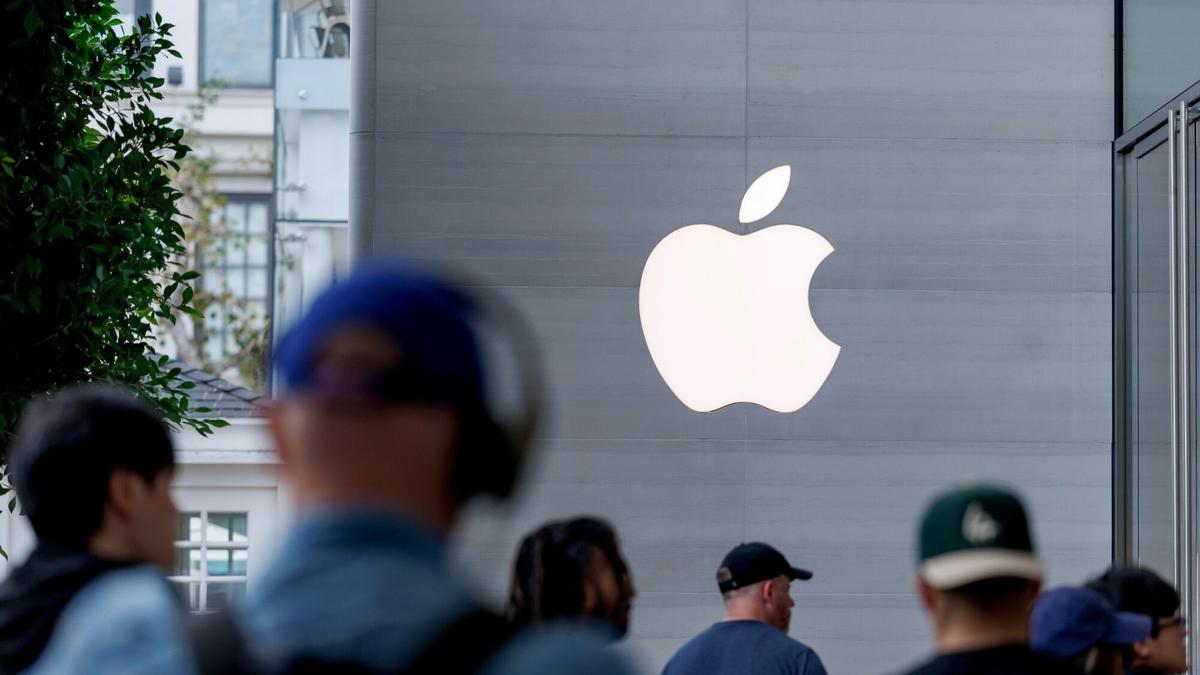
U.S. stocks fall as midsized bank earnings worry traders about underlying state of the economy
Fortune· 2025-10-16 21:30
Market Overview - U.S. stocks experienced a decline, with the S&P 500 falling 0.6%, the Dow Jones Industrial Average dropping 301 points (0.7%), and the Nasdaq composite losing 0.5% [1][9]. Banking Sector - Zions Bancorp's stock plummeted 13.1% due to a $50 million charge-off related to loans, citing "apparent misrepresentations and contractual defaults" by borrowers [2]. - Western Alliance Bancorp's shares fell 10.8% after the bank announced a lawsuit against a borrower for fraud, although it maintained its financial forecasts for 2025 [2]. - Concerns are rising regarding the quality of loans made by banks following the Chapter 11 bankruptcy filing of First Brands Group, raising questions about potential broader industry risks [3]. Technology Sector - Taiwan Semiconductor Manufacturing Co. (TSMC) reported a profit increase that exceeded analyst expectations, with strong demand anticipated for its advanced process technologies [5]. - TSMC's role is critical in the AI sector, supplying chips to companies like Nvidia, which have significantly contributed to the stock market's performance this year [6]. Corporate Performance - U.S. companies are under pressure to deliver stronger profits after a 35% surge in the S&P 500 since April, necessitating substantial profit growth to justify current stock prices [7]. - Travelers' stock fell 2.9% despite reporting stronger-than-expected profits, as its revenue did not meet forecasts [7]. - Hewlett Packard Enterprise's shares dropped 10.1% after presenting long-term financial targets that analysts found disappointing [8]. - J.B. Hunt Transport Services saw a significant increase of 22.1% after surpassing Wall Street's profit expectations [8]. Oil Market - Crude oil prices declined, with U.S. crude dropping 1.4% to $57.46 per barrel and Brent crude also falling 1.4% to $61.06 per barrel [9][10]. Bond Market - Treasury yields decreased as investors sought safer investments, with the yield on the 10-year Treasury falling to 3.97% from 4.05% [11]. Economic Indicators - Manufacturing activity in the mid-Atlantic region unexpectedly shrank, providing limited insights into the economy as the Federal Reserve assesses inflation and job market conditions [12]. - The U.S. government shutdown is causing delays in important economic updates, including unemployment claims and inflation reports [13].


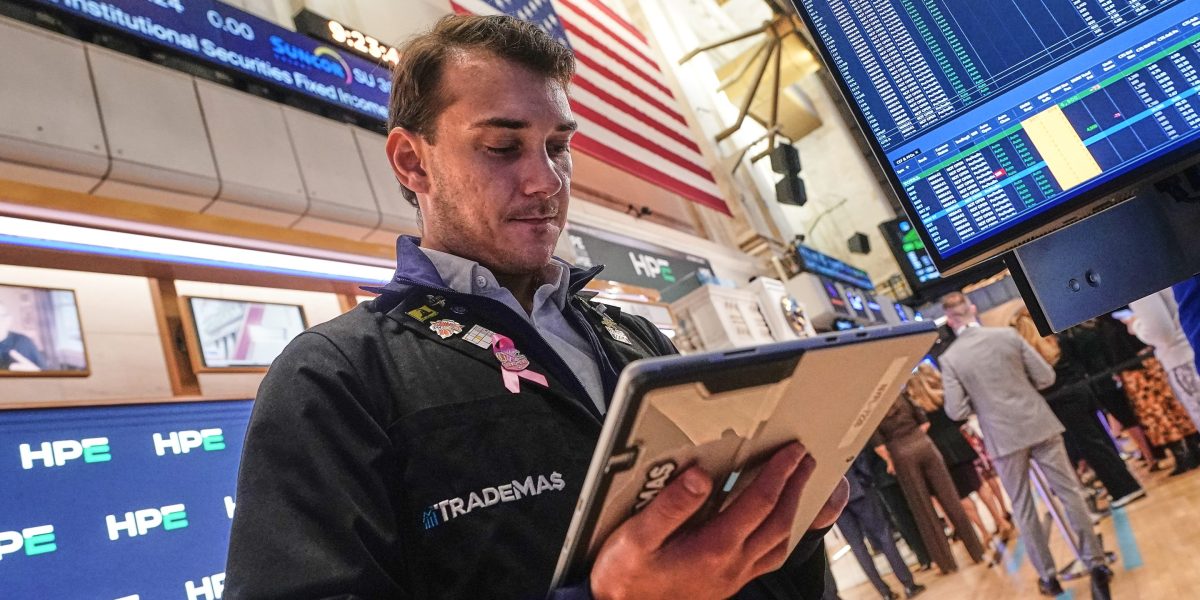
Stocks drift higher, led by Nvidia, TSMC
Fastcompany· 2025-10-16 19:01
Market Overview - U.S. stock indexes are experiencing upward movement, with the S&P 500 rising by 0.4%, the Dow Jones Industrial Average increasing by 85 points (0.2%), and the Nasdaq composite up by 0.7% [2][4] - The market has shown erratic trading patterns this week, fluctuating between gains and losses [2] Technology Sector Performance - Technology stocks are leading the market gains, particularly following Taiwan Semiconductor Manufacturing Co. (TSMC) reporting a larger-than-expected profit increase for the latest quarter [3] - TSMC's CFO indicated strong demand for their advanced process technologies, which is crucial for the AI sector [3][4] - Nvidia's stock rose by 1.4%, contributing significantly to the S&P 500's performance as it remains Wall Street's most valuable stock [4] AI Stocks and Market Sentiment - AI stocks have been central to Wall Street's record-breaking performance this year, despite ongoing inflation and a slowing job market [5] - Concerns are emerging regarding a potential bubble in AI stocks, reminiscent of the dot-com bubble that burst in 2000 [5] Corporate Earnings and Expectations - U.S. companies are under pressure to deliver stronger profits following a 35% surge in the S&P 500 since April, with critics arguing that stock prices have become too expensive [7] - Salesforce's stock increased by 4.5% after announcing plans for over 10% compounded annual revenue growth [8] - J.B. Hunt Transport Services saw an 18.8% rise after exceeding Wall Street's profit expectations for the third quarter [8] International Market Trends - Asian and European markets showed positive trends, with South Korea's Kospi soaring by 2.5% amid hopes for a trade deal with the U.S. [10] - In China, indexes experienced slight changes, with a 0.1% increase in Shanghai and a 0.1% decrease in Hong Kong [11] Economic Indicators - A report indicated unexpected shrinkage in manufacturing activity in the mid-Atlantic region, providing limited insights into the economy for the Federal Reserve [12] - The U.S. government's shutdown is delaying critical economic updates, including unemployment claims and inflation reports [13] - Federal Reserve officials are considering the job market as a key factor in their decision-making, which may lead to interest rate cuts [14]
US markets today: Stocks rise led by Nvidia and AI gains; volatility keeps investors cautious
The Times Of India· 2025-10-16 14:19
Group 1: Technology Sector - Taiwan Semiconductor Manufacturing Co. (TSMC) reported a larger-than-expected profit for the latest quarter, with CFO Wendell Huang anticipating "continued strong demand for our leading-edge process technologies" through the end of the year [4][6] - TSMC's Taiwan-listed shares climbed 1.4%, while its US-listed stock slipped 0.2% [4][6] - Nvidia rose 1.3%, becoming the top contributor to the S&P 500 rally, reflecting its status as Wall Street's most valuable stock [4][6] - Analysts have drawn comparisons between the surge in AI stocks and the dot-com bubble of 2000, despite high inflation and a slowing job market [4][6] - Salesforce's stock jumped 8% after announcing plans for over 10% compounded annual revenue growth in the coming years [4][6] - J.B. Hunt Transport Services soared 17.3% after exceeding third-quarter profit expectations [6] Group 2: Global Market Trends - Global markets experienced broad gains, with South Korea's Kospi surging 2.5% amid optimism over a potential US-Seoul trade deal, led by Samsung Electronics and automakers Hyundai Motor and Kia [5][6] - Chinese indexes saw a slight increase of 0.1% in Shanghai but fell 0.1% in Hong Kong due to ongoing trade tensions with the US [5][6] - The 10-year Treasury yield eased to 4.04% from 4.05% late Wednesday [5][6] - A report indicated unexpected contraction in manufacturing activity in the mid-Atlantic region, providing a limited view of economic conditions as the Federal Reserve balances inflation with a slowing labor market [5][6] - Market updates have been disrupted by the US government shutdown, delaying key economic releases such as weekly unemployment claims and inflation data [5][6]

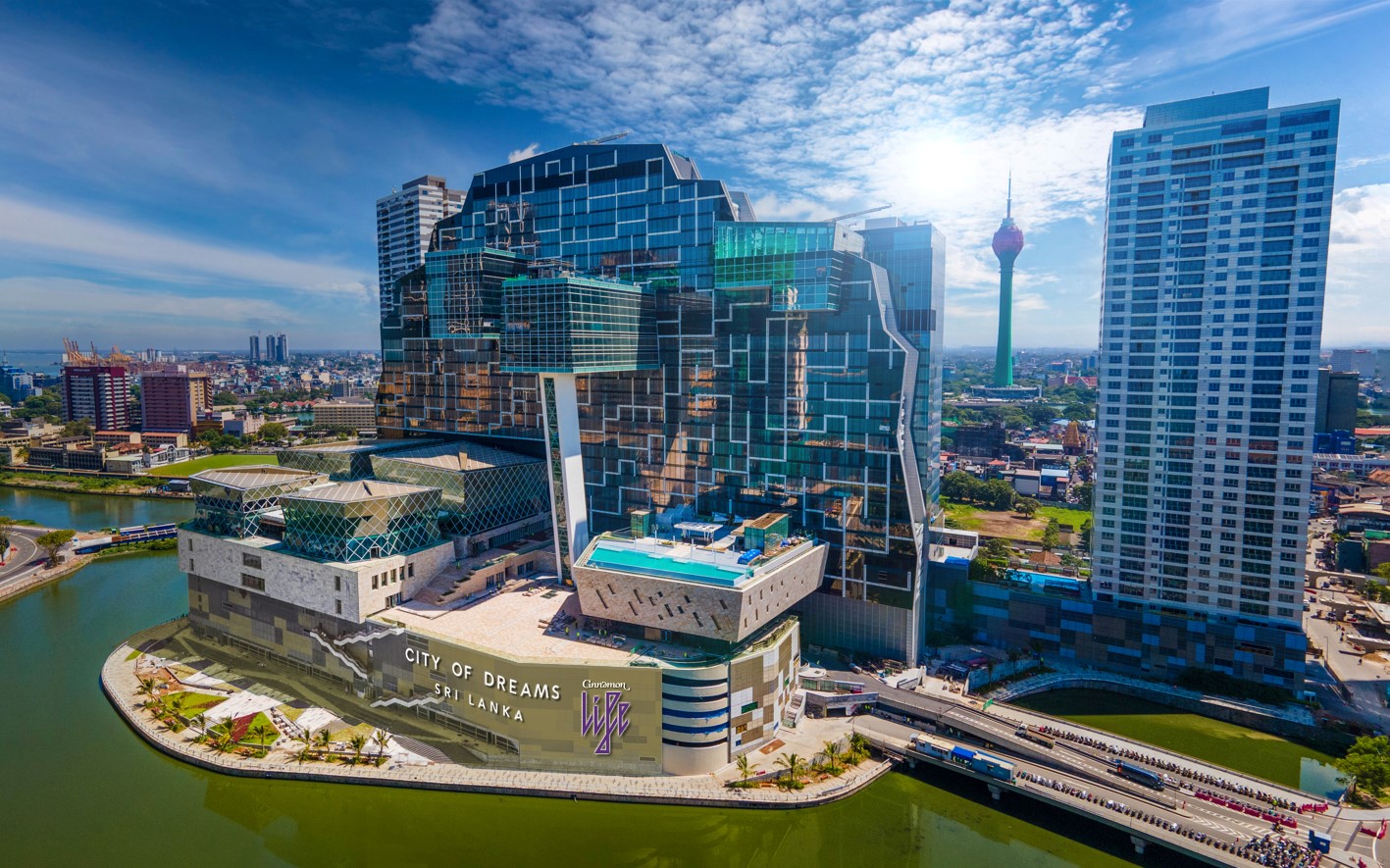
Asian Shares Extend Gains On Fed Rate Cut Optimism
RTTNews· 2025-10-16 08:27
Market Overview - Asian stocks rose on Thursday, extending gains amid expectations of imminent U.S. Federal Reserve rate cuts, although gains were somewhat limited by rising Sino-U.S. tensions [1] - China's Shanghai Composite index fluctuated but ended 0.1% higher at 3,916.23, with trade tensions impacting investor sentiment [2] - Hong Kong's Hang Seng index closed marginally lower at 25,888.51, influenced by lower-than-expected new bank loans in China [3] Regional Indices - The Nikkei average rose 1.27% to 48,277.74, while the broader Topix index closed up 0.62% at 3,203.42, driven by a surge in tech stocks [4] - Seoul stocks reached a new peak, with the Kospi average jumping 2.49% to 3,748.37, fueled by optimism over AI-driven demand and potential trade deals [5] - Australian markets hit a record closing high, with the S&P/ASX 200 climbing 0.86% to 9,068.40, led by financials, property, and gold miners [6] Company Performance - In Japan, SoftBank Group climbed 8.6%, and Tokyo Electron added 4.1%, reflecting strong performance in the tech sector [4] - Renesas Electronics jumped 8.2% amid reports of exploring a sale of its timing division [4] - In Australia, wealth manager AMP surged 8.5% following a strong quarterly update [7] Commodity and Economic Data - Gold prices extended their record run, trading above $4,230 an ounce, while oil prices rose over 1% after geopolitical developments [8] - Economic data indicated a significant turnaround in New York manufacturing activity in October, while the Federal Reserve's Beige Book reported a stalled job market [9]

Top South Korean official expresses optimism about US tariff talks, fuelling stock rally
Yahoo Finance· 2025-10-16 08:01
Group 1 - South Korea's chief presidential policy adviser expressed optimism about finalizing a trade deal with the U.S., indicating progress in negotiations that have positively impacted the stock market, particularly in the auto sector [1][2] - South Korean officials, including Finance Minister Koo Yun-cheol, noted "huge progress" in negotiations, with Foreign Minister Cho Hyun highlighting "positive signals" towards reaching a deal [2] - U.S. Treasury Secretary Scott Bessent stated that the countries are close to finalizing a trade deal, with an announcement expected within the next 10 days, coinciding with U.S. President Trump's upcoming visit to South Korea [3] Group 2 - Concerns in Seoul regarding foreign exchange implications and the structure of a $350 billion investment package from a preliminary deal have led to requests for safeguards, such as a currency swap line, to mitigate potential currency market impacts [4] - The KOSPI stock index rose 2.5% to a record high, with Hyundai Motor shares increasing by 8.3% and Kia by 7.2%, driven by expectations of reduced auto tariffs from 25% to 15% as promised in the July deal [5] - South Korea's top national security adviser indicated that there has been no progress in discussions with the U.S. Treasury regarding a currency swap, despite local media reports suggesting various tools for currency safeguards are being considered [6] Group 3 - An economist from Citi reported that the likelihood of a partial compromise has increased, contingent on three conditions: expedited timing for a deal, maintaining the $350 billion figure, and implementing safeguards to address currency risks rather than an unlimited central bank dollar swap line [7]