
Kubota Corporation

Search documents
Norway’s Kilter secures €6.5 million to scale autonomous precision weeding technology; prepares for Series B
EU· 2026-02-20 08:36
Core Insights - Kilter, a Norwegian AgTech startup, has raised €6.5 million in new financing, including a strategic investment from Kubota Corporation, enhancing its growth potential and global ambitions [1][3][10] Funding and Investment - The majority of the funding in this round was provided by Kilter's existing shareholders, indicating strong long-term confidence in the company [2][3] - The investment will support Kilter's next phase of growth, with plans for a Series B financing round [2] Company Background - Kilter was founded in 2015 as a robotics project within Adigo Mechatronics and became an independent company in 2020 [4] - The company aims to address challenges such as labor shortages, rising input costs, and regulatory pressures on chemical use [5] Technology and Product Offering - Kilter develops autonomous weeding robots, with its flagship system AX-1 designed for selective application in row and bed-based crops [6] - The AX-1 robot utilizes advanced imaging technology and AI to achieve 6x6mm accuracy in targeting weeds, allowing for a significant reduction in pesticide use [7][8] - The technology enables up to 95% reduction in pesticide use while maintaining or improving crop yields [8] Market Presence and Expansion - Kilter has been in commercial operation since 2021, serving customers in Northern Europe, including Norway, Sweden, Germany, and the Netherlands [11] - The partnership with Kubota not only provides capital but also brings industrial expertise and global distribution experience, enhancing Kilter's ability to scale internationally [9]



Escorts Kubota sees opportunity for tractor exports through US trade deal
BusinessLine· 2026-02-15 06:17
Core Insights - The India-US interim trade deal presents a significant opportunity for Escorts Kubota to explore exporting tractors to the US market [1][2] - Kubota Corporation aims to leverage India as a growth engine and a global hub for R&D, procurement, and production under its mid-term business plan for 2030 [1][5] Company Insights - Escorts Kubota is currently not exporting to the US but sees potential due to the new tariff situation, which may allow for competitive pricing compared to Japanese exports [2][3] - The company is considering manufacturing tractors in India to enhance export opportunities, which would benefit the parent company [5] Industry Insights - The tractor industry in India is expected to experience significant growth, with a projected increase of 30-35% in the March quarter following a 23% growth in the previous quarter due to GST rate reductions [6][7] - In the quarter ended December 2025, Escorts Kubota reported tractor volumes of 36,955 units, reflecting a 13.5% increase from the same quarter in the previous fiscal year [7]
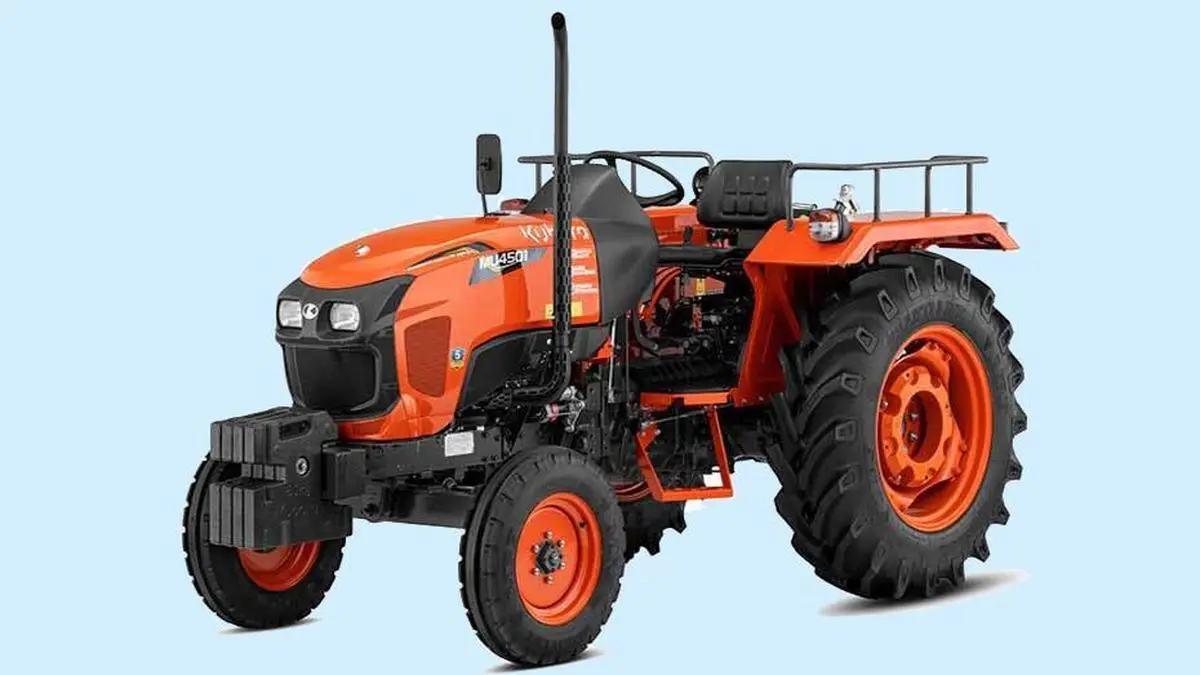
Trade deal with US offers opportunity to explore exporting tractors from India: Escorts Kubota CFO
The Economic Times· 2026-02-15 05:19
Core Insights - Kubota Corporation aims to transform India into its growth engine as part of its mid-term business plan for 2030, focusing on business and projects from India as a key strategy aspect [1][5] - The India-US interim trade deal presents an opportunity for Escorts Kubota to explore exporting tractors to the US market, which is currently not being tapped [1][2] - The company is currently exporting from Japan, facing a 15% tariff, while the tariff for India stands at 18%, indicating a potential for competitive advantage if production shifts to India [2] Group 1: Business Strategy - Kubota plans to leverage India as a global hub for R&D, procurement, and production, aiming to enhance cost competitiveness and strengthen its supply chain [5] - The company sees the possibility of manufacturing tractors in India for export, which would be beneficial for the parent company [5] Group 2: Market Outlook - The tractor industry in India is expected to grow significantly, with a 23% increase recorded in the third quarter following a GST rate reduction [6] - Projections indicate that the industry could grow by approximately 30-35% in the March quarter, with momentum expected to continue through July-August before a high base effect impacts growth [7] - In the quarter ending December 2025, Escorts Kubota reported tractor volumes of 36,955 units, reflecting a 13.5% increase from 32,556 units in the same quarter of the previous fiscal year [7]

US interim trade deal opens door for tractor exports: Escorts Kubota CFO
Business· 2026-02-15 05:14
Group 1: India-US Trade Deal Impact - The India-US interim trade deal presents an opportunity for Escorts Kubota to explore exporting tractors to the US market [1][2] - Currently, the company is not exporting to the US, but the new tariff situation may facilitate market entry [2] - The parent company, Kubota Corporation, is currently exporting from Japan, facing a 15% tariff, which is comparable to India's 18% tariff [3] Group 2: Kubota's Strategic Plans - Kubota Corporation aims to make India a growth engine under its mid-term business plan for 2030, focusing on R&D, procurement, and production [4] - The strategy includes leveraging India to enhance cost competitiveness and strengthen the supply chain [4] Group 3: EU Trade Relations and Domestic Market Outlook - The tariff on tractors for the India-EU Free Trade Agreement (FTA) is already zero, and no major impact on the tractor business is expected [5] - The tractor industry in India is projected to grow significantly, with a 23% increase in the third quarter following GST rate reductions [5] - For the March quarter, industry growth is anticipated to be around 30-35%, with momentum expected to continue into mid-year [6] - In the quarter ending December 2025, Escorts Kubota reported tractor volumes of 36,955 units, a 13.5% increase from the previous year [6]
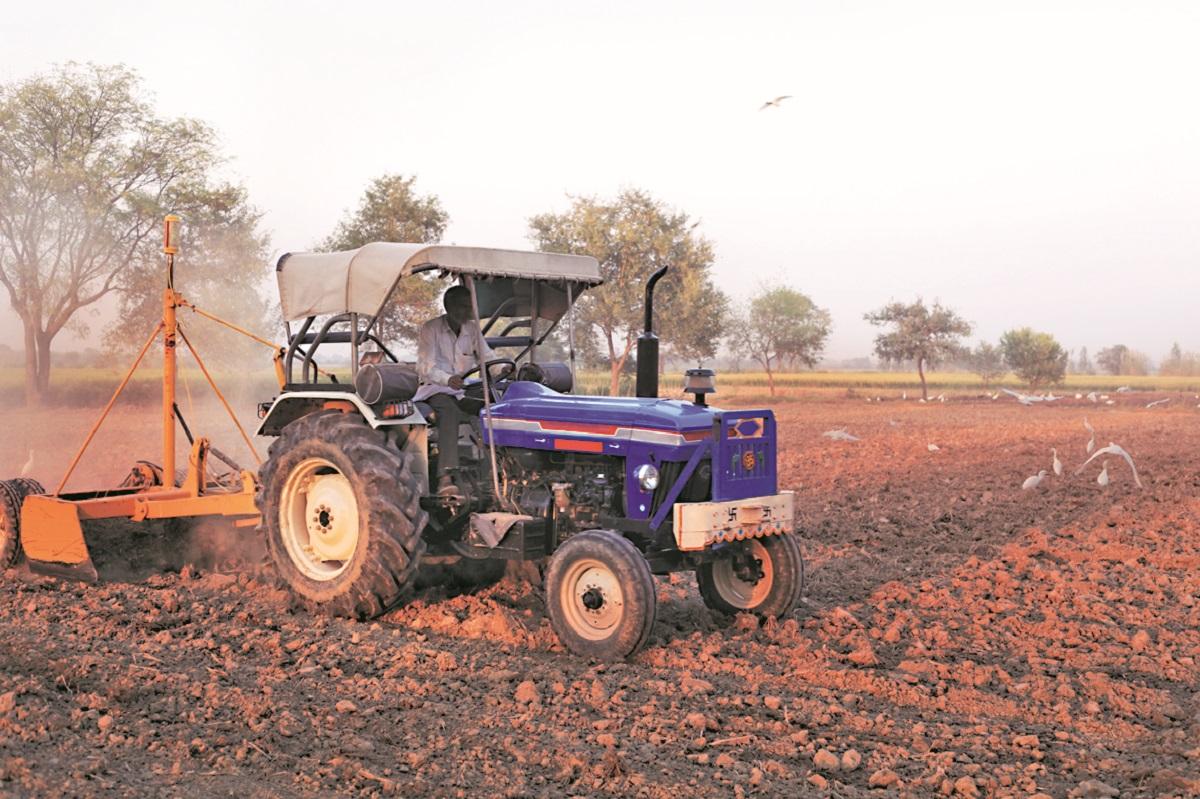
Kubota eyes India as its 'growth engine'
The Economic Times· 2026-02-13 09:05
Core Viewpoint - Kubota Corporation aims to transform India into its growth engine under its 2030 mid-term business plan, identifying it as a key pillar alongside its construction machinery business in North America and lifecycle support business [1][11]. Growth Strategy - The company plans to leverage India as a global hub for R&D, procurement, and production to enhance cost competitiveness and strengthen its supply chain [2][11]. - Kubota anticipates strong economic growth in India, with real GDP growth projected at 8% in the first half of fiscal 2025, supported by solid domestic demand [5][11]. Market Opportunities - India is recognized as the world's largest tractor market, with expectations for continued expansion due to economic development and increased agricultural mechanization [6][11]. - The company aims to tap into the global market expansion of basic tractors, noting growing demand in Europe and low agricultural mechanization rates in Africa and Latin America, which may be boosted by government subsidies [8][11]. Product Development and Cost Competitiveness - Kubota plans to enhance cost competitiveness by introducing new products under the Kubota brand, utilizing resources from Escorts Kubota [6][11]. - The company will implement the Kubota production system (KPS) to improve quality and productivity, while also expanding its product lineup across its three brands: Farmtrac, Powertrac, and Kubota [7][11]. Future Investments - Future investments include establishing a new plant in India, with a 200-acre site in Uttar Pradesh allocated for a ₹4,500 crore tractor manufacturing unit [10][11].
2025-2031全球及中国智能无人驾驶压路机行业前景动态分析报告
Sou Hu Cai Jing· 2025-08-12 20:58
Group 1 - The smart unmanned roller market is categorized into different product types, including static, vibrating, tire, combination, and others, with significant growth expected from 2020 to 2031 [2][3]. - The global market for smart unmanned rollers is projected to see substantial revenue growth, with specific trends highlighted for various applications such as urban road construction, highway engineering, airport runway construction, and railway infrastructure [2][3]. - The report outlines the overall development status of the smart unmanned roller industry, including key characteristics and influencing factors, both favorable and unfavorable [3][4]. Group 2 - The supply and demand situation for smart unmanned rollers globally and in China is analyzed, with forecasts extending to 2031, detailing production capacity, output, and utilization rates [3][4]. - The competitive landscape of the smart unmanned roller market is examined, including market share analysis of major manufacturers and their sales performance from 2020 to 2025 [4][5]. - The report provides insights into the market dynamics across different regions, including North America, Europe, Asia-Pacific, Latin America, and the Middle East and Africa, with specific sales and revenue data [4][5]. Group 3 - The analysis includes a breakdown of smart unmanned roller sales and revenue by product type and application, with projections for future trends [5][6]. - The report discusses the industry supply chain, including procurement and production models, as well as sales channels for smart unmanned rollers [5][6]. - A SWOT analysis of Chinese enterprises in the smart unmanned roller industry is presented, along with an overview of the policy environment affecting the sector [6][7].

Strategy Playbook of the Top Agriculture Equipment Industry Players for 2025: Strategic Focus, Key Plans, SWOT, Trends & Growth Opportunities, Market Outlook to 2027
Globenewswire· 2025-03-20 14:54
Core Insights - The report titled "2025 Agriculture Equipment Industry Players Strategy Playbook" provides a comprehensive analysis of major players in the agriculture equipment market, focusing on their strategies amid global challenges [2][4] - The agriculture equipment market is expected to experience a slight decline in year-on-year deliveries for 2025 due to subdued demand and ongoing pressures on farm incomes [4][5] - Key trends include a shift towards sustainability, with increased production of electric and sustainable fuel-powered equipment, alongside advancements in digitalization and automation [4][5] Industry Overview - The agriculture equipment industry is facing geopolitical tensions, volatile farm economics, and climate-related disruptions, impacting production rates and inventory levels [2][4] - Major Original Equipment Manufacturers (OEMs) are adapting their strategies to enhance resilience and growth through innovations in digitalization, automation, and sustainability [2][4] Market Dynamics - The report includes a force field analysis identifying driving and restraining forces affecting the industry, providing insights into their potential impact [5][14] - Financial performance analysis and SWOT analysis of key players are included, offering a detailed view of their market positions and strategic priorities for 2025 [12][13] Key Players - The report analyzes major agriculture equipment market players, including Deere & Co., AGCO Corporation, CLAAS Group, Kubota Corporation, SDF Group, and CNH Industrial [3][9] - It serves as a vital resource for decision-makers, investors, and stakeholders in the agriculture equipment sector [6][7] Strategic Focus - The report outlines strategic focus areas for 2025, including product portfolio strategies, technological advancements, and market-specific strategies for both traditional and emerging markets [13][15] - It emphasizes the importance of competitive analysis and strategic planning for industry players [6][10]
