
医疗资源下沉

Search documents
青海18家省垣优质医疗资源下沉基层
Xin Lang Cai Jing· 2026-01-16 20:09
Core Viewpoint - Qinghai Province is establishing a mechanism to enhance the accessibility and quality of healthcare services in urban grassroots medical institutions by 2025, aiming to provide efficient medical services to the public [1] Group 1 - 18 provincial medical institutions have formed close cooperation with 23 grassroots medical institutions, dispatching 634 experts with intermediate titles for outpatient services and completing 1.48 million remote diagnoses [1] - The proportion of patients choosing to visit grassroots medical institutions has increased by 12.79% compared to the same period in 2024 [1] Group 2 - The initiative includes establishing regular joint outpatient services, joint wards, expert studios, and green channels for emergency referrals, focusing on rehabilitation, geriatric medicine, traditional medicine, and palliative care [2] - Aiming to integrate online and offline medical services, the program will provide online follow-up for common and chronic diseases, long-term prescription management, and extend prescriptions to urban residents [2] - The plan includes allocating 10% to 15% of expert appointment resources and 5% to 10% of hospital beds for family doctors to manage and utilize for patient referrals [2]
多措并举,始终将百姓健康需求“置顶”
Xin Lang Cai Jing· 2026-01-12 21:04
Core Viewpoint - The healthcare system in Jiangsu has significantly improved during the "14th Five-Year Plan" period, enhancing accessibility and quality of medical services for residents, particularly in community healthcare settings [1][17]. Group 1: Healthcare Accessibility - Jiangsu has focused on strengthening county-level hospitals, with 84.5% of county hospitals upgraded to tertiary hospitals, and 95% of patients now receiving care within their counties [2][3]. - The establishment of 256 internet hospitals aims to provide convenient online medical services, with a target of serving over 50 million people by 2025 [6]. - The implementation of a policy allowing patients to revisit the same department within three days without re-registering has streamlined the healthcare process [6]. Group 2: Quality of Medical Services - Investment of 4.1 billion yuan has been directed towards developing 16 high-level hospitals, enhancing specialized medical capabilities in areas such as lung transplants and critical care [3]. - The introduction of advanced medical technologies, such as the world's first Y-90 microsphere treatment for liver cancer, showcases the integration of cutting-edge procedures into local healthcare [2]. Group 3: Community Health Management - Jiangsu has shifted from single diagnosis to comprehensive health management, exemplified by personalized health services provided by family doctors [3]. - The establishment of 120 chronic disease screening and prevention centers has improved early detection and management of conditions like hypertension and diabetes [4]. Group 4: Elderly and Child Healthcare - The province has implemented priority services for elderly patients, including zero-waiting times for those over 80 years old, enhancing their healthcare experience [5][8]. - The development of a robust pediatric healthcare network allows children to receive timely treatment for common illnesses at local facilities [11]. Group 5: Traditional Chinese Medicine (TCM) - Jiangsu has achieved full coverage of community TCM clinics, with 352 clinics established, reflecting a significant increase in TCM services [14]. - The integration of TCM into the healthcare system has been supported by training programs for local practitioners, ensuring high-quality care is accessible [15][16].
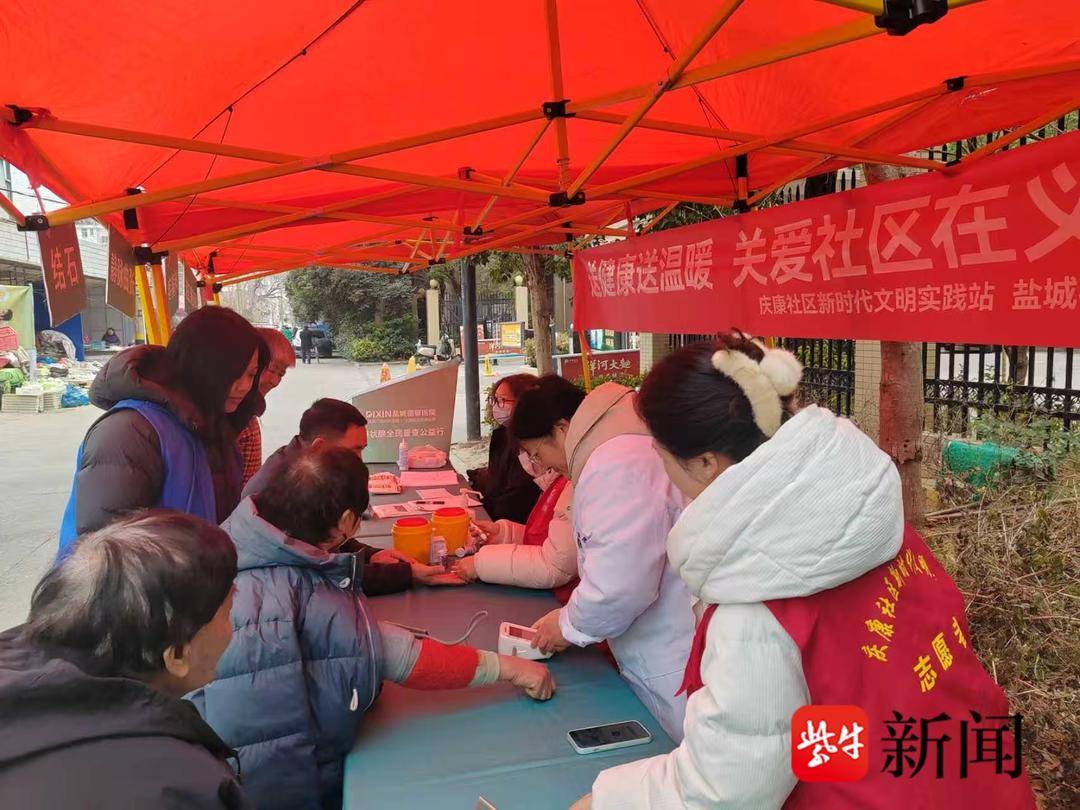
盐城市亭湖区五星街道庆康社区开展“健康进社区,温情暖寒冬”冬季健康服务活动
Yang Zi Wan Bao Wang· 2026-01-05 07:36
Group 1 - The core activity involved a health public survey and health science promotion event organized by the community and a local hospital to enhance residents' health awareness and access to quality medical services [2][3] - The event took place on January 4, 2026, at 8:30 AM, in the Shangcheng Yaju community, providing free health services such as thyroid ultrasound checks, blood sugar testing, and blood pressure measurement [2] - Community volunteers assisted in organizing the event, ensuring residents were guided and supported throughout the process, particularly for the elderly who required additional help [2] Group 2 - Health science manuals were distributed to residents, covering topics such as traditional Chinese medicine and thyroid disease prevention, aimed at improving health protection awareness [3] - The initiative received positive feedback from residents, indicating a successful effort to bring medical resources closer to the community [3] - The community plans to continue offering various health services regularly, focusing on residents' health needs to contribute to building a healthy and harmonious community [3]

聊城构建“筛诊康”一体化健康服务体系
Xin Lang Cai Jing· 2025-12-31 12:42
Core Viewpoint - The city of Liaocheng is enhancing healthcare services by implementing a comprehensive health service system that focuses on early screening, diagnosis, and rehabilitation, making quality medical resources more accessible to the public [1][5]. Group 1: Screening Services - Mobile screening vehicles are being deployed to rural areas, providing free cancer screenings and eliminating costs for transportation and meals, referred to as the "three-free" service [2]. - Over 25,000 rural residents have benefited from these free screenings, with more than 430 positive cases identified and managed [2]. Group 2: Expert Consultation and Diagnosis - Liaocheng is attracting top medical experts from major cities like Shanghai to provide local consultations and surgeries, reducing the need for patients to travel long distances for treatment [3]. - The establishment of expert workstations and collaboration with renowned hospitals has improved local medical capabilities and patient care [3]. Group 3: Nursing and Rehabilitation Services - The city is training nurses to become versatile healthcare providers through cross-department training, enhancing their ability to respond to various medical situations [4]. - Initiatives such as "Internet + nursing services" and day hospitalization for traditional Chinese medicine are being implemented to provide continuous care from prevention to rehabilitation [4].
扬州大学附属医院京沪高级医学中心正式启用
Xin Hua Ri Bao· 2025-12-16 21:51
Core Insights - The Yangzhou University Medical Innovation Development Forum announced the official launch of the Yangzhou University Affiliated Hospital Jinghu Advanced Medical Center, aiming to enhance medical education and healthcare services in Yangzhou [1] Group 1: Medical Education and Collaboration - The forum focused on gathering consensus and wisdom to outline future plans, emphasizing medical education, technological innovation, and healthcare services [1] - A strategic cooperation agreement was signed between the Yangzhou Health Commission and the Yangzhou University Medical School to improve regional healthcare service quality [1] - Yangtze River Pharmaceutical Group signed a collaboration agreement with the Yangzhou University Medical School to enhance industry-academia cooperation and result transformation [1] Group 2: Advanced Medical Center Operations - The Jinghu Advanced Medical Center will integrate high-quality medical resources from across the country, particularly from Beijing and Shanghai [1] - The center aims to provide more precise, efficient, and humanized medical services through a "pre-diagnosis" and multidisciplinary joint diagnosis model [1] - Future plans include promoting the distribution of quality medical resources and enhancing regional healthcare service capabilities [1]
健康接力”跨越城乡 湖北钟祥激活县域医疗资源
Zhong Guo Xin Wen Wang· 2025-11-30 02:30
Core Insights - The article highlights the initiative of the Zhongxiang People's Hospital to enhance healthcare services by integrating provincial-level expert resources into local communities, thereby improving accessibility and quality of care for residents [1][2][3] Group 1: Expert Integration and Service Expansion - The Zhongxiang People's Hospital has established a dual-service model that combines inviting top provincial experts and sending local medical staff to rural areas, significantly improving county-level healthcare capabilities [1] - As of now, 31 provincial-level expert studios have been set up at Zhongxiang People's Hospital, covering 23 disciplines including internal medicine, surgery, gynecology, pediatrics, and traditional Chinese medicine [1] Group 2: Community Engagement and Outreach - The hospital has developed specialized clinics such as pediatric asthma, allergy centers, and mental health centers, which have notably enhanced diagnostic and treatment capabilities [2] - Medical teams regularly conduct outreach in rural areas, providing care and education to local residents, thereby fostering a better understanding of health issues among the community [2] Group 3: Technological Advancements in Healthcare - The establishment of a remote medical platform has allowed the hospital to conduct over 15,000 remote electrocardiogram consultations, 6,400 remote imaging consultations, and 380 pathology consultations, enabling patients to receive expert-level care without traveling [2] Group 4: Future Directions - The Zhongxiang People's Hospital aims to continue its dual approach of bringing in top experts while strengthening local medical staff, contributing to sustainable health development in the region [3]
【宝鸡】精配“良方”提升就医满意度
Shan Xi Ri Bao· 2025-11-26 22:44
Core Points - The establishment of a blood dialysis room in Taibai County Hospital significantly improves the medical experience for local patients, allowing them to receive treatment closer to home and reducing travel costs by over 4,000 yuan annually [1][2] - Baoji City has implemented various healthcare initiatives to enhance medical services, including the launch of a psychological assistance hotline, mobile medical services, and the introduction of night clinics to accommodate working individuals [2][4] - The city aims to optimize healthcare delivery by integrating resources and utilizing technology, such as remote diagnosis and online consultations, to improve access to medical services for all residents [3][4] Group 1 - The new blood dialysis service fills a critical gap in healthcare provision in Taibai County, ensuring that all districts in Baoji City can now offer this essential service [2] - Baoji City has identified ten key healthcare initiatives to improve public health services, focusing on increasing service availability and enhancing patient satisfaction [2][4] - The city has introduced 36 measures aimed at improving the overall medical experience and satisfaction of patients [2] Group 2 - Mobile dental services have been initiated to assist elderly patients who face difficulties accessing traditional healthcare facilities, demonstrating a commitment to equitable healthcare delivery [3] - The establishment of a 24-hour remote ECG and imaging diagnostic network in Baoji City enhances the efficiency of healthcare services and increases patient access to necessary medical evaluations [4] - The city is committed to a health-first development strategy, focusing on optimizing healthcare systems and addressing the urgent needs of the population [4]
投用不到一年半,“亚洲最大医院”西院区停诊:今后将转向科研!业内人士分析:国内医院不再图“大”,要以研究求“强”
Mei Ri Jing Ji Xin Wen· 2025-11-22 03:35
Core Viewpoint - Zhengzhou University First Affiliated Hospital's West Campus has ceased operations less than a year and a half after opening, transitioning to a focus on research rather than clinical services [1][2][3] Summary by Sections Hospital Operations - The West Campus, known for its large number of beds and treatment volume, has been referred to as "Asia's largest hospital" and "China's largest hospital" [2] - As of November 20, the West Campus has stopped outpatient services, with only a few inpatients remaining, expected to leave in a few days [2][3] - The hospital's main campus and other branches continue to operate normally, ensuring patient care is not disrupted [8] Regulatory Context - The West Campus was opened on July 16, 2022, with a capacity of 600 beds across 15 wards, aimed at providing comprehensive medical services [7] - Recent regulations from the National Health Commission and the Henan Provincial Health Commission limit provincial hospitals to a maximum of three branch campuses, which aligns with the hospital's current operational structure after the West Campus closure [7][8] Industry Trends - The shift of the West Campus to a research-focused facility reflects a broader trend in the healthcare industry towards integrating research capabilities within hospitals, moving away from purely clinical operations [10] - Challenges in the multi-campus model include the dilution of medical resources and increased operational pressures, prompting a reevaluation of how healthcare services are delivered [9][10] - The hospital's transition to a research-oriented model is seen as a necessary evolution, as many hospitals in China have historically underinvested in research compared to their international counterparts [10][11]
四中全会精神在基层|河南开封:医疗资源“沉”下去 群众健康“提”上来
Xin Hua She· 2025-11-13 13:31
Core Viewpoint - The article highlights the efforts of Kaifeng City in Henan Province to enhance healthcare accessibility by promoting the sinking of quality medical resources and implementing remote medical services, thereby improving public health satisfaction. Group 1: Healthcare Resource Sinking - Kaifeng City has been actively promoting the sinking of quality medical resources to alleviate the difficulty of accessing healthcare at the grassroots level [2][4] - The city has launched a remote medical service network that covers all township health centers, allowing patients to receive consultations without long-distance travel [4] - Local hospitals, under expert guidance, have begun to independently perform complex neurosurgery, marking a shift from relying on external experts to conducting surgeries autonomously [5] Group 2: Innovative Healthcare Models - Kaifeng has established a multi-layered and three-dimensional healthcare resource sinking system through an innovative model of "technology sinking + talent sharing" [7] - This system aims to create a health security network that is rooted in grassroots healthcare and radiates throughout the city [7]

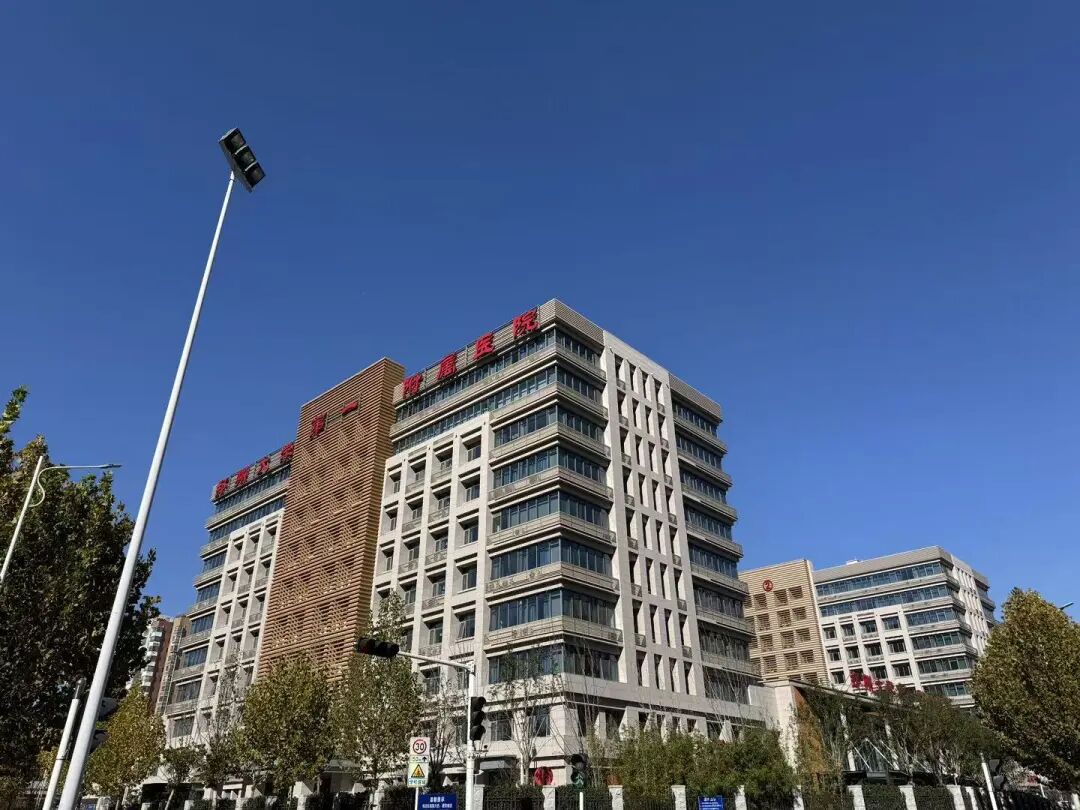
河南开封:医疗资源“沉”下去 群众健康“提”上来
Xin Hua She· 2025-11-13 05:53
Core Viewpoint - The article emphasizes the efforts of Kaifeng City in Henan Province to enhance healthcare accessibility by promoting the sinking of quality medical resources and implementing innovative remote medical services [1] Group 1: Healthcare Resource Development - Kaifeng City has introduced a remote medical consultation system, allowing residents to access expert outpatient services from city-level hospitals without traveling long distances [1] - The city has successfully attracted national-level expert teams, enabling local citizens to enjoy high-quality medical resources nearby, significantly improving public health satisfaction [1] Group 2: Addressing Grassroots Healthcare Challenges - To alleviate the difficulties faced by grassroots healthcare, Kaifeng has launched a remote medical service network that covers all township health clinics, facilitating remote consultations for patients [1] - The local hospitals, under expert guidance, have begun to independently perform complex neurosurgery, marking a shift from relying on external experts to conducting surgeries autonomously [1] Group 3: Innovative Healthcare Models - Kaifeng City has established a multi-layered and three-dimensional healthcare resource sinking system through an innovative model of "technology sinking + talent sharing," creating a health security network that is rooted in grassroots and radiates throughout the city [1]