
大熊猫保护

Search documents
官方回应“全网最黑”大熊猫
Xin Lang Cai Jing· 2026-02-27 11:12
Group 1 - The panda named "Su Jin Zai" has gained attention for its unusual black appearance, which is not its original color but due to rolling in muddy areas after snowfall [1][2] - "Su Jin Zai" is a male giant panda born on June 28, 2025, and is the offspring of panda Su Jin, who had a lengthy labor of approximately 38 hours [4] - The China Giant Panda Protection and Research Center has stated that pandas have a natural oil layer on their skin that protects them from cold and moisture, and washing them could lead to health issues [6] Group 2 - A video released by the China Giant Panda Protection and Research Center in December 2025 shows "Su Jin Zai" in its original black and white color, engaging with bamboo [2][4] - The center has taken measures to clean "Su Jin Zai" without washing, to preserve its natural oil layer [6]

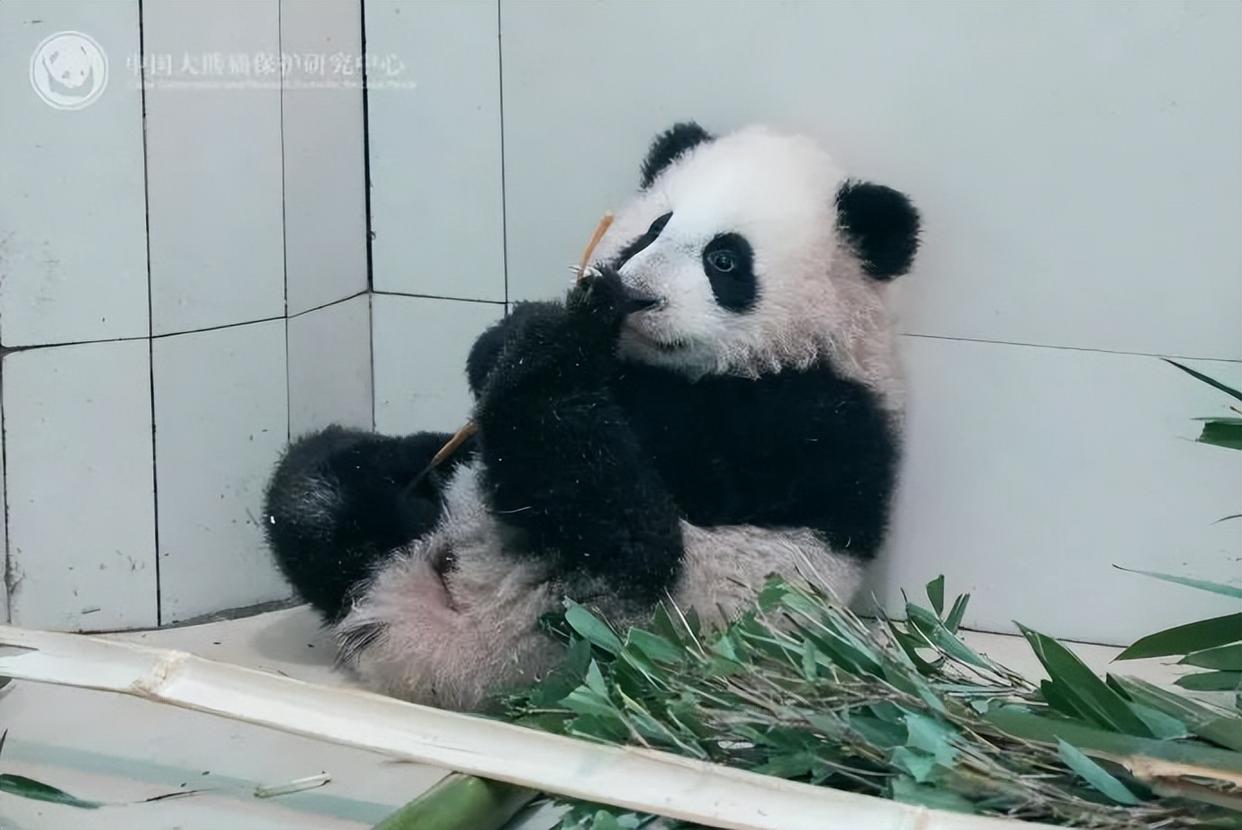
卧龙现“全网最黑”大熊猫
Xin Lang Cai Jing· 2026-02-26 19:41
Group 1 - A giant panda cub at the Wolong Shenshuping Base of the China Giant Panda Protection and Research Center has gained popularity online due to its fur being stained black, leading to humorous comments from netizens about the cub "digging for coal" [3] - The blackened appearance of the panda cub is attributed to its natural behavior of rolling in mud and grass, which is common for wild pandas and contributes to their connection with nature [3][4] - The China Giant Panda Protection and Research Center has previously explained that pandas cannot be frequently bathed because their skin has a protective layer of oil that helps them adapt to cold and damp environments [3][4] Group 2 - Adult giant pandas are powerful animals with strong molars and bite force, and they have few natural enemies in the wild [4] - In captivity, zookeepers avoid close contact with adult pandas due to their territorial nature, and bathing them is not feasible; instead, water is sometimes sprayed for cooling or interaction [4] - Pandas engage in self-cleaning behaviors such as rolling in dirt, which helps absorb excess oil and prevent parasites, while also allowing them to obtain essential trace elements from the soil [4]
新春走基层丨秦岭深处的“熊猫妈妈”
Xin Lang Cai Jing· 2026-02-17 08:09
Core Viewpoint - The article highlights the operations and daily routines at the Foping Giant Panda Rescue and Breeding Research Base, emphasizing the care and monitoring of giant pandas, particularly during the Chinese New Year period [1][3][11]. Group 1: Panda Base Operations - The Foping Giant Panda Rescue and Breeding Research Base is located at an altitude of 1,350 meters, approximately 18 kilometers from Foping County, featuring several buildings surrounded by dense bamboo forests [3]. - The base currently houses four giant pandas, including a male named Jiajia, born in 2019, and the other pandas are named Dangsheng, Quanyun, and Hengheng [5]. - The staff, including the deputy director Yang Li, are responsible for daily care, health monitoring, and scientific sample collection for the pandas [6][11]. Group 2: Daily Care and Health Monitoring - Care for the pandas involves meticulous attention to detail, similar to caring for children, with staff working in shifts during the holiday to ensure proper feeding and care [6][11]. - The feeding routine includes three main meals of bamboo and additional snacks based on their eating habits, with a "night snack" provided around 11 PM [6]. - Health monitoring includes daily observations of the pandas' fur color, activity levels, and appetite, with fecal samples collected for health assessments [7][9]. Group 3: Technological Advancements in Panda Protection - The article notes advancements in technology for panda protection, including the use of GPS and drones for monitoring, which have improved the scientific approach to conservation efforts [9]. - The Foping area is a core habitat for giant pandas, with an average of one panda per 1.5 square kilometers, highlighting the importance of ongoing conservation efforts [9]. Group 4: Cultural Significance and Commitment - The staff at the base spend significant time with the pandas, especially during festive periods, reflecting a deep commitment to their care and conservation [11][13]. - The article contrasts the quiet, dedicated work at the panda base with the bustling celebrations of the Chinese New Year outside, showcasing the unique dedication of the staff [13].
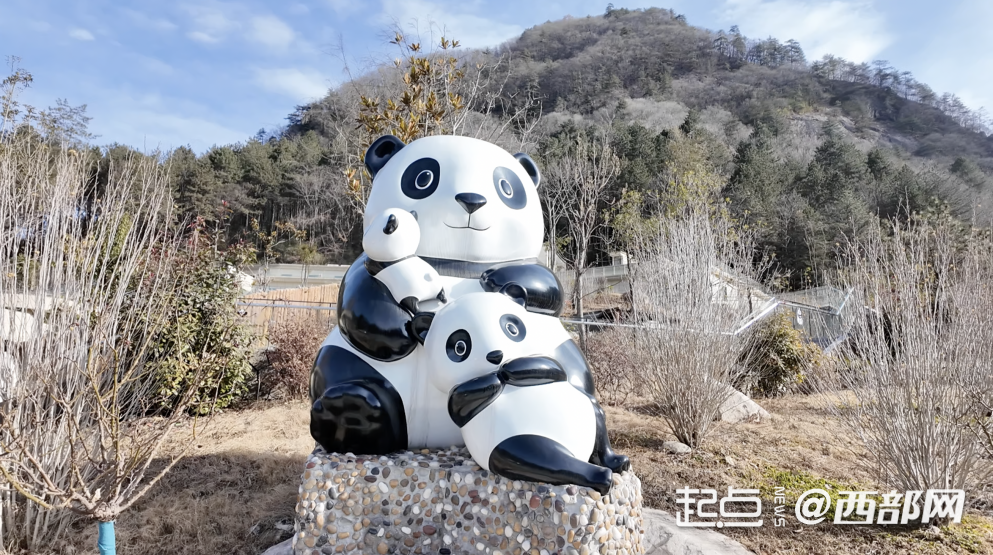
视频丨从乡音呼唤到一餐一饭,他们与大熊猫温柔相伴
Xin Lang Cai Jing· 2026-02-08 15:30
Core Viewpoint - The article highlights the arrival of five giant pandas from Chengdu to Fuzhou Panda World, emphasizing the efforts of caretakers in adapting the pandas to their new environment and the emotional connection between the pandas and the local community [1][26]. Group 1: Caretaker Efforts - Caretakers are learning Sichuan dialect to communicate effectively with the pandas, as most of them are from Fuzhou and find it challenging to speak the dialect [3][5]. - Daily tasks include cleaning, feeding, and monitoring the pandas' health through their feces, which provides important insights into their diet and well-being [5][7]. - The caretakers creatively enrich the pandas' lives by combining feeding, activity, and play to maintain their physical and mental health [11][15]. Group 2: Community Engagement - The reopening of Fuzhou Panda World has sparked interest among the public, with thousands of visitors making reservations to see the pandas, indicating a strong community connection [17][26]. - Long-time visitors, including a 75-year-old volunteer known as "Panda Grandpa," reflect on their lifelong passion for pandas, showcasing the deep-rooted history and emotional ties within the community [19][21]. - Retired medical professionals, who previously cared for the pandas, have reunited to visit the pandas, further illustrating the lasting impact of the pandas on the local community [25][26].
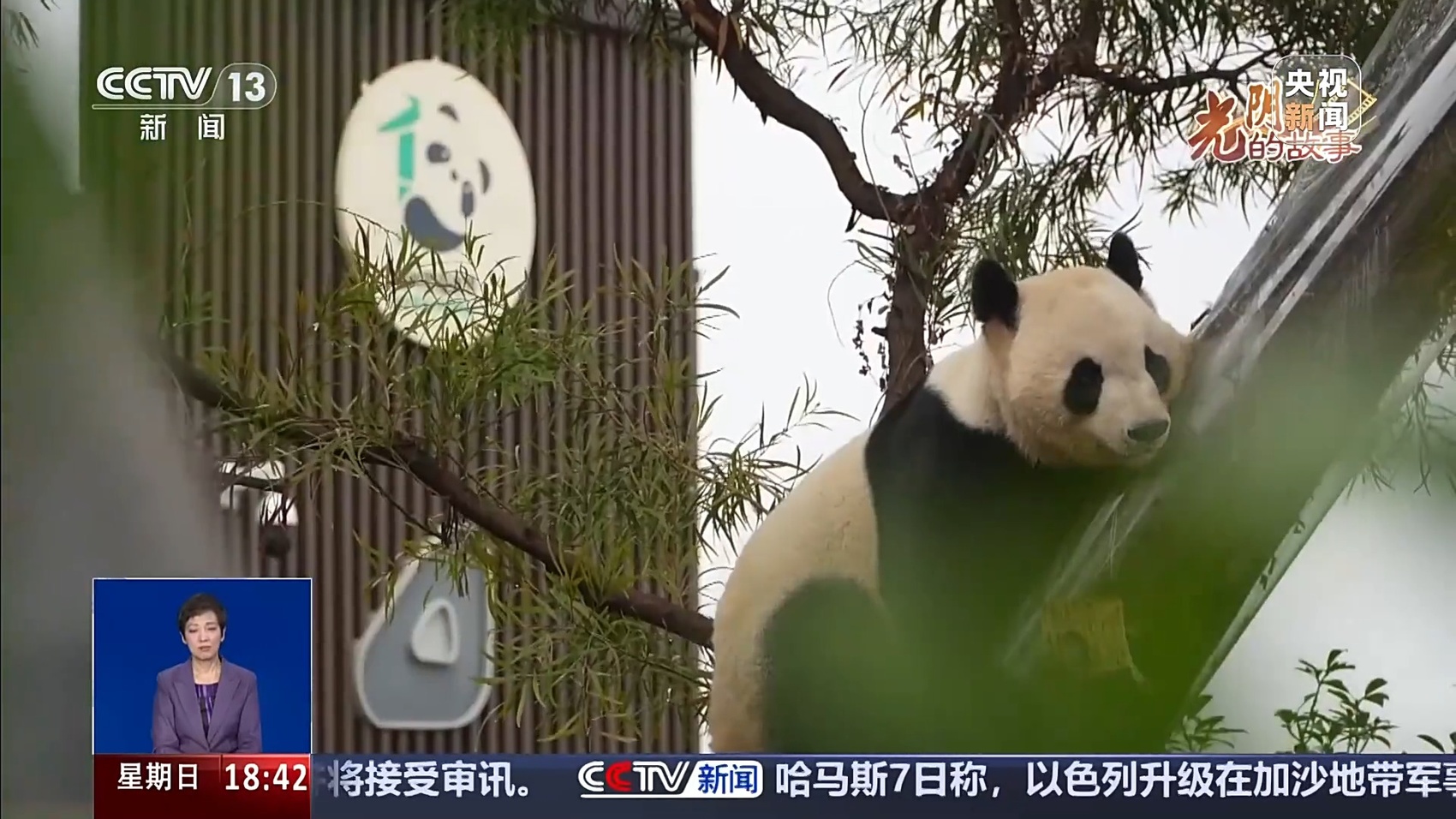
两只大熊猫将赴德国!中德签署十年合作协议
Xin Lang Cai Jing· 2026-01-21 11:18
Core Viewpoint - The China Wildlife Conservation Association has signed an international cooperation agreement with the Hellabrunn Zoo in Munich, Bavaria, Germany, to enhance giant panda conservation efforts, marking a significant step in international collaboration for wildlife protection [1][2]. Group 1: Agreement Details - The agreement was signed on January 21, 2026, in the presence of the Governor of Bavaria and the Chinese Ambassador to Germany, facilitating a ten-year research cooperation involving two giant pandas from the Chengdu Research Base of Giant Panda Breeding [1]. - The cooperation aims to ensure the health and well-being of the pandas in Munich, with Chinese experts conducting multiple assessments to guide the construction of a new panda facility and ensure a stable bamboo supply [1]. Group 2: Collaborative Efforts - The partnership will focus on various aspects of giant panda conservation, including breeding, disease prevention, personnel exchanges, and support for wild panda protection and the establishment of panda national parks [2]. - This initiative is expected to contribute to global biodiversity conservation and strengthen the friendship between the peoples of China and Germany [2].
福州熊猫世界焕新开园 五只大熊猫吸引中外游客打卡
Xin Lang Cai Jing· 2026-01-17 12:35
Core Viewpoint - Fuzhou Panda World has reopened after several years of upgrades, featuring five new giant pandas that attract a large number of visitors, both local and international [1][3]. Group 1: Panda Introduction and Historical Context - The five new pandas, named "Qicheng," "Qihang," "Ailun," "Rongyao," and "Jingliang," have drawn attention from panda enthusiasts, including Jereon Jacobs from Belgium, who appreciates the deep connection between Fuzhou and pandas [2]. - Fuzhou has a nearly half-century history with giant pandas, having first introduced them in 1977 and establishing the Fuzhou Panda Research Center in 1992, which was later renamed in 2011 [2]. Group 2: Visitor Experience and Facilities - The park has been designed to promote a leisurely visit, incorporating rest areas, tea shops, and themed workshops, encouraging a "walk, play, and relax" philosophy [2]. - The upgraded facilities aim to respect the natural behaviors of pandas and ensure their welfare, utilizing the natural terrain of Daming Mountain to simulate their habitat [5]. Group 3: Global Significance and Conservation Efforts - Georgeanne Irvine, a director from the San Diego Zoo, highlighted the global affection for giant pandas and praised China's efforts in panda conservation and habitat expansion [5]. - The Fuzhou Panda Research Center is committed to enhancing breeding, research, and educational initiatives related to giant pandas [5].
五只大熊猫跨越千里背后的新鲜事
Xin Lang Cai Jing· 2026-01-16 23:10
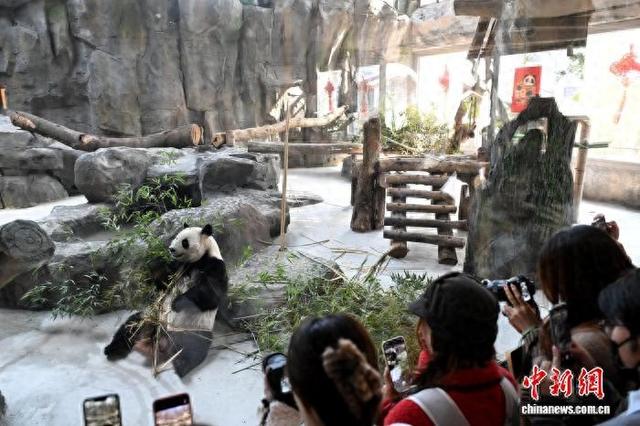
Core Viewpoint - Fuzhou Panda World has officially reopened, showcasing five giant pandas from Chengdu, with tickets sold out for the opening weekend [1] Group 1: Transportation and Arrival - The five giant pandas were transported via temperature-controlled vehicles to the airport and then flown to Fuzhou, with management personnel from Chengdu accompanying them throughout the journey [2] - The transportation plan included oxygen supply and temperature maintenance during the flight, ensuring the pandas' safety [2] Group 2: Professional Care and Management - Fuzhou Panda World has a core team consisting of management staff, dedicated keepers, veterinarians, and educational personnel, with eight keepers trained at Chengdu [3] - Training covered daily care, health assessment, behavior observation, and environmental enrichment to ensure the pandas' well-being [3] - Chengdu will provide ongoing support, including regular health and management reports to monitor the pandas' status [3] Group 3: Food Supply and Safety - Fuzhou Panda World has established long-term partnerships with local bamboo farmers to ensure a stable supply of fresh bamboo, with each panda requiring at least 50 kilograms daily [4] - Food safety measures include biannual testing of bamboo and feed to ensure quality, with adjustments made based on the pandas' consumption and seasonal factors [4] - In addition to bamboo, pandas will receive supplementary food like "wo tou" made from corn, soybeans, and oats to meet their nutritional needs [4] Group 4: Facilities and Public Engagement - The renovated Fuzhou Panda World features indoor and outdoor activity areas, a feed room, and a veterinary hospital, enhancing the pandas' living conditions [5] - New panda exhibits and an educational display center aim to engage the public and promote awareness of panda research and conservation efforts [5]
珍爱“国宝” 写好大熊猫保护故事
Ren Min Ri Bao· 2025-11-26 06:02
Core Viewpoint - The article highlights the comprehensive efforts made in China for the protection and sustainable development of giant pandas, showcasing significant advancements in breeding, habitat optimization, and international collaboration [2][4][7]. Group 1: Breeding and Health Management - The breeding rate of giant pandas has increased from 20% to 67% due to advancements in reproductive hormone monitoring and artificial insemination techniques [4]. - A full-cycle management system has been established to ensure the health of giant pandas, including regular health check-ups every quarter to half a year [4][6]. - The unique case of "Qizai," a brown giant panda, has drawn public attention and highlighted the conservation efforts at the Qinling Giant Panda Research Center [3][4]. Group 2: Habitat and Environmental Optimization - The Beijing Zoo has a long history of giant panda care, with approximately 4.8 million visitors in the past year, indicating strong public interest [5]. - Each giant panda at the Beijing Zoo receives a diet of 50 to 70 kilograms of fresh bamboo daily, along with other food items, to meet their nutritional needs [6]. - Enrichment projects have been implemented to simulate the pandas' natural behaviors and improve their physical and psychological well-being [6]. Group 3: International Collaboration and Wild Population - The China Giant Panda Protection and Research Center has five bases focusing on breeding, rewilding, and international exchanges, ensuring a comprehensive approach to panda conservation [7]. - In the Sichuan area of the Giant Panda National Park, 1,227 wild giant pandas, accounting for 91.6% of the park's population, have seen habitat restoration efforts covering 33,140 acres [8]. - Monitoring indicates that the number of wild giant pandas in the Sichuan area is expected to increase to 185 by 2024, reflecting a stable recovery of the population [8].

我国大熊猫圈养种群数量达808只
Ren Min Ri Bao· 2025-11-25 08:06
Core Viewpoint - The population of captive giant pandas has reached 808, while the wild population has increased from approximately 1,100 in the 1980s to nearly 1,900, indicating effective maintenance of sustainable development for the species [1] Group 1: Population Growth and Conservation Efforts - The captive giant panda population has steadily expanded due to ongoing research and conservation efforts [1] - The establishment of the National Innovation Alliance for Giant Panda Protection integrates various research forces to tackle major issues such as habitat protection and genetic diversity of captive populations [1] - The application of cutting-edge technologies, including artificial intelligence, has led to the development of a comprehensive wild training technology system and an integrated monitoring system for giant pandas [1] Group 2: Habitat Optimization and Protection - Systematic optimization of wild giant panda habitats has been achieved through overall protection efforts [1] - The original 73 nature reserves have been consolidated to establish the Giant Panda National Park, enhancing habitat connectivity [1] - Thirteen local giant panda habitats have been linked, achieving a complete and interconnected distribution of wild giant pandas in their primary habitats [1]
多地开展科学保护,我国大熊猫种群数量稳定发展
Ren Min Ri Bao· 2025-11-24 00:57
Core Viewpoint - The article emphasizes the successful conservation efforts for the giant panda in China, highlighting the stable growth of the panda population through scientific protection measures and international collaboration [1]. Group 1: Conservation Efforts - Various regions in China are implementing scientific measures to protect giant pandas, ensuring their sustainable development [1]. - The Qinling Panda Research Center has achieved a breeding success rate increase from 20% to 67% through advancements in reproductive hormone monitoring and artificial insemination techniques [3]. - The establishment of a comprehensive management system for panda care includes regular health check-ups and strict epidemic prevention protocols [3]. Group 2: Habitat and Behavioral Enrichment - Beijing Zoo has a long history of giant panda care, with approximately 4.8 million visitors in the previous year, showcasing the popularity of the panda exhibit [4]. - Each panda at Beijing Zoo receives a diet of 50 to 70 kilograms of fresh bamboo daily, along with other food items to meet their nutritional needs [4]. - The zoo has developed enrichment projects to simulate the pandas' natural behaviors, enhancing their physical and psychological well-being [4]. Group 3: International Collaboration and Population Monitoring - The China Giant Panda Protection Research Center has five bases focusing on breeding, rewilding, and international exchanges, ensuring comprehensive protection for giant pandas [6]. - The Sichuan area of the Giant Panda National Park is home to 1,227 wild pandas, accounting for 91.6% of the population within the park, with habitat restoration efforts covering 33,140 acres [6]. - Monitoring indicates an increase in the wild panda population, with 185 sightings recorded in 2024, reflecting a stable recovery of the species [6].