材料选型误区

Search documents
NC010电阻合金硬度测试和屈服强度分析
Sou Hu Cai Jing· 2026-02-08 11:10
Core Viewpoint - NC010 resistance alloy demonstrates a balance between hardness, yield strength, and resistivity, making it a competitive option in the market [2][11]. Group 1: Technical Specifications - NC010 resistance alloy has a yield strength of approximately 650 MPa, a microhardness of HV 210, and a resistivity of 115 μΩ·cm at room temperature [2]. - In comparison, competitor A has a yield strength of 600 MPa and a hardness of HV 195, while competitor B has a yield strength of 700 MPa and a hardness of HV 220 [3][5]. Group 2: Material Comparison - NC010's resistivity of 115 μΩ·cm is lower than competitor A's 130 μΩ·cm but higher than competitor B's 105 μΩ·cm [5]. - The microstructure of NC010 consists mainly of refined γ phase and dispersed carbides, which contributes to its balanced performance in hardness and yield strength [7]. Group 3: Processing Techniques - There are two main processing routes: cold rolling with low-temperature annealing, which improves surface precision but may sacrifice some high-temperature yield, and hot rolling with high-temperature tempering, which enhances high-temperature stability but has poorer dimensional control [8]. - A decision tree is provided to help choose between high stability and precision forming based on service temperature and dimensional accuracy requirements [9]. Group 4: Common Misconceptions - Misconception one involves focusing solely on resistivity while ignoring the temperature coefficient, leading to excessive drift in resistance at high temperatures [10]. - Misconception two is using room temperature strength instead of actual service temperature strength, which can result in material failure under high-temperature conditions [10]. Group 5: Conclusion - NC010 resistance alloy shows a competitive advantage in hardness and yield strength balance, with resistivity positioned moderately low compared to common competitors [11]. - The decision tree can assist in material selection based on processing and cost considerations, while targeted experimental validation is recommended to avoid performance compromises due to material selection misconceptions [11].

1J87软磁合金弹性模量和熔点解说
Sou Hu Cai Jing· 2026-02-03 09:45
Core Viewpoint - The 1J87 soft magnetic alloy demonstrates competitive mechanical rigidity and controllable melting point, making it suitable for applications requiring high magnetic permeability and medium to high-temperature stability [9] Group 1: Material Properties - The typical elastic modulus of 1J87 soft magnetic alloy is around 205 GPa, with a measured range of 190–210 GPa [1] - The melting point of 1J87 soft magnetic alloy ranges from approximately 1380°C to 1430°C, with distinct characteristics of partial melting [1] - Initial magnetic permeability is about 8000, with coercivity around 0.6 A/m [4] Group 2: Comparative Analysis - In terms of magnetic permeability and cost, 1J87 soft magnetic alloy outperforms conventional low-silicon iron but is more expensive than low-cost Fe-based materials [5] - 1J87 soft magnetic alloy maintains better elastic modulus stability after high-temperature annealing compared to some high-Ni alloys, but its magnetic permeability may decrease after deep cryogenic processing [5] - Three measured comparisons (elastic modulus, melting point, initial magnetic permeability) follow ASTM E1875 and GB/T 228.1-2010 testing methods for cross-validation [5] Group 3: Microstructural Analysis - The elastic modulus of 1J87 soft magnetic alloy is directly related to its microstructural composition, grain size, and residual stress [6] - The presence of trace impurities (S, P) can lower the local melting temperature and increase the width of the eutectic region, leading to double peaks in DSC curves [6] Group 4: Process Comparison - Process Route A (vacuum induction melting + casting + high-temperature annealing) offers uniform composition and low gas content, ensuring good consistency in elastic modulus and melting point [7] - Process Route B (powder metallurgy + hot isostatic pressing) can achieve finer grain structures and higher magnetic permeability, but cost and grain boundary control are contentious points [7] - Decision-making for process selection involves input requirements (high magnetic permeability, high-temperature stability, low cost) and scoring based on project weight [7] Group 5: Common Misconceptions - Misconception 1: Relying solely on chemical composition to determine elastic modulus while neglecting the impact of heat treatment history [8] - Misconception 2: Extrapolating room temperature magnetic permeability data to high-temperature conditions without considering the coupling effects of demagnetization and phase changes [8] - Misconception 3: Selecting materials based only on raw material market prices without considering process value-added costs and failure rates [8]
1J65软磁合金拉伸试验和热处理解说
Sou Hu Cai Jing· 2026-02-01 10:19
Core Insights - The article discusses the 1J65 soft magnetic alloy, highlighting its chemical composition and key technical parameters, which include a saturation magnetic flux density (Bs) of approximately 0.7–0.9 T, initial permeability (μi) reaching 3×10^4–5×10^4, and coercivity (Hc) of ≤0.8 A/m [2] Material Properties - The 1J65 soft magnetic alloy is characterized by high nickel and low carbon content, with a tensile strength (Rm) reference value of 300–500 MPa and an elongation (A%) of around 25% [2] - The alloy's performance can be significantly improved through heat treatment, although this may lead to a reduction in mechanical strength, which can be partially restored through subsequent cold processing [5] Market Dynamics - The cost of the alloy is influenced by fluctuations in LME nickel prices, which recently fell by 5%, and a decrease of approximately 3% in the Shanghai nonferrous metals market [3] Performance Comparison - Three sets of measured data show that the coercivity (Hc) decreases from 2.1 A/m in cold-rolled state to 0.55 A/m after strain relief annealing, while initial permeability (μi) increases from 1.2×10^4 to 3.4×10^4 [4] - The tensile strength (Rm) varies from 480 MPa in cold-rolled state to 410 MPa after strain relief annealing [4] Microstructural Analysis - Microstructural observations indicate that cold-rolled structures exhibit high orientation and dislocation density, while stress annealing helps in grain recovery and reduces processing hardening, explaining the decrease in Hc and increase in μi [6] Technical Controversies - There is a debate between high-temperature solution treatment followed by rapid cooling versus low-temperature stress annealing regarding which method is superior for achieving desired magnetic properties [7] - The choice of process depends on end-user requirements, with low Hc favoring stress annealing and high Bs favoring solution treatment [7] Decision-Making Framework - A decision tree is proposed for selecting processing routes based on whether the target is extremely low Hc or high strength, with further adjustments possible through intermediate tempering if necessary [8] Common Misconceptions - The article identifies three common misconceptions in material selection: focusing solely on alloy designation without considering heat treatment, judging performance based solely on chemical composition, and making decisions based on a single price indicator without accounting for total cost differences [10]
工业纯镍201抗拉强度和伸长率分析
Sou Hu Cai Jing· 2026-01-29 08:45
Core Viewpoint - The performance of nickel 201, particularly its tensile strength and elongation, is significantly influenced by the material source and thermal-mechanical processing, which is critical for industrial applications [12] Group 1: Material Properties - Nickel 201 is characterized by low impurities and low carbon content, making it suitable for industrial components with specific requirements for elongation and tensile strength [1] - Typical mechanical properties include tensile strength (σb) ranging from 280 to 360 MPa and elongation (δ) between 30% and 50% [1] - Batch A (electrolytic refining) shows a tensile strength of 285 MPa and elongation of 46%, while Batch B (VIM) has a tensile strength of 340 MPa and elongation of 35%, indicating a trade-off between strength and plasticity [1][2] Group 2: Process Comparison - The comparison of processing methods highlights that electrolytic refining favors high elongation, while VIM enhances strength but may sacrifice ductility [5] - The cooling and solidification conditions in VIM can lead to finer or more uneven grains, which increases strength but reduces ductility [4] - The decision tree for process selection emphasizes prioritizing electrolytic refining for high elongation and VIM for high strength or high-temperature service [7] Group 3: Market Dynamics - The procurement price of nickel 201 is influenced by LME nickel prices and domestic spot market fluctuations, with recent variations typically ranging from 5% to 15% [3] - Common misconceptions in material selection include overlooking process differences, focusing solely on tensile strength, and making purchasing decisions based on short-term spot prices without considering LME price volatility [9][10][11] Group 4: Recommendations - It is recommended to validate both microstructural and mechanical properties through testing on samples, and to adhere to the decision tree for process selection to avoid common material selection pitfalls [12]
1J32精密软磁铁铬合金加工与热处理和蠕变断裂寿命分析
Sou Hu Cai Jing· 2026-01-11 11:51
Core Viewpoint - The 1J32 precision soft magnetic iron-chromium alloy demonstrates a balance of magnetic performance and high-temperature creep resistance, making it suitable for components that require high magnetic permeability and intermittent high-temperature stress [8] Group 1: Material Properties - The typical chemical composition of 1J32 is Fe-16~20Cr-0.2C-0.5Si, with a density of 7.75 g/cm³ and a Curie point of approximately 770K [2] - The measured room temperature relative permeability (μr) of 1J32 is 45,000, with a target specification of 50,000; the coercivity (Hc) is measured at 2.5 A/m, and the resistivity (ρ) is approximately 0.6 μΩ·m [2] - The creep rupture life of 1J32 at 500°C/150 MPa is measured at 1,200 hours, exceeding the specification requirement of 1,000 hours and outperforming competitor B, which has a life of 600 hours [2] Group 2: Comparative Analysis - In terms of magnetic performance, 1J32 has a higher permeability than conventional iron-chromium alloy A (measured at 30,000) but lower than high-nickel soft magnetic alloys (measured at 60,000) [3] - The material cost of 1J32 is significantly influenced by chromium prices, with chromium alloy raw material prices in the domestic market showing fluctuations that impact the overall cost by approximately 35% [3] Group 3: Microstructural Analysis - The microstructure of 1J32 after solution treatment and annealing consists of a fine-grained ferrite matrix with a small amount of Cr phase precipitates (e.g., Cr23C6), with controlled carbon content to ensure carbides are dispersed rather than aggregated [4] - Metallographic analysis shows a significant reduction in dislocation density after annealing, corresponding to an increase in permeability [4] - Fracture surface analysis of creep rupture samples indicates that intergranular fracture is predominant, with crack sources located at precipitate-rich areas, highlighting the direct relationship between heat treatment and rupture life [4] Group 4: Process Comparison and Technical Controversies - Common processing routes include cold rolling followed by high-temperature annealing and hot forging followed by isothermal tempering [5] - There is a debate on whether to use high-temperature solution treatment followed by rapid quenching and low-temperature tempering to enhance creep life or to use medium-temperature isothermal tempering to promote uniform precipitation strengthening [5] - Empirical comparisons show that Route A (solution + rapid quenching + low-temperature tempering) improves the life of 1J32 by 20% at 500°C/150 MPa but increases residual processing stress; Route B (hot forging + isothermal tempering) improves life by 10% with better processing and dimensional stability [5] Group 5: Decision-Making Framework for Process Selection - If the primary goal is high-temperature creep life, the decision tree should follow "solution → rapid quenching → low-temperature tempering → strict annealing stress relief"; if the goal is processing dimensional accuracy and surface machinability, the path should be "hot forging → medium-temperature isothermal tempering → machining → stress relief" [6] - If material cost is the main concern, market prices should be evaluated (referencing LME and Shanghai Nonferrous Metals Network), and if raw material cost fluctuations are high, a processing-friendly route should be prioritized to reduce processing losses [6] Group 6: Common Misconceptions in Material Selection - Using permeability as the sole selection criterion can lead to service life failures due to neglecting high-temperature creep and mechanical strength [7] - Directly extrapolating room temperature experimental data to high-temperature environments is misleading, as the magnetic properties of 1J32 at room temperature do not correlate with high-temperature creep behavior [7] - Ignoring the impact of raw material market fluctuations on total costs can be detrimental; the high chromium content makes 1J32's cost sensitive to chromium prices, necessitating sensitivity analysis based on LME and Shanghai Nonferrous Metals Network quotes [7]
CuMn7Sn锰铜合金化学性能和组织检验分析
Sou Hu Cai Jing· 2025-12-11 10:13
Core Viewpoint - CuMn7Sn alloy, based on copper with 7% manganese and tin as a synergistic component, aims to balance strength, ductility, and corrosion resistance [2] Group 1: Chemical Composition and Market Data - Key parameters include solubility of chemical components, grain size, distribution of precipitated phases, and the control of phase structure through heat treatment [2] - LME copper prices fluctuate between 9,000–9,400 USD/ton, while CuMn7Sn alloy prices range from 85,000–95,000 RMB/ton, providing a direct reference for cost assessment [2] Group 2: Performance Comparison and Competitor Analysis - Three sets of comparative data highlight the process sensitivity of CuMn7Sn, with UTS values of 520 MPa and 460 MPa for routes A and B, respectively, showing a difference of 60 MPa [3] - Hardness values are approximately 110 HV0.2/HB and 95, a 15% difference, while electrical conductivity is around 18.2% IACS and 16.5% IACS, indicating fluctuations due to precipitated phases and grain boundary strengthening [4] - Competitor A, CuMn12Sn, exhibits high strength but loses ductility, while Competitor B, CuSn8, has good corrosion resistance but limited machinability [5] Group 3: Microstructural Analysis - Microscopic investigations reveal grain sizes between 40–60 μm, with clear grain boundaries and a composite phase of Cu-Mn-Sn distributed at grain boundaries and within grains [6] - The control of microstructural uniformity and phase structure directly affects interface barriers and diffusion rates [7] - The microstructural characteristics of CuMn7Sn explain its stability during high-temperature processing and stress distribution [8] Group 4: Process Comparison and Decision-Making - Route A involves casting followed by solution treatment and aging, focusing on optimizing solubility and precipitated states, while Route B employs hot rolling/extrusion with high-temperature annealing and subsequent aging, emphasizing grain refinement and improved machinability [9] - A decision tree outlines the process selection based on application goals, material system, cost constraints, heat treatment stability, and expected performance comparisons [10] Group 5: Material Selection Misconceptions - Common misconceptions in material selection for CuMn7Sn include focusing solely on cost, equating high strength with wear resistance, and prioritizing short-term conductivity over corrosion and thermal stability [11] - The correct approach involves a multi-objective optimization of solubility, precipitated states, and grain size, aligned with market standards to mitigate risks [12] Group 6: Conclusion and Future Outlook - CuMn7Sn alloy demonstrates a favorable strength-ductility balance and stability, with comparative data providing predictability across different processing paths [13] - Future developments may expand into thermal spraying, surface modification, and fatigue life assessment, enhancing the controllability of grain distribution and precipitated phases for high-demand applications [13]
1J38精密软磁铁铬合金退火温度和延伸率分析
Sou Hu Cai Jing· 2025-12-05 11:44
Core Insights - The article discusses the balance between grain refinement and magnetic performance in the context of annealing temperature and its impact on material properties [2][13] - It highlights the importance of adhering to both ASTM and national standards for tensile testing and heat treatment to ensure consistency and compliance [4][14] Temperature Group Analysis - At 680°C, the material exhibits a tensile elongation of 12.3%, yield strength of approximately 320 MPa, initial permeability of about 9000, and a grain size of approximately 2.8 μm, indicating good ductility but a slight decrease in magnetic permeability [3] - At 720°C, the elongation increases to 14.6%, yield strength to approximately 330 MPa, initial permeability decreases to about 8600, and grain size grows to about 3.1 μm, showing improved processability but fluctuations in magnetic stability [3] - At 760°C, elongation reaches 16.2%, yield strength drops to approximately 300 MPa, initial permeability further decreases to about 8200, and grain size increases to about 3.4 μm, reflecting significant improvements in elongation but a clear decline in magnetic performance [3] Process Comparison - Route A involves direct annealing with a shorter holding time and a mixed nitrogen/argon atmosphere, offering lower costs but potentially uneven grain distribution and residual micro-stress, which may affect fatigue life and magnetic loss [6] - Route B consists of a stepwise heat treatment (pre-annealing + main annealing) with extended holding times, emphasizing temperature gradient control and slow cooling, resulting in finer and more uniform grain structures, enhancing ductility and magnetic stability but increasing complexity and investment [6] Decision-Making Framework - The decision tree for process selection emphasizes balancing magnetic stability and ductility, with Route B preferred for higher elongation and fatigue life, while Route A is suitable for cost and cycle time control [9][11] - The choice of process should consider the required grain uniformity and sensitivity to initial magnetic permeability fluctuations, necessitating strict control over annealing atmosphere and temperature uniformity [9][10] Market Insights - The article notes that fluctuations in chromium alloy prices significantly impact the economic viability of the processing routes, with LME and Shanghai Nonferrous Metals Network data being crucial for decision-making [4][12] - The analysis indicates that the 1J38 alloy's high chromium content shows volatility in global markets, directly affecting energy and equipment costs in the annealing process [12] Conclusion - A clear trade-off exists between annealing temperature and elongation for the 1J38 alloy, with higher temperatures improving elongation but diminishing returns on magnetic permeability and increasing magnetic loss [13]
GH4145镍铬基高温合金熔点是多少?
Sou Hu Cai Jing· 2025-10-12 23:37
Core Insights - GH4145 nickel-chromium-based superalloy is crucial for high-temperature applications such as aerospace engines and gas turbines due to its strength and adaptability to complex environments [1][4] - Understanding the melting point and related technical parameters is essential for material selection and process design to avoid potential engineering risks [1][4] Melting Point and Technical Parameters - The melting point of GH4145 is approximately 1320°C, as per domestic GB/T 22877-2017 and international ASTM B898-10 standards [4] - The alloy maintains good mechanical properties at high temperatures, providing reliable temperature assurance for high-end applications [4] - Chemical composition includes over 60% nickel and around 20% chromium, with elements like molybdenum, vanadium, aluminum, and titanium enhancing high-temperature performance and oxidation resistance [4] - Density is about 8.1 g/cm³, and the thermal expansion coefficient is within the range of 10^-6/°C, indicating good adaptability to high-temperature stress [4] Common Misconceptions in Material Selection - A prevalent misconception is the sole focus on high melting points, neglecting the balance between mechanical properties and oxidation resistance at elevated temperatures [5] - Relying exclusively on one standard, such as ASTM, while ignoring domestic standards like GB/T can lead to misunderstandings of material performance [5] - Market fluctuations in metal prices, such as those reported by Shanghai Metals Market and LME, directly impact alloy cost control and procurement decisions [5] Performance Evaluation and Industry Standards - There is a debate on whether melting point should be the primary reference for evaluating high-temperature alloys, as creep, oxidation, and mechanical properties are often more critical [5] - Understanding the differences in domestic and international standards, such as GB/T 22877-2017 and ASTM B898-10, is vital for avoiding material selection errors [6] - The focus on comprehensive performance under extreme conditions is emphasized across various standards, including European and Japanese standards [6] - Awareness of real-time metal price changes can aid in developing more flexible procurement strategies to mitigate cost pressures [6] Conclusion - GH4145's melting point and thermal performance parameters provide foundational support for structural components in high-temperature environments [6] - Recognizing industry standards and common misconceptions, along with multi-source data analysis, enhances control over complex working conditions [6]
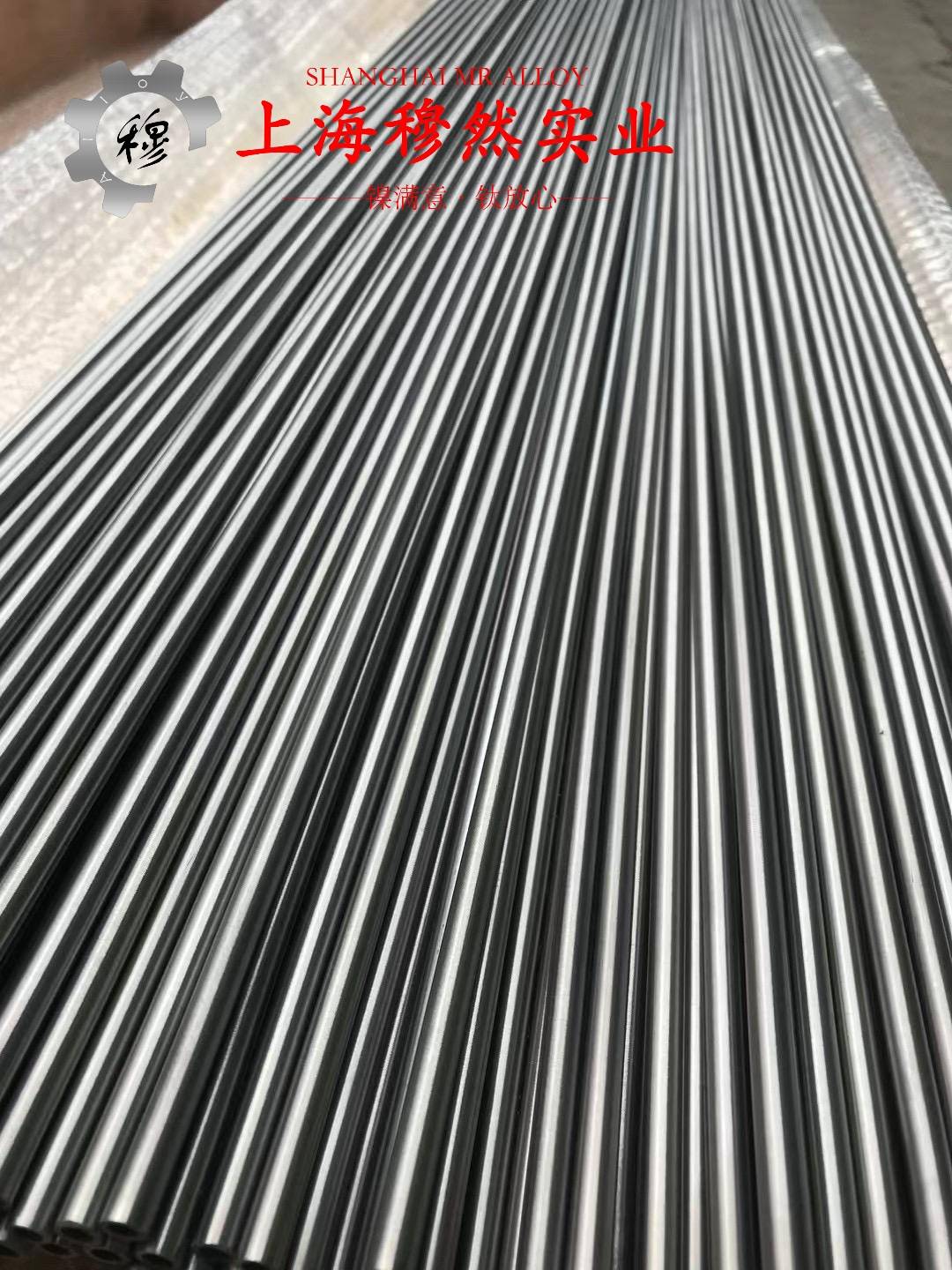
4J29精密膨胀合金棒材的材料参数百科
Sou Hu Cai Jing· 2025-10-05 17:06
Core Insights - The article focuses on the material parameters and technical specifications of 4J29 precision expansion alloy bars, emphasizing their importance in high-precision applications [1][3]. Material Parameters - The chemical composition of 4J29 includes a high proportion of Nickel (Ni), along with Chromium (Cr), Iron (Fe), Aluminum (Al), and Titanium (Ti) to enhance temperature oxidation resistance and stability [3]. - Physical properties include a density range of approximately 8.6–8.9 g/cm³, a linear expansion coefficient of 12–15×10^-6/K, an elastic modulus close to 180–210 GPa, and a maximum working temperature typically between 800–1000°C [3]. - Hardness after heat treatment usually falls within the HRC 30–45 range, with deformation and fracture toughness closely related to thermal history [3]. Technical Considerations - Precision bar dimensions are targeted at a millimeter-level tolerance of ±0.01–0.05 mm/m, with linear and roundness requirements for total length and end face runout [3]. - Corrosion resistance and oxidation tolerance are also critical material parameters, significantly influenced by cyclic heat treatment and surface treatment [3]. - The impact of heat treatment time-temperature curves on phase structure and volume consistency, as well as cooling rates on grain coarsening, are essential considerations for decision-making [3]. Common Misconceptions - Common errors in material selection include focusing solely on a single parameter like thermal expansion coefficient, neglecting processing stability and heat treatment effects [4]. - Initial cost considerations often overshadow the importance of repeatability, positioning accuracy, and long-term lifespan, leading to a miscalculation of total costs [4]. - Lack of contingency planning for supply chain fluctuations can result in unanticipated price volatility due to differences in currency, pricing units, and delivery times from sources like LME and Shanghai Nonferrous Metals Network [4]. Market Data - Procurement sources such as LME and Shanghai Nonferrous Metals Network exhibit differences in pricing standards, units of measurement, delivery timelines, and currency conversion [5]. - Establishing hedging methods for pricing, currency, taxes, and transportation costs is crucial to mitigate the impact of single-source fluctuations on material parameters and cost assessments [5]. - Utilizing LME nickel market price trends alongside Shanghai Nonferrous Metals Network's spot and processing prices provides a more comprehensive view of cost ranges and risk assessments [5]. Conclusion - The material and technical parameters of 4J29 precision expansion alloy bars are interdependent and influenced by processing, heat treatment, acceptance standards, and market conditions [6]. - Adhering to industry standards such as ASTM E10 and AMS 2750 ensures acceptance consistency within mixed American and national standards [6]. - Integrating analyses of material parameters, technical specifications, national and American standards, and market data is key to achieving high precision alignment and long-term stability [6].
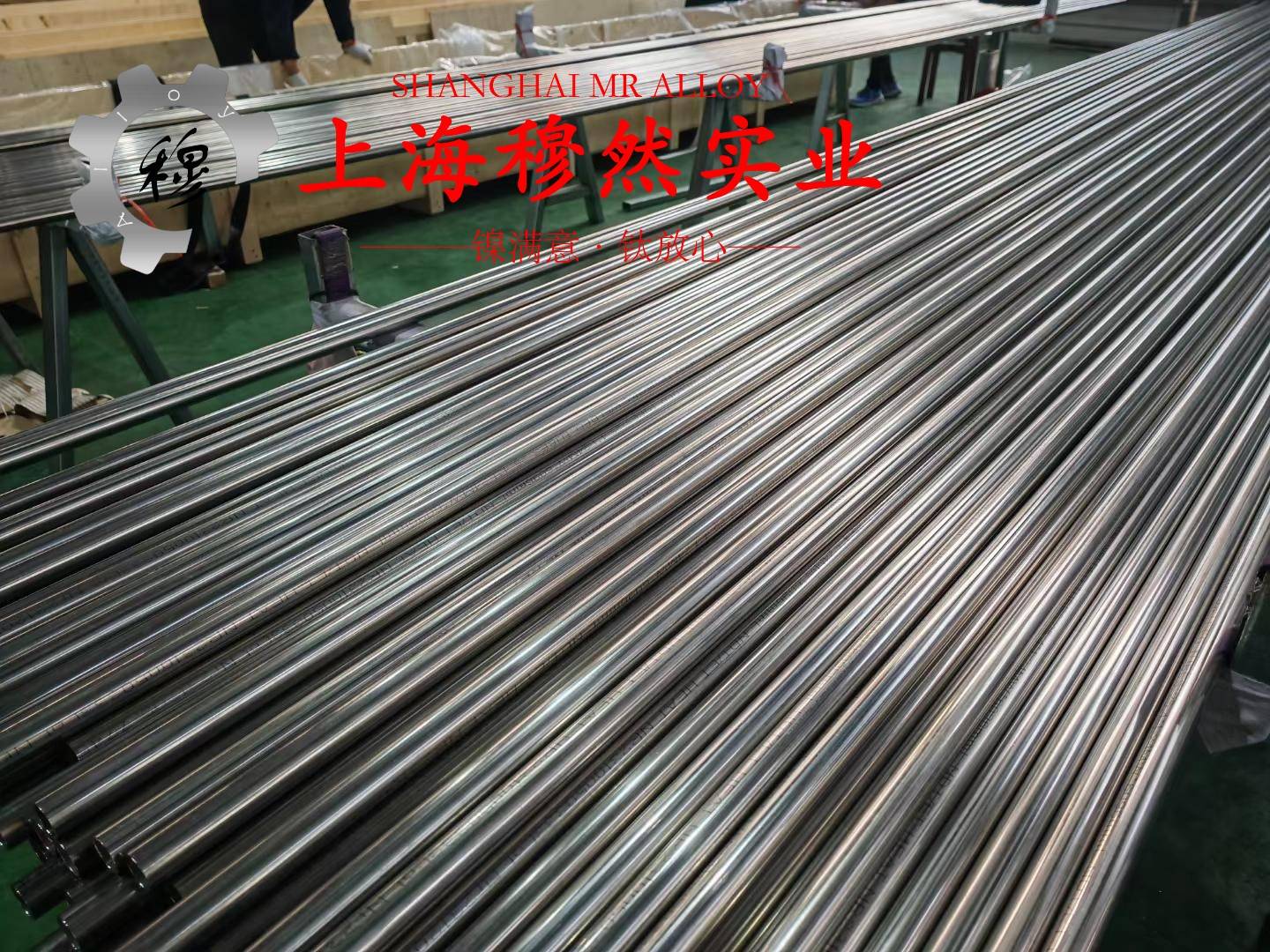
1J87精密软磁铁镍合金压缩性能
Sou Hu Cai Jing· 2025-10-04 11:05
Core Insights - The article discusses the performance and processing parameters of 1J87 precision soft magnetic nickel alloy, emphasizing its compression performance and magnetic properties in miniaturized electromagnetic components [1][4]. Group 1: Compression Performance - 1J87 alloy exhibits stable compression forming and magnetic performance, with its compression characteristics significantly influenced by heat treatment and forming processes [1][4]. - Key data for compression performance includes equivalent stress-strain relationships, compression yield strength, density, micro-uniformity, magnetic permeability, and magnetic loss trade-offs [1][4]. - The compression performance and dimensional stability of 1J87 are controlled through annealing temperature, holding time, annealing atmosphere, and forming pressure [1][4]. Group 2: Standards and Compliance - The industry standard framework includes ASTM/ISO for magnetic material testing and AMS for material composition and heat treatment control [3]. - These standards help define the basic framework for sample preparation, magnetic performance characterization, and heat treatment traceability, ensuring repeatability and batch consistency during the design phase [3]. Group 3: Material Selection Misconceptions - Common errors in material selection include focusing solely on a single metric, neglecting the impact of heat treatment on microstructure and compression performance, and prioritizing cost over other critical factors like corrosion resistance and fatigue life [4]. - Mismanagement of these factors can lead to forming failures, increased magnetic loss, or reduced lifespan of the components [4]. Group 4: Market Data and Cost Assessment - Utilizing both domestic and international market data sources aids in forming a comprehensive judgment on costs and supply [5]. - LME data provides global nickel price trends and inventory information, while Shanghai Nonferrous Metals Network offers local spot and smelting cost fluctuations [5]. - A combination of LME and Shanghai Nonferrous Metals Network data allows for a more accurate assessment of material cost fluctuations and their impact on compression processes and finished product pricing [5].