抗拉强度

Search documents
工业纯镍201抗拉强度和伸长率分析
Sou Hu Cai Jing· 2026-01-29 08:45
Core Viewpoint - The performance of nickel 201, particularly its tensile strength and elongation, is significantly influenced by the material source and thermal-mechanical processing, which is critical for industrial applications [12] Group 1: Material Properties - Nickel 201 is characterized by low impurities and low carbon content, making it suitable for industrial components with specific requirements for elongation and tensile strength [1] - Typical mechanical properties include tensile strength (σb) ranging from 280 to 360 MPa and elongation (δ) between 30% and 50% [1] - Batch A (electrolytic refining) shows a tensile strength of 285 MPa and elongation of 46%, while Batch B (VIM) has a tensile strength of 340 MPa and elongation of 35%, indicating a trade-off between strength and plasticity [1][2] Group 2: Process Comparison - The comparison of processing methods highlights that electrolytic refining favors high elongation, while VIM enhances strength but may sacrifice ductility [5] - The cooling and solidification conditions in VIM can lead to finer or more uneven grains, which increases strength but reduces ductility [4] - The decision tree for process selection emphasizes prioritizing electrolytic refining for high elongation and VIM for high strength or high-temperature service [7] Group 3: Market Dynamics - The procurement price of nickel 201 is influenced by LME nickel prices and domestic spot market fluctuations, with recent variations typically ranging from 5% to 15% [3] - Common misconceptions in material selection include overlooking process differences, focusing solely on tensile strength, and making purchasing decisions based on short-term spot prices without considering LME price volatility [9][10][11] Group 4: Recommendations - It is recommended to validate both microstructural and mechanical properties through testing on samples, and to adhere to the decision tree for process selection to avoid common material selection pitfalls [12]

车用钢板硬度已超坦克?专家称强度不等于安全
第一财经· 2026-01-26 09:49
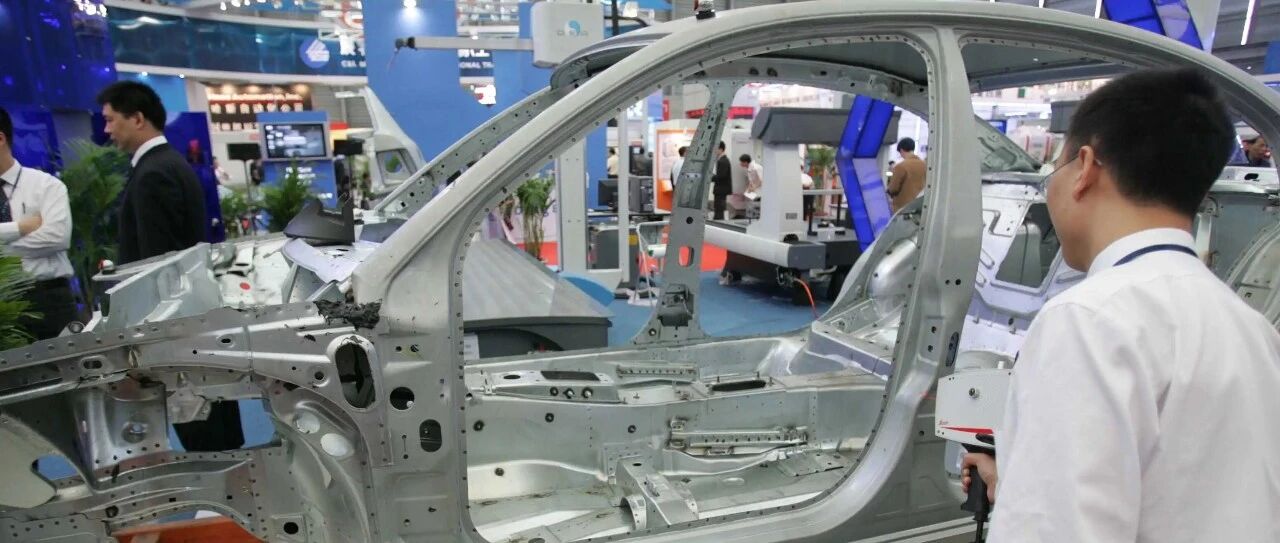
Core Viewpoint - The automotive industry is experiencing a competitive race in steel strength, with companies promoting increasingly high values for steel used in vehicles, raising questions about the actual safety implications of these numbers [1][3]. Group 1: Steel Strength Competition - Chery Automobile and Hebei Steel Group have introduced ultra-high-strength 2400MPa hot-formed steel, while a new player has reportedly launched 2420MPa steel, which is claimed to be twice as strong as tank armor [1][3]. - The debate centers on whether the reported steel strength refers to yield strength or tensile strength, and whether higher numbers genuinely enhance vehicle safety [1][3]. Group 2: Consumer Perception and Marketing - Many automotive companies emphasize higher steel strength values in marketing to suggest enhanced safety, exploiting consumer knowledge gaps [5][6]. - Consumers often misunderstand the difference between yield strength and tensile strength, leading to confusion in vehicle safety assessments [5][6]. Group 3: Technical Definitions - Yield strength is the stress at which a material begins to deform plastically, while tensile strength is the maximum stress a material can withstand before failure [6][7]. - Generally, tensile strength values are higher than yield strength, but the industry has shifted towards using tensile strength for marketing purposes, which can mislead consumers [7][8]. Group 4: Industry Standards and Practices - There are very few models with yield strengths exceeding 2000MPa, while many models boast tensile strengths above this threshold [8][9]. - Companies often create marketing terms like "super high-strength steel" without standardized definitions, leading to potential consumer deception [8][9]. Group 5: Comprehensive Safety Considerations - Automotive safety is a complex system that involves more than just steel strength; factors like body structure, welding processes, and material durability are equally important [9][10]. - The use of high-strength steel can lead to issues like hydrogen embrittlement, which may cause delayed fractures, emphasizing the need for a holistic approach to vehicle safety [10][11]. Group 6: Cost and Production Implications - The cost of using high-strength steel is significantly higher, with production costs increasing by approximately 60% compared to regular steel [11]. - The proportion of high-strength steel used in vehicles directly affects production costs and safety ratings, necessitating careful consideration by manufacturers [10][11].