第四次全国文物普查

Search documents
2026新春走基层 长城“守岁人”:以脚步丈量文明,用坚守迎接新春
Xin Lang Cai Jing· 2026-02-08 13:26
Group 1 - The article highlights the dedication of cultural heritage workers who are actively engaged in the preservation of the Great Wall in Yanqing, showcasing their commitment during the New Year preparations [1] - The efforts are part of the "Fourth National Cultural Relics Census," emphasizing the importance of documenting and protecting historical sites [1] - The initiative reflects a unique approach to celebrating the New Year, termed as "civilization guarding," where these workers prioritize cultural preservation over traditional festivities [1]
萧山区“四普”新实践引领全国文保工作
Hang Zhou Ri Bao· 2026-01-28 02:33
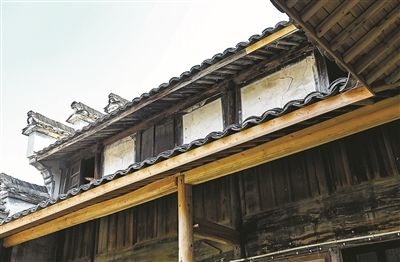
Core Viewpoint - The article highlights the successful implementation of a "risk assessment and protection" model in the preservation of cultural heritage in Xiangshan District, showcasing the restoration of historical buildings and the active involvement of local residents in heritage conservation efforts [3][6][7]. Group 1: Restoration Efforts - The Ji Shan 422 residence, a historical building, has undergone significant restoration, supported by government funding, ensuring the safety and comfort of its elderly residents while preserving the architectural heritage [3][4]. - The building, which features traditional Jiangnan architectural elements, had structural issues due to years of neglect, prompting the need for urgent repairs [4][6]. Group 2: Community Involvement - Local residents are increasingly participating in the preservation of cultural heritage, shifting from reluctance to proactive engagement in restoration efforts, supported by government initiatives [7]. - The community's attitude towards heritage conservation has evolved, with property owners now willing to contribute financially and participate in maintenance activities [7]. Group 3: Policy and Future Plans - By 2025, Xiangshan District aims to complete 35 projects for the reinforcement of immovable cultural relics, exceeding its annual targets, and has developed guidelines for maintenance and risk mitigation [7]. - The district's innovative approach to heritage conservation has been recognized by the National Cultural Heritage Administration, providing a model for similar efforts across the province and the country [7].

四普燕赵行 | 阳原:高科技赋能 解锁文保新密码
Xin Lang Cai Jing· 2026-01-25 03:47
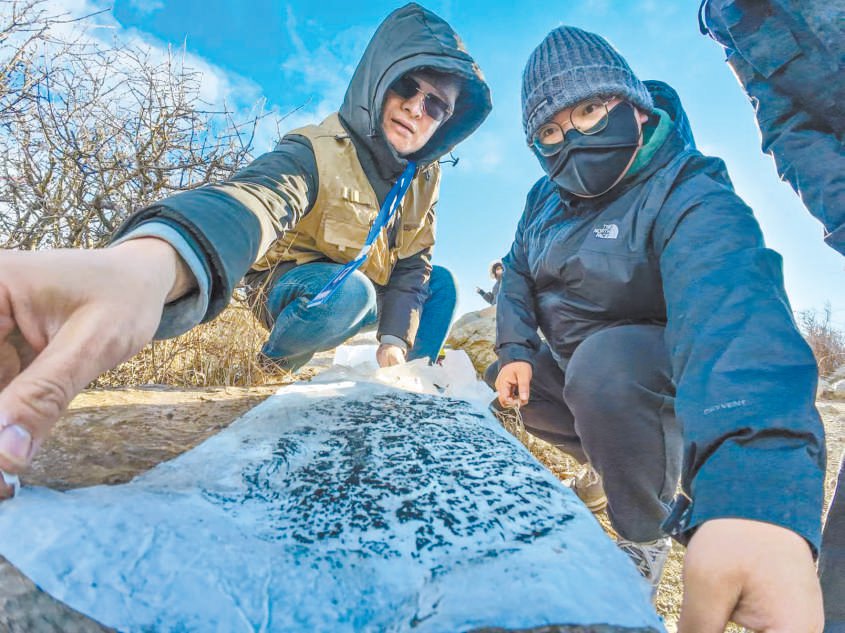
Core Viewpoint - The article highlights the launch of the fourth national cultural relics census in Hebei, emphasizing the use of technology to protect cultural heritage and the collaborative efforts of experienced and younger professionals in the field [1] Group 1: Cultural Heritage Protection - The fourth national cultural relics census has been initiated to assess and safeguard historical artifacts across the region [1] - A total of 246 survey teams and 1,537 surveyors are actively engaged in the census, demonstrating a significant commitment to cultural heritage [1] Group 2: Technological Integration - The census work in Yangyuan County showcases the integration of advanced technology with traditional expertise, leveraging the strengths of both seasoned workers and tech-savvy youth [1] - The collaboration aims to enhance the efficiency and effectiveness of the cultural relics survey process [1]
江西不可移动文物资源总量达4万处
Xin Hua She· 2026-01-21 09:38
Core Viewpoint - Jiangxi province is accelerating the fourth national cultural relics survey, aiming to discover nearly 9,000 new relics by the end of 2025, with a total of 40,000 immovable cultural relics resources [1] Group 1: Cultural Relics Survey - The ongoing cultural relics survey in Jiangxi is expected to identify approximately 9,000 new relics by the end of 2025 [1] - The total number of immovable cultural relics resources in Jiangxi is projected to reach 40,000 [1] Group 2: Funding and Regulations - During the 14th Five-Year Plan period, funding for cultural relics protection in Jiangxi will increase from 50 million yuan in 2021 to 100 million yuan by 2025 [1] - Jiangxi has established a provincial-level mechanism for the protection and inheritance of cultural heritage, ensuring full coverage of cultural relics management at the city and county levels [1] - Local regulations such as the "Jiangxi Provincial Revolutionary Relics Protection Regulations" and others have been enacted to enhance legal protection for cultural relics [1]
庆阳市完成全国老城文物专项调查工作 新发现文物点165处
Xin Lang Cai Jing· 2026-01-07 03:48
Core Viewpoint - The city has completed a comprehensive national survey of cultural relics in old towns, becoming the first in the province to finish this task, discovering 165 new cultural relic sites [1][2]. Group 1: Survey Completion - The city is the first in the province to complete the national old town cultural relics survey, with a total of 165 new relic sites discovered [1][2]. - The newly discovered sites include 47 ancient sites, 7 ancient tombs, 29 ancient buildings, 15 grottoes and stone carvings, and 66 modern historical sites and representative buildings [1]. Group 2: Survey Methodology - The survey is part of the implementation of the national cultural relics census and aims to protect the urban cultural heritage [2]. - The survey was conducted with a focus on historical old towns, ensuring thorough investigation and documentation of relics, including above-ground and underground remains [2]. - The investigation involved collaboration with local experts and community members to ensure comprehensive data collection and verification of each new discovery [2].
北京发现疑似汉代“界碑”
Xin Lang Cai Jing· 2026-01-06 22:38
Core Viewpoint - A newly discovered rock inscription in the northeastern part of Mentougou District, believed to be a Han Dynasty boundary marker, may redefine the history of rock inscriptions in Beijing, dating back at least 1800 years [2][3]. Group 1: Discovery Details - The inscription, featuring the characters "军都界," was found during the ongoing fourth national cultural relics census, marking a significant archaeological find [2][3]. - The rock inscription is located in a remote mountainous area, making it difficult to access, and was discovered following a tip from a hiker [2][3]. - The inscription measures 25 cm in length and 20 cm in width, and is carved in Han Dynasty clerical script [3]. Group 2: Historical Significance - If verified, this discovery would push back the known history of rock inscriptions in Beijing by over 300 years, as the earliest previously known inscription dates back to the Eastern Wei period, approximately 1481 years ago [3]. - The name "军都" is linked to historical records indicating that the area was known as Jundu County since the Western Han Dynasty, and it was incorporated into Changping County during the Northern Wei period [3]. Group 3: Technological Advancements - The current census employs advanced technology for documentation, including panoramic photography and real-time dynamic differential positioning, enhancing the accuracy of data collection [3]. - The collected data is uploaded to a cloud-based platform for further research and expert validation, ensuring a systematic approach to cultural heritage preservation [3]. Group 4: Public Involvement - Increased public participation in cultural relics protection has been noted since the start of the census, with citizens contributing valuable information that aids in the discovery of hidden historical artifacts [4]. - The Mentougou District has completed the review of 563 registered immovable cultural relics and has investigated 258 new leads, with expectations for further discoveries [4].
北京发现疑似汉代“界碑”摩崖石刻 或刷新最早纪录
Xin Lang Cai Jing· 2026-01-06 17:29
Core Viewpoint - A newly discovered rock inscription in the northeastern part of Beijing's Mentougou District is believed to be a Han Dynasty boundary marker, potentially dating back at least 1800 years, which could redefine the history of rock inscriptions in Beijing [1][4]. Group 1: Discovery and Significance - The inscription features the characters "军都界" (military capital boundary) carved in Han Dynasty script, marking a significant archaeological find [2][4]. - If verified, this discovery would push back the known history of rock inscriptions in Beijing by over 300 years, as the previously oldest known inscription dates back to 1481 years ago [1][4]. Group 2: Research and Methodology - The discovery was made during the fourth national cultural relics census, with advanced technology being utilized for data collection, including panoramic photography and real-time dynamic differential positioning [4]. - The team is compiling data and will conduct further scientific research and expert verification to confirm the inscription's identity, which could provide valuable insights into Beijing's historical narrative [4]. Group 3: Community Involvement and Future Prospects - The census has seen increased public participation, with citizens acting as informal relic workers, helping to uncover hidden historical artifacts [4][5]. - As of now, 563 immovable cultural relics have been registered, with 258 new leads on relics being investigated, indicating ongoing efforts to document and protect Beijing's cultural heritage [5].

北京发现疑似汉代“界碑”摩崖石刻,或刷新最早纪录
Xin Lang Cai Jing· 2026-01-06 11:13
Core Viewpoint - A newly discovered rock inscription in the northeastern part of Mentougou District, believed to be a boundary marker from the Han Dynasty, may potentially rewrite the record for the earliest known rock inscriptions in Beijing, dating back at least 1800 years [1][5]. Group 1: Discovery Process - The discovery was made during the fourth national cultural relics census, with the team receiving a tip from a hiker about a rock inscription featuring characters resembling "military capital boundary" [3][10]. - The team utilized advanced technology for the survey, including panoramic photography and real-time dynamic differential positioning to accurately document the location and details of the inscription [10][13]. Group 2: Historical Significance - Historical records indicate that the military capital county has been established since the Western Han Dynasty, and the name may be linked to nearby geographical features [5][8]. - If verified, this discovery would push back the timeline of known rock inscriptions in Beijing by over 300 years, as the oldest previously recorded inscription dates back to 1481 years ago [5][10]. Group 3: Ongoing Research and Community Involvement - The team is collecting data and creating a detailed record of the inscription, which will be further analyzed by experts to confirm its historical significance [15][19]. - The increased public engagement in cultural relics protection has contributed to the discovery, with citizens acting as informal contributors to the census efforts [17][19].

2025年宁夏“四普”认定新发现文物1000余处
Xin Hua She· 2025-12-19 12:57
Group 1 - The Ningxia Hui Autonomous Region is currently in a critical phase of the fourth national cultural relics census, with 1,041 newly identified cultural relics as of now [1] - The census work has utilized expert teams and advanced technologies such as satellite maps and drone photography to significantly enhance the efficiency of relic discovery [1] - A unified census standard and data management platform have been established, with over 1,200 professionals trained to ensure the accuracy and reliability of the data [1] Group 2 - The newly discovered relics include significant findings such as the fortress beacon tower in Yuyuan Village, Pengyang County, which is over 1,000 years old and covers an area of more than 4,000 square meters [1] - The Daqiantai site in Pengbao Town, Guyuan City, has revealed artifacts dating back approximately 18,000 to 12,000 years, including over 2,700 stone tools and rare finds like ostrich eggshell fragments [2] - The Daqiantai site is crucial for understanding the migration and expansion of ancient humans in East Asia during the last deglaciation period [2]
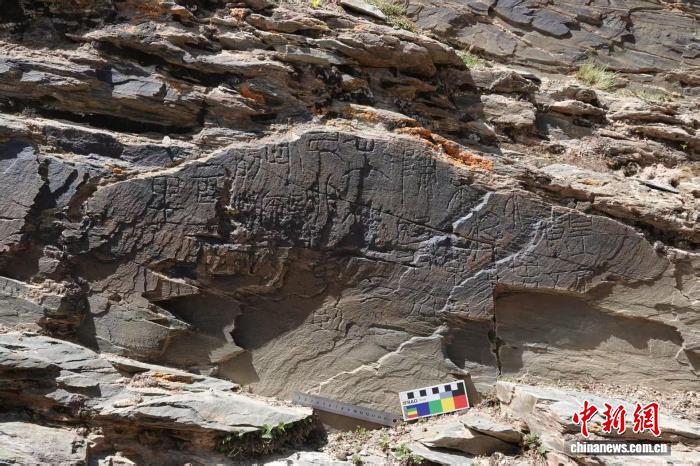
专家详解如何认定“尕日塘秦刻石”为秦代石刻
Zhong Guo Xin Wen Wang· 2025-09-15 23:27
Core Viewpoint - The "Gari Tang Qin Inscription" has been officially recognized as a Qin Dynasty stone inscription by the National Cultural Heritage Administration of China, highlighting its historical, artistic, and scientific significance [1][3]. Group 1: Inscription Details - The inscription consists of 12 lines and 37 characters, primarily written in Qin seal script, with most characters clearly legible [3]. - The content includes specific dates and distances, marking it as the only known Qin inscription at its original site and at the highest altitude in China [3]. - The inscription is linked to the cultural landscape of Zhaling Lake and is considered a significant archaeological find [3]. Group 2: Research and Analysis - A comprehensive investigation was conducted by the China Cultural Heritage Research Institute and the Qinghai Provincial Institute of Cultural Relics and Archaeology, confirming the inscription's authenticity and preservation status [3][4]. - The inscription is made of medium-grained quartz sandstone, with clear chisel marks indicating traditional carving techniques, ruling out the possibility of modern forgery [3][4]. - The research included expert discussions and analyses of key terms within the inscription, reinforcing the conclusion of its historical value [4]. Group 3: Protection Measures - The National Cultural Heritage Administration has designated the inscription as a county-level cultural heritage protection unit, establishing a protective range and management guidelines [4][5]. - The inscription will be prioritized in the upcoming selection for the ninth batch of national key cultural heritage protection units, emphasizing the commitment to its preservation [5].