Inflation control

Search documents
Debate Over Tariff Costs Escalates Fed-White House Rift
Investopedia· 2026-02-20 13:00
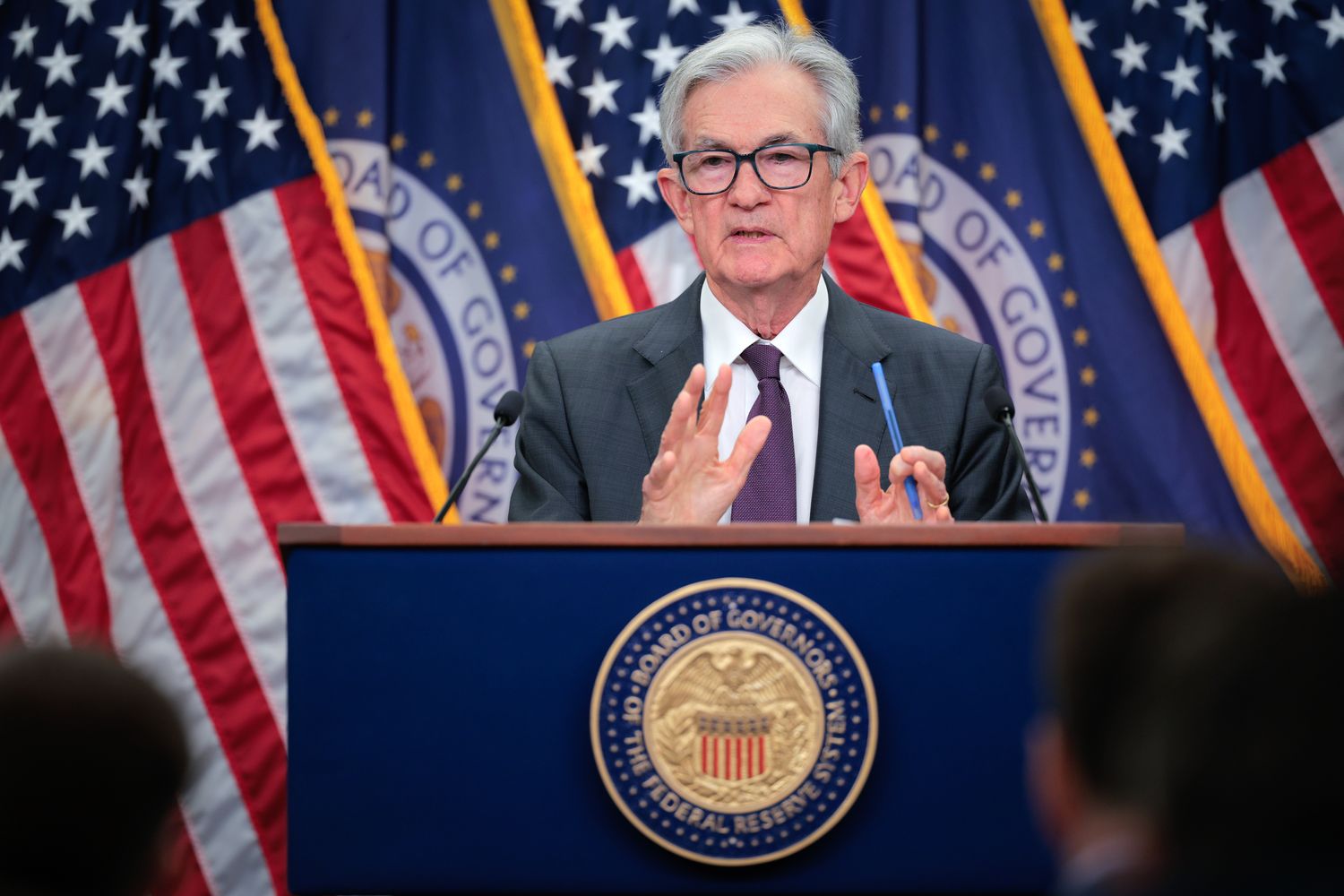
Key Takeaways Research from the New York Fed shows Americans, not foreigners, are bearing the cost of tariffs.The Trump administration criticized the study, calling it partisan and questioning its methodology.The conflict highlights ongoing tensions over the Federal Reserve's independence from political influence. Get personalized, AI-powered answers built on 27+ years of trusted expertise. The latest battleground in the feud between the White House and the Federal Reserve system is a routine economi ...

Fed Minutes Show Division as Rate Cuts Remain on the Table
Investopedia· 2026-02-19 01:00
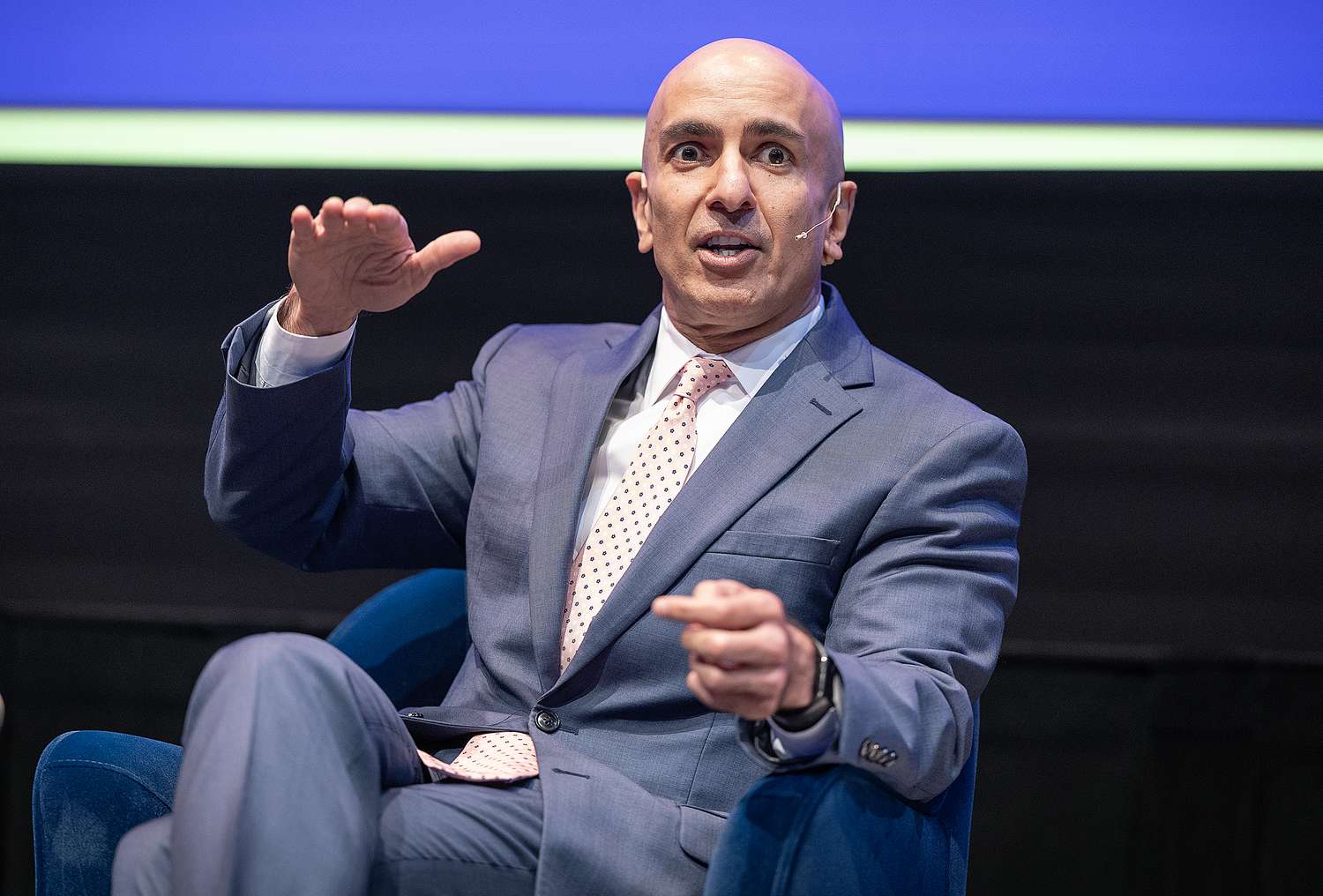
Core Viewpoint - The Federal Reserve is considering further interest rate cuts this year, but there is significant internal debate regarding the timing and necessity of such cuts due to persistent inflation concerns [1][2][8]. Summary by Sections Interest Rate Outlook - The Fed's January meeting minutes indicate a division among officials about future rate cuts after three reductions in 2025, with some advocating for caution due to inflation still above the 2% target [1][5]. - While many believe further downward adjustments are necessary if inflation continues to decelerate, some officials express reluctance to cut rates excessively, fearing it could reignite inflation [2][3]. Inflation and Employment - The current inflation rate is slightly above 2.5%, and Fed officials emphasize the importance of maintaining focus on the 2% inflation objective to avoid long-term inflationary pressures [6][8]. - Employment risks have moderated, but concerns remain about the potential for job market deterioration if rates are kept too high [7][9]. Policy Implications - The Fed's decisions on interest rates will significantly impact borrowing costs for consumers and businesses, highlighting the importance of inflation and employment data in shaping rate expectations [4][8]. - Some Fed officials, including Governors Miran and Waller, have expressed dissent regarding the decision to keep rates unchanged, arguing for the potential to cut rates further given the weak labor market conditions [10]. Analyst Perspectives - Analysts predict that employment growth may slow, which could lead to an increase in the unemployment rate, while inflation remains the primary barrier to additional rate cuts [11][12]. - Expectations are for the Fed to potentially cut rates three times later this year, contingent on the evolving economic landscape [12].
Is The Economy's Balance 'Precarious' or 'Stabilizing?' Fed Officials Differ
Investopedia· 2026-02-07 01:00
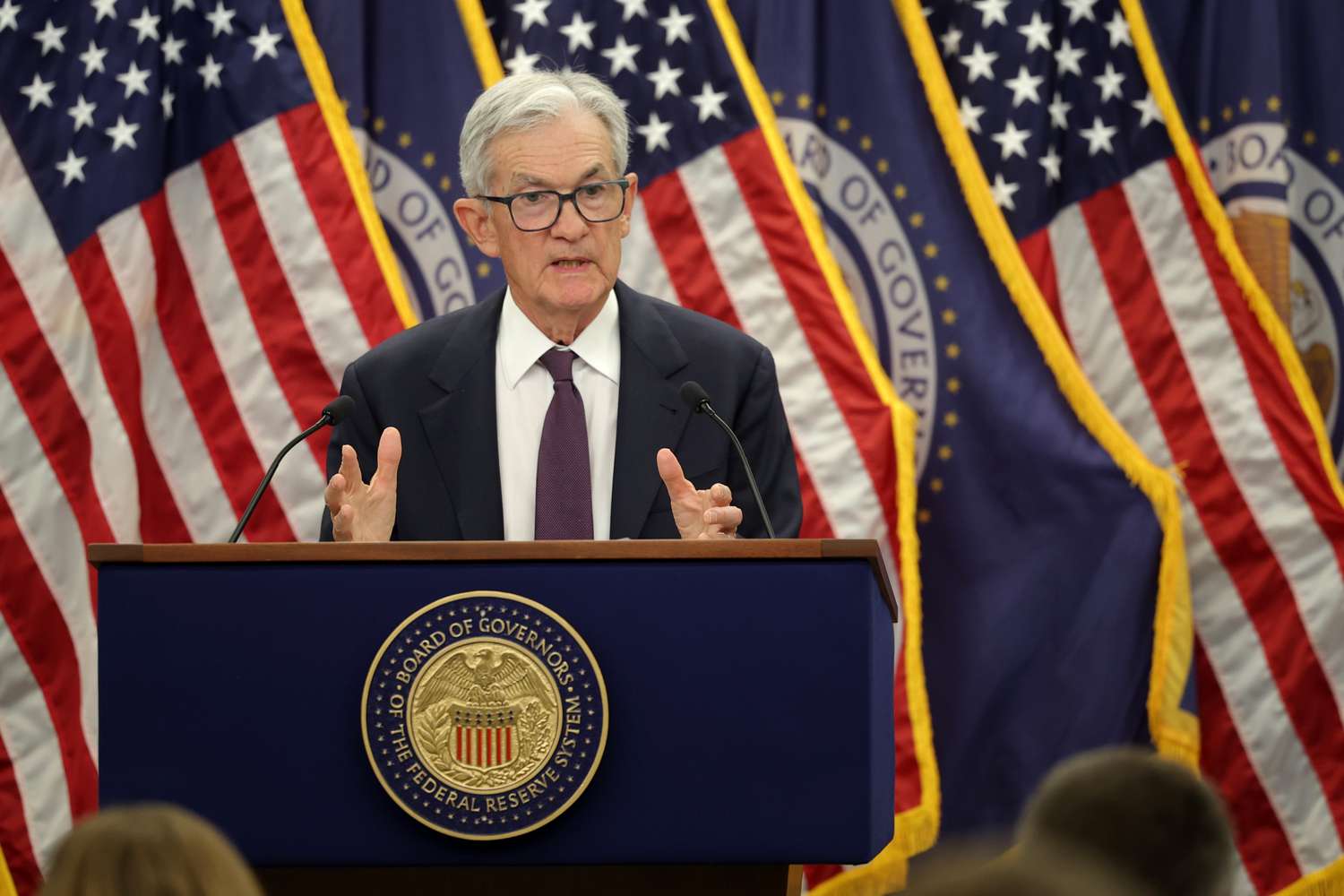
Core Insights - Federal Reserve officials expressed differing views on the economic outlook, with one showing "cautious optimism" while the other described the situation for workers as "precarious" [2][8] - The job market has been slower than usual, with the unemployment rate at 4.4% in December, indicating stabilization after a slowdown [2][3] - Consumer sentiment surveys reveal a pessimistic outlook, with expectations of rising unemployment and fewer job openings [3][8] Economic Implications - If the job market deteriorates, the Federal Reserve may consider cutting interest rates to prevent mass unemployment [4] - The Fed is currently balancing its dual mandate of maintaining employment while controlling inflation, which is above the 2% target [5][6] - Fed officials are monitoring economic data closely for signs of job market collapse or renewed inflation [6][7] Upcoming Data - The next significant economic report on job creation and unemployment is expected from the Bureau of Labor Statistics, which was delayed due to a government shutdown [7] - Forecasters predict the economy added 60,000 jobs in January, an increase from 50,000 in December, with the unemployment rate expected to remain stable [9]
Stock Market Today: Dow Jones Futures Fall, Nasdaq Gains Day After Tech Selloff—Alphabet, Broadcom, Amazon In Focus
Benzinga· 2026-02-05 10:33
Market Overview - U.S. stock futures showed volatility with the Dow Jones declining after a shift away from tech stocks, while major benchmark indices had mixed futures [1] - The Nasdaq Composite fell approximately 351 points as investors redirected their focus [1] - Corporate earnings reports are expected to be the main market driver, with Amazon.com Inc. set to report after market close [1] Economic Indicators - Market participants are analyzing the latest weekly jobless claims report for insights into the U.S. labor market's resilience [2] - The 10-year Treasury bond yield is at 4.27%, while the two-year bond yield stands at 3.55% [2] - The CME Group's FedWatch tool indicates a 90.1% probability that the Federal Reserve will maintain current interest rates in March [2] Company Performance - Alphabet (GOOG) is noted for maintaining a strong price trend across short, medium, and long terms, with a solid quality ranking [3] - Amazon.com Inc. (AMZN) shares increased by 0.11% ahead of its earnings report, with analysts expecting earnings of $1.97 per share on revenue of $211.32 billion [6] - Workday Inc. (WDAY) experienced a decline of 2.44% after announcing a 2% workforce reduction and anticipated $135 million in restructuring charges, yet it maintains a strong price trend [6] - Shell PLC (SHEL) fell by 2.40% after reporting adjusted earnings of $3.26 billion for the fourth quarter, which was below analyst expectations [5] Sector Performance - Energy, materials, and real estate sectors led gains, while information technology and communication services stocks contributed to market declines during a rotation away from growth [8] Analyst Insights - BlackRock maintains a "pro-risk" stance, viewing recent market fluctuations as a reshuffling rather than an end to the AI trade, identifying infrastructure as a key beneficiary of trends like AI and low-carbon transitions [9] - The nomination of Kevin Warsh as the next Fed Chair has led to a significant repricing across asset classes, with expectations of a stronger focus on inflation control [10] - BlackRock suggests that Warsh's experience may stabilize the U.S. dollar and mitigate risks of global market spillovers, while cautioning that persistent inflation could limit aggressive rate cuts in 2026 [11]


RBA Hikes Rates and BHP, NST, EVN, SVL, SFR & GMD
Small Caps· 2026-02-05 01:39
Group 1: Monetary Policy and Economic Context - The Reserve Bank of Australia's (RBA) February rate hike to 3.85% indicates a shift towards a hawkish monetary policy, with inflation risks now prioritized over growth concerns [1][3][5] - Trimmed mean inflation accelerated to 3.4%, significantly above previous forecasts, suggesting that inflation is now demand-driven rather than transitory [7][9] - The RBA's decision reflects the conclusion that the economy is operating beyond its productive capacity, necessitating a reevaluation of sustainable returns in a higher interest rate environment [5][12] Group 2: Market Reactions and Sector Performance - The ASX 200 initially reacted negatively to the rate hike, but a preference for hard assets and globally exposed earnings has emerged, while domestically focused cyclicals are losing favor [15][22] - Financials, while the largest sector in the index, are vulnerable to shifts in rate expectations, with Commonwealth Bank's forward P/E significantly above its historical average [16][17] - The consumer discretionary sector is experiencing pressure from rising mortgage repayments, impacting retailers like Wesfarmers and JB Hi-Fi [18][19] Group 3: Opportunities in Resource Stocks - The resources sector is expected to drive earnings growth in 2026, with strong commodity prices and improving global industrial demand supporting mining companies [23][25] - Gold remains a strategic asset, with prices approaching US$5,000 per ounce due to central bank buying and geopolitical risks [26] - Companies like Northern Star, Evolution Mining, and Genesis Minerals are highlighted for their strong cash flows and balance sheet strength, positioning them well in the current market [29][30][38][42] Group 4: Specific Company Insights - Northern Star is seen as a resilient gold exposure with a strong balance sheet and potential for margin uplift as it becomes increasingly exposed to spot prices [32][34] - Evolution Mining has improved its financial position significantly, with a 57% increase in operating cash flow, allowing for reduced gearing and full exposure to rising gold prices [38][39] - Sandfire Resources is positioned to benefit from structural supply shortages in copper, with a transformed balance sheet and strong operational drivers [48][50] - Silver Mines offers a high-quality option on silver, with significant reserves and a clear development pathway for its Bowdens project [52][54] - BHP has upgraded its FY26 copper guidance to nearly 2 million tonnes, showcasing its operational edge and resilience across diversified commodities [58][59]

Trump's Fed Chair Pick Triggers Gold, Silver's Worst Day Since 1980: What's Moving Markets Friday?
Benzinga· 2026-01-30 18:59
Core Viewpoint - Precious metals experienced a significant sell-off following President Trump's announcement of Kevin Warsh as the new Federal Reserve chairman, ending a prolonged rally in the sector [1]. Group 1: Precious Metals Market Reaction - Silver prices plummeted by as much as 33% to $78 per ounce during midday trading, marking a potential historic decline, the worst single-day drop since 1980 [2]. - Just a day prior, silver was on track for its best monthly performance since the U.S. Civil War, having surged approximately 60%, but this was reduced to a monthly gain of around 10% by the end of January [3]. - Gold prices fell below $5,000, dropping to $4,700 per ounce, which represents a 12% decline, potentially marking gold's worst session since March 1980 if sustained [4]. Group 2: Market Sentiment and Federal Reserve Implications - The sharp decline in precious metals reflects market interpretations of Warsh's nomination, as he is viewed as a hawk focused on inflation control rather than employment support [5]. - The perception of Warsh's stance has diminished earlier concerns regarding the Federal Reserve's credibility and independence under political pressure, leading to a significant reversal in the "debasement trade" that had characterized market trends throughout January [6]. Group 3: Broader Market Impact - Equity markets also reacted negatively, with the Nasdaq 100 falling 1.1%, the Dow Jones slipping 0.9%, and the S&P 500 declining 0.6%, although the sell-off magnitude was less severe than in precious metals [7]. - Macro data indicated that U.S. producer prices rose by 0.5% month over month in December, exceeding the 0.2% consensus forecast, which further reinforced inflation concerns [7].
Trump's choice of Warsh to lead Fed could reshape the world's most influential central bank
Yahoo Finance· 2026-01-30 11:52
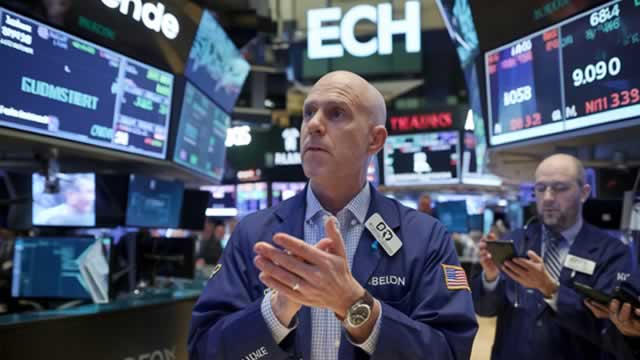
Core Viewpoint - The nomination of Kevin Warsh to chair the Federal Reserve by President Trump could lead to significant changes at the central bank, which plays a crucial role in the global economy and markets [1] Group 1: Warsh's Appointment and Challenges - Warsh's potential Senate confirmation will be closely monitored by financial markets and Congress, especially given Trump's demand for lower interest rates, which may not align with prevailing economic conditions [2] - Maintaining the Fed's independence while satisfying Trump's expectations presents a considerable challenge for Warsh [2] - Warsh has the intellectual capability and interpersonal skills to navigate this complex situation, according to former associates [3] Group 2: Background and Experience - Warsh, who served on the Fed's board from 2006 to 2011, was the youngest governor in history at the age of 35 and is currently affiliated with the Hoover Institution and Stanford Graduate School of Business [5] - His previous tenure included objections to low-interest rate policies during and after the Great Recession, as he expressed concerns about potential inflation [6][7] Group 3: Economic Perspectives - Warsh has historically supported higher interest rates to combat inflation, contrasting with Trump's preference for a key rate as low as 1%, significantly below the current rate of approximately 3.6% [6]
Fed Holds Interest Rates Steady As Trump Pressures Central Bank
Forbes· 2026-01-28 19:25
Core Viewpoint The Federal Reserve has decided to pause interest rate cuts, with some officials forecasting potential cuts later in the year amid concerns regarding the central bank's independence from the Trump administration [1][6]. Summary by Sections Federal Reserve's Decision - The Federal Open Market Committee voted 10-2 to maintain interest rates between 3.5% and 3.75% [1]. - Fed governors Stephen Miran and Christopher Waller dissented, advocating for a reduction to between 3.25% and 3.5% [2]. Economic Indicators - The FOMC noted that concerns about the labor market have eased, indicating that economic activity is expanding at a solid pace and the unemployment rate is stabilizing [2]. - Kansas City Fed President Jeff Schmid emphasized the need to keep the benchmark rate steady to achieve a 2% inflation target [2]. Future Rate Cuts - The Fed's "dot plot" suggests only one quarter-point cut is expected in 2026, with another in 2027, targeting a funds rate of 3% to 3.25% [3]. - Traders estimate a 17.4% chance of a quarter-point cut in March, 28.1% in April, and 46.8% in June, with a 14.7% chance of a half-point reduction [3]. Leadership Changes - President Trump indicated he would announce a nominee to replace Jerome Powell soon, criticizing Powell for not lowering rates quickly enough [4]. - Possible candidates to succeed Powell include Kevin Warsh, Christopher Waller, Kevin Hassett, and Rick Rieder, with Rieder currently favored at 40% odds [5]. Background Context - The Federal Reserve has resisted Trump's calls for more aggressive rate cuts, despite facing pressure and scrutiny from the administration [6]. - Powell described recent legal actions against him as unprecedented attempts to undermine the Fed's independence [6].
Fed Expected To Hold Interest Rates Today As Trump Pressures Central Bank
Forbes· 2026-01-28 16:35
Core Viewpoint - The Federal Reserve is expected to pause interest rate cuts, with some officials forecasting potential cuts later in the year amid concerns about the central bank's independence from the Trump administration [1][7]. Group 1: Interest Rate Expectations - Traders have assigned a 2.8% probability of the Federal Reserve lowering interest rates from the current 3.5% to 3.75% range by a quarter point [1]. - Betting markets show a strong preference for no change in interest rates, with Polymarket and Kalshi indicating 99% odds of rates remaining between 3.5% and 3.75% [2]. - The Fed's "dot plot" suggests only one quarter-point cut is expected in 2026, with a potential cut in 2027, while current odds for cuts later this year are 17.4% in March, 28.1% in April, and 46.8% in June [3]. Group 2: Federal Reserve Officials' Stance - Kansas City Fed President Jeff Schmid advocates for holding the benchmark rate to achieve a 2% inflation target, emphasizing a modestly restrictive monetary policy [2]. - Chicago Fed President Austan Goolsbee, who previously dissented on rate cuts, also supports maintaining current rates to address inflation [2]. - Philadelphia Fed President Anna Paulson is comfortable with holding rates steady, believing a restrictive policy will aid in lowering inflation [2]. Group 3: Potential Leadership Changes - President Trump indicated he would announce a nominee to succeed Jerome Powell soon, with speculation that the announcement could coincide with the FOMC's January meeting [4][6]. - Possible candidates to replace Powell include Kevin Warsh, Christopher Waller, Kevin Hassett, and Rick Rieder, with Rieder currently favored at 40% odds [6]. Group 4: Context of Federal Reserve's Independence - The Federal Reserve has resisted Trump's calls for more aggressive rate cuts, with Powell facing scrutiny and threats of a criminal indictment related to his Senate testimony [7]. - The investigation into Powell has been criticized as an attempt to undermine the Fed's independence, despite the White House asserting Trump's support for the Fed's political autonomy [7].

The Fed Is Unlikely to Make Moves Next Week, But There Could Still Be Drama
Investopedia· 2026-01-24 01:01
Core Viewpoint - The Federal Reserve is expected to maintain its key interest rate steady at its upcoming meeting, with ongoing discussions about the independence of the central bank from political pressures [1][9]. Interest Rate Expectations - Financial markets anticipate that the Federal Open Market Committee will keep the fed funds rate unchanged in the range of 3.5% to 3.75%, with a 97% probability of no change according to CME Group's FedWatch tool [2]. - Following three consecutive rate cuts, Fed officials show little interest in further reductions, opting to hold rates steady for several months to evaluate economic responses [3][11]. Economic Implications - The decision to keep rates unchanged is likely to influence market reactions regarding potential future rate cuts later in the year [4]. - Inflation has remained above the Fed's 2% target since 2021, and the job market is experiencing a slowdown, although recent data suggests improvements [5]. Political Pressures - President Trump has publicly pressured the Fed to lower interest rates and has initiated legal actions against Fed officials, which Powell has described as intimidation [7]. - The perception of the Fed's independence is crucial for its ability to control inflation, and political interference could undermine this perception [8]. Future Outlook - Economists expect the Fed to pause rate cuts and establish a higher threshold for future reductions, as the job market stabilizes and inflation approaches target levels [11].