Supply Chain Security

Search documents
Avalon to Participate in Red Cloud Securities 2026 Pre-PDAC Mining Showcase
TMX Newsfile· 2026-02-18 14:00
Core Viewpoint - Avalon Advanced Materials Inc. is focused on advancing critical minerals projects, particularly lithium and rare earth elements, to enhance North America's supply chain security [1][3]. Company Overview - Avalon Advanced Materials Inc. is a Canadian company dedicated to developing strategic assets that support secure domestic supply chains and long-term economic growth [3]. - The company is advancing the Nechalacho Rare Earth Elements and Zirconium Project in the Northwest Territories, which includes all light and heavy rare earth elements, yttrium, zirconium, tantalum, and niobium [3]. - Avalon is also developing Lake Superior Lithium Inc., Ontario's first midstream lithium hydroxide processing facility, located in Thunder Bay, to connect northern Ontario's lithium resources with the growing EV battery manufacturing base in southern Ontario and North America [3]. - The company is advancing the Separation Rapids Lithium Project through a joint venture with SCR Sibelco NV and is continuing exploration at its Snowbank lithium and Lilypad lithium-cesium deposits [3]. Upcoming Events - Lorin Crenshaw, the Chief Financial Officer, will present at the Red Cloud Securities 2026 Pre-PDAC Mining Showcase on February 27, 2026, at 10:00 a.m. ET [2]. - The presentation will consist of a 15-minute corporate overview followed by a 5-minute Q&A session [2].



5E Advanced Materials(FEAM) - 2026 Q2 - Earnings Call Transcript
2026-02-17 23:02
Financial Data and Key Metrics Changes - The second fiscal quarter of 2026 marked a transformational period for the company, with significant progress in financing, customer engagement, and project readiness [3][4] - The company is focused on constructing a capital-efficient financing strategy to strengthen the balance sheet and support long-term shareholder value [8] Business Line Data and Key Metrics Changes - The company successfully completed a full-scale glass trial, which has advanced commercial discussions with future customers [4][10] - Engagement with additional customers across multiple applications has expanded, including specialty applications such as Ferroboron [10] Market Data and Key Metrics Changes - The global borates market remains structurally tight, with Turkey controlling approximately 70% of global reserves and 65% of global production [5] - Demand for boron-based materials continues to expand across various sectors, including energy transition technologies and advanced manufacturing [5] Company Strategy and Development Direction - The company aims to progress customer engagement towards structured offtake agreements and execute pre-FID and FEED work streams with discipline [10][11] - The focus is on leveraging the critical minerals designation to access larger and more strategic pools of capital [11] Management's Comments on Operating Environment and Future Outlook - Management highlighted the importance of security of supply and jurisdiction diversification in the current market environment [5][6] - The company is positioned to become the next major U.S. boron producer, creating long-term value for shareholders [12][14] Other Important Information - The company is engaged with various federal financing pathways, including the U.S. Export-Import Bank and the Department of Energy [6][7] - An omnibus patent has been filed covering the company's in-situ leaching mining process, which is expected to enhance competitive advantages [9] Q&A Session Summary - There were no questions in the queue during the Q&A session, indicating a lack of immediate inquiries from participants [13]

5E Advanced Materials(FEAM) - 2026 Q2 - Earnings Call Transcript
2026-02-17 23:02
Financial Data and Key Metrics Changes - The second fiscal quarter of 2026 marked significant progress for the company, focusing on execution, validation, and advancement in various areas including financing and customer engagement [3][4] - The pre-feasibility study confirmed a strong economic foundation with a nearly 40-year mine life based on proven and probable mineral reserves, guiding the engineering and execution strategy [8][9] Business Line Data and Key Metrics Changes - The company successfully completed a full-scale glass trial, which has advanced commercial discussions with future customers following initial large-scale shipments [4][10] - Commercial discussions for boric acid are increasingly focused on long-term supply relationships rather than just technical qualifications, indicating a shift towards structured offtake agreements [10] Market Data and Key Metrics Changes - The global borates market remains tight, with Turkey controlling approximately 70% of global reserves and 65% of production, highlighting the strategic importance of U.S. domestic supply [5][6] - Demand for boron-based materials is expanding across various sectors including energy transition technologies and advanced manufacturing, emphasizing the need for supply security and jurisdiction diversification [5][6] Company Strategy and Development Direction - The company is focused on advancing federal financing engagement and aligning with U.S. industrial policy, leveraging the critical mineral designation to access larger pools of capital [6][7] - The Fort Cady project is positioned as a next-generation boron producer, with ongoing efforts to strengthen mineral tenure and expand resources [9][11] Management's Comments on Operating Environment and Future Outlook - Management emphasized the importance of security of supply and reliability in the current market, which aligns with the company's strengths [5][6] - The company is committed to methodically de-risking each stage of development and building a scalable project aligned with U.S. priorities, aiming to become a major U.S. boron producer [11][14] Other Important Information - The company is engaged with various federal programs, including the Department of Energy's Loan Programs Office, to secure non-dilutive funding for advanced mining technologies [7][8] - An omnibus patent has been filed covering the in-situ leaching mining process, aimed at protecting competitive advantages and supporting long-term growth [9] Q&A Session Summary Question: No questions were posed during the Q&A session - There were no questions in the queue during the Q&A session, indicating a lack of immediate inquiries from participants [13]
ReElement to showcase critical minerals strategy at key African Mining Indaba 2026 conference
Yahoo Finance· 2026-02-09 17:57
Core Viewpoint - American Resources Corp's affiliated platform, ReElement Technologies Corporation, will participate in the Investing in African Mining Indaba 2026 conference to engage with stakeholders in the critical minerals sector [1] Group 1: Company Strategy - ReElement Technologies aims to build strong partnerships with African stakeholders to enhance minerals processing capabilities on the continent [1] - The strategy is designed to support industrialization and economic development in Africa while ensuring reliable and transparent critical mineral supply chains for American industry and allied nations [1] Group 2: Focus Areas - ReElement is focused on developing collaborative solutions to address supply chain vulnerabilities, particularly for rare earth elements and other strategic minerals essential for advanced manufacturing and clean energy technologies [1] - The company emphasizes the importance of these minerals for national security applications in the United States and partner countries [1] Group 3: Conference Significance - The Investing in African Mining Indaba conference is recognized as a premier global forum for mining professionals, investors, and industry leaders to explore Africa's mineral potential [1] - The event serves as a key platform for policy discussion, investment engagement, and strategic collaboration, shaping the future of mining and resource development in Africa [1]

氮化镓,格局生变
半导体行业观察· 2026-01-31 03:49
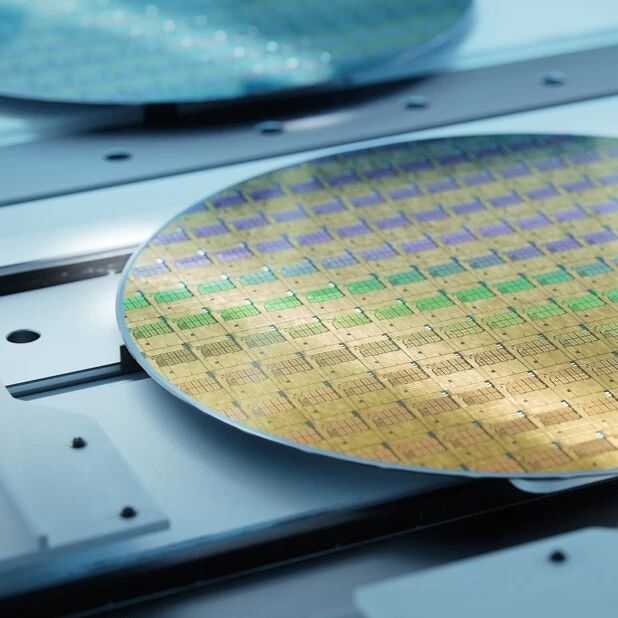
公众号记得加星标⭐️,第一时间看推送不会错过。 军费开支攀升、雷达现代化改造、电子战发展以及安全卫星通信网络的扩张,正共同推动射频 (RF)技术从单纯的性能升级,转变为关乎国家安全的战略必需品。 本文由 Yole Group 射频与化合物半导体领域分析师 Ahmad Abbas 和 Cyril Buey 联合撰写。这 份行业简报深入探讨了国防与卫星通信两大领域,如何推动射频解决方案迈入具有战略意义的全 新发展阶段。 基于 Yole Group《2025 年射频行业现状报告》(2026 版即将发布)、《2026 年氮化镓射频市 场报告》、《2026 年国防射频技术报告》等多份研究成果,两位分析师对射频技术的发展现状进 行了最新梳理,重点聚焦氮化镓(GaN)基解决方案。他们分析了驱动当前市场格局的核心技 术、参与企业及供应链变化趋势,并清晰阐述了氮化镓射频技术缘何成为未来国防与太空基础设 施的基石。 国防与卫星通信需求:推动射频技术向氮化镓转型 从市场出货量来看,硅基射频技术凭借成本优势和高集成度,目前仍占据主导地位。但在硅基技术难 以突破的高功率、高频段应用场景中,以氮化镓为代表的化合物半导体正不断扩大市场份额 ...
金价可能大跌开始了,26年1月26日黄金跌价
Sou Hu Cai Jing· 2026-01-27 19:29
Group 1: Domestic Gold Market Overview - As of January 26, 2026, domestic gold prices remain high, with the Shanghai Gold Exchange spot price surpassing 1550 yuan per gram, while retail prices for major brands range from 1274 to 1562 yuan per gram [2] - Major brands like Liufu Jewelry and Chow Tai Fook are quoting gold prices around 1551 to 1553 yuan per gram, while bank investment gold bars are priced lower at 1132 yuan per gram, providing an alternative for investors [2] - The Shenzhen Shui Bei gold wholesale market, a key industry indicator, quotes 999 fine gold at 1274 yuan per gram, with slight variations for different gold types, indicating a cautious market sentiment [2] Group 2: Silver Price Surge and Gold-Silver Ratio - On January 26, 2026, domestic silver prices reached 25.13 yuan per gram (approximately 90 USD per ounce), marking a significant increase since November 2025, which has led to a sharp decline in the gold-silver ratio to around 50, the lowest in nearly 13 years [3] - The decline in the gold-silver ratio typically indicates a recovery in global manufacturing, but current economic indicators, such as the US manufacturing PMI remaining in contraction, suggest a fundamental shift in the drivers of silver prices [3] Group 3: Transformation of Silver's Attributes - The current strength in the silver market is attributed to a redefinition of its attributes, as silver becomes essential in green energy transitions and digital technologies, particularly in photovoltaic cells and electric vehicles [4] - Concerns over supply chain security, particularly with China's export licensing for silver, may heighten market worries about supply stability, further enhancing silver's financial attributes and price elasticity [4] Group 4: Declining Appeal of Dollar Assets and Central Bank Demand for Gold - The macro backdrop for the strengthening of precious metals is a profound shift in the global financial landscape, with the dollar's share in international reserves falling to a near 30-year low, prompting central banks to diversify their foreign exchange reserves [5] - In 2025, global central bank net gold purchases remained high, with many countries announcing long-term accumulation plans, leading to a structural change where the total value of gold held by central banks exceeds that of US Treasury securities [5] Group 5: Cyclical and Structural Opportunities - The precious metals market is currently experiencing a resonance of cyclical and structural factors, with traditional safe-haven assets like gold and silver gaining appeal amid rising geopolitical risks [7] - Structural factors include the weakening of dollar credit margins and the revaluation of silver due to its role in the energy and technology revolution, indicating a long-term demand story despite the low gold-silver ratio [7] - The performance of gold and silver may increasingly be driven by their core logic, with their interdependence serving as a critical window for observing global macroeconomic conditions and risk sentiment [7]
3 Rare Earth Stocks to Watch Following Washington’s Latest Trade Moves
Yahoo Finance· 2026-01-26 17:19
Rare earth ore and magnet with U.S. flag and mine site, highlighting critical minerals policy and supply chain security. Key Points Rare earth stocks like MP Materials, Energy Fuels, and Lynas Rare Earths are rebounding in 2026, supported by domestic production strategies and U.S. government backing. MP Materials is advancing its DoD-backed magnet facility; Energy Fuels is expanding into nuclear fuel; Lynas is gaining from stable revenues and strategic partnerships. Technical indicators and analyst tre ...


美疯狂囤铜,中国银管控升级,全球金属博弈加剧
Sou Hu Cai Jing· 2026-01-08 06:36
Group 1 - The article highlights the increasing importance of copper and silver in the U.S. industrial and military sectors, with a significant shortfall in domestic copper production leading to reliance on international markets [3][5] - In 2022, U.S. copper production was only 1.2 million tons, insufficient to meet the demands of the military and manufacturing industries, prompting the government to consider reopening closed mines despite environmental and community opposition [3] - China dominates the silver refining and processing industry, holding over 60% of global silver refining capacity, which positions it strategically in the global supply chain [3][5] Group 2 - The demand for silver in photovoltaic applications surged in 2023, with China capturing nearly 80% of global solar panel production, showcasing its control over the supply chain [5] - The U.S. and Europe face challenges in reviving their own silver refining capabilities due to high costs and environmental regulations, making it difficult to establish a competitive domestic industry [5][9] - The U.S. military's silver demand reached 800 tons in 2022, with domestic refining capabilities only meeting half of this need, leading to increased imports [9] Group 3 - China's recent export controls on gallium and germanium have caused significant price increases for semiconductor materials in Europe and the U.S., highlighting the strategic importance of resource control in the tech industry [7] - The global energy transition is becoming a battleground for resource competition, with China supplying 70% of the world's battery-grade lithium in 2023, while the U.S. and Europe struggle to keep pace [7][9] - The article emphasizes that control over raw materials and processing capabilities is crucial for maintaining supply chain security, with future resource conflicts expected to escalate [17] Group 4 - The competition for lithium resources is intensifying, particularly in South America, where countries like Argentina and Chile are key players, while Chinese companies invest heavily in lithium mining and processing [13] - The European Union faces challenges in securing cobalt supplies, with the Democratic Republic of Congo being a major producer but plagued by environmental and labor issues, leading to reliance on Chinese refining capabilities [15] - The article concludes that the global resource competition is complex and strategic, with the ability to control raw materials and processing technologies becoming essential for industrial and technological dominance [17]
AB InBev buys back $3B stake in US metal container plants
Yahoo Finance· 2026-01-06 15:02
Group 1 - AB InBev is set to buy back a 49.9% stake in its U.S. metal container plants for approximately $3 billion from institutional investors led by Apollo Global Management, with the deal expected to close in the first quarter [4][7]. - The reacquisition aligns with AB InBev's strategy to enhance its manufacturing capabilities and secure supply, especially as it expands into can-focused beverages beyond beer, such as energy drinks [4][7]. - The metal container operations consist of seven facilities across six states, which are deemed a strategic component for ensuring quality, cost efficiency, speed of innovation, and supply security for AB InBev's brands [7]. Group 2 - In 2026, AB InBev plans to fully reacquire the container business, following its initial sale aimed at reducing debt and expanding its portfolio, including its beyond beer business [3][4]. - The company has committed $300 million to boost domestic manufacturing and has recently invested $7.4 million in upgrading packaging and brewing equipment in Los Angeles, with similar projects planned in St. Louis and Baldwinsville, New York [5]. - The strategy also involves consolidating operations by shutting down certain breweries, including facilities in California and New Hampshire [5].

Rare Earth Metal Stocks Quietly Break Out Again
ZACKS· 2025-12-29 18:15
Industry Overview - Rare earth metal stocks have experienced a resurgence in interest after a period of consolidation, with prices showing a decisive technical breakout [1][3][9] - The VanEck Rare Earth and Strategic Metals ETF (REMX) has increased nearly 90% year-to-date, primarily in the second half of the year, indicating strong investor interest [2] Key Drivers of Interest - The renewed interest in rare earth metals is attributed to a combination of factors, including supply chain security and geopolitical tensions, particularly with China, which dominates global mining and refining [5][6] - Demand for rare earths has expanded beyond niche applications, becoming essential for AI infrastructure, electrification, and defense systems, thus reclassifying them as critical resources [7] - Policy support from Western governments, including funding and strategic stockpiling, has further amplified the sector's attractiveness, reducing perceived risks associated with investments [8] Notable Companies Albemarle (ALB) - Albemarle is recognized as a leading diversified company in the rare earth and strategic materials sector, with significant exposure to lithium and rare earth elements [12] - The stock has shown resilience, maintaining strength even during broader market pullbacks, with a key technical support level around $142 [13][14] Sigma Lithium (SGML) - Sigma Lithium is an emerging player focused on low-cost, environmentally responsible production, primarily known for its lithium operations in Brazil [16] - The stock has demonstrated strong performance, breaking out decisively after a consolidation phase, with a key risk marker at $12.25 [17][18] Lithium Americas (Argentina) Corp (LAR) - Lithium Americas represents a more speculative investment option, focusing on lithium resources in Argentina, which ties into long-term electrification and battery storage demand [20] - The stock recently broke out from a trading range, with a critical level to watch at $5.50, indicating potential for higher prices if reclaimed [21][22] Investment Outlook - The rare earth sector is entering a new phase characterized by strategic demand and tight supply, suggesting a selective investment approach [24] - Albemarle offers stability, Sigma Lithium provides growth potential, and Lithium Americas adds higher risk optionality for investors [24]