
美伊谈判

Search documents
打还是谈 美国伊朗“红线”对决 中东“火药桶”持续升温
Yang Shi Xin Wen· 2026-01-30 23:13
中东局势连日来持续紧张,美国不断调派军力。有消息称,美国在中东已经部署至少10艘军舰。近一 周,美国还向中东调派了42架运输机。同时美方又释放对话信号,从军事、外交上持续对伊朗施压。伊 朗方面则强硬回击,表示对侵略行为将果断回应。美国与伊朗当前各自的核心要求是什么?是否还能通 过谈判解决问题?如果美国真对伊朗进行军事打击,伊朗会如何反击? 美国持续施压 伊朗强硬回击 美国对伊朗实施新一轮制裁 美国财政部30日发布针对伊朗的新一轮制裁措施,涉及伊朗内政部长伊斯坎德尔·莫梅尼及多名伊朗伊 斯兰革命卫队高级官员。 美财政部网站当天更新与伊朗相关的制裁名单,增加7名个人和2个实体,除莫梅尼外,伊朗伊斯兰革命 卫队情报部门指挥官马吉德·哈德米,以及伊斯兰革命卫队在德黑兰省、吉兰省、哈马丹省的指挥官也 在制裁名单中。 美国驱逐舰停靠以色列港口 一艘美国导弹驱逐舰据称1月30日停靠在以色列埃拉特港。有以色列军方消息称,此次美方驱逐舰到港 是事先计划好的,是以色列国防军和美国军方持续合作的一部分。但有分析指出,美国军舰经常在红海 地区航行,但很少停靠在埃拉特港。 以色列官员向美方提供伊朗导弹计划情报 上周稍早前,以色列国防军 ...
视频丨连续三天发出威胁 美总统再派舰队施压伊朗“上谈判桌”
Yang Shi Xin Wen Ke Hu Duan· 2026-01-28 23:46
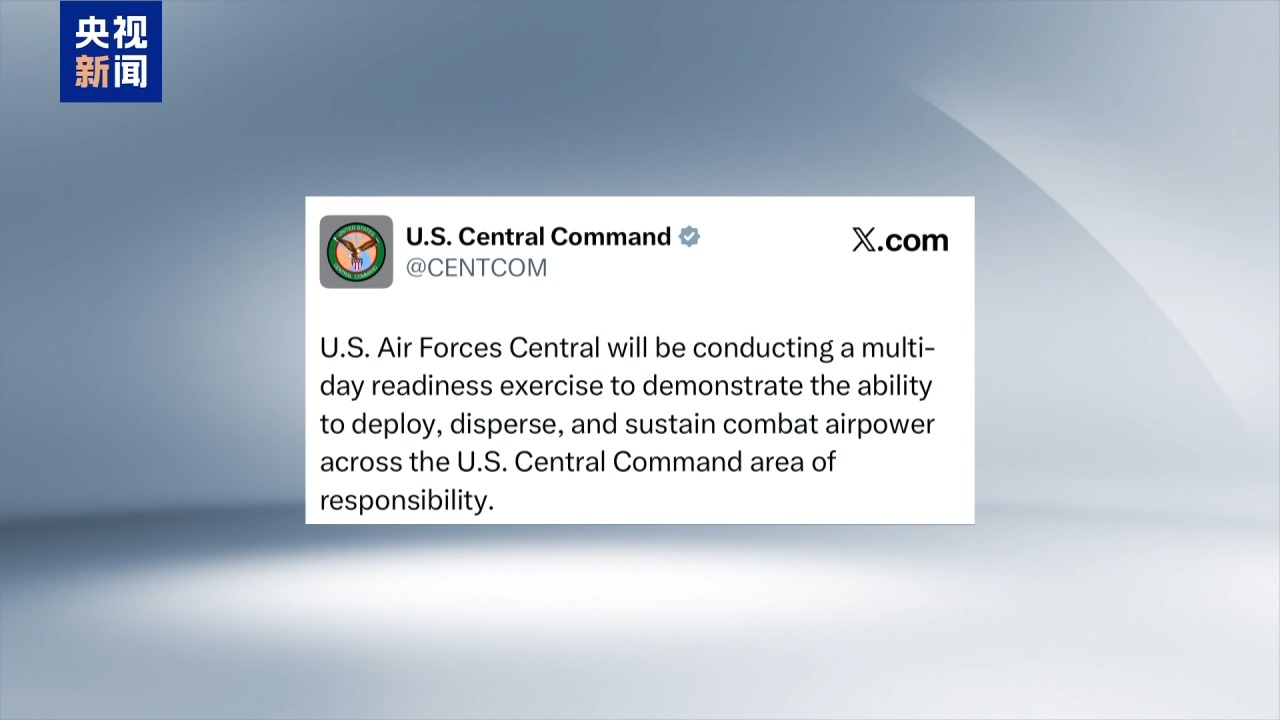
近期,美国总统特朗普频频向伊朗发出军事打击威胁。自1月26日起至28日,特朗普连续三日对伊朗施压,要求伊朗重回谈判桌。 美中央司令部更是在特朗普首次发声威胁的当日放出消息,称美军"亚伯拉罕·林肯"号航空母舰打击群已驶入中东水域,并在次日宣布将举行空军战备演 习。 伊朗外长在28日的最新声明中并未否认谈判的可能,但强调对话需摒弃威胁。伊朗常驻联合国代表则于随后表示,伊朗准备就对话展开磋商。 特朗普连续三日发威胁:已向伊朗派出舰队 继今年1月初军事干涉委内瑞拉后,美国又将目光转向了伊朗。在伊朗于1月中上旬发生骚乱事件后,各种有关美国将采取军事手段干预伊朗的消息层出不 穷。 △视频丨当地时间1月27日,美总统称还有一支舰队正驶向伊朗 美国总统特朗普在26日首次证实,其已下令向中东地区派遣舰队。随后在27日和28日,特朗普再就相关内容发声。他在28日的最新发声中,更加明确要求伊 朗"回到谈判桌前",并点明他对"伊朗不能拥有核武器"的诉求。 26日:"美军派遣舰队规模更庞大" 美国总统特朗普在回答记者提问时表示,伊朗局势仍"处于变化之中",他已派遣一支比美军在委内瑞拉周边海域规模更大的舰队到中东地区,同时认为伊朗 确实 ...

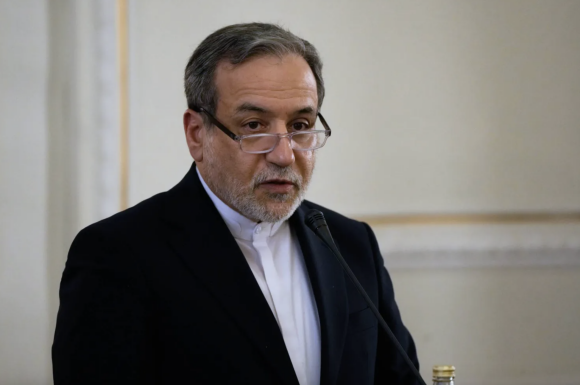
伊朗否认提出直接与美谈判要求:谈判与威胁不能同时进行
Huan Qiu Wang· 2026-01-28 11:03
路透社称,阿拉格齐还表示,"我们的立场很明确,谈判与威胁不能同时进行,只有当威胁和过分要求 不再存在时,才能开展对话。" 美军中央司令部1月26日在社交媒体发布消息说,美国海军"亚伯拉罕·林肯"号航空母舰打击群"正部署 到中东"。美国总统特朗普27日在美国艾奥瓦州发表演讲时说,还有一支舰队正驶向伊朗,他希望伊朗 能同美国达成协议。特朗普没有透露有关舰队的更多细节。他表示,美国在去年6月的军事行动中"彻底 摧毁了伊朗的核能力",伊朗"应在第一次就达成协议,这样他们就能保住自己的国家"。 伊朗总统佩泽希齐扬1月27日与沙特阿拉伯王储兼首相穆罕默德通电话时表示,美国对伊朗的威胁破坏 地区安全,只会导致动荡。就部分西方国家要求伊朗重返谈判桌以缓解紧张局势,佩泽希齐扬称,伊朗 去年同美国谈判,美国却公然袭击伊朗核设施;伊朗与欧洲方面已达成共识,但美方破坏并拒绝履行承 诺。佩泽希齐扬说,"在美方理解中,所谓谈判和对话意味着'我们发号施令、你们执行',这并不是真 正的对话。" "近日我与威特科夫之间没有联系,我们也没有提出谈判请求。"阿拉格齐补充说,各方"中间人"正进行 磋商,并与德黑兰方面保持联系。 【环球网报道 记者 ...
伊朗最高领袖:与美国谈判是死胡同
Yang Shi Xin Wen· 2025-09-24 09:45
Core Points - Iran's Supreme Leader Khamenei stated that Iran does not and will not develop nuclear weapons, emphasizing that negotiations with the U.S. are not beneficial for Iran's national interests and are a "complete dead end" [2] - Khamenei asserted that Iran has not yielded to pressure and will not in the future, accusing the U.S. of betrayal and deceit, and expressing a lack of trust in negotiating with such a country [3] - Since April, indirect negotiations between the U.S. and Iran on key issues like uranium enrichment have taken place, but significant differences remain, leading to the cancellation of the sixth round of talks in June due to military conflicts [3] - In August, the UK, France, and Germany initiated a mechanism to restore sanctions against Iran to pressure it to return to negotiations, while the UN Security Council failed to pass a resolution to continue lifting sanctions against Iran on September 19 [3]
哈梅内伊:美国在所有事情上都说谎、背信弃义,如果它有机会,就会进行暗杀,和这样的一方无法进行谈判
Xin Jing Bao· 2025-09-24 00:17
Core Viewpoint - The Supreme Leader of Iran, Khamenei, stated that negotiations with the U.S. are not beneficial for Iran and would lead to irreparable losses [1] Group 1: Negotiation Stance - Khamenei emphasized that U.S. demands, such as shutting down Iran's nuclear industry and halting uranium enrichment, are not negotiations but impositions [1] - He expressed distrust towards the U.S., claiming that they lie and betray in all matters, making negotiations impossible [1] Group 2: Nuclear Program - Iran has increased the uranium enrichment level to 60% to meet national needs, reaffirming that it does not intend to develop or use nuclear weapons [1]
伊朗最高领袖:与美国谈判没有任何好处
Yang Shi Xin Wen Ke Hu Duan· 2025-09-23 18:08
Core Viewpoint - The Supreme Leader of Iran, Ayatollah Khamenei, stated that negotiations with the U.S. government are not beneficial for Iran and will not alleviate any harm, suggesting that such talks would lead to irreparable losses [1] Group 1: Negotiation Stance - Khamenei emphasized that the U.S. demands, such as shutting down Iran's nuclear industry and halting uranium enrichment, are not negotiations but impositions [1] - He expressed distrust towards the U.S., claiming that they lie and betray in all matters, and that negotiations with such a party are a complete dead end [1] Group 2: Nuclear Program - Khamenei reiterated that Iran does not possess, nor plans to develop, nuclear weapons, while stating that Iran has increased uranium enrichment to a purity level of 60% to meet national needs [1]
沙特方面密会特朗普,谈话内容曝光
中国基金报· 2025-07-04 13:12
Core Viewpoint - The meeting between Saudi Arabia's Defense Minister Khalid bin Salman and U.S. President Trump indicates a potential thaw in U.S.-Iran relations, with discussions focused on resuming negotiations and addressing regional issues [1][2]. Group 1 - The discussions included strategies to ease U.S.-Iran relations and facilitate negotiations between the two countries [1]. - Topics also covered the ceasefire in Gaza, the release of Israeli hostages by Hamas, and steps towards normalizing relations between Saudi Arabia and Israel [1]. - Both parties expressed optimism about progress in various areas, including a bilateral defense and trade agreement between the U.S. and Saudi Arabia [1]. Group 2 - U.S. officials, including Middle East envoy Witte, are planning to meet with Iranian Foreign Minister Araghchi to discuss the resumption of nuclear negotiations [1]. - Trump stated that the U.S. does not wish to "harm" Iran and is open to meeting with Iranian representatives if necessary [2]. - Iran's Deputy Foreign Minister emphasized that while they do not plan further retaliation, they expect the U.S. to refrain from attacks during negotiations and will not abandon uranium enrichment [2].

美媒称有关重启美伊谈判的秘密外交细节浮出水面,但伊朗否认美伊下周会谈
Huan Qiu Shi Bao· 2025-06-27 22:41
Group 1 - The article discusses the secret diplomatic efforts by the U.S. government to restart negotiations with Iran, including potential incentives such as financial assistance for civilian nuclear energy development amounting to up to $30 billion [1][3] - U.S. officials have proposed several preliminary plans, including a non-negotiable demand for zero uranium enrichment, and potential financial support from Arab nations for Iran's civilian nuclear projects [3][4] - Iran's current diplomatic stance is described as "evaluative" and "defensive," with officials denying any plans for negotiations and emphasizing the need for clearer security guarantees and economic compensation from the U.S. [4][5] Group 2 - The article highlights the urgency of the U.S. government in announcing the destruction of Iranian nuclear facilities, amidst ongoing military actions and political pressures [6][7] - U.S. Defense Secretary's comments suggest a high political risk associated with the military actions, as the government seeks to maintain public support for its strategies in the region [8] - The narrative around the effectiveness of the military strikes is crucial for the U.S. administration, as it aims to project a strong image and avoid the implications of a prolonged conflict with Iran [8]
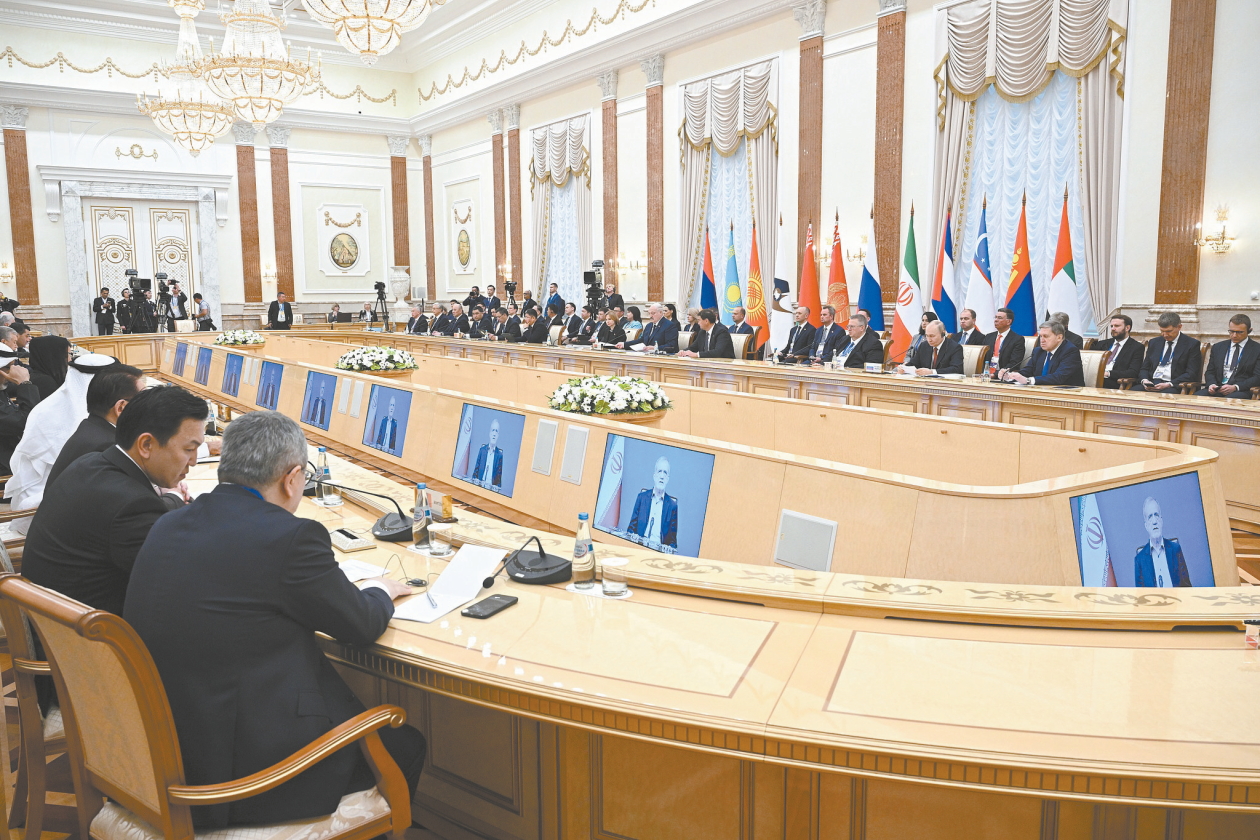
伊朗高官质疑特朗普:停不停火,不是你一通电话的事儿吗
Guan Cha Zhe Wang· 2025-06-21 00:56
Group 1 - Iranian officials express willingness to restart diplomatic talks with the U.S. if Israel's attacks on Iran cease, emphasizing the importance of dialogue [1][4] - Iranian President's advisor states that Iran will not stop uranium enrichment but may consider reducing it for peaceful purposes [1][4] - U.S. President Trump indicates he is unlikely to urge Israel to stop airstrikes but may support a ceasefire depending on the situation [1][4] Group 2 - The ongoing conflict between Israel and Iran has resulted in hundreds of Iranian casualties and over 20 Israeli deaths, with no signs of de-escalation [4][5] - U.S. military assets are being deployed to Europe and the Middle East amid rising tensions, with Trump suggesting a decision on military action against Iran may come in the next two weeks [5][4] - Thousands of Iranians protest against Israeli attacks, showing support for their government and expressing strong anti-U.S. sentiments [7][8]
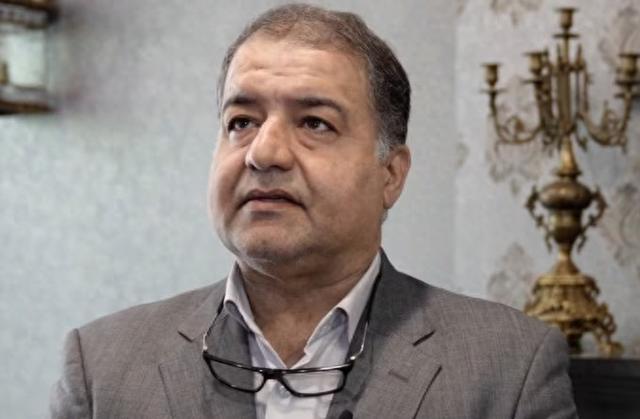
伊朗最高领袖顾问阿里·拉里贾尼:在谈判的最后阶段,美国不但没有寻求解决问题,反而试图向我们提出具体要求。
news flash· 2025-06-19 13:01
Core Viewpoint - The advisor to Iran's Supreme Leader, Ali Larijani, stated that during the final stages of negotiations, the United States did not seek to resolve issues but instead attempted to impose specific demands on Iran [1] Group 1 - The U.S. is perceived as not engaging in constructive dialogue during critical negotiation phases [1] - Specific demands from the U.S. are seen as an attempt to influence the outcome of negotiations rather than seeking mutual solutions [1]