
美伊谈判

Search documents
特朗普TACO交易有毒!!如何应对夺岛行动?
格隆汇APP· 2026-03-31 09:58
Core Viewpoint - The article argues that the "Trump TACO trade" strategy has become ineffective, as the current geopolitical situation in the Middle East has escalated, and Trump's control over the situation has diminished significantly [7][8]. Group 1: Reasons for the Ineffectiveness of TACO Trade - The U.S. has transitioned from a "dominant leader" to a "passive responder" in the Middle East, facing rising domestic oil prices, inflation, and declining support rates, making further conflict counterproductive [13][14]. - Trump's short-sighted "speculative" approach has eroded his credibility, as both Iranian leaders and global markets no longer respond to his threats, recognizing them as empty rhetoric [15][18]. - Negotiations between the U.S. and Iran are unlikely to yield results, as both sides have vastly different demands, leading to a situation where military actions are used as bargaining chips rather than objectives [22][23]. Group 2: Impending U.S. Military Actions - Trump is pressured to continue military actions to satisfy allies and domestic supporters, with the upcoming island seizure operation seen as a necessary demonstration of U.S. resolve [27][28]. - U.S. military deployments in the region are substantial, with significant forces already in place, indicating that the island seizure operation is imminent [30][31]. - The outcome of the island seizure will be pivotal for the Middle East conflict, potentially leading to either a de-escalation or further escalation depending on its success or failure [33][34]. Group 3: Recommendations for Retail Investors - Investors are advised to abandon the TACO trade mentality and avoid betting on Trump's retreat, as the market is unlikely to rebound quickly as it has in the past [36][37]. - Key timeframes to monitor include the execution of the island seizure and Iran's response, with a focus on risk aversion in the short term [39][40]. - Position sizes should be controlled, with recommendations to maintain a cash reserve and avoid high-risk strategies during this volatile period [46][47]. - After the island seizure, if Iran's response is limited, investors may consider buying undervalued tech and consumer stocks, while a more aggressive Iranian response may lead to further market declines [52][53].


国产豆销售迟滞,油厂开机率回落
Hong Ye Qi Huo· 2026-03-31 06:32
1. Overall Situation - The soybean futures and spot prices have fluctuated recently. The main contract of Dou - Yi 2605 has stopped falling in a volatile adjustment, and the spot price has dropped from 4,840 yuan/ton to around 4,700 yuan/ton in Fujin. The main contract of soybean meal 2605 has continued to decline, and the spot price has dropped from 3,300 yuan/ton to around 3,150 yuan/ton in Zhangjiagang [3]. 2. Domestic Soybean Sales and Auction - Domestic soybean sales are sluggish, and the sales progress is slow. As of March 27, the remaining soybean ratio in Heilongjiang was 30% (unchanged from the previous week), 35% in Anhui (down 1% from the previous week), 39% in Henan (down 1% from the previous week), and 40% in Shandong (down 1% from the previous week). The remaining grain is much higher than the same period last year. The state - reserve soybeans were auctioned again at the end of March, with over 200,000 tons auctioned and a low transaction rate [3]. 3. Soybean Import and Arrival - With the listing of South American soybeans, the domestic market may shift to concentrated imports of Brazilian soybeans. As of March 27, the arrival volume of soybeans at oil mills was 1.586 million tons, a week - on - week increase, and the port soybean inventory was 4.828 million tons, a week - on - week decrease [3]. 4. U.S. Soybean Situation - U.S. soybeans have been in a volatile consolidation recently. The negotiation between the U.S. and Iran may take place, but the result is unknown, and the crude oil price is still strong. The upcoming U.S. Department of Agriculture (USDA) planting report is worthy of attention. The planting area of new - season U.S. soybeans may increase, and the previous USDA Outlook Forum predicted it to be 85 million acres (a 4.7% year - on - year increase) [4]. 5. Oil Mill Operations and Inventory - The operating rate of oil mills has declined, and the soybean meal inventory has increased. The crushing profit of Brazilian soybeans on the futures market is good. As of March 27, the operating rate of oil mills was 50.53%, a week - on - week decrease; the soybean inventory of oil mills was 4.8202 million tons, a week - on - week decrease; the soybean meal output was 1.449 million tons; the soybean meal inventory of oil mills was 676,800 tons, a slight week - on - week increase; the unexecuted contracts of soybean meal were 2.718 million tons, a week - on - week decrease. The inventory days of soybean meal in feed mills were 9.35 days, a week - on - week increase, indicating strong downstream demand [4]. 6. Feed Demand and Livestock Farming - Feed demand is strong in the short term, but long - term capacity reduction is unfavorable. In the pig - farming industry, pig prices have fallen to extremely low levels, and farming is seriously loss - making. As of March 27, the profit of purchasing piglets for fattening was - 189.87 yuan per head, and the self - breeding and self - fattening profit was - 344.24 yuan per head. In the poultry industry, egg prices have rebounded, but farming still incurs losses. In February, the sales volume of chicken chicks increased, and the culling of old chickens decreased. The industry still has the sentiment of replenishing inventory, and the inventory of laying hens in February increased month - on - month. The high inventory of livestock and poultry currently supports feed demand, but the increasing losses may accelerate capacity reduction, which is unfavorable for the long - term growth of feed demand [5]. 7. Market Outlook - Due to the sluggish sales of domestic soybeans and the resumption of state - reserve auctions, and the increase in imports of non - genetically modified soybeans, it is expected that Dou - Yi will enter a high - level volatile state. With the increase in domestic soybean arrivals, attention should be paid to the import of Brazilian soybeans from South America. The operating rate of oil mills has declined, the soybean meal inventory has increased, and the demand is strong. It is expected that soybean meal will return to a fundamental volatile trend [5].
国泰君安期货所长早读-20260331
Guo Tai Jun An Qi Huo· 2026-03-31 01:46
1. Report Industry Investment Ratings - **Positive Outlook**:烧碱, LLDPE, PP, 对二甲苯, LPG, 丙烯, 棕榈油, 白糖 [8][105][90][146][188][202] - **Neutral Outlook**:黄金, 白银, 铜, 铅, 锡, 氧化铝, 铂, 钯, 镍, 不锈钢, 碳酸锂, 工业硅, 螺纹钢, 热轧卷板, 硅铁, 锰硅, 焦炭, 焦煤, 纸浆, 玻璃, 甲醇, 苯乙烯, 纯碱, PVC, 橡胶, 合成橡胶, 短纤, 瓶片, 胶版印刷纸, 纯苯, 豆油, 豆粕, 豆一, 玉米, 棉花, 鸡蛋, 花生 [17][20][26][29][37][49][59][63][72][77][80][114][121][124][134][140][154][97][102][176][179][184][188][196][199][206][211][218] - **Negative Outlook**:铁矿石, 动力煤, 原木, 燃料油, 低硫燃料油, 生猪 [68][84][86][158][214] 2. Core Views of the Report - **Market Trends**: The market is influenced by geopolitical tensions, supply - demand dynamics, and cost factors. For example, the situation in the Middle East affects the supply of raw materials and the production of related industries [7][111][154]. - **Investment Strategies**: For some commodities, it is recommended to buy on dips, such as in the case of 碳酸锂. For others, pay attention to spread trading opportunities, like in the 集运指数 (欧线) [59][172]. 3. Summary by Relevant Catalogs Metals - **Precious Metals**: Gold and silver show a neutral trend. Geopolitical tensions are easing, and silver has fallen from its oscillation platform [17]. - **Base Metals**: - **Copper**: The strengthening of the US dollar restricts price recovery. The production of refined copper in China from January to February increased year - on - year, while the import of scrap copper decreased [20][22]. - **Zinc**: It shows a slightly bullish trend, with prices oscillating upwards [23]. - **Lead**: Lacks driving forces, and prices are oscillating [26]. - **Tin**: Ranges within an interval [29]. - **Aluminum**: Supply issues continue to intensify. Alumina oscillates weakly, and cast aluminum alloy follows the trend of electrolytic aluminum [33]. - **Nickel**: The marginal slowdown of inventory accumulation and the increase in the cost of pyrometallurgical production supported by the ore end. Stainless steel prices oscillate due to the game between demand and cost [49]. Energy and Chemicals - **Fossil Fuels**: - **Coal**:动力煤 has a short - term downward pressure due to weakening sentiment. Coke and 焦煤 oscillate widely [84][80]. - **Oil - related Products**: Fuel oil remains at a high level in the short - term, while low - sulfur fuel oil is still weak [158]. - **Chemicals**: - **PTA, 对二甲苯, MEG**: PTA and 对二甲苯 are in a short - term oscillating market and are expected to be bullish in the medium - term. MEG has a tight supply and a bullish medium - term trend [90]. - **Rubber and Synthetic Rubber**: Rubber oscillates widely, and synthetic rubber oscillates widely within a day [97][102]. - **LLDPE and PP**: LLDPE's supply contraction continues, and there is a structural differentiation. PP's supply is strongly supported by increased cracking and PDH maintenance in April [105]. - **Caustic Soda**: It is currently at a low valuation and is expected to oscillate strongly in the later period [8][110]. - **Methanol**: Oscillates strongly [124]. - **Urea**: The price center moves up [130]. - **Benzene and Styrene**: Benzene oscillates strongly, and styrene oscillates slightly bullishly [134][184]. - **Soda Ash**: The spot market changes little [140]. - **LPG and Propylene**: LPG has geopolitical risks and frequent supply disturbances. Propylene has fundamental support and a bullish trend [146]. - **PVC**: Oscillates widely. The high inventory needs time to digest, but the market is expected to be supported in the long - term [154]. Agricultural Products - **Grains and Oils**: - **Soybeans and Related Products**: Soybeans and soybean meal oscillate. The market is waiting for the USDA report. Palm oil shows a short - term bullish performance due to B50 news, and soybean oil focuses on the quarterly inventory and planting intention report [188][196]. - **Corn**: Attention should be paid to policy auctions [199]. - **Sugar**: Oscillates strongly [202]. - **Cotton**: The domestic market lacks new driving forces [206]. - **Livestock and Poultry Products**: - **Eggs**: Wait for opportunities to short at high prices in the far - month contracts [211]. - **Pigs**: The de - stocking is less than expected, and the price center continues to move down [214]. - **Peanuts**: Attention should be paid to the purchase by oil mills [218]. Transportation - **集运 Index (欧线)**: The spot loading is under pressure. The near - month contract 2604 oscillates narrowly, and the far - month contracts fluctuate with geopolitical factors [160].
美军夺岛,美伊谈判才会有“实质性”进展
经济观察报· 2026-03-30 10:54
Group 1 - The core viewpoint of the article is that the U.S. military's operation to seize islands has three steps: troop assembly, target locking, and execution of operations, with the first step not yet completed [1][4] - As of March 28, the first troop from Japan has arrived in the Middle East, while a second troop from the U.S. is still en route, and the 82nd Airborne Division has received orders but has not yet mobilized [4] - The total number of U.S. troops deployed around Iran may reach 17,000, indicating a significant military buildup [4] Group 2 - The second step, target locking, remains uncertain, with experts noting that even Trump has not clearly defined which islands to seize, whether it be the oil-exporting base of Khark Island or islands near the Strait of Hormuz [4] - The third step, execution of operations, poses significant challenges for the U.S. military, particularly in navigating the narrow Strait of Hormuz and establishing air and naval superiority around the targeted islands [5] - The risks associated with the operation are high, as U.S. forces would be concentrated and vulnerable to Iranian missile attacks, raising questions about the sustainability of holding any captured islands [5] Group 3 - Despite large-scale protests in the U.S. and Israel against military action, it is believed that these protests will not deter Trump's intentions to strike Iran and attempt to seize relevant islands [5][6] - Current conditions suggest that the operation to seize islands is likely to occur, but the timing remains uncertain [6]
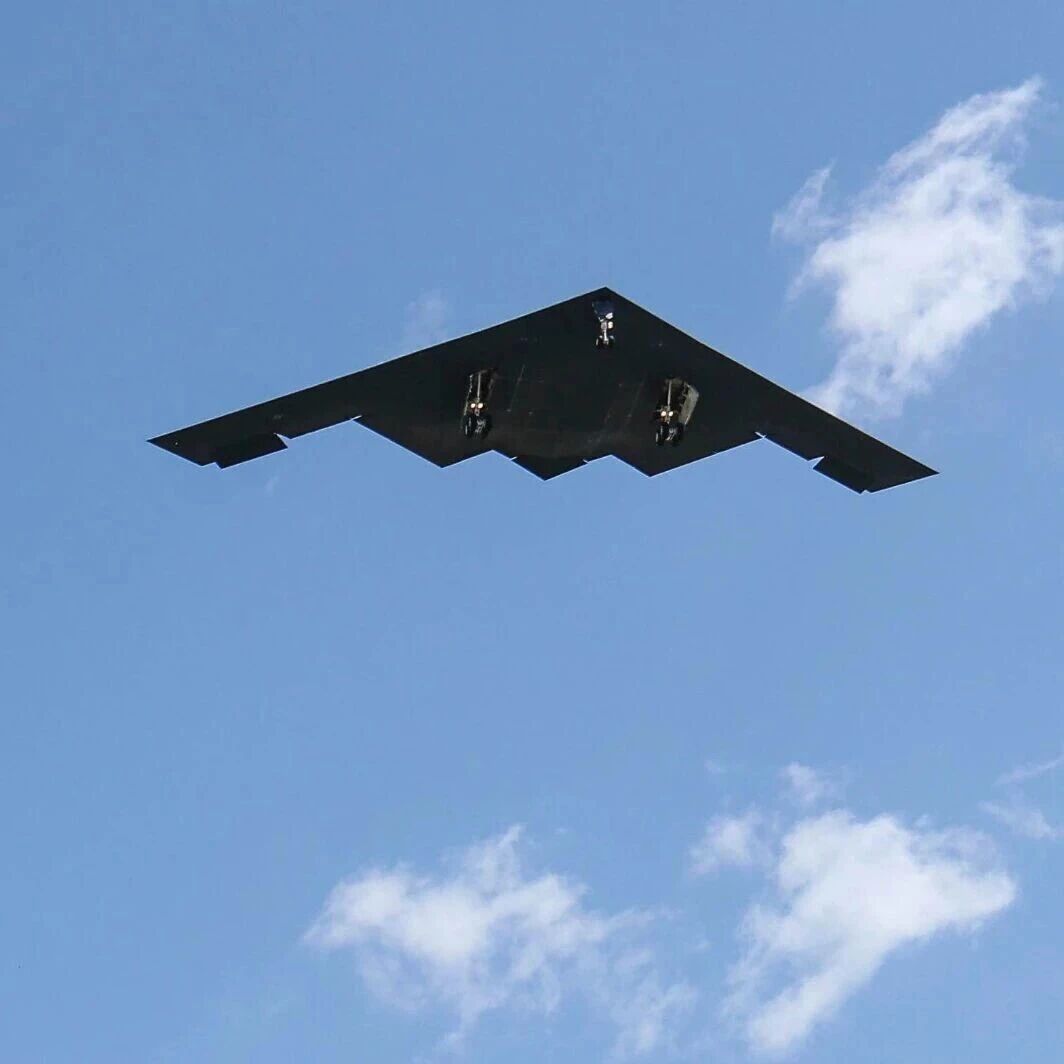
特朗普又双叒TACO了,现在到了信的时候吗?
格隆汇APP· 2026-03-30 10:47
Group 1 - The article discusses the ongoing escalation of the US-Iran conflict, indicating that the situation is unlikely to stabilize and may continue to worsen, impacting global markets [5][10][20] - It highlights a pattern where the US tends to release aggressive statements or actions before weekends, only to soften its stance by Monday, suggesting a strategic approach to market reactions [12][16] - The article suggests that the US may take military action to seize strategic locations, such as the Halke Island, to gain leverage in negotiations with Iran, which could further escalate tensions [21][22] Group 2 - The current geopolitical situation is expected to create volatility in the markets, particularly affecting US and Hong Kong stocks, with potential for significant declines in indices like the Nasdaq [26][30] - The article notes that while the Hong Kong market may initially react to geopolitical tensions, it could experience a rebound during periods of easing tensions, highlighting its cyclical nature [32] - It emphasizes the importance of monitoring the earnings season, as some companies in Hong Kong have shown resilience and positive performance despite overall market declines, indicating potential investment opportunities [34][36]

特朗普:伊朗已允许20艘油轮通过霍尔木兹海峡,这些油轮已经启航,正径直穿过海峡中央
中国能源报· 2026-03-30 05:06
Core Viewpoint - The article discusses the recent developments regarding Iran's agreement to allow 20 oil tankers to pass through the Strait of Hormuz, highlighting ongoing negotiations between the U.S. and Iran, and the implications for the oil market [1][3]. Group 1: Iran's Oil Tanker Agreement - U.S. President Trump announced that Iran has allowed 20 oil tankers, initially 10, flying the Pakistani flag to pass through the Strait of Hormuz [1][3]. - The decision was approved by Iran's Islamic Consultative Assembly Speaker, Ghalibaf, indicating a significant shift in Iran's stance [1][3]. - Trump mentioned that the negotiations with Iran are progressing well, with Iran agreeing to most terms of a proposed ceasefire plan [1][3]. Group 2: Market Implications - The announcement of the oil tankers' passage is seen as a potential manipulation of financial and oil markets, as suggested by Ghalibaf's denial of negotiations [1][3]. - The situation reflects the complexities of U.S.-Iran relations and the unpredictable nature of outcomes from such negotiations [1][3].
每日商品期市纵览-20260327
Dong Ya Qi Huo· 2026-03-27 09:33
1. Report Industry Investment Rating No relevant content provided. 2. Core View of the Report The report analyzes the market trends of various commodities and financial futures, taking into account factors such as geopolitical situations, supply - demand relationships, and cost changes. Most of the varieties are expected to show short - term oscillatory trends, with some having long - term investment value or facing specific supply - demand challenges [1][2][3]. 3. Summary by Directory Financial Futures - **Stock Index**: Due to the repeated Middle - East situation, risk - aversion sentiment has risen again, and the market is cautious. Although the deep discount of index futures has slightly converged, IF, IC, and IM are still at extremely low historical levels. Supported by domestic policy expectations, the downside is limited, and it will mainly oscillate in the short term [2]. - **Treasury Bonds**: With large differences in negotiation conditions between the US and Iran, and the possibility of "fighting while negotiating" being high, the weekend military buildup of the US may intensify the situation. The impact of risk - aversion sentiment gradually outweighs inflation concerns, and the bond market will maintain an oscillatory pattern in the short term [3]. - **Container Shipping on the Europe Line**: The market shows a pattern of near - term weakness and long - term strength. Near - month contracts are suppressed by shipowners' price cuts to grab cargo and weak spot freight rates, while far - month contracts are supported by continuous geopolitical risks. The situation of detouring around the Red Sea continues, and EU customs reform may stimulate early shipments. It will maintain a differentiated oscillatory trend in the short term [3]. Non - ferrous Metals - **Platinum and Palladium**: Iran deems US negotiations as deception, and the Middle - East conflict raises inflation concerns, delaying the Fed's interest - rate cut expectations. The uncertainty of US tariff policies and fiscal pressure strengthen the weak - dollar logic, and supply disruptions from South African mining enterprises provide support. It will oscillate weakly in the short term and has long - term investment value [4]. - **Gold and Silver**: The deadlock in geopolitical negotiations boosts oil prices, causing precious metals to experience a secondary correction. The response to negative news gradually decreases. Trump's delay in the strike provides a breathing opportunity, and the expectation of Fed rate hikes rises. Policy uncertainty restricts the rebound, and it will maintain a low - level oscillatory pattern [5][6]. - **Copper**: Geopolitical uncertainty dominates, and the market is cautious, lacking strong upward momentum. Domestic social inventories continue to decline significantly, and downstream restocking supports demand. However, smelter shipments are limited, and imported supplies do not increase much. There is a game between macro - suppression and fundamental de - stocking, and the price will oscillate within a narrow range [6]. - **Aluminum**: The expectation of tightened macro - liquidity dominates the trend. Hawkish signals from the Fed suppress the valuation of commodities, and both domestic and foreign aluminum prices decline. Domestic electrolytic aluminum production capacity is at a high level, social inventories enter the accumulation cycle, downstream purchases as needed, consumption recovery is less than expected, and the decline in alumina prices weakens cost support. The price will oscillate weakly under the game of multiple factors [6]. - **Alumina**: The industry's operating rate remains high, the market supply - demand is becoming more relaxed, the import supply of bauxite is stable, and cost support weakens. Domestic inventory pressure gradually accumulates, and with macro - funds leaving for risk - aversion, the price drops slightly. The tight balance at the mine end limits the downside, and it shows an oscillatory consolidation trend [7]. - **Cast Aluminum Alloy**: Aluminum alloy strongly follows the Shanghai aluminum price. Due to tight raw materials and the impact of illegal tax - refund policies, there is strong support at the bottom [8]. - **Zinc**: On the supply side, Iran has little impact on the supply end. Imported TC declines again, while domestic TC remains stable. Domestic smelters maintain high production enthusiasm, continuously releasing pressure. On the demand side, downstream demand is delayed, inventories seasonally accumulate, and inventory pressure is high, showing a differentiation from overseas. Attention should be paid to the inventory turning point at low prices, and it will mainly oscillate following the sector [8]. - **Nickel and Stainless Steel**: Indonesia plans to implement nickel windfall and export taxes in April, and policy expectations consolidate the price bottom. As the expectation of US - Iran negotiations rises, nickel ore shipments gradually resume, but shipping costs are high. New - energy demand is weak, and downstream stainless - steel buyers are highly cautious. It will oscillate under the resonance of supply - demand and policies [9]. - **Tin**: Uncertainty in macro - news suppresses the price. After a weakly oscillatory period, it rebounds slightly, and its fundamental negatives have been fully released. The impact of Myanmar's resumption of production and Indonesia's increased exports weakens, downstream purchasing sentiment warms up, and spot trading is active. The core driver is still macro - geopolitical factors, and it will oscillate in the short term [9]. - **Lithium Carbonate**: On the supply side, Zimbabwe's ban on lithium - concentrate exports continues, and the复产 progress of Yichun mining areas in China is slow, significantly reducing global supply elasticity and strengthening the expectation of raw - material shortages. On the demand side, it maintains resilience, with the energy - storage field continuing to develop, and downstream rigid demand is firmly supported. In terms of inventory, social inventories remain low, smelter inventories are at a three - year low, and downstream available inventory days are few. The low - inventory environment amplifies market sentiment. The market is driven by the tight supply - demand balance and capital sentiment, showing an oscillatory and upward trend [10]. - **Industrial Silicon and Polysilicon**: The current core contradiction in the market is the imbalance between supply and demand. The supply side is moderately increasing production, and there are expectations of further production increases, exerting supply pressure. On the demand side, the recovery of the photovoltaic downstream is less than expected. High inventories and insufficient demand jointly dominate the market trend [10]. - **Lead**: Fundamentally, primary lead smelting is steadily resuming production, and the opening of the import window brings obvious upward pressure, but most secondary lead producers are in a loss. On the demand side, terminal consumption is gradually recovering, and downstream orders are mainly for restocking. In the future, with inventory reduction and cost support, the lead price is expected to oscillate strongly [11][12]. Black Commodities - **Rebar and Hot - Rolled Coil**: Rising oil prices drive up coking coal prices. Tight iron - ore inventories and rising shipping costs provide cost support. High inventories and high warehouse receipts of hot - rolled coils limit the upside. Pig - iron production is slowly recovering, steel - mill profitability is limited, and real - estate and infrastructure policies support demand. The rebound height is restricted under cost support [13]. - **Iron Ore**: It is significantly driven by events, with a complex mix of long and short factors in the market. The domestic and foreign demand momentum is weak, supply shipments are gradually recovering, and rising fuel costs provide support. Steel - mill复产 drives up pig - iron production, and the structural shortage of port inventories is the core driver. Overall, the fundamentals show a "near - strong, far - weak" characteristic. The price is supported by cost and tight spot supplies, but in the medium - to - long - term, it is suppressed by expectations of demand and supply increases [13]. - **Coking Coal and Coke**: They fluctuate with energy expectations and are driven by energy sentiment, with valuations at a high level. The price increase is due to power - coal expectations rather than their own fundamentals. Domestic production is rising, inventories are approaching the same - period level, pig - iron production and steel - mill profits are lower than in previous years, and Mongolian - coal port inventories are under pressure. The price increase faces delivery risks and cannot deviate from fundamentals for a long time [14]. - **Ferrosilicon and Silicomanganese**: There is strong cost support at the bottom. Australian hurricanes disrupt manganese - ore shipments, and miners' price - holding and rising coking - coal prices provide support. Ferrosilicon production is increasing, while silicomanganese production remains low. Steel - mill demand support is limited, silicomanganese inventories are at a historical high, and the de - stocking pressure is high. Manganese - ore disruptions amplify price fluctuations [14]. Energy and Chemicals - **Crude Oil**: Oil prices are oscillating upwards. The attack on a Russian oil tanker intensifies supply disruptions. There are large differences in US - Iran negotiations, and the US's military buildup in the Middle East may increase military pressure. Trump's delay in attacking Iranian energy facilities causes short - term price fluctuations, which are quickly repaired. The tight spot - supply situation remains unchanged [16]. - **Fuel Oil**: The market structure, spot premium, and refinery profits of high - and low - sulfur fuel oils are continuously correcting, and the high - sulfur oil market shows a weakening trend. However, geopolitical disturbances in the Middle East persist, and the continuous de - stocking of Fujairah inventories support the short - term fuel - oil market. The future supply - demand pattern and price trend need to closely follow geopolitical changes and restocking situations [16]. - **Asphalt**: Recent geopolitical disturbances have caused local logistics disruptions and supply reductions in crude oil, leading to a rapid increase in crude - oil prices. The instability of the Middle - East situation amplifies the upward impulse of crude oil. In the short term, geopolitical disturbances are the core factor, overriding asphalt's own fundamentals [17]. - **Pulp - offset Paper**: Pulp port inventories have increased significantly, and spot prices have dropped slightly, suppressing futures - price valuations. The increase in downstream operating loads and overseas pulp - mill shutdowns provide support. The supply - demand of offset paper maintains a weak balance. After the festival, rigid demand is recovering, and paper - mill resumption of work increases supply expectations. Both are affected by geopolitical sentiment and will oscillate within a range in the short term [17]. - **Pure Benzene - Styrene**: The changing Middle - East situation intensifies price fluctuations. The large differences in US - Iran negotiations reduce the probability of a cease - fire, and the varieties follow crude oil to oscillate strongly. Middle - East refinery supplies are disrupted, domestic pure - benzene maintenance increases, and the impact of styrene - plant load reduction is small. Downstream restocking demand exists but resists high prices. Attention should be paid to the duration of the strait closure, and it will oscillate strongly in the short term [18]. - **LPG**: It oscillates at a high level during the geopolitical variable window period. Domestic supply is shrinking, with both commodity volume and arrival volume decreasing, showing a supply gap. Chemical demand is weak, and the decline in PDH operating rate suppresses consumption. Port inventories are continuously accumulating. The navigation of the Middle - East straits is the core variable, and the actual supply gap is difficult to fill. It will oscillate at a high level in the short term [19]. - **PP Propylene**: The geopolitical situation is still unclear, and it maintains an oscillatory pattern. Refinery load reduction brings substantial supply reduction, and PDH plants rely on inventory for production. The poor navigation of the Strait of Hormuz threatens propane supply. After the situation eases, supply support still exists, and the downside is limited. The market uncertainty is high, and it is advisable to wait and see in the short term [19]. - **Plastic**: It operates at a high - level oscillation. Geopolitical sentiment has slightly cooled down. Refinery load reduction and increased maintenance bring obvious supply reduction, supporting the market. If the conflict continues, the price will be strong; if the situation eases, the risk premium will be withdrawn, but the actual supply reduction limits the decline. It is affected by the resonance of supply - demand and geopolitics, and it is advisable to wait and see for the situation to become clear in the short term [20]. - **Rubber**: The geopolitical situation is repeated. Synthetic rubber increases positions and breaks through highs, while natural rubber maintains an oscillation. Tightening Asian energy drives ethylene - plant load reduction, increasing the butadiene shortage and strengthening cost support. The production of cis - butadiene rubber declines. Natural - rubber inventories are at a high level, and production areas are gradually starting to harvest. The overseas low - production season provides support. In the medium - to - long - term, supply - demand supports the valuation, and it will stabilize in an oscillation [20]. - **Soda Ash**: Soda - ash daily production is at a high level, and supply pressure persists. Rigid demand is currently stable but weak. The increase in photovoltaic cold - repairs, but there may be unexpected supply - side disturbances. Inventory performance is better than expected. If the market rises, there is some restocking space for middle - stream players such as futures - spot arbitrageurs, but due to limited demand elasticity, the price increase is expected to be limited. The downward price space needs inventory accumulation to open. In the medium - to - long - term, the high - supply expectation remains unchanged, waiting for the further accumulation of industrial contradictions [21][22]. - **Glass**: The cold - repair expectation of float glass continues, and daily melting is in a downward stage. However, high middle - stream inventories have always been a risk concern in the market because once a negative feedback occurs, the spot pressure will be large, and downstream may not be able to bear it. Secondly, there are continuous news of ignition and cold - repair, and there are many new lines in Shahe waiting to be ignited. The expectation of supply recovery and high middle - stream inventories limit the upside of glass, and demand needs to be verified [22]. - **Caustic Soda**: On the supply side, domestic chlor - alkali plant maintenance continues, and the industry operating rate maintains at 84.6%, with marginal supply tightening. However, enterprise inventories have increased slightly month - on - month, and short - term pressure still exists. On the demand side, the rigid demand of downstream alumina and viscose staple fiber is stable, and export inquiries are active, providing stable support overall. The market is affected by the supply - demand contradiction and market sentiment, showing a downward oscillatory trend within a range [23]. Agricultural Products - **Live Pigs**: The market has sufficient pig supplies, slaughterhouses' procurement is smooth, and farmers' enthusiasm for selling is high. The short - term supply - demand pattern is loose, the weak trend is difficult to change, and supply pressure dominates the trend. Futures prices continue to be under pressure [24]. - **Oilseeds**: The China - US negotiation in April is postponed, and attention should be paid to the bio - diesel conference. In the domestic market, in the short term, the slow shipment from Brazil and rising freight rates support spot prices, but the medium - term large - supply logic remains unchanged. After the price spread between soybean meal and rapeseed meal widens, rapeseed - related products regain cost - effectiveness, and the price spread is being repaired [24]. - **Oils**: The US - Iran situation is still uncertain, international oil prices are oscillating repeatedly, and the oil market is also in an oscillatory stage. It needs further promotion from bio - diesel policies; otherwise, it is difficult to break through. Attention should be paid to the review result of the US bio - fuel policy this week [25]. - **Cotton**: In the short term, the conflict between the US, Israel, and Iran causes large fluctuations in oil prices, increasing macro - risks. The release of domestic quotas increases short - term supply, and Zhengzhou cotton prices decline. However, current downstream inventories are low, finished - product sales are fast, and consumption performance is good. There is still support at the bottom of cotton prices. The domestic - foreign price spread has been repaired recently. Attention should be paid to the upcoming new - year planting - intention report from USDA next week [25]. - **Sugar**: The outer - market raw - sugar is stronger than the domestic market. The sugar - making season in Inner Mongolia ends, and the expected beet - planting area decreases. The Middle - East geopolitical situation is tense, and capital sentiment is cautious. Domestic spot prices are stable, and trading is average. In the short term, it is affected by geopolitics and the outer - market, maintaining an oscillatory pattern [26]. - **Eggs**: The price slightly rises in a stable - to - strong manner. Inventories at all levels are low, pre - Tomb - Sweeping Festival stocking starts, and downstream restocking willingness increases. The laying - hen inventory is at a high level, and supply pressure still exists. As the Tomb - Sweeping Festival stocking nears the end, terminal demand is less than expected. Supported by low inventories and stocking expectations, it will oscillate in the short term [26]. - **Peanuts**: Oil - mill purchases increase. Sufficient commercial - peanut supplies and high oil - mill inventories suppress prices, while some oil - mill purchases provide support. There is a two - way game between supply and demand, and the market will maintain a high - level oscillation in the future. The oil - mill purchase rhythm is the core influencing factor [26]. - **Red Dates**: The new - year planting season has not arrived yet, and the market focus is still on the demand side. Currently, downstream sales are average, and restocking is light. The driving force for red - date prices is limited. With the overall domestic supply - demand being loose, there is still pressure on the upside, and it may mainly oscillate at a low level to build a bottom [27].
中东最新!伊朗致信联合国;五角大楼考虑增派1万人地面部队
证券时报· 2026-03-27 08:37
Group 1 - Iran's permanent representative to the UN, Iravani, has sent a letter protesting the assassination threats against Iran's Speaker of Parliament and Foreign Minister, confirming the existence of such threats and calling for immediate attention from UN Security Council members [3] - Reports indicate that the Iranian officials, Mohammad Baqer Qalibaf and Hossein Amir-Abdollahian, were temporarily removed from the US and Israeli assassination lists for 4 to 5 days to facilitate US-Iran negotiations, highlighting the ongoing risks associated with their safety [3] - The letter emphasizes that the assassination policy violates international law and expresses concern over the criminal mindset behind such threats, which have been systematically implemented since the onset of the current conflict [3] Group 2 - The Pentagon is considering deploying up to 10,000 additional ground troops to the Middle East, which may include infantry and armored vehicles, to provide more military options amid ongoing negotiations with Iran [5] - This potential deployment would supplement approximately 5,000 Marines and thousands of paratroopers from the 82nd Airborne Division already ordered to the region, with possible operations near Iran and its Khark Island [5] - President Trump has stated that he will pause attacks on Iranian energy facilities for 10 days at the request of the Iranian government, claiming that negotiations are progressing well [5] Group 3 - The Israeli Defense Forces have conducted a large-scale attack on Iranian regime facilities located in Tehran, indicating an escalation in military actions in the region [7] - As of now, there has been no response from the Iranian side regarding the Israeli attacks [8]

特朗普:我一点也不着急
第一财经· 2026-03-27 02:52
Group 1 - The core viewpoint of the article is that President Trump denies any urgency to reach an agreement with Iran, asserting that military actions against Iran will continue regardless of negotiations [2] - Trump criticized media reports suggesting he is eager to end the conflict through diplomacy, claiming it is Iran that is seeking to restart talks [2] - He emphasized that the decision to cease hostilities lies with Iran, while U.S. military operations will persist during this period [2] Group 2 - Trump expressed uncertainty about whether Iran would comply with the deadline he set for reopening the Strait of Hormuz by the 27th, and he is unsure if negotiations will proceed smoothly [2] - He stated that there is no rush to reach an agreement, indicating that "we have plenty of time" [2]

宝城期货国债期货早报(2026年3月27日)-20260327
Bao Cheng Qi Huo· 2026-03-27 01:50
Group 1: Report Industry Investment Rating - Not provided Group 2: Core Viewpoints of the Report - The short - term and medium - term trend of TL2606 is oscillatory, and the intraday trend is bullish. The overall view is oscillatory consolidation. The possibility of a comprehensive interest rate cut in the short term is low [1]. - The overall intraday view of financial futures in the stock index sector is bullish, and the medium - term view is oscillatory. The reference view is oscillatory consolidation. The market sentiment is cautious due to the high uncertainty of the US - Iran negotiation situation, increasing the safe - haven demand for national debt. However, the domestic macro - economic indicators are resilient, and the policy is more inclined to structural easing, so the upward momentum of national debt is limited in the short term. The future trend of the Middle East geopolitical situation, especially the resumption of navigation in the Strait of Hormuz, needs to be concerned. In general, national debt futures will be mainly in the range of oscillatory consolidation in the short term [5]. Group 3: Summary by Relevant Catalogs Variety Viewpoint Reference - Financial Futures Stock Index Sector - For TL2606, the short - term trend is oscillatory, the medium - term trend is oscillatory, the intraday trend is bullish, and the view is oscillatory consolidation. The core logic is that the possibility of a comprehensive interest rate cut in the short term is low [1]. Main Variety Price Market Driving Logic - Financial Futures Stock Index Sector - The varieties include TL, T, TF, TS. The intraday view is bullish, the medium - term view is oscillatory, and the reference view is oscillatory consolidation. The core logic is that national debt futures closed up oscillatory yesterday. The inconsistent news between Iran and the US in the US - Iran negotiation indicates large differences and high uncertainty, which makes the market sentiment cautious and increases the safe - haven demand for national debt. But the domestic macro - economic indicators are resilient, and the policy is more inclined to structural easing, so the upward momentum of national debt is limited in the short term. The future trend of the Middle East geopolitical situation, especially the resumption of navigation in the Strait of Hormuz, needs to be concerned [5].