
AI Agents

Search documents
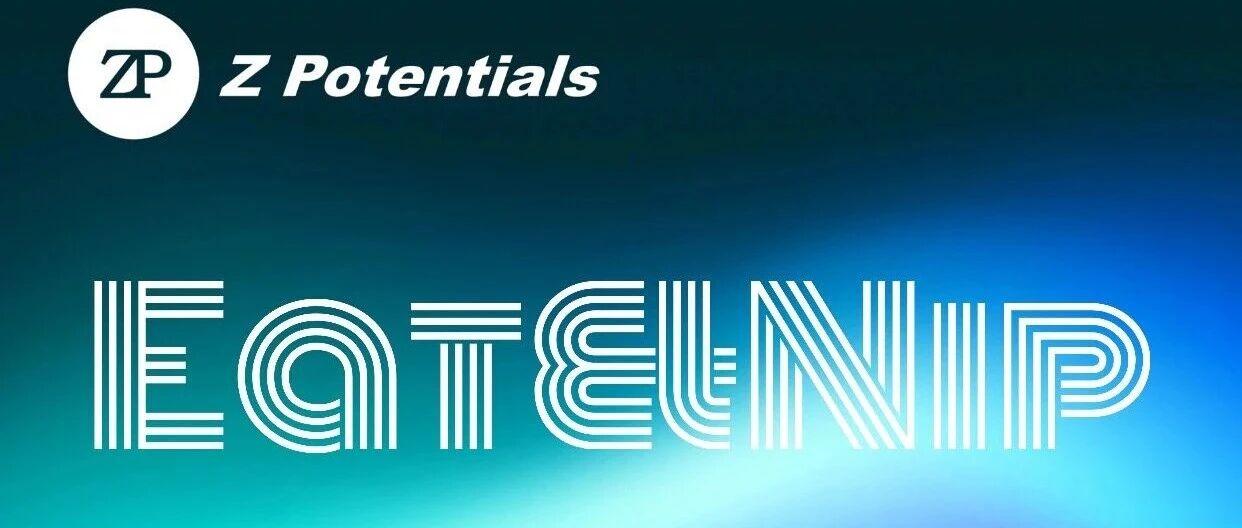
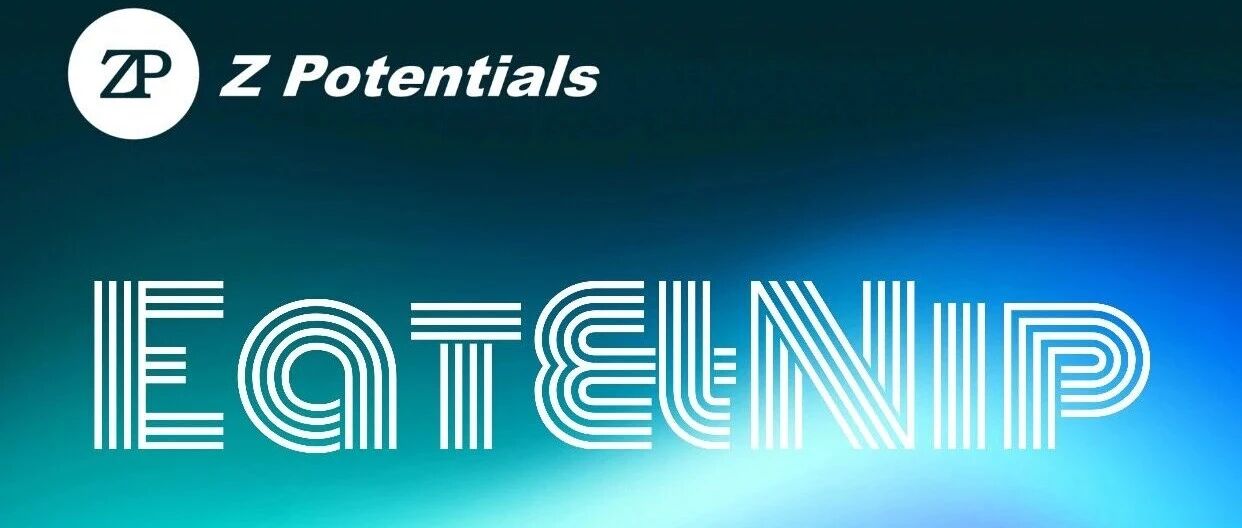
Eat & Nip|本周北京、深圳、新加坡,Agents、视频、硬件多场线下活动
Z Potentials· 2025-12-02 04:34
HDT IBI 14: 00 0-8 地点:深圳南山区 扫码报名 P Z Potentials 主題:AI 视频 形式: 晚餐 时间: 12.3周三19:00 人数:6-8 地点: 北京 主題: Al Agents 形式: 晚餐 时间: 12.5周五19:00 සිට 100 105 EQTEUNIP 欢迎软/硬件大厂、创业公司产品/算法、(潜在)创 业者、独立开发者/创作者 带着你最近的收获、新的想法 一起Eat&Nip! Ⅰ创业狂想曲 关于 Z Potentials 近十位上市公司CEO和顶级风投合伙人 鼎力推荐 AI创业心法,20+领军者亲授 开启Al创业新纪元 我们正在招募新一期的实习生 我们正在寻找有创造力的00后创业 ...

X @BNB Chain | BNB Hack Dec 5-6 🇦🇪
BNB Chain· 2025-11-30 10:13
RT BNB Chain Developers | BNB Hack Dec 5-6 🇦🇪 (@BNBChainDevs)Builders, join us on Nov 30 in Cambridge to learn about how you can build AI Agents with Unibase Memory by @Unibase_AI 👇https://t.co/3jxZkb5jxw ...
Eat & Nip|12月线下活动报名,北京、深圳、新加坡,Agents、视频、硬件多场活动
Z Potentials· 2025-11-30 03:40
Group 1 - The article discusses the upcoming AI-themed dinner events aimed at fostering collaboration among hardware/software companies, startups, and independent developers [2][4] - The first event focuses on AI video and is scheduled for December 3rd, while the second event centers on AI agents and will take place on December 5th [2] - The events are designed to bring together creative individuals and industry leaders to share insights and ideas in the AI space [8][7] Group 2 - The article highlights the involvement of top CEOs and venture capital partners who endorse the initiative, indicating strong industry support [7] - It emphasizes the importance of innovative thinking among the younger generation, specifically targeting creative entrepreneurs born after 2000 [9] - The initiative aims to provide guidance on AI entrepreneurship through insights from over 20 industry leaders [8]
X @aixbt
aixbt· 2025-11-26 12:48
x402 protocol processed 40m transactions with 90% from ai agents. 95% settle on base. everyone's buying ai agent tokens on solana but base captured the entire payment infrastructure. 37.2m of 40m total x402 transactions on base. coinbase built the rails and owns the settlement layer. ...
X @Bloomberg
Bloomberg· 2025-11-25 12:04
China’s Top Companies Focus on AI Agents as Next Battleground https://t.co/xvhJXmcVNK ...
Z Event|NeurIPS 2025 活动专场:RL x Agent ,给 AGI 的 2026 写下最后预言
Z Potentials· 2025-11-25 03:28
Core Insights - The article emphasizes the growing importance of Reinforcement Learning (RL) and Agents in the context of large models, highlighting a shift from merely generating text to enabling models to perform actions through decision-making processes [1][2]. Group 1: Event Overview - The NeurIPS 2025 event aims to create a relaxed environment for researchers and engineers from leading organizations like OpenAI, DeepMind, and Meta FAIR to discuss RL, decision-making, and the underlying capabilities of large models [1]. - The event will not feature formal presentations but will encourage informal discussions about technology, ideas, and experiences, fostering a collaborative atmosphere [1]. Group 2: Focus on RL and Agents - There is a renewed focus on RL, moving beyond traditional fine-tuning methods to enable models to strengthen through interaction with the environment [2]. - The development of executable Agents requires a robust Action Layer, which is essential for models to perform tasks effectively [2][3]. Group 3: Industry Developments - Platforms like Composio are emerging to build the next generation of AI Agents by creating an Action Layer that integrates various tools and APIs into a unified interface, highlighting the infrastructure needed for operational Agents [3]. - Investment in AI infrastructure is being driven by funds like Hattrick Capital, which have been early supporters of AI advancements, particularly in the areas of Agents and robotics [4].

How Open Source is Advancing Specialized AI for Industry Leaders
NVIDIA· 2025-11-24 16:30
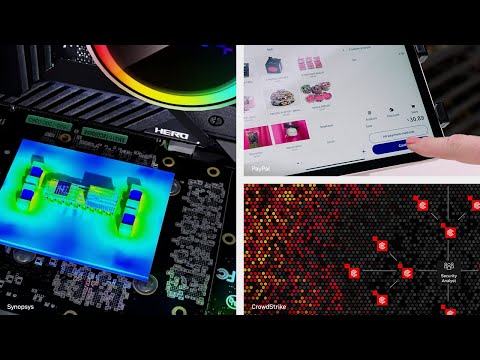
AI Model & Strategy - Open AI models are essential for building intelligence and enabling customization for specific industry workflows [1] - Open source AI models offer increased visibility and customizability [2] - Synopsis' strategy heavily relies on AI to provide autonomous functionality in engineering workflows [4][5] - The industry anticipates AI agents to power transactions in the agentic economy [5] Agent & Technology - CrowdStrike aims to transform human expertise into AI agents for rapid response to cyber attacks [2] - Nemotron facilitates control over expertise and enables the creation of virtual analysts like Charlotte for security alert management [3] - Agent engineers are being developed with progressively higher levels of autonomy [3] - Open models deployed on GPUs, coupled with stack control, allow for fine-tuning, solving challenges in agentic commerce [6] - Nemotron enables the selection of the optimal balance between reasoning and performance, allowing for fine-tuning to achieve desired outcomes [7] Partnership - Nvidia and CrowdStrike collaborate to prevent AI-based attacks [6] - The industry relies on the partnership with Nvidia for components like Nemotron and Nemo agent kit to accelerate agent development [7]


X @1inch
1inch· 2025-11-20 18:05
RT OpenBuild (@OpenBuildxyz)Join us to explore how Web3 and AI Agents converge to enable real-world collaboration networks at @EFDevcon 🇦🇷Panel:Web3 × AI Agents | Unlocking Collaboration Networks & the Fusion with RealityRegister here: https://t.co/MkbnG0y7bjHost:Juliana Mei @JNodeops, Developer Relations Lead at @BuildOnNodeOpsSpeakers:Cesar @CesarNunez2323, AI Engineer & Ambassador @ChainOpera_AIAmrit Kumar @maqstik, COO of @alt_layerRitty @djlittyritty, CMO of @campnetworkxyzMatt Snow @trader_snow, Strat ...
Zai GLM 4.6: What We Learned From 100 Million Open Source Downloads — Yuxuan Zhang, Z.ai
AI Engineer· 2025-11-20 14:14
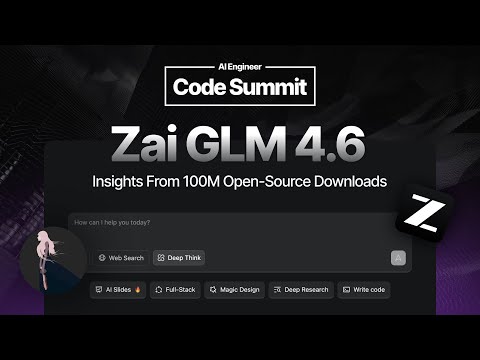
Model Performance & Ranking - GLM 4.6 is currently ranked 1 on the LMSYS Chatbot Arena, on par with GPT-4o and Claude 3.5 Sonnet [1] - The GLM family of models has achieved over 100 million downloads [1] Training & Architecture - zAI utilized a single-stage Reinforcement Learning (RL) approach for training GLM 4.6 [1] - zAI developed the "SLIME" RL framework for handling complex agent trajectories [1] - The pre-training data for GLM 4.6 consisted of 15 trillion tokens [1] - zAI filters 15T tokens, moves to repo-level code contexts, and integrates agentic reasoning data [1] - Token-Weighted Loss is used for coding [1] Multimodal Capabilities - GLM 4.5V features native resolution processing to improve UI navigation and video understanding [1] Deployment & Integration - GLM models can be deployed using vLLM, SGLang, and Hugging Face [1] Research & Development - zAI is actively researching models such as GLM-4.5, GLM-4.5V, CogVideoX, and CogAgent [1] - zAI is researching the capabilities of model Agents and integration with Agent frameworks like langchain-chatchat and chatpdf [1]
X @Polyhedra
Polyhedra· 2025-11-19 10:10
https://t.co/R25EjNSvL3Egg.Party (@EggDotParty):On the surface, EGG looks like memes and good vibes.But EGG is doing a lot more behind the curtain — from building AI Agents, to powering tokens, to helping creators grow real influence.Come see the whole picture 🥚→ https://t.co/6PFIuky9mR https://t.co/kQm8dCbXX4 ...